Electricians see a lot of scary stuff in people’s homes — and most of the time, it’s totally avoidable. From small habits that seem harmless to bigger mistakes that can cause real damage, there’s a lot going on behind your walls that you probably don’t think about.
The good news? Once you know what to stop doing, it’s easy to make smarter choices. Let’s get into the things that make electricians cringe every single time.
1.) Overloading Power Outlets

Plugging a power strip into another power strip, or running five appliances off one outlet, is a habit electricians see way too often. It might seem harmless, but outlets are only built to handle so much load at once.
When you push past that limit, you risk tripping breakers, damaging your appliances, or even starting an electrical fire. A good rule of thumb is to keep high-wattage items like space heaters and microwaves on their own dedicated outlets whenever possible.
2.) Using Extension Cords Permanently

Extension cords are great for temporary use, but running them permanently behind furniture or under rugs is a habit electricians hate seeing. They’re not built to handle constant, long-term use, and they can overheat, fray, or cause a fire without much warning.
If you need an outlet in a specific spot, have an electrician install one properly. It’s a pretty simple job and way safer than pretending that orange extension cord snaking across your floor is a permanent solution.
3.) Ignoring Flickering Lights

Flickering lights might seem like a minor annoyance, but electricians say it’s one of the most common warning signs people ignore. It could point to a loose connection, a failing breaker, or even faulty wiring — all things that can become serious hazards over time.
Don’t just swap out the bulb and call it a day. If the flickering keeps happening, especially in multiple rooms, get an electrician to take a look before a small issue turns into a much bigger problem.
4.) DIY Electrical Panel Work

Your electrical panel is not a DIY project. Electricians see this mistake all the time — homeowners swapping breakers, adding circuits, or messing with wiring inside the panel to save a few bucks. It seems simple enough, but one wrong move can cause a fire, a serious shock, or damage to your entire electrical system.
Always call a licensed electrician for panel work. The cost is worth it, and in most places, it’s actually required by law to have a permit and a pro handle it.
5.) Painting Over Outlets

Slapping a fresh coat of paint over an outlet might seem like a quick fix to make a room look clean and finished, but electricians really don’t love this one. Paint can seep into the slots and interfere with how the outlet works — and in some cases, it can even create a fire hazard.
If you want a cleaner look, just remove the outlet cover plate first, paint the wall, let it dry, then put the plate back on. Simple.
6.) Using Wrong Wattage Bulbs

Every light fixture has a maximum wattage rating printed right inside the socket, and ignoring it is a real problem. Screwing in a bulb that pulls more watts than the fixture can handle generates extra heat that can damage the wiring and even start a fire.
Before you swap out a bulb, take a second to check that label. If you can’t find it, stick with a lower wattage to play it safe. It’s a small step that can prevent a serious hazard.
7.) Installing Dimmer Switches Incorrectly

Dimmer switches seem like a simple swap, but electricians see people mess this up all the time. The biggest issue? Using a dimmer that isn’t rated for the type of bulbs you have. LED bulbs need LED-compatible dimmers — putting the wrong ones together can cause buzzing, flickering, or even early burnout.
Also, not all fixtures are dimmable. Ceiling fans, for example, need their own speed controllers. When in doubt, check the packaging or just ask a pro before you start wiring.
8.) Leaving Exposed Wire Connections
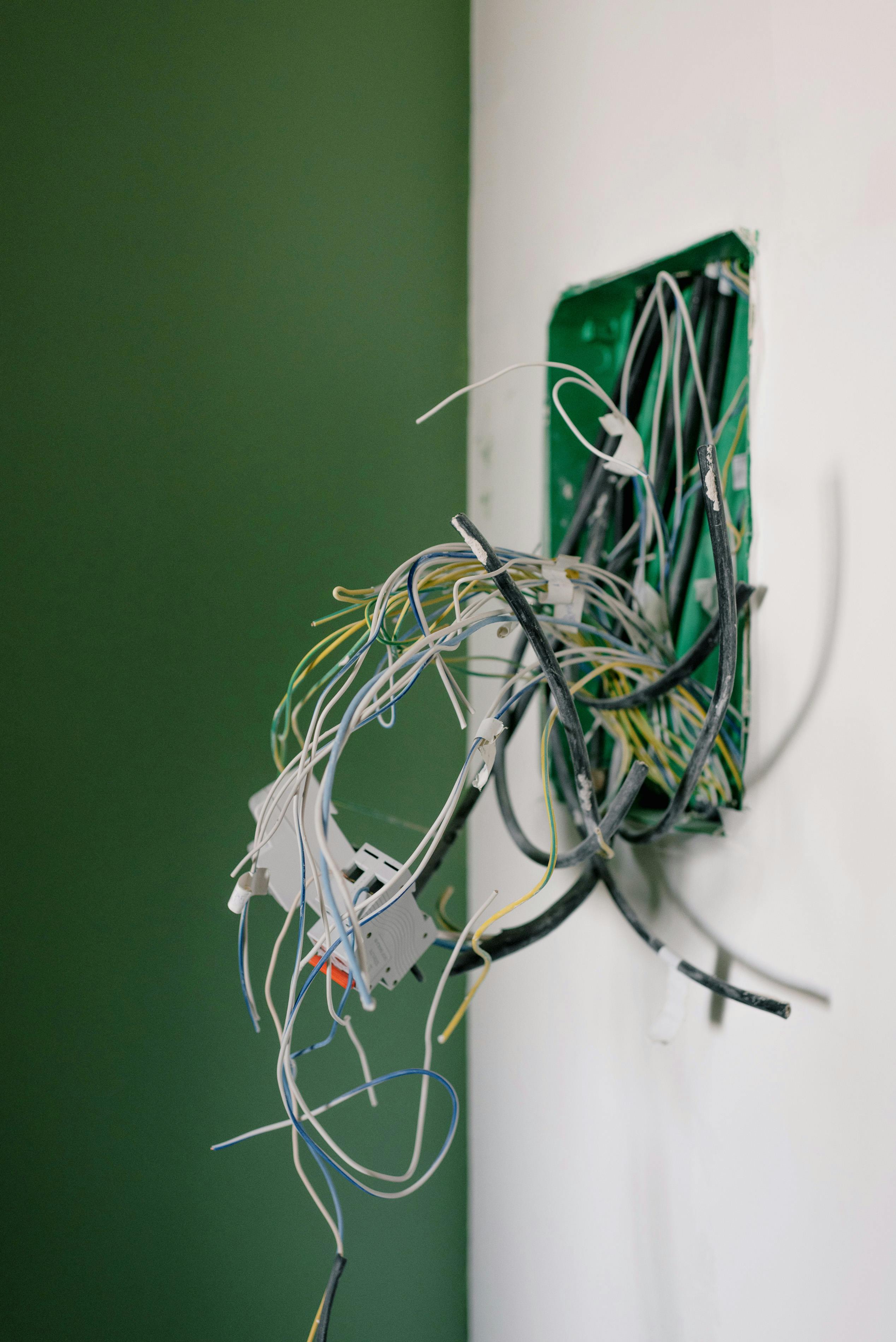
Bare wires that aren’t properly capped or secured inside a junction box are a serious fire and shock hazard. It’s one of those things that might seem harmless sitting tucked behind a wall or under a sink, but all it takes is one wrong touch or a little moisture to cause a real problem.
Always use wire nuts or terminal blocks to cover exposed connections, and make sure everything is enclosed in a proper electrical box. If you’re unsure, call a licensed electrician.
9.) Using Indoor Extension Cords Outside

Indoor extension cords aren’t built to handle outdoor conditions. Rain, heat, and moisture can break down the insulation quickly, which can lead to electrical shorts or even a fire. It’s a bigger risk than most people realize.
Always look for extension cords labeled for outdoor use — they have thicker, weather-resistant jackets designed to handle the elements. Using the wrong cord might seem like a small shortcut, but electricians see the damage it causes all the time. It’s just not worth it.
10.) Ignoring Warm Outlet Covers

If your outlet cover feels warm to the touch, don’t just shrug it off. That heat is a sign that something isn’t right behind the wall — it could be a loose connection, an overloaded circuit, or even early signs of wiring damage.
This is one of those things that can quietly turn into a fire hazard if you ignore it long enough. Call a licensed electrician to take a look before it becomes a much bigger problem.
11.) Mixing Wire Gauges

Mixing different wire gauges in the same circuit is a bigger deal than most people realize. Each gauge is rated for a specific amount of current, and pairing the wrong ones together can create a weak point where heat builds up fast.
That kind of heat is exactly what starts electrical fires inside your walls. If you’re doing any wiring work, always match the gauge to what’s already there. When in doubt, call a licensed electrician before you touch anything.
12.) Skipping GFCI Outlets

GFCI outlets are the ones with the little “Test” and “Reset” buttons, and they’re required in bathrooms, kitchens, garages, and outdoor spaces for good reason. They cut power instantly if they detect a ground fault, which can prevent serious electrical shock.
Skipping them to save a few bucks is a mistake electricians see way too often. Besides being a safety hazard, it’s also a code violation. If something ever goes wrong, your homeowner’s insurance might not cover it either.
13.) Overloading Circuit Breakers

Plugging too many things into one circuit is a fast way to trip a breaker — or worse, start a fire. Electricians see this all the time, especially in older homes where the electrical system wasn’t built for today’s power demands.
A good rule of thumb is to avoid daisy-chaining power strips or running high-wattage appliances like space heaters and microwaves on the same circuit. If your breaker keeps tripping, that’s your home telling you something is seriously wrong.
14.) Using Damaged Electrical Cords

A frayed or cracked electrical cord might seem like a minor issue, but electricians will tell you it’s one of the most common causes of house fires. If the protective coating is worn down, the wires inside can spark or overheat without much warning.
Don’t bother wrapping it in tape and calling it fixed — that’s just a temporary patch on a real problem. Replace the cord or the appliance altogether. It’s a small cost compared to the risk you’re taking by ignoring it.
15.) Installing Ceiling Fans Without Support

Ceiling fans are heavier than most people realize, and hanging one from a standard light fixture box is a recipe for disaster. Those boxes aren’t built to handle the weight or the motion, and over time, the whole thing can come crashing down.
Always use a fan-rated electrical box that’s properly anchored to a ceiling joist or a brace bar. It takes a little extra effort, but electricians see this mistake constantly — and the damage it causes is completely avoidable.
16.) Covering Junction Boxes

Junction boxes exist for a reason — they protect wire connections from damage and keep everything contained. When you cover them up with drywall, insulation, or even just a piece of furniture pushed against the wall, you’re creating a serious fire hazard and making future repairs a nightmare.
Electricians need to access these boxes, and so do you in an emergency. Keep them visible and reachable at all times. If you don’t like how they look, buy a proper cover plate — they’re cheap and easy to install.
17.) Using Penny Behind Fuses

Slipping a penny behind a blown fuse might seem like a clever workaround, but it’s one of the most dangerous things you can do in your home. Fuses are designed to blow for a reason — to stop too much current from flowing through your wiring.
When you bypass that safety feature with a coin, you’re basically inviting overheating, electrical fires, and serious damage. If a fuse keeps blowing, that’s a warning sign. Call an electrician instead of reaching for your spare change.
18.) Ignoring Burning Smells

A burning smell in your home isn’t something to brush off and forget about. It could mean your wiring is overheating, an outlet is faulty, or something worse is happening inside your walls. Ignoring it is one of the fastest ways to turn a small electrical problem into a house fire.
If you notice a burning or smoky smell coming from an outlet, switch, or appliance, cut the power to that area and call an electrician right away. Don’t wait to see if it goes away on its own.
19.) Running Cords Under Rugs

Running a cord under a rug might seem like a neat solution to hide that messy cable crossing the room, but electricians cringe every time they see it. Foot traffic wears down the cord’s insulation over time, and you won’t even notice the damage happening beneath the rug.
A frayed or pinched wire can overheat and spark a fire. Use cord covers or have an outlet installed in a better spot instead — it’s a much safer fix.