Got a shady spot in your yard where nothing seems to want to grow? You’re definitely not alone. Those dark corners under trees or along north-facing fences can feel impossible to work with.
Good news though — there are actually some really great shrubs out there that don’t just survive in full shade, they genuinely do well there. This list might surprise you with how many options you actually have!
1.) Hydrangea (Hydrangea macrophylla)
Hydrangeas are one of the most popular shade shrubs out there, and for good reason. They produce big, showy blooms in shades of pink, blue, purple, or white — and the color can actually shift depending on your soil’s pH level. Cool, right?
They do best in zones 5–9 and prefer moist, well-drained soil. Water them regularly, especially during dry spells. Avoid planting in deep, dense shade — they like it indirect but still bright enough to bloom well.
2.) Yew (Taxus baccata)

Yew is one of those plants that just handles shade without making a fuss about it. It grows slowly but steadily, and its dense, dark green foliage stays looking good year-round. It works well in zones 5–7 and handles dry shade better than most shrubs.
One thing to keep in mind — almost every part of the yew plant is toxic, so it’s not a great pick if you have kids or pets running around the yard.
3.) Japanese Aucuba (Aucuba japonica)
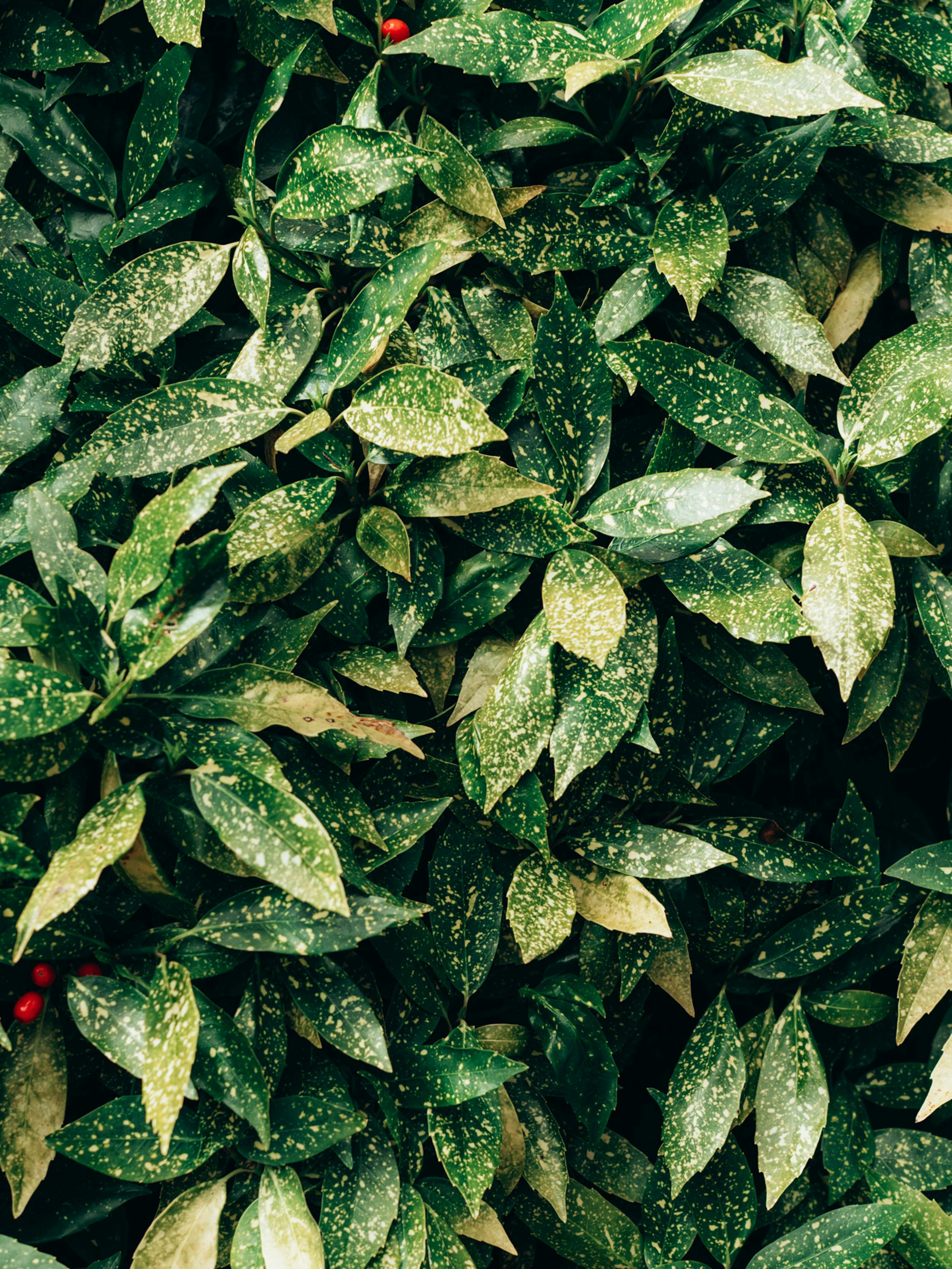
Japanese Aucuba is one of the best options for those dark, forgotten corners of the yard where most plants just give up. It handles deep shade without complaint and even tolerates dry soil once it’s established — which is pretty rare for a shrub.
It grows in zones 6–10 and stays evergreen, so you get year-round coverage. The spotted, glossy leaves come in yellow-splashed varieties that brighten up shady spots without needing any direct sun at all.
4.) Camellia (Camellia japonica)

Camellias are one of those shrubs that actually seem to prefer being left out of the sun. They do best in partial to full shade, making them a great pick for spots under trees or along north-facing walls. They grow well in zones 7–10.
The blooms show up in late winter to early spring, which is a nice bonus when most of the yard still looks bare. Keep the soil acidic, moist, and well-drained, and they’ll reward you every year.
5.) Pieris (Pieris japonica)
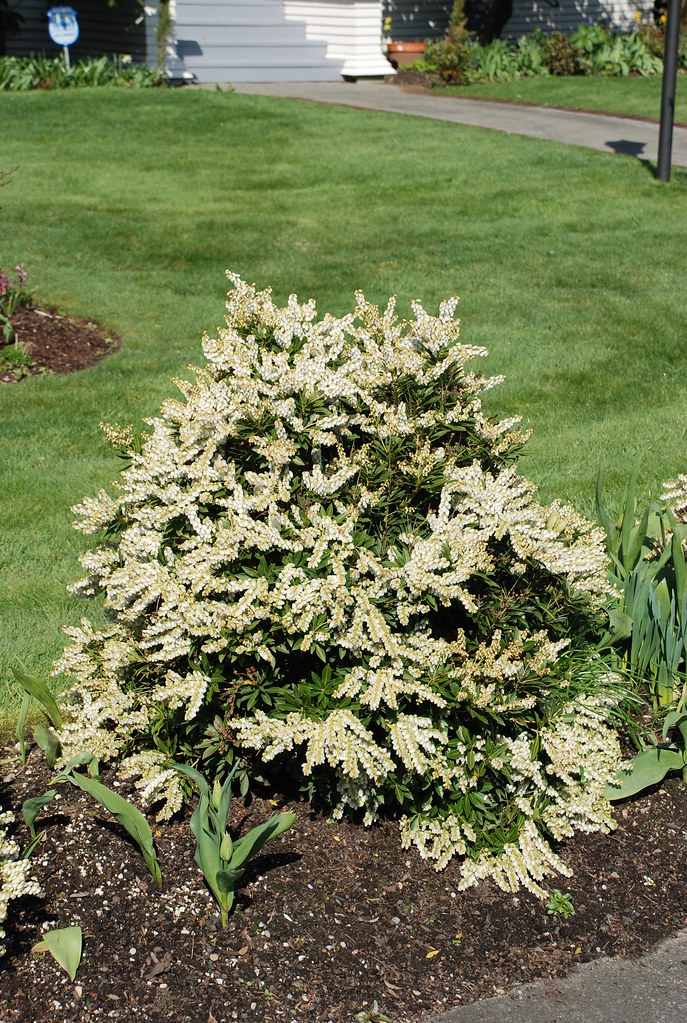
Pieris is one of those shrubs that actually looks great in a shady spot. It produces clusters of small, drooping flowers in early spring, and the new leaf growth comes in a deep reddish color before turning green — so you get some real visual interest even without much sun.
It grows best in zones 5–8 and prefers moist, well-drained, acidic soil. Keep it away from harsh winds, and skip the heavy pruning — it really doesn’t need much fuss to stay looking good.
6.) Mountain Laurel (Kalmia latifolia)
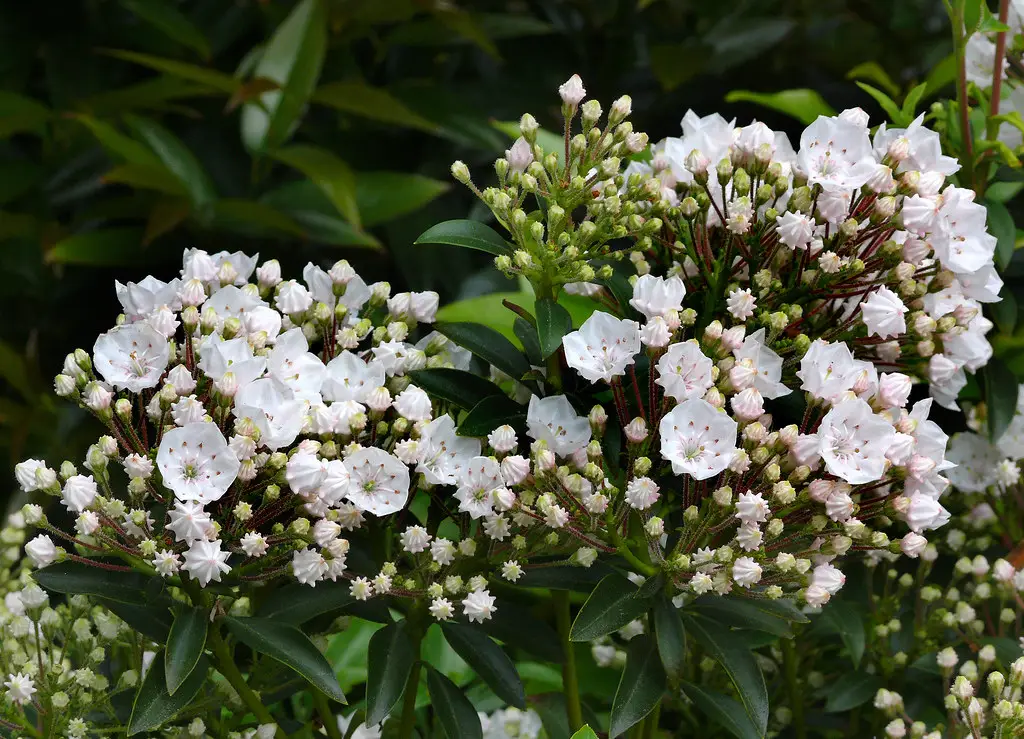
Mountain Laurel is a native evergreen shrub that actually handles shade pretty well, especially the dappled kind you get under tall trees. It grows slowly but can reach 5 to 15 feet tall over time, making it a solid choice for filling in those darker corners of your yard.
It does best in zones 5 through 9 and prefers moist, well-drained, acidic soil. Keep it mulched to hold moisture, and avoid overwatering. It blooms in late spring with clusters of pink or white flowers.
7.) Leucothoe (Leucothoe fontanesiana)
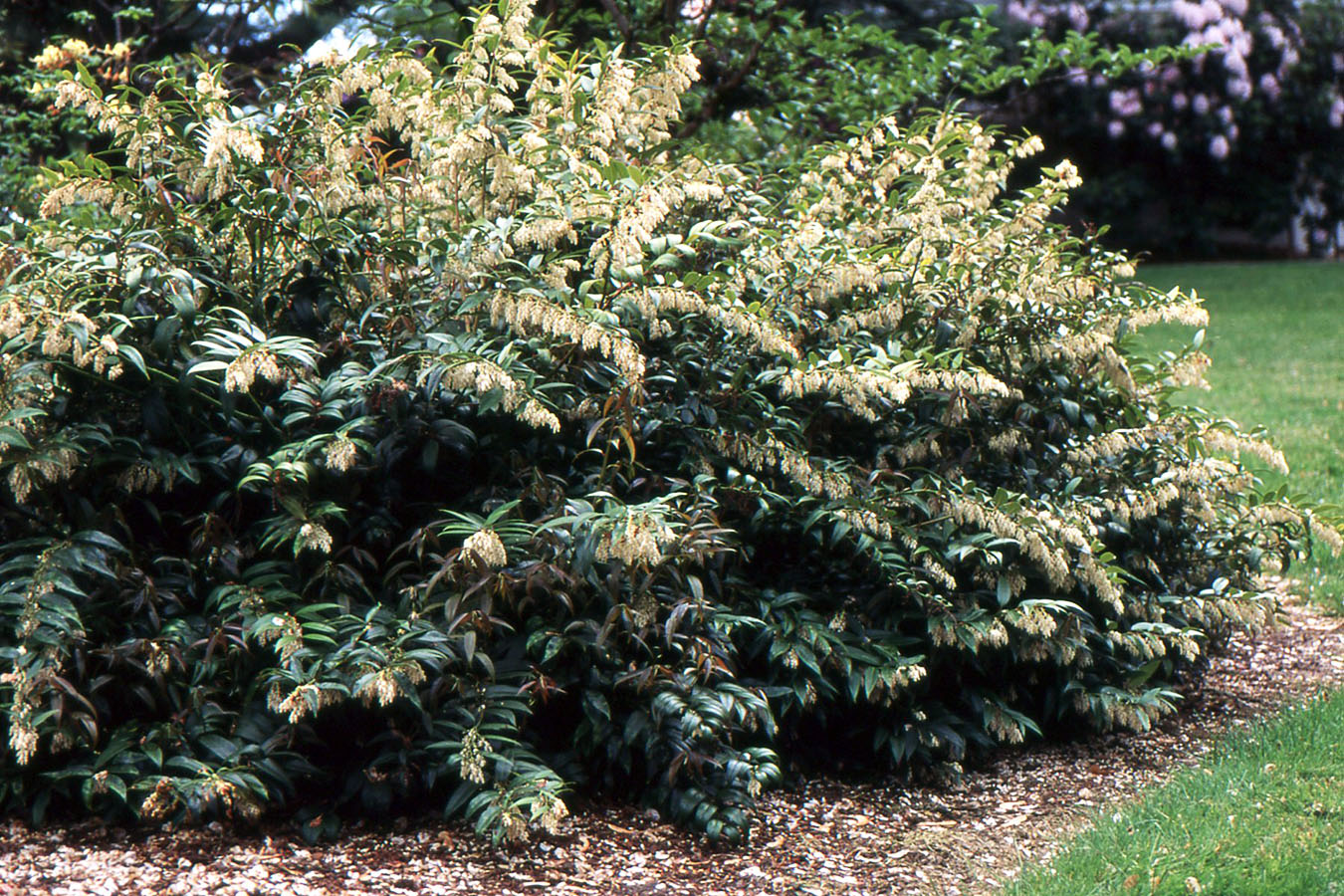
Leucothoe is a low-growing shrub that actually does well in deep shade, making it a solid choice for those dark corners of your yard. It grows in zones 5–9 and prefers moist, acidic soil — think under trees or along shaded slopes.
The leaves have a nice arching shape and shift color through the seasons, going from green to a reddish-purple in fall and winter. It’s pretty low-maintenance once established, just keep the soil consistently moist.
8.) Snowberry (Symphoricarpos albus)
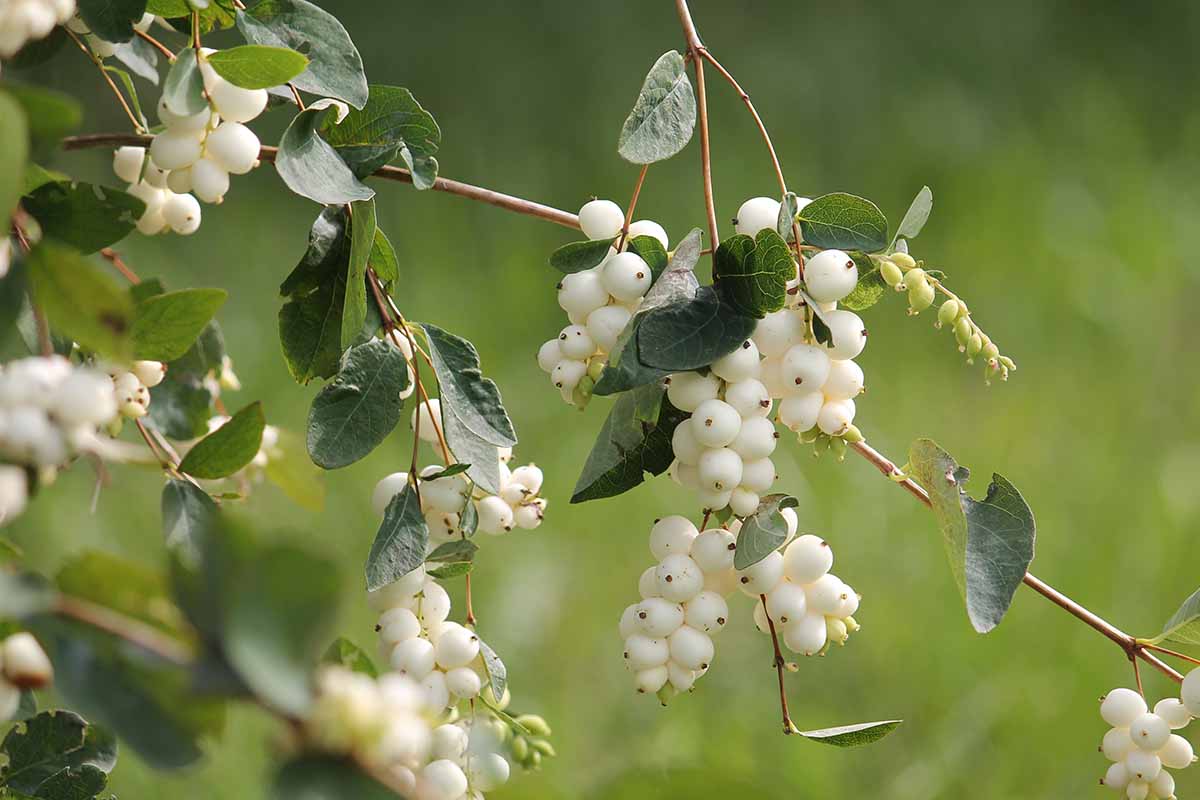
Snowberry is a tough little shrub that handles deep shade without complaining. It grows well in zones 3–7, which makes it a solid option for a wide range of climates. It spreads slowly through suckers, so it’s great for filling in empty shaded areas over time.
The real draw is its white berries, which stick around through fall and into winter. Just keep in mind the berries are toxic, so plant with caution if you have kids or pets around.
9.) Rhododendron (Rhododendron spp.)
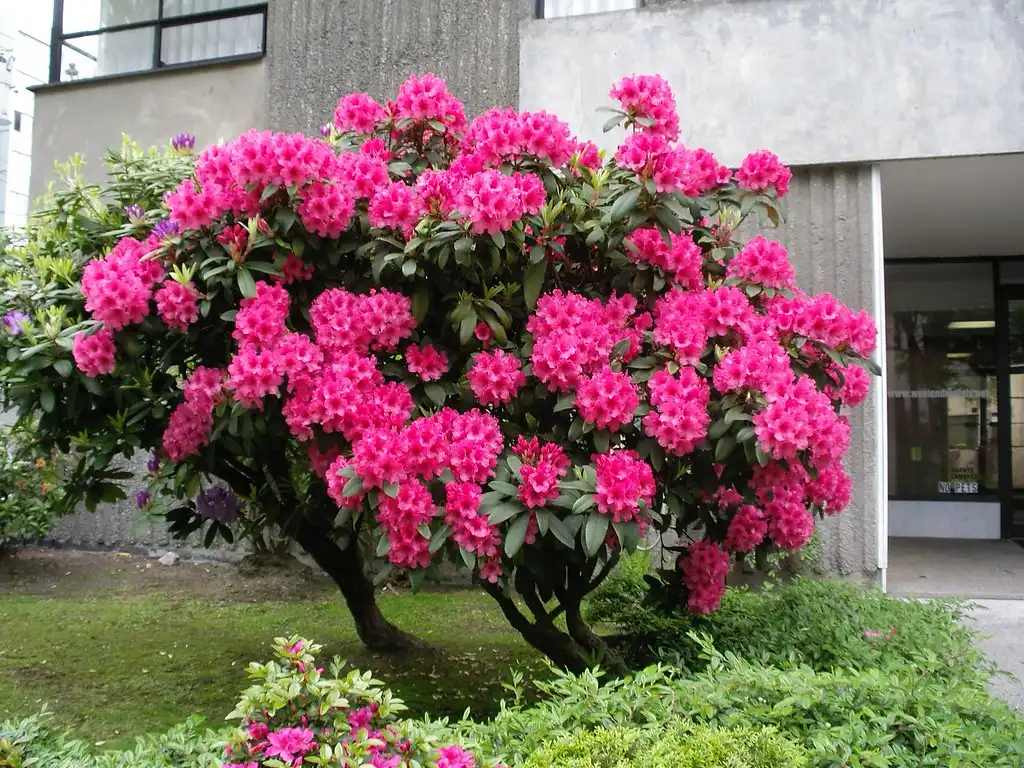
Rhododendrons are a go-to choice for shady spots, and they’re not hard to see why. These shrubs actually prefer dappled or full shade, making them a natural fit under tree canopies or along north-facing walls. They grow well in zones 4–9, depending on the variety.
The key is getting the soil right — they need it acidic, moist, and well-drained. Top-dress with pine bark mulch to help keep conditions just right, and you’ll be rewarded with reliable growth year after year.
10.) Mahonia (Mahonia aquifolium)
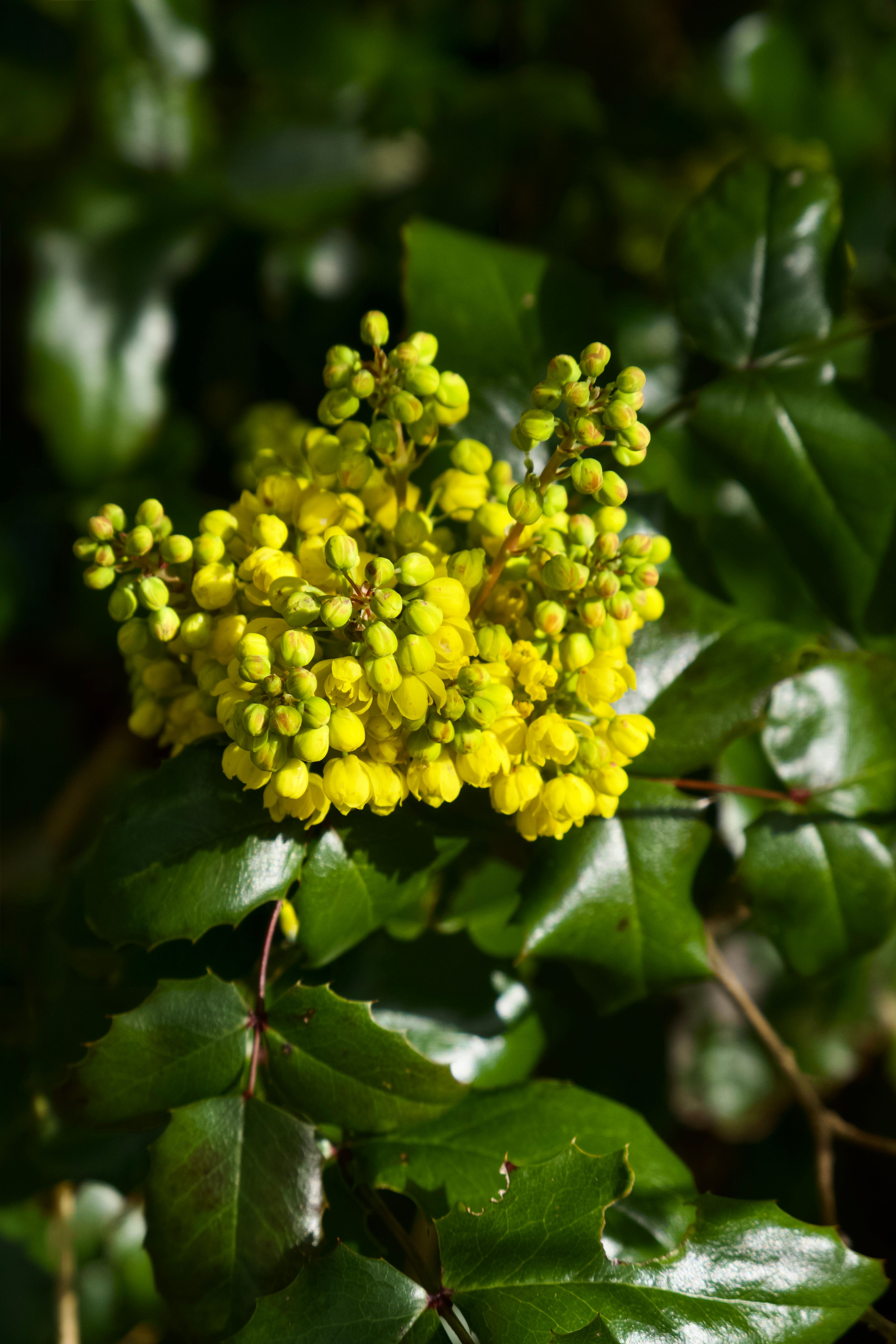
Mahonia is a tough, low-maintenance shrub that actually does well in deep shade — even under dense tree canopies where most plants just give up. It grows in zones 5–9 and stays evergreen year-round, which is a nice bonus when everything else looks bare in winter.
The spiky, holly-like leaves add some texture, and it produces small yellow flowers in late winter followed by dark berries. It’s drought-tolerant once established, so you won’t need to fuss over it much.
11.) Holly (Ilex spp.)
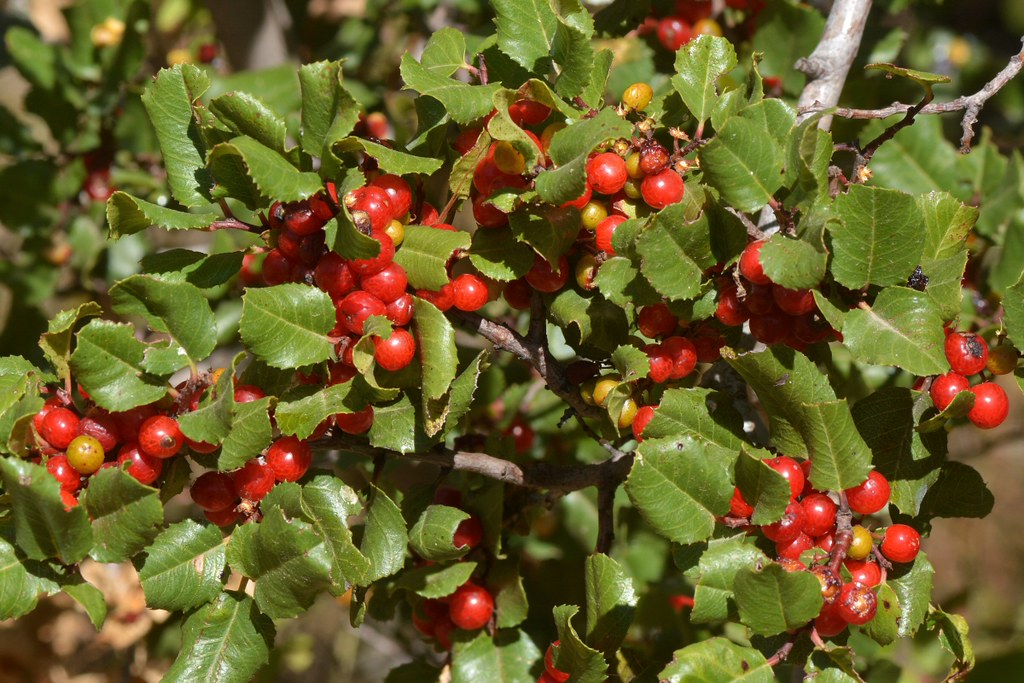
Holly is one of those plants that actually looks good even in deep shade, which is pretty rare. It grows in zones 5–9 and handles low light better than most shrubs. You can find varieties in different sizes, so it works for tight spots or larger borders.
The glossy leaves stay on year-round, giving you some structure in the garden during winter months. If you want berries, though, you’ll need both a male and female plant nearby.
12.) Inkberry (Ilex glabra)

Inkberry is a native evergreen shrub that handles deep shade without complaining. It stays green year-round and produces small black berries in fall that birds absolutely love. It grows well in zones 4–9 and can even handle soggy or wet soil — something most shrubs can’t say.
It spreads slowly through suckers, so it works well as a natural ground cover under trees. Keep it tidy with light pruning in early spring before new growth kicks in.
13.) Fothergilla (Fothergilla gardenii)
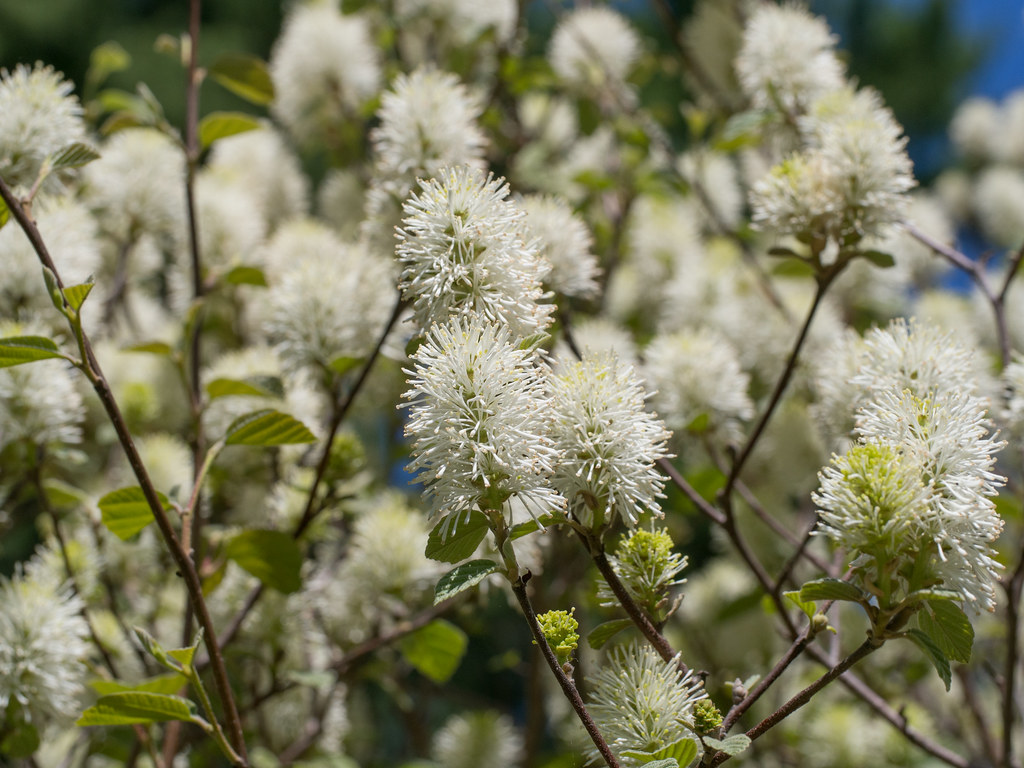
Fothergilla is a great pick for shady spots that seem impossible to plant in. It produces white, bottlebrush-like flowers in spring and puts on a nice show of red and orange foliage come fall. It grows well in zones 5–8.
It prefers moist, acidic, well-drained soil and does best in partial to full shade. Keep it watered during dry spells, especially when it’s young. It tops out at around 3 feet, making it easy to fit into tighter spaces.
14.) Winterberry (Ilex verticillata)

Winterberry is a native shrub that actually thrives in shady, wet spots — the kind of area most plants want nothing to do with. It grows well in zones 3–9, so it’s a solid choice for a wide range of climates.
It loses its leaves in fall, which sounds like a downside until you see those bright red berries left behind on the bare branches. Plant it in groups for the best berry display, and leave the berries for the birds to enjoy.
15.) Virginia Sweetspire (Itea virginica)

Virginia Sweetspire is a native shrub that handles full shade surprisingly well, making it a solid pick for those dark corners of your yard where other plants just give up. It grows in zones 5–9 and does especially well in moist, shady spots near downspouts or low-lying areas.
Come fall, the leaves turn a nice mix of red and orange even without much sun. It spreads slowly over time, so it’s great for filling in bare ground under trees.
16.) Fragrant Sumac (Rhus aromatica)
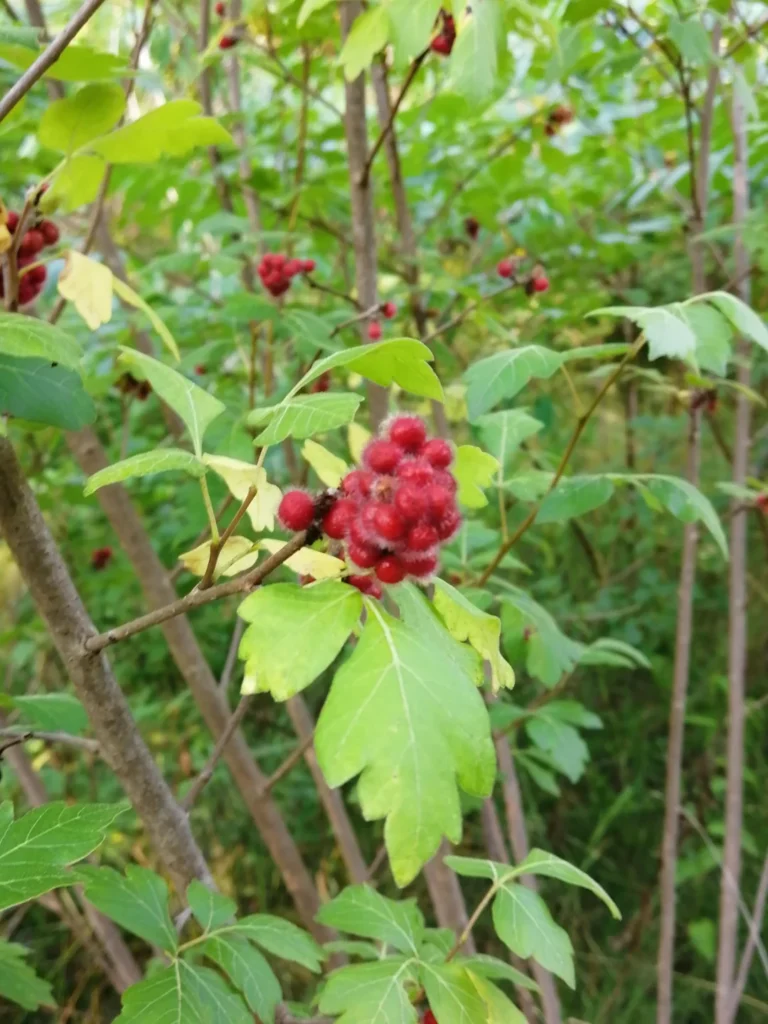
Fragrant Sumac is a tough little shrub that handles deep shade better than most plants. It spreads slowly into a low, bushy mound and produces small yellow flowers in early spring, followed by fuzzy red berries that birds absolutely love.
It’s hardy in zones 3–9, so it works across a wide range of climates. It’s also pretty drought-tolerant once established. In fall, the leaves turn a nice red-orange, giving you a little color even in those darker corners of the yard.
17.) Sarcococca (Sarcococca confusa)
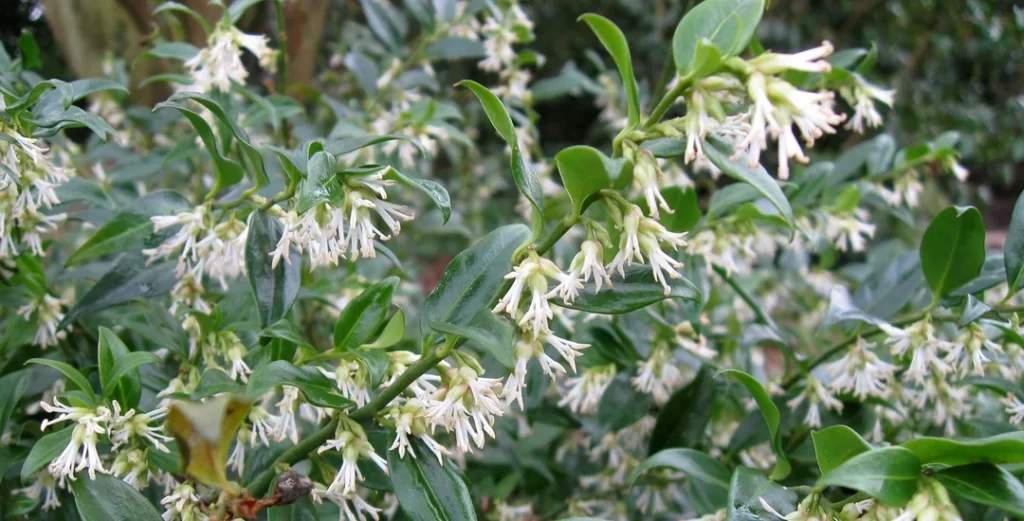
Sarcococca, also called sweet box, is one of those quiet workhorses that thrives in the deep shade where most plants just give up. It stays evergreen, grows slowly to about 3–5 feet, and handles zones 6–9 without much fuss.
The bonus? It produces tiny white flowers in late winter that smell surprisingly sweet. Not flashy at all, but the fragrance is hard to miss on a cold February day.
Plant it near a path or entryway so you actually get to enjoy the scent.
18.) Skimmia (Skimmia japonica)

Skimmia japonica is one of the best picks for a deeply shaded spot. It’s an evergreen shrub that stays compact — usually around 3 to 5 feet tall — and handles low light without complaining. Hardy in zones 6–8, it holds up well through winter too.
Plant a male and female together if you want those bright red berries in fall and winter. The berries stick around for months, which makes it a great option for adding some color to a dark corner.
19.) Butcher’s Broom (Ruscus aculeatus)
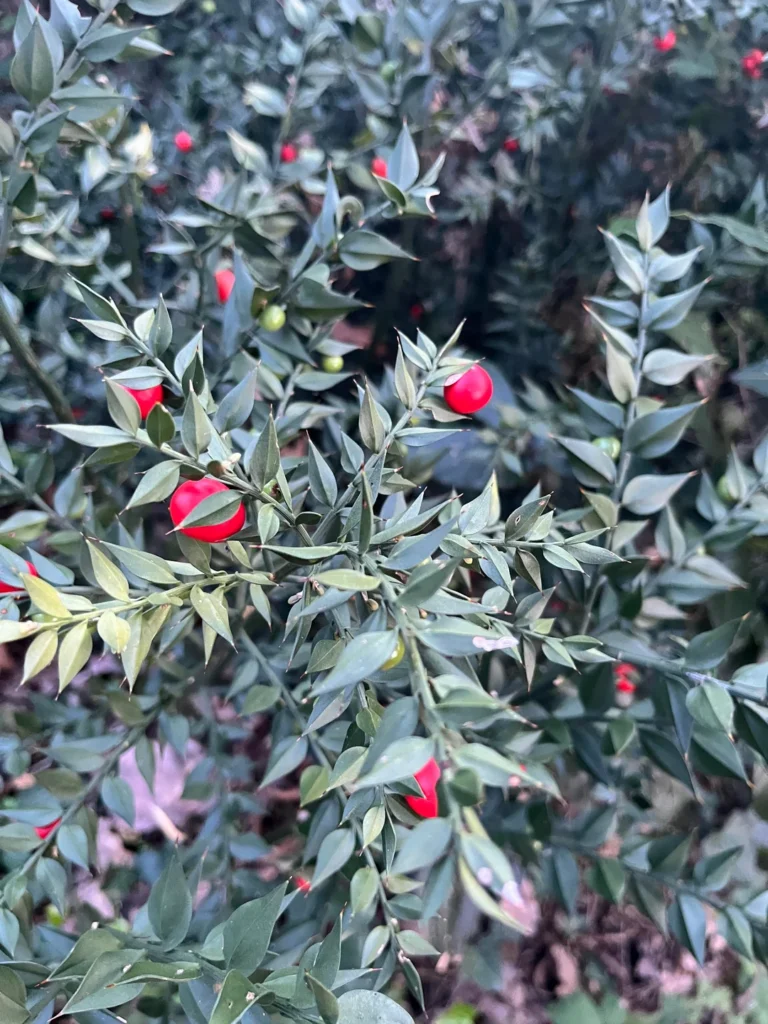
Butcher’s Broom is a tough, low-growing evergreen shrub that handles deep shade without complaining. It’s native to Europe and stays green year-round, making it a solid choice for those dark corners under trees where most plants just give up. Hardy in zones 7–9, it grows slowly to about 2–3 feet tall.
It produces small red berries in winter, which adds a little interest during the dull months. It’s drought-tolerant once established and needs almost no maintenance, which is always a win.
20.) Japanese Pachysandra (Pachysandra terminalis)
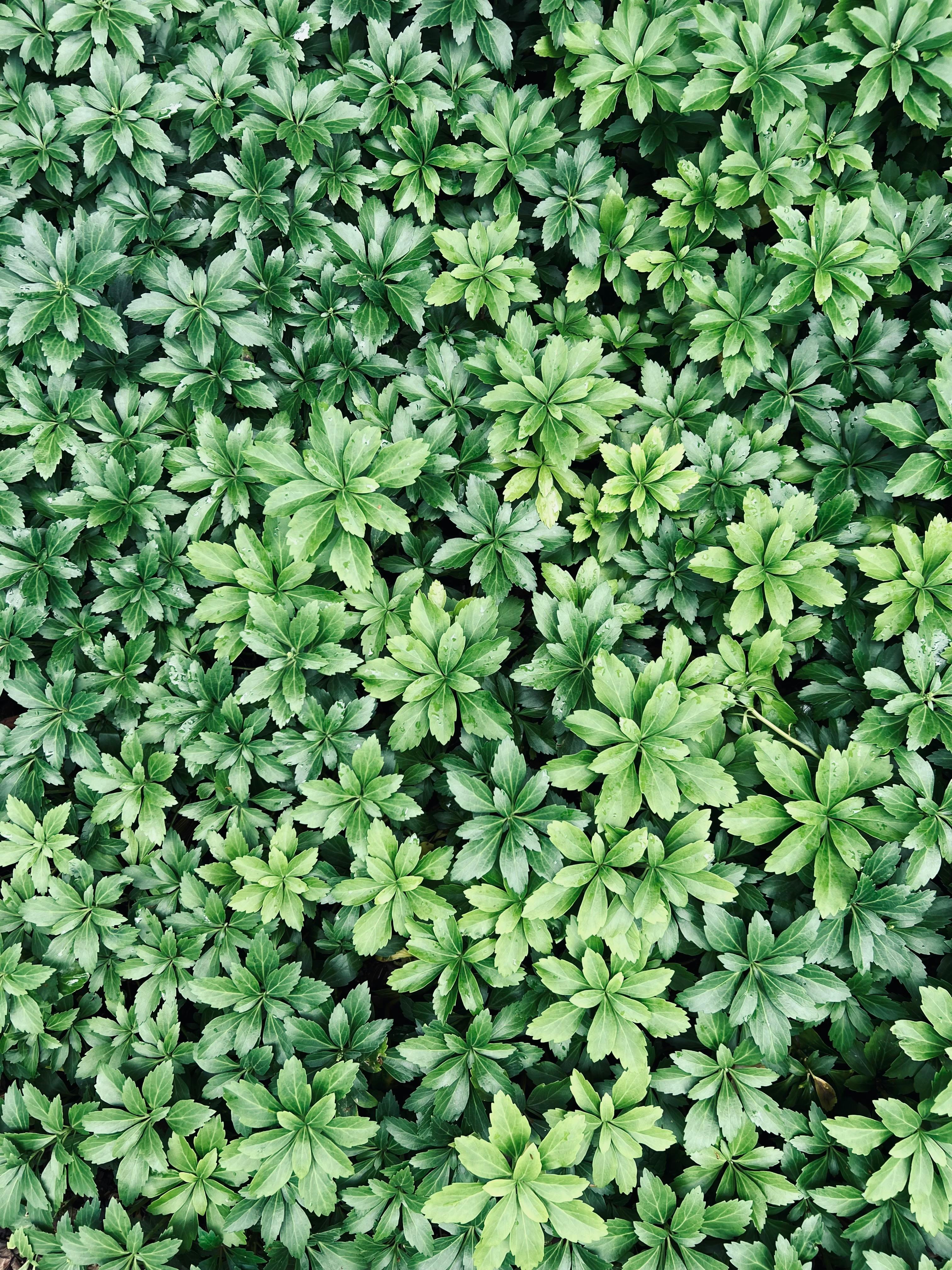
Japanese Pachysandra is a low-growing ground cover that actually thrives in deep shade, making it a go-to for those tricky spots under dense trees where grass just gives up.
It spreads slowly but steadily, forming a tidy carpet of glossy green leaves. Plant it in well-drained soil, water it regularly while it gets established, and then it’s pretty much hands-off.
It works well in zones 4–8 and stays evergreen through winter, so you get year-round coverage without much effort.
21.) Boxwood (Buxus sempervirens)
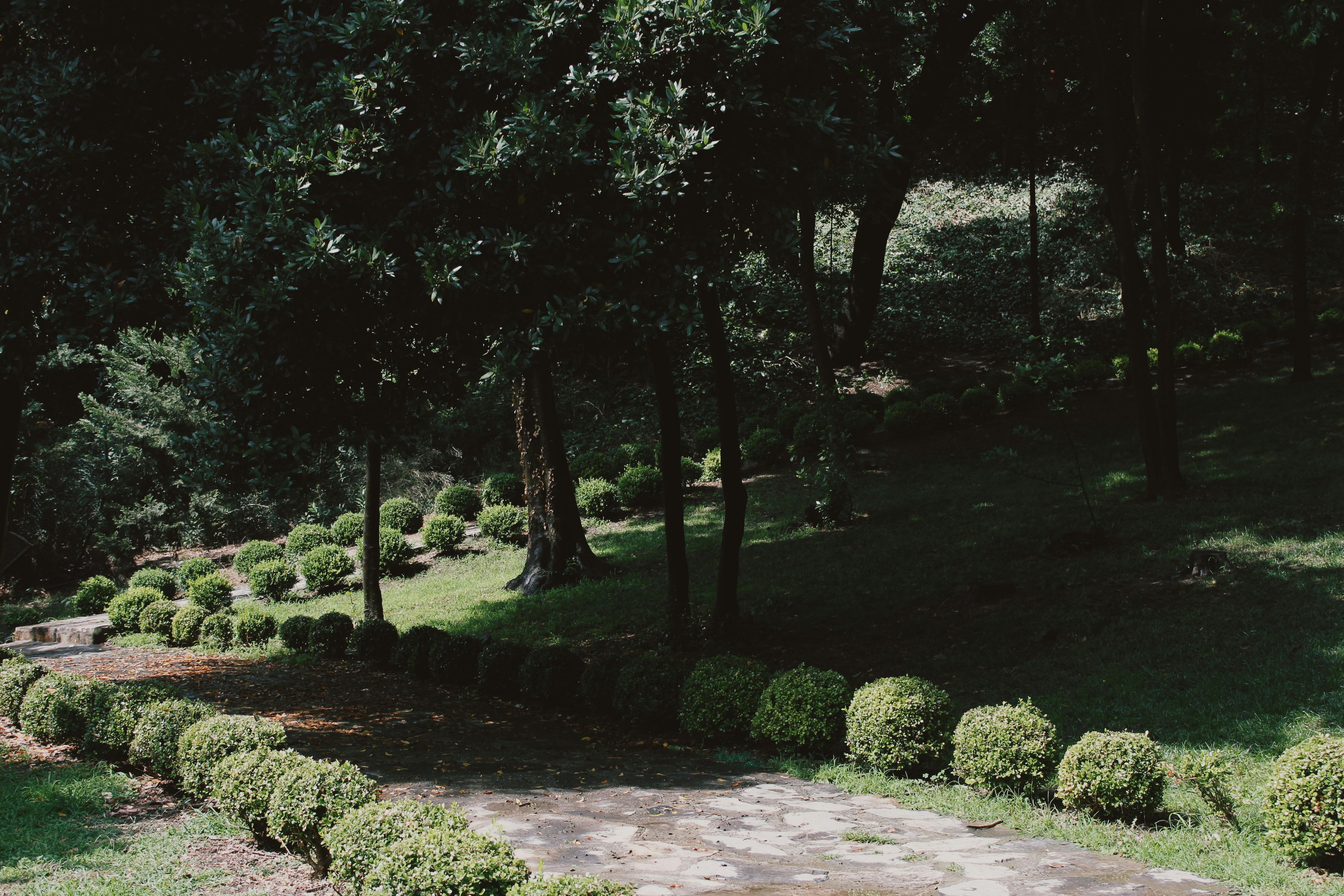
Boxwood is a classic choice for shady spots, and it holds up well where other plants tend to struggle. It grows slowly and stays green year-round, making it a reliable option for borders, hedges, or foundation plantings under tree canopies.
It does best in zones 5–8 and prefers well-drained soil. Water it regularly when it’s young, but once it’s established, it’s pretty low-maintenance. Just give it a light trim once or twice a year to keep the shape looking tidy.
22.) Daphne (Daphne odora)
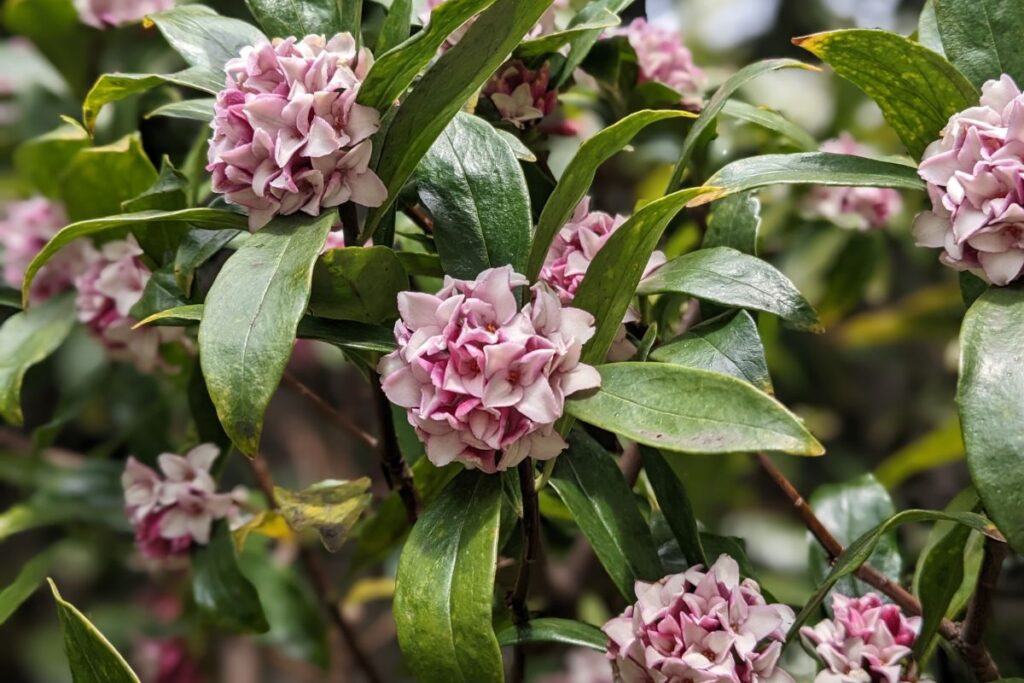
Daphne odora is one of those shrubs that actually seems to *like* being tucked away in a shady corner. It grows well in partial to full shade and prefers moist, well-drained soil. Hardy in zones 7–9, it stays evergreen through winter and blooms in late winter to early spring.
The flowers are small but incredibly fragrant — like, stop-you-in-your-tracks fragrant. Just avoid overwatering, since Daphne is sensitive to soggy roots and can decline quickly if the drainage isn’t right.
23.) Kerria (Kerria japonica)
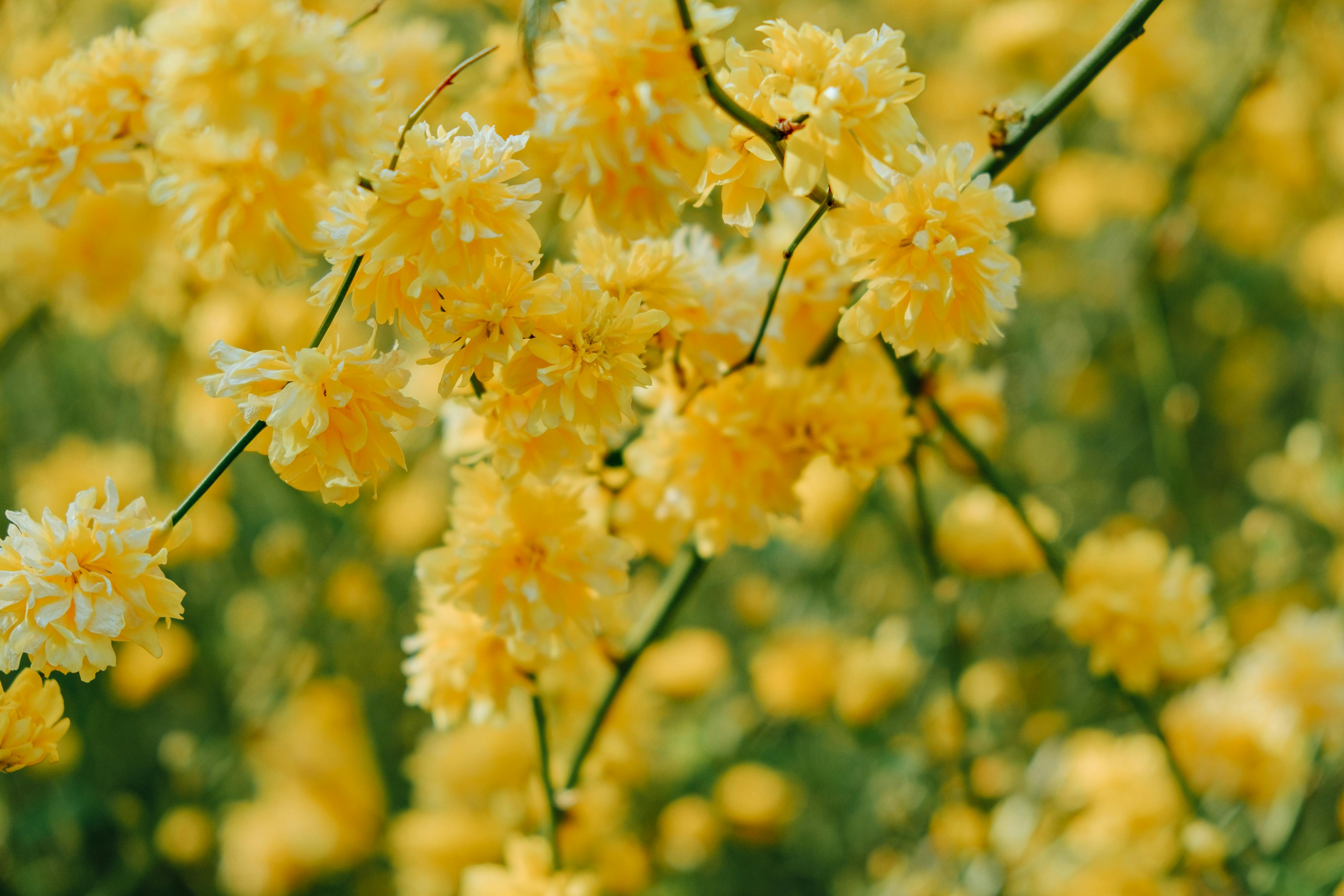
Kerria is a cheerful little shrub that produces bright yellow flowers even in deep shade — something most plants flat-out refuse to do. It’s a solid choice for those dark corners under trees or along north-facing fences where you’ve basically given up hope.
It grows well in zones 4–9 and doesn’t ask for much. Just plant it in moist, well-drained soil and trim it back after flowering to keep it from getting too leggy over time.