I never thought I’d be making my own kombucha until last year. Growing up, the only fermented drinks in our house were my dad’s beer collection in the garage. When my friend offered me a sip of her homemade blueberry kombucha, I was honestly a bit scared – the whole “living bacteria” thing seemed weird.
But here’s the thing about making blueberry kombucha – it’s actually way easier than it sounds. While store-bought versions can be pretty expensive, making it at home costs just a fraction of the price. Plus, once you get the basic process down, it’s really just a matter of waiting for the magic to happen.
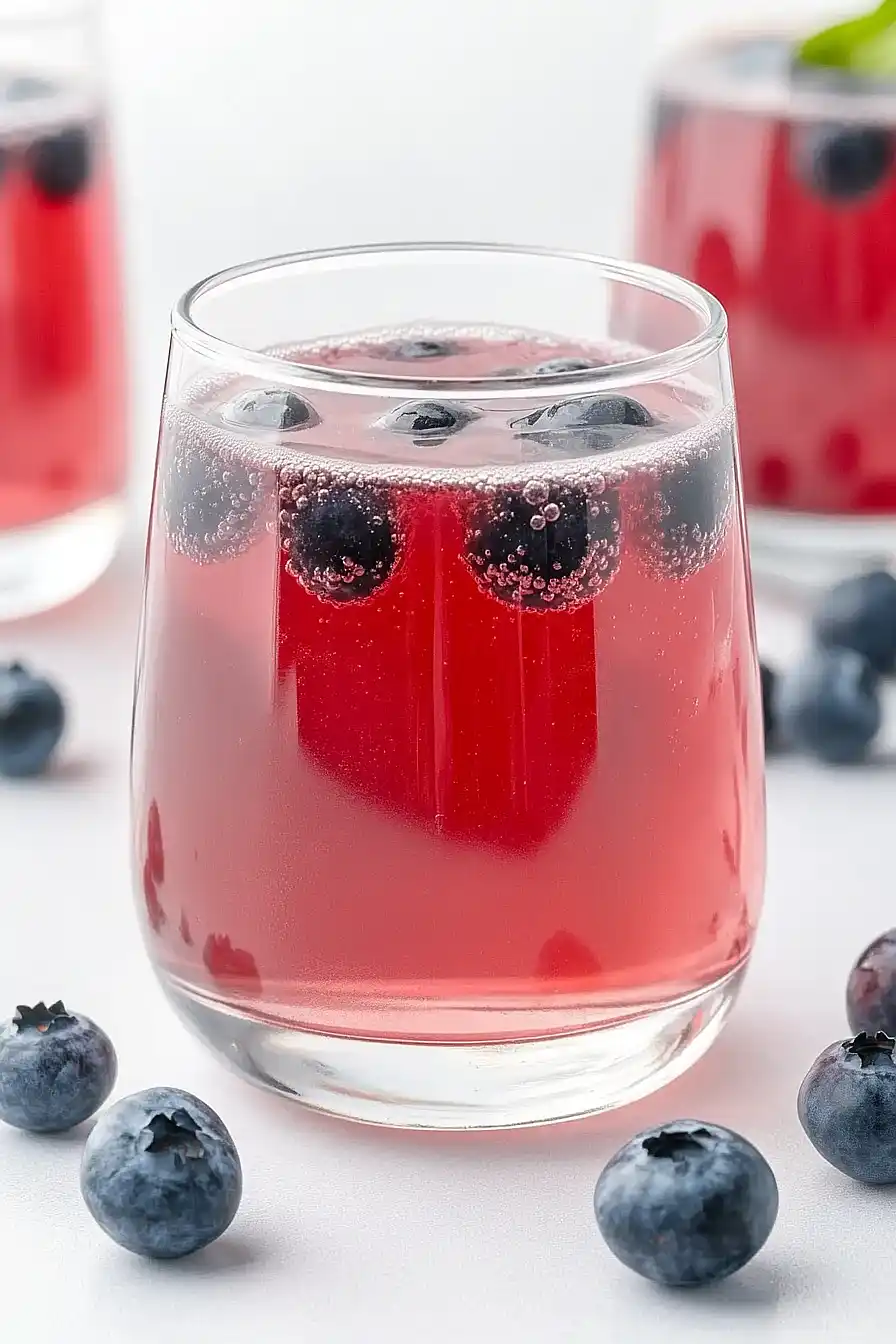
Why You’ll Love This Blueberry Kombucha
- Cost-effective – Making your own flavored kombucha at home costs a fraction of store-bought versions, saving you money while letting you control the ingredients.
- Natural ingredients – With just fresh blueberries, sugar, and kombucha, you’re creating a healthy probiotic drink without any artificial additives or preservatives.
- Customizable flavor – You can adjust the sweetness and fermentation time to match your taste preferences, and even experiment with adding lemon zest or ginger for extra zip.
- Gut-healthy drink – This homemade kombucha combines the probiotic benefits of fermented tea with the antioxidant power of blueberries, making it both tasty and good for you.
What Kind of Blueberries Should I Use?
Both fresh and frozen blueberries work great for making kombucha, so you can use whichever is more convenient or in season. Fresh blueberries will give you a slightly brighter flavor, but frozen ones are often more affordable and work just as well since they’ll be cooked down anyway. If you’re using fresh berries, look for ones that are firm and deep blue in color with a slight silvery frost on the skin – this is actually a good sign and shows they’re fresh. When using frozen blueberries, regular supermarket brands are perfectly fine, and you don’t need to thaw them before starting the recipe since they’ll be heated with water and sugar.
Options for Substitutions
Making kombucha at home allows for lots of fun flavor variations! Here are some helpful substitution tips:
- First fermentation kombucha: This is a must-have base ingredient that can’t be substituted – you’ll need real kombucha from a first fermentation with a SCOBY. Store-bought won’t work for this recipe as it’s already carbonated and flavored.
- Blueberries: You can swap blueberries with other berries like strawberries, raspberries, or blackberries. Just keep the same amount. You could even try other fruits like peaches, mangoes, or cherries!
- Sugar: Plain white sugar works best, but you can use honey or maple syrup instead. Keep in mind that honey might make the fermentation a bit slower, so you might need an extra day.
- Lemon zest: Feel free to skip this or try orange zest instead. If using ginger, you can substitute with turmeric root or a pinch of cinnamon for different flavor profiles.
- Water: This is used to make a quick fruit syrup – stick with plain water as other liquids might affect the fermentation process.
Watch Out for These Mistakes While Brewing
The biggest challenge when making blueberry kombucha is getting the carbonation right – too much sugar during the second fermentation can lead to explosive bottles, so always leave at least 1 inch of headspace at the top of your bottles and “burp” them daily by quickly opening and closing the lids.
Temperature control is crucial during fermentation – keeping your bottles in a too-cold spot (below 68°F) will result in flat kombucha, while too-warm conditions (above 80°F) can speed up fermentation unpredictably and create off-flavors.
A common mistake is using metal utensils or containers, which can react with the acidic kombucha and affect both taste and fermentation – stick to glass, plastic, or wooden tools when handling your brew.
For the smoothest flavor, strain out the fruit pulp before bottling your final kombucha, and remember that darker bottles stored in a cool, dark place will help maintain the probiotics and prevent the growth of unwanted bacteria.
What to Serve With Blueberry Kombucha?
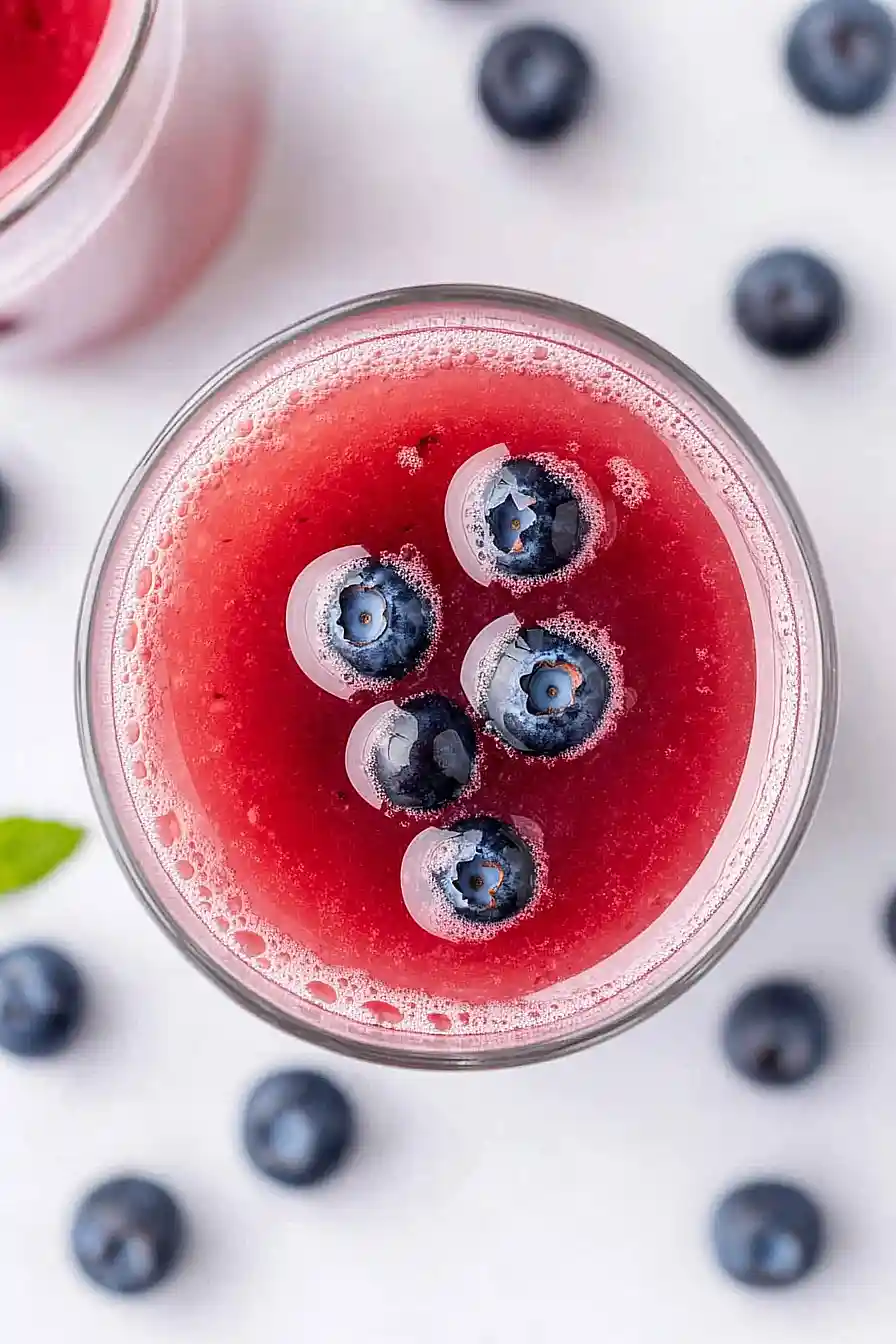
This refreshing blueberry kombucha makes a perfect companion to light breakfast or brunch dishes. I love serving it alongside a bowl of yogurt topped with granola and fresh berries, which really complements the fruity notes in the drink. For afternoon sipping, try pairing it with light snacks like almonds or cucumber sandwiches – the fizzy tartness helps cut through any richness. Since kombucha aids digestion, it’s also great to serve before or after a meal, especially with dishes that might be a bit heavy on the stomach.
Storage Instructions
Bottle: After your second fermentation is complete, transfer your blueberry kombucha to airtight bottles with swing-top caps. The bottles should be stored in the refrigerator, where they’ll stay fizzy and fresh for 1-2 weeks. Remember to ‘burp’ the bottles daily if storing at room temperature to prevent too much pressure build-up.
Keep Cold: Once your kombucha is carbonated to your liking, pop it in the fridge! Cold temperatures slow down the fermentation process and help maintain that perfect level of fizz. Plus, it tastes so much better when it’s nice and chilled.
Serve: When you’re ready to enjoy your kombucha, pour it slowly into glasses to control the fizz. If you see any floating bits, that’s totally normal – they’re just natural byproducts of fermentation. You can strain them out if you prefer, but they’re completely safe to drink.
| Preparation Time | 15-20 minutes |
| Cooking Time | 20-30 minutes |
| Total Time | 3-10 days (fermentation time not included in active time) |
| Level of Difficulty | Medium |
Estimated Nutrition
Estimated nutrition for the whole recipe (without optional ingredients):
- Calories: 200-250
- Protein: 1-2 g
- Fat: 0-1 g
- Carbohydrates: 50-60 g
Ingredients
For the blueberry base:
- 1 tsp lemon zest (finely grated, optional for brighter flavor)
- 1/2 cup water
- 1/2 cup blueberries (fresh or frozen, I use Wyman’s Wild Blueberries)
- 1 tbsp granulated sugar
For the kombucha:
- 8 cups kombucha (from primary fermentation, unflavored)
Step 1: Cook the Blueberry Base
- 1/2 cup blueberries, fresh or frozen
- 1/2 cup water
- 1 tbsp granulated sugar
- optional: 1 tsp lemon zest or small piece fresh ginger
In a medium saucepan, combine the blueberries, water, and granulated sugar.
If desired, add lemon zest or a small piece of fresh ginger for extra flavor.
Cook, uncovered, over medium heat until the berries burst and release their juices.
Use a spoon or masher to mash the berries slightly, creating a thick, flavorful liquid.
Once cooked, remove from heat and let the mixture cool to room temperature.
To speed up the cooling process, you can set the pan in a sink filled with cold water.
I like to add lemon zest for a zesty brightness, but ginger adds a lovely warmth too.
Step 2: Mix Blueberry Base with Kombucha
- cooled blueberry mixture from Step 1
- 8 cups kombucha from initial fermentation (not store-bought)
Once the blueberry mixture has cooled to room temperature, transfer it to a large glass bowl or pitcher.
Stir in the kombucha from initial fermentation, ensuring everything is well combined.
This creates your flavored kombucha base.
Step 3: Bottle the Kombucha
- blueberry kombucha mixture from Step 2
Pour the combined blueberry kombucha mixture into clean fermentation bottles, leaving about 2 inches of empty space at the top of each bottle.
Seal the bottles tightly to prepare for secondary fermentation.
I always make sure the bottles are really clean at this step to keep the kombucha tasting fresh.
Step 4: Ferment for Carbonation
Store the sealed bottles in a dark, room temperature area for 3 to 10 days.
Allow the kombucha to ferment until it reaches your preferred level of carbonation.
The timeframe can vary depending on the temperature of your space—a warmer environment speeds up fermentation, while a cooler one slows it down.
Step 5: Strain, Chill, and Serve
Once the kombucha is carbonated to your liking, strain it to remove any fruit pulp if desired.
Chill the bottles in the fridge before serving for the best flavor.
The kombucha can be stored tightly sealed in the refrigerator for several weeks.
For a refreshing twist, I like to pour the chilled kombucha over ice with a slice of lemon.

