Trees can make a significant impact on the appearance and atmosphere of a spacious property. They offer shade and can even increase the value of your land. When you have ample space, choosing the right trees becomes an exciting opportunity. You can consider larger species that create impressive canopies or provide abundant fruit.
The good news is that many beautiful, low-maintenance trees thrive in larger areas. You can find options that look great year-round, produce colorful blossoms, or add a majestic presence to your landscape.
We’ve compiled a list of 10 trees that are perfect for large yards, helping you make the most of your expansive outdoor space while adding beauty and functionality.
Red Maple
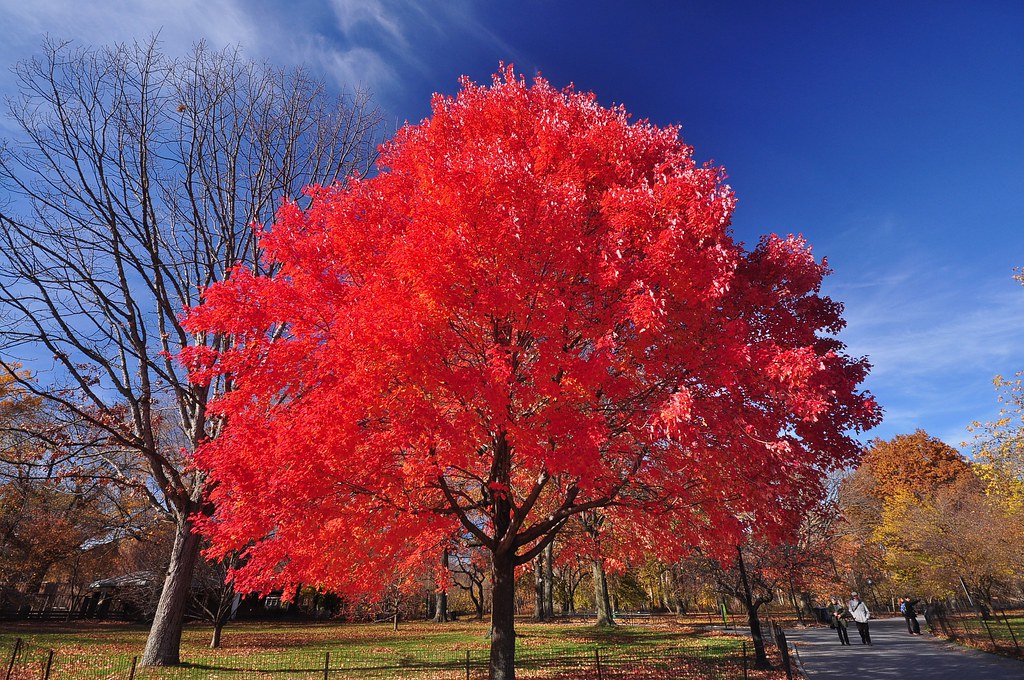
Red maple trees are renowned for growing quickly; in just 20 to 30 years, they can frequently reach heights of 40 to 60 feet. Fall planting is ideal since the soil is still sufficiently warm to promote root development before winter. These trees, which usually flourish in US Hardiness Zones 3 through 9, show a great deal of tolerance to a variety of climatic circumstances, which makes them a sensible option for many landscapes around the nation.
Oak Tree
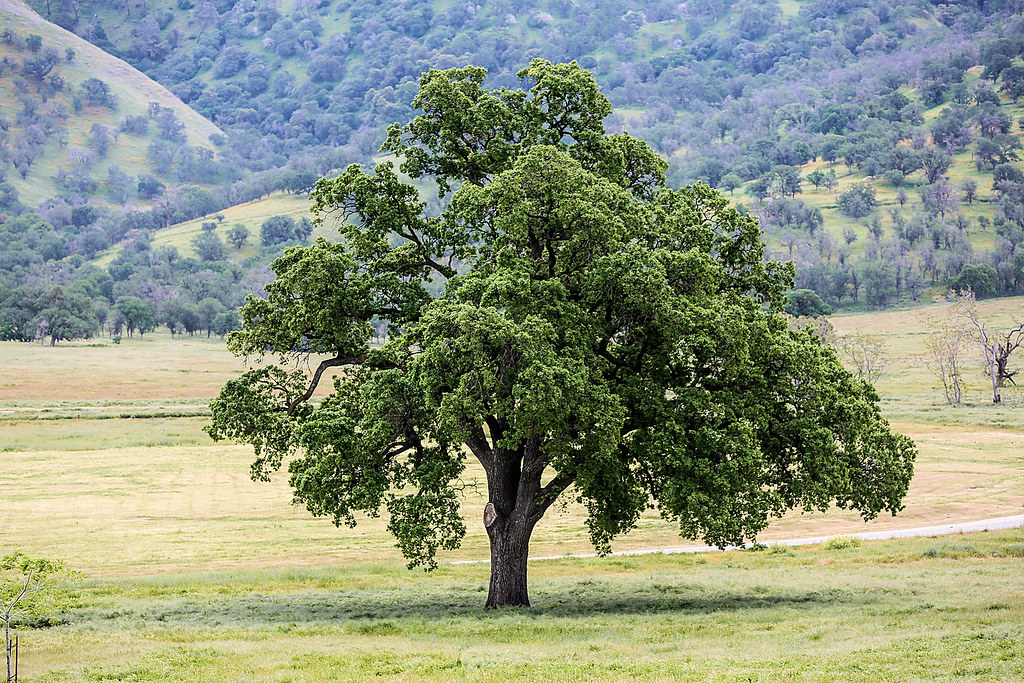
Oak trees develop at a leisurely pace, maturing over several decades on average. Some oak species are well-known for having remarkably long lifespans; they can survive for centuries and give generations of people shade and cover. Because they are acclimated to a variety of temperatures, oak trees may grow in many US Hardiness Zones; many of them thrive in Zones 3 through 9, which allows them to adapt to a wide range of situations.
Magnolia
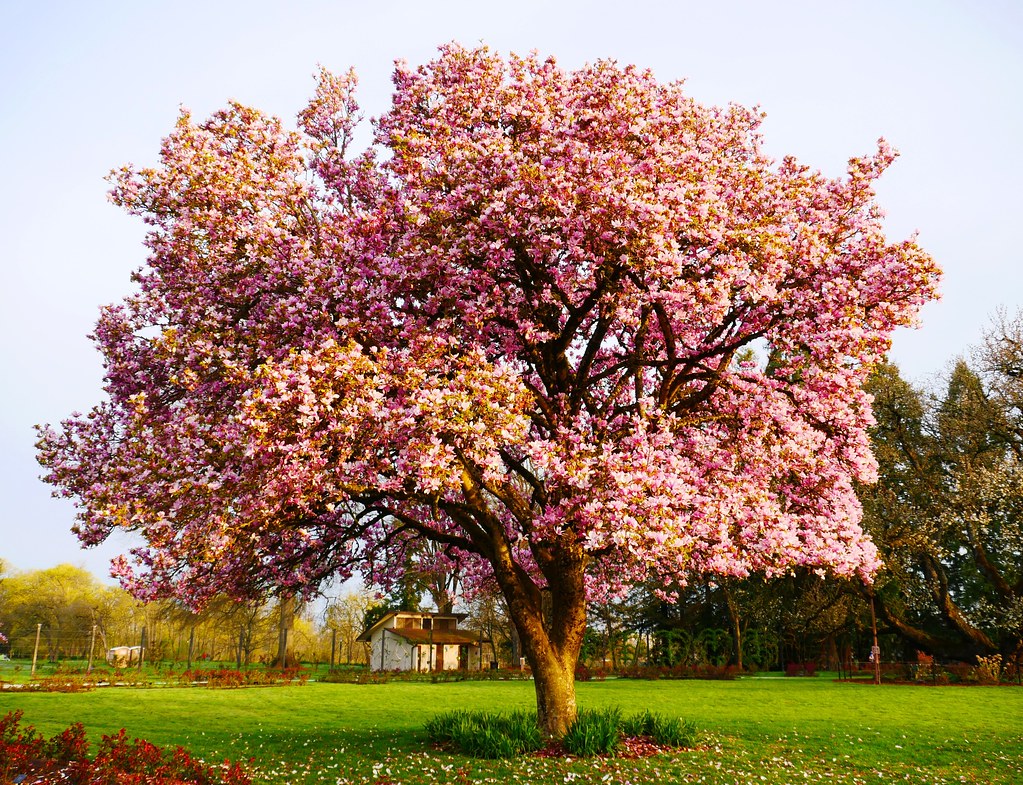
Many gardeners choose magnolia trees because of their reputation for disease resistance. Large, glossy leaves that can change to shades of gold in the fall are another way they display the apparent seasonal variations. Magnolias should normally be planted in the early spring or fall to give them time to establish roots before severe weather. Well-known cultivars such as “Southern Magnolia” and “Saucer Magnolia” are prized for their unusual foliage and blossoms.
Weeping Willow
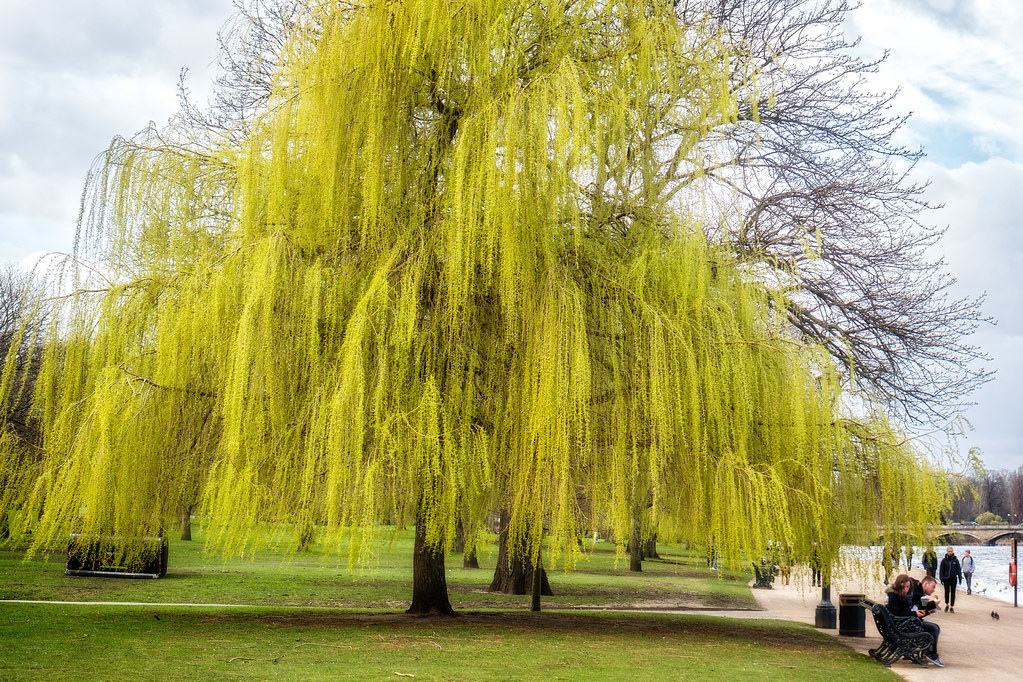
For best development, weeping willows should be planted in the fall or spring. They prefer to grow in damp conditions. Known for their fast growth rate, these trees can quickly reach significant heights, often adding several feet per year. Despite their exquisite beauty, they require close maintenance and monitoring due of their great sensitivity to diseases, especially fungal infections.
Sycamore
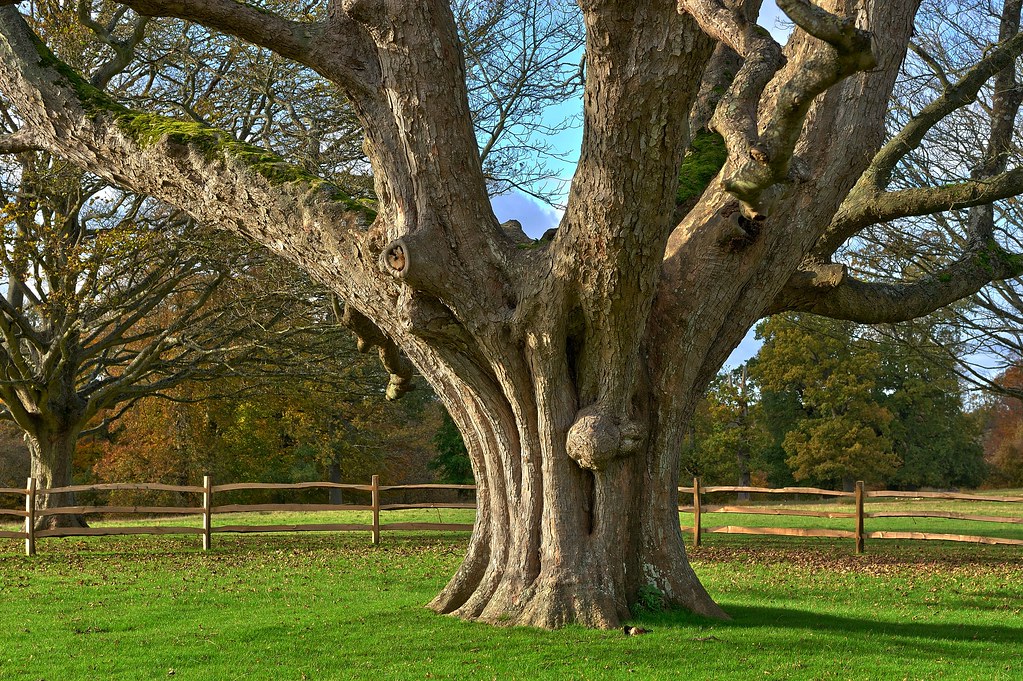
The sycamore tree grows quickly and can tolerate a wide range of soil types. It can grow as high as 70–100 feet. It is usually planted in the spring or fall and is quite adaptable to the many seasons, with green foliage that turns yellow in the fall. This tree needs plenty of room to spread its strong roots and avoid interfering with nearby constructions.
Japanese Maple
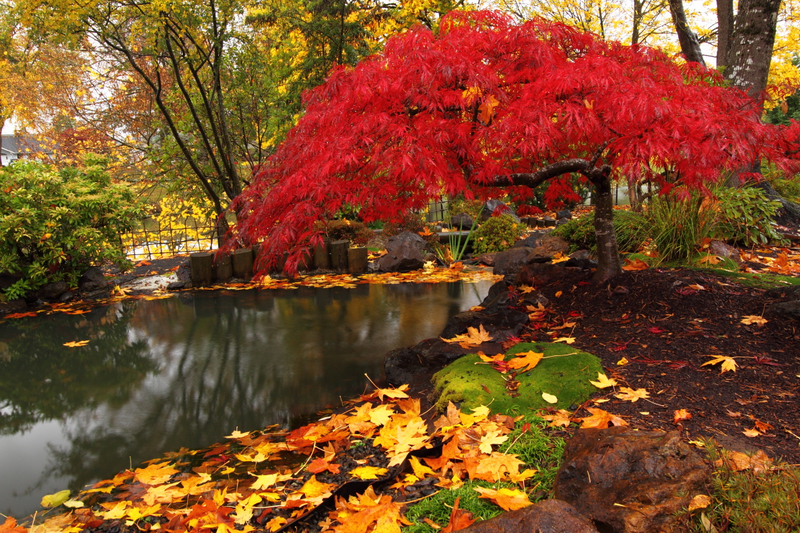
Japanese maples come in a range of well-known varieties, including ‘Bloodgood,’ which is recognized for its deep red color, and ‘Tamukeyama,’ which has lacy leaves. They can be planted in early spring or late fall. These trees are adaptable and may thrive in a variety of climates, especially in US Hardiness Zones 5-8. They also grow at a slow pace; they normally reach a height of 15 to 25 feet, offering steady development with little hassle.
Ginkgo
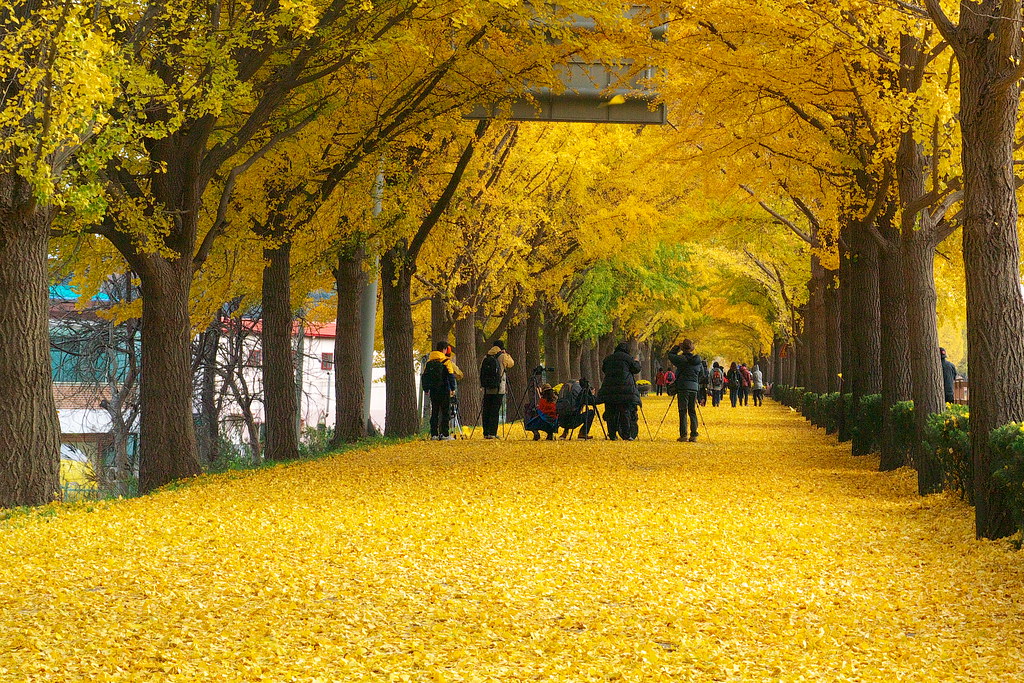
Because of their excellent resilience to disease, ginkgo trees are a low-maintenance choice for urban settings. They are best planted in the spring or fall, although they can be planted at any time of year. The Ginkgo tree is distinguished by its brilliant yellow leaf in the fall, which announces a dramatic change in the seasons and infuses interest into any garden.
Douglas Fir
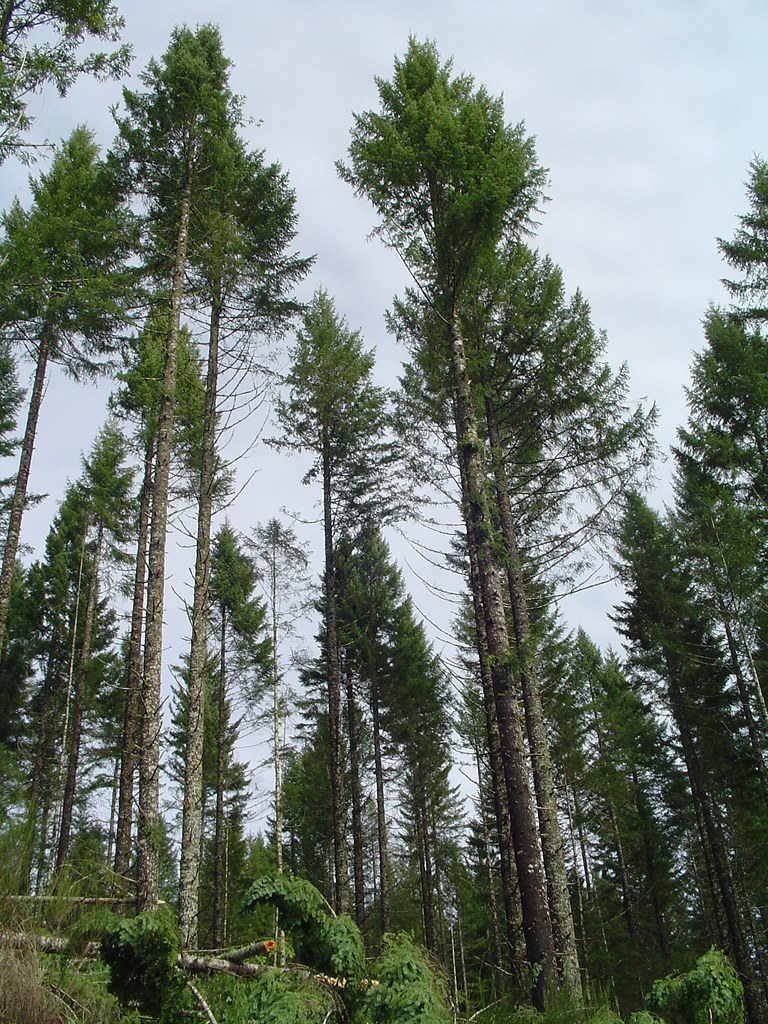
For best development, Douglas Fir is frequently planted in the early spring. Its wide root system offers stability in a variety of soil types. It is appropriate for a variety of climates because it is found in the US Hardiness Zones 4 through 6. Because of its moderate resilience to disease, the tree requires less treatments to be healthy.
Sweetgum
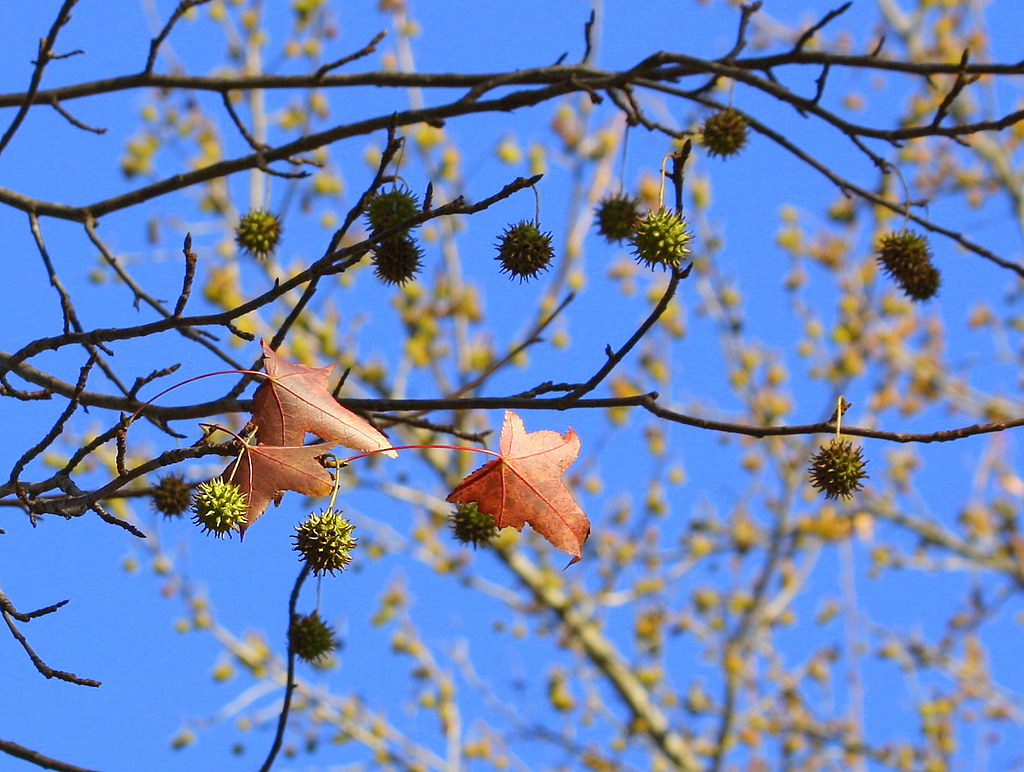
Sweetgum trees are commonly planted in US Hardiness Zones 5 through 9 during the spring or fall. Under ideal circumstances, they grow by an average of one to two feet every year. If not adequately managed, their large and shallow root systems may result in issues with sidewalks and foundations.
Sugar Maple
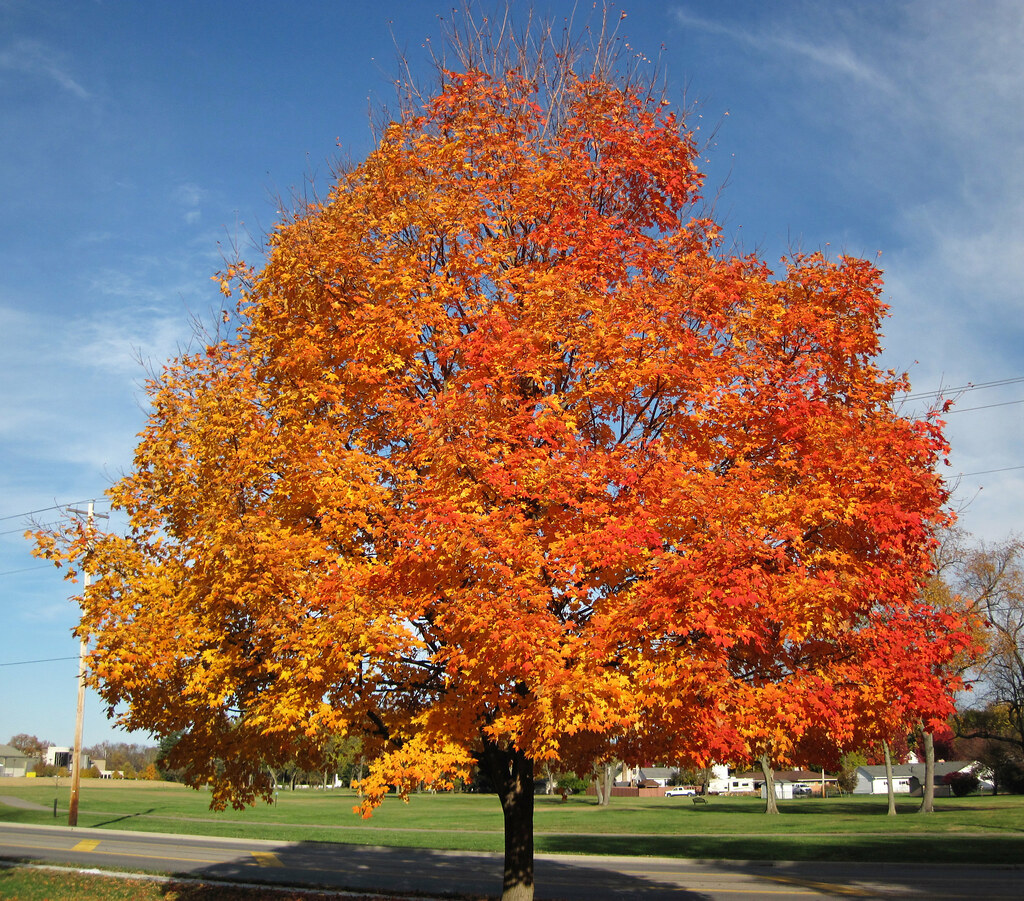
Usually planted in early spring or fall when the weather is mild, sugar maple trees are prized for their eye-catching autumn leaves in tones of orange, yellow, and red. In ideal circumstances, they grow 12 to 24 inches taller annually at a moderate rate. Sugar maples are a long-term addition to any landscape, growing best in US Hardiness Zones 3 through 8. They can live for over 100 years in these zones.

