Peonies are honestly one of the most rewarding flowers you can grow — but they can also be surprisingly easy to mess up. If yours keep struggling or just won’t bloom, chances are you’re doing at least one thing wrong without even knowing it.
The good news? Most of these mistakes are totally fixable once you know what they are. Keep reading, because some of these might really surprise you!
1.) Overwater Your Peony

Peonies hate wet feet. If you water them too often or let them sit in soggy soil, the roots will rot fast — and that’s usually a death sentence for the plant. They actually prefer drier conditions once they’re established.
A good rule of thumb is to water deeply but infrequently, about once a week during dry spells. Make sure the soil drains well. If you’re in a rainy region, you might barely need to water at all.
2.) Plant in Full Shade
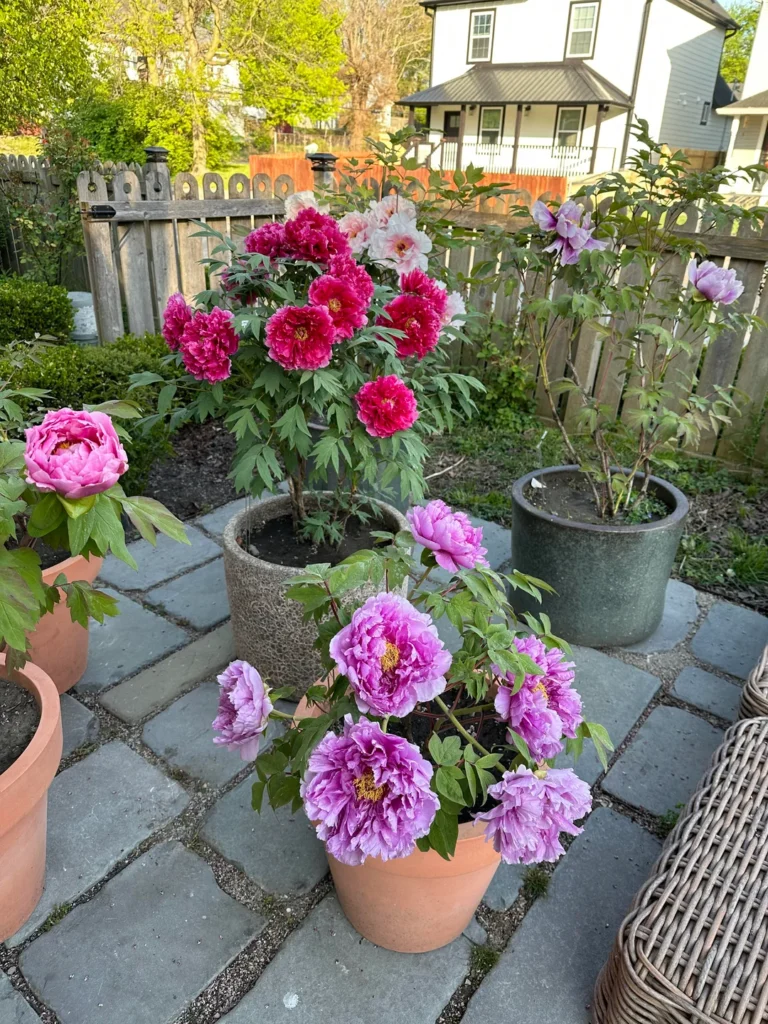
Peonies need at least 6 hours of direct sunlight each day to bloom properly. Plant them in a shady spot and you’ll end up with a sad, leafy plant that never flowers — no matter how well you water or fertilize it.
If your yard doesn’t get much sun, peonies just aren’t the right fit. Pick a sunny border or open bed where they can soak up as much light as possible, especially in the morning hours.
3.) Bury the Crown Too Deep

Peonies are picky about one thing above all else — how deep you plant them. The crown, which is the spot where the roots meet the stems, needs to sit no more than one to two inches below the soil surface. Go deeper than that, and your peony may never bloom.
This is one of the most common reasons people end up with a healthy-looking plant that just refuses to flower year after year. If blooms are missing, check the planting depth first.
4.) Cut Back Foliage Too Early

Cutting back your peony’s foliage too soon after it blooms is a pretty common mistake, and it can seriously hurt the plant’s chances next season. Those leaves are still hard at work pulling energy from the sun and sending it back down to the roots.
Wait until fall, after the first frost has killed off the foliage naturally. Then cut it back to about 2 to 3 inches above the ground. Your peony will thank you come spring.
5.) Transplant During Blooming Season

Moving a peony while it’s blooming is a recipe for disaster. The plant is already putting so much energy into those flowers, and digging it up at that point adds way too much stress all at once.
If you need to transplant, wait until fall when the plant has gone dormant. That’s when peonies handle being moved the best. Dig up the whole root clump, replant it about two inches deep, and give it time to settle in before winter hits.
6.) Use High-Nitrogen Fertilizer

Peonies are not heavy feeders, so loading them up with high-nitrogen fertilizer is a big mistake. Nitrogen pushes plants to grow lots of leaves, but for peonies, that means fewer blooms and a whole lot of green fluff.
If you want to fertilize, go for a low-nitrogen, phosphorus-rich formula in early spring. A balanced 5-10-10 blend works well. Apply it lightly around the drip line, not right at the base, and let the plant do its thing.
7.) Remove All Ants from Buds
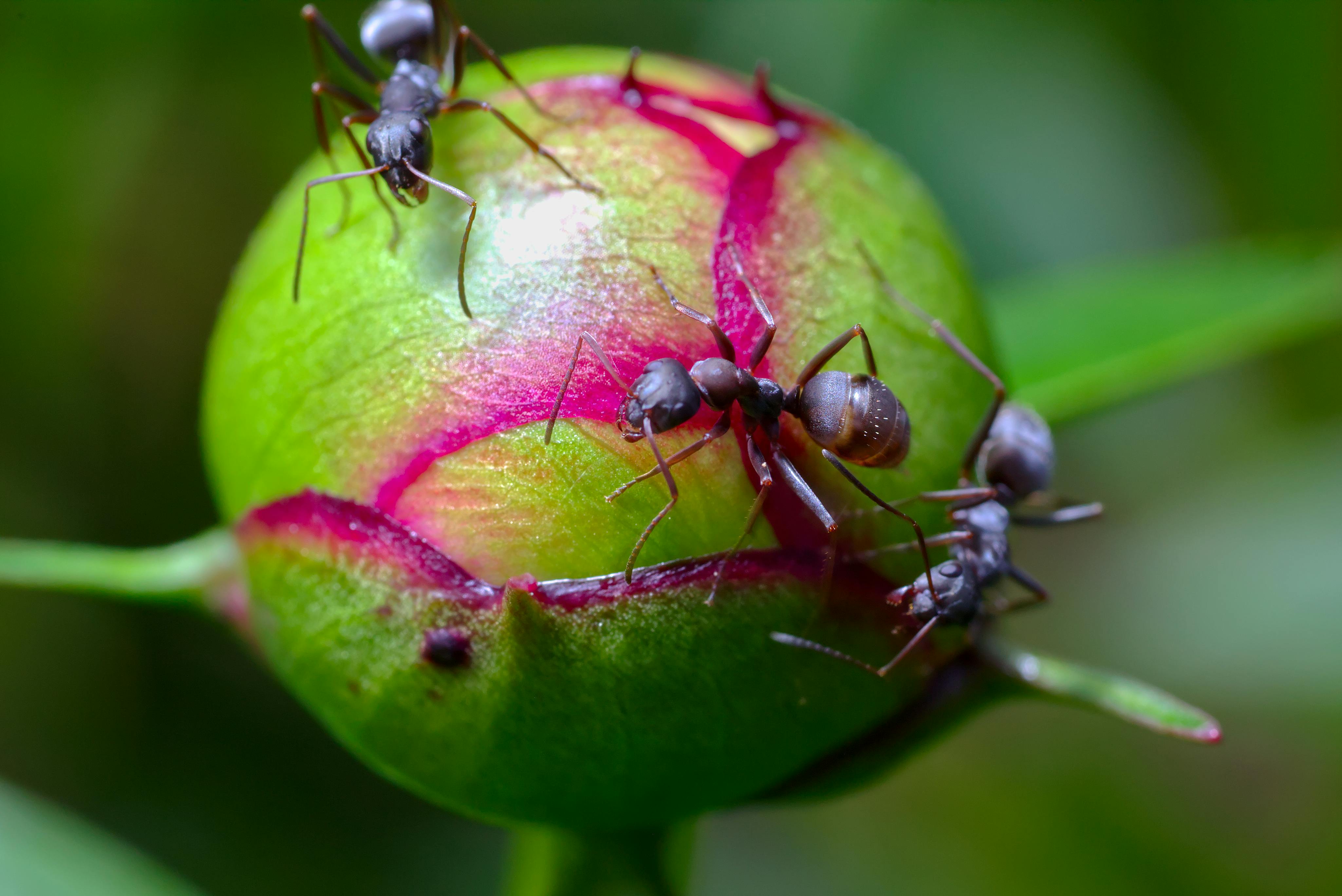
If you spot ants crawling all over your peony buds, don’t rush to get rid of them. Ants are actually drawn to the sweet nectar the buds produce, and they don’t harm the plant at all. In fact, they may help keep other pests away.
Trying to remove them with sprays or pesticides can damage your blooms before they even open. Just leave the ants alone, and your peonies will open up just fine on their own schedule.
8.) Deadhead Before Petals Drop

Waiting too long to deadhead your peony is a mistake that can cost you next year’s blooms. Once a flower starts to fade, the plant shifts its energy toward making seeds instead of storing it in the roots for next season.
Snip off spent blooms as soon as the petals start looking tired — don’t wait until they fall off on their own. Cut just above a healthy leaf, and your plant will thank you come spring.
9.) Divide Clumps Every Year

Peonies like being left alone underground, and dividing them too often is one of the quickest ways to stress them out. If you dig up and split the clumps every year, you’re constantly interrupting their root system right when it’s trying to settle in.
These plants actually do better when they stay undisturbed for years at a time. If you really need to divide, wait at least five years and do it in the fall when the plant is dormant.
10.) Ignore Fungal Disease Signs

Peonies are pretty tough plants, but they’re no match for fungal diseases like botrytis blight, which can spread fast and wipe out your blooms before you even get to enjoy them. If you spot gray mold, wilting stems, or dark spots on the leaves, don’t just hope it goes away.
Act quickly by removing the affected parts and treating with a fungicide. Make sure your plants have good air circulation and aren’t sitting in soggy soil, especially in cool, wet spring weather.