Want to grow your own luffa?
It’s easier than you think!
Luffa sponges come from a unique plant. With the right tactics, you can grow them at home.
Here are 10 simple steps to help you get started.
Let’s grow some luffa!
Choose the Right Variety
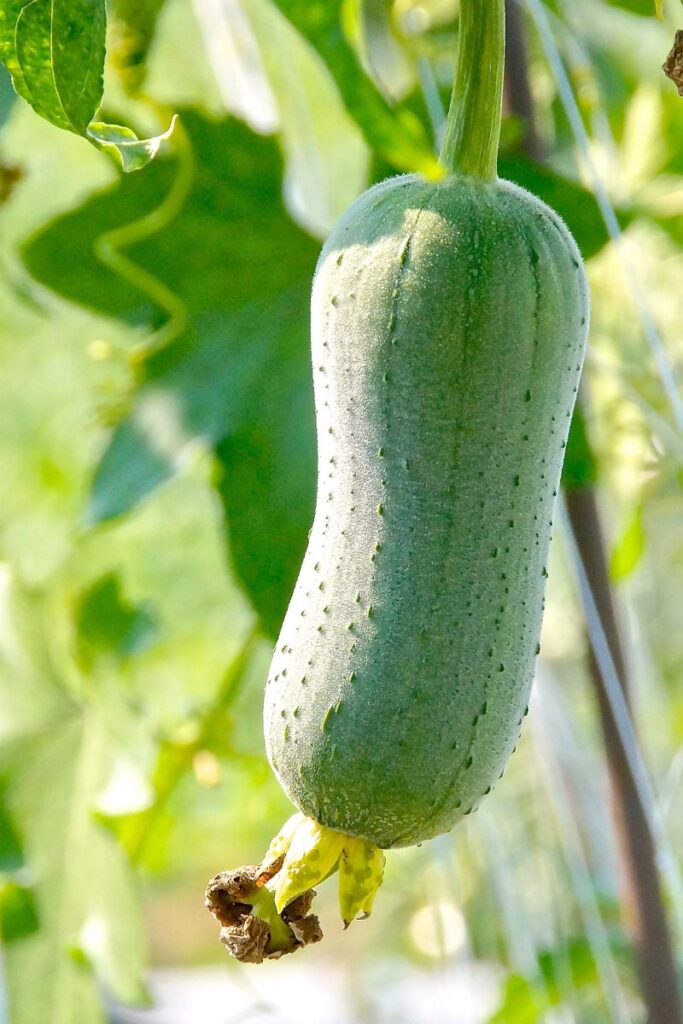
So, the first thing you gotta do is choose the right variety of luffa. There are mainly two types – the smooth luffa and the ridged luffa.
The smooth kind is usually better for cooking, while the ridged ones are perfect for making those awesome, natural sponges.
Prep Your Soil
Luffa plants love well-draining soil with lots of organic matter. Think compost, old leaves, and that kind of stuff.
So before planting, work all that goodness into your garden bed. Aim for soil that’s rich and loamy.
Start Indoors
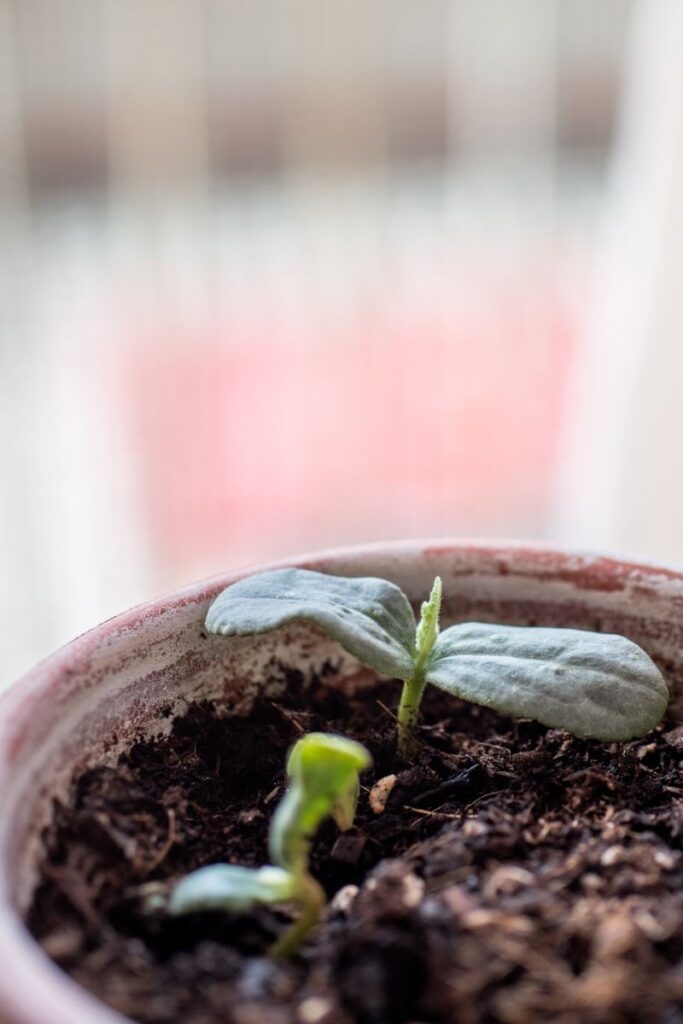
Get a head start by sowing luffa seeds indoors about 6-8 weeks before the last frost date. Use seed-starting trays and keep them in a warm, sunny spot.
Transplant them outdoors once it warms up, and they have a few sets of leaves.
Plant in Full Sun
Luffa plants are total sun-worshippers. Ensure you plant them in a spot that gets at least 6-8 hours of direct sunlight every day.
The more sun, the better your luffa will grow.
Provide Support
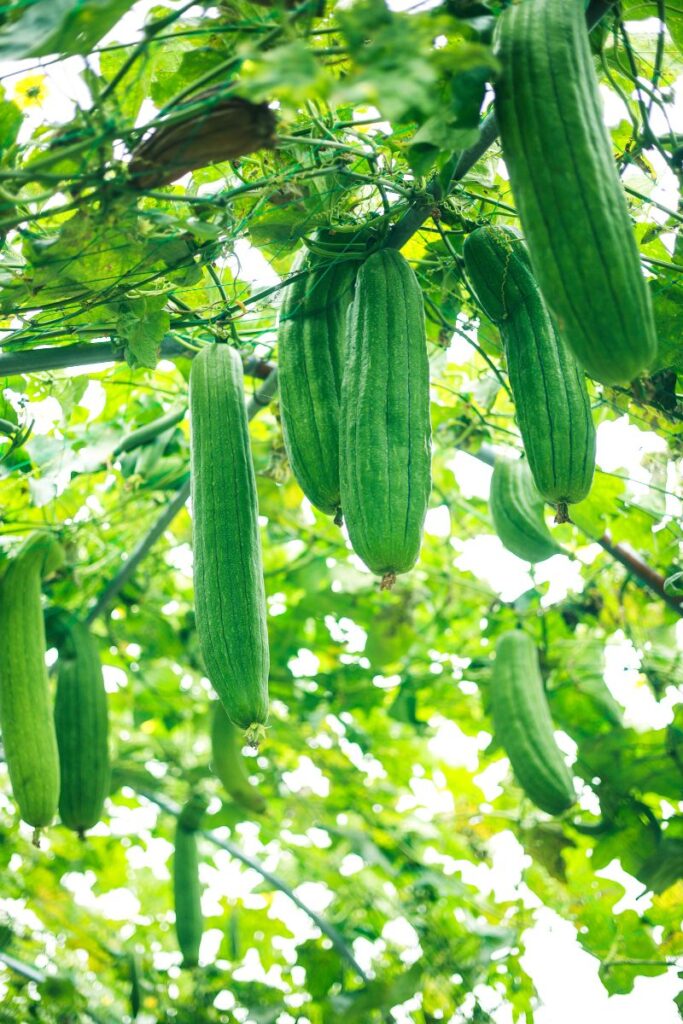
These plants love to climb. Set up a sturdy trellis or fence for your luffa vines to scramble over.
Trust me; it makes a world of difference. Plus, the fruits will grow straighter and cleaner.
Water Regularly
Luffa plants don’t like to dry out. Water them deeply and regularly, especially in hot, dry weather.
But be careful not to overdo it; soggy soil can lead to root rot.
Fertilize Occasionally
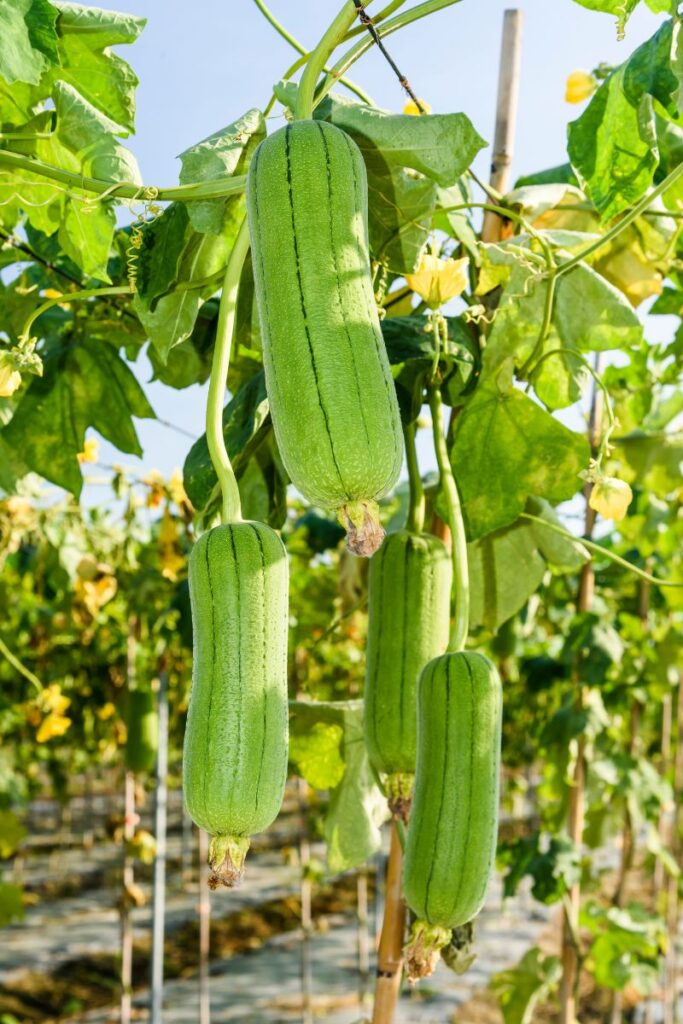
While luffas aren’t too fussy, they do appreciate the occasional feed. Use a balanced fertilizer every 4-6 weeks to keep your plants happy and thriving.
More nutrients mean bigger, better luffas!
Watch for Pests
Keep an eye out for common garden pests like aphids and beetles. If you see any, remove them by hand or use an organic pesticide.
A little vigilance goes a long way in keeping your plants healthy.
Harvest at the Right Time
Timing is everything. For cooking, pick the luffas when they’re about 6-8 inches long and still tender.
If you’re growing them for sponges, let the fruits mature fully on the vine until they turn brown and feel lightweight.
Prepare Your Sponges
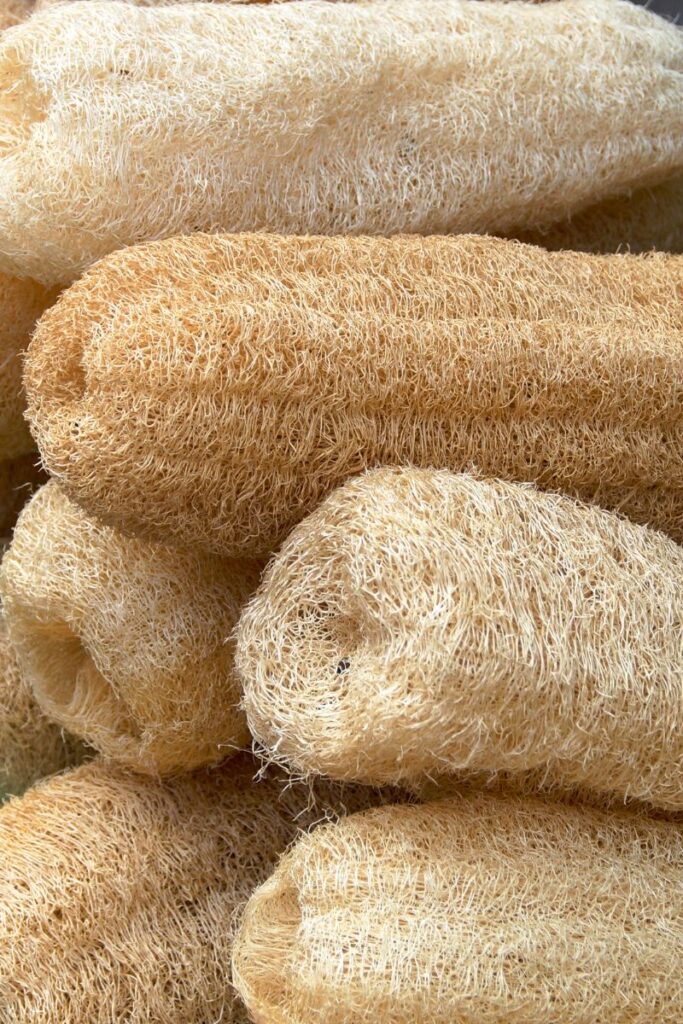
Once harvested, peel the skin off, shake out the seeds, and voilà! You’ve got natural sponges.
Rinse them well, let them dry, and they’re ready for use. Pro tip: Save some seeds for next year’s planting!