Want to grow your own Tulsi plant?
Starting from seeds is easier than you think!
Check out these 10 simple tactics to help your Tulsi thrive.
You’ll have a lush, healthy plant in no time.
Let’s get planting!
Get Your Seeds Ready
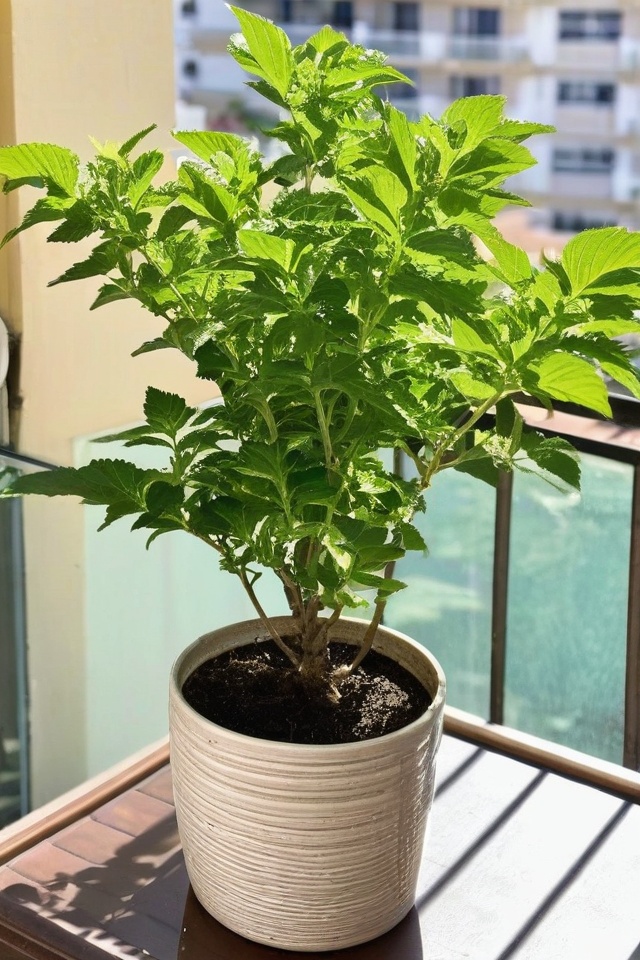
Before you can start growing tulsi, you’ll need some seeds. You can easily buy them online or from a local nursery.
Make sure to pick good quality seeds for better results. Once you have your seeds, you can move on to the next steps.
Soak the Seeds
Tulsi seeds need a little prep before planting. Soak the seeds in water for about 24 hours.
This helps soften the seed coat and speeds up germination. Just put the seeds in a bowl of water and let them sit.
Easy peasy!
Select the Perfect Spot

Tulsi loves sunlight! Pick a spot where your plant can get at least 6-8 hours of direct sunlight every day.
Whether you’re using a pot or planting in your garden, make sure the spot is sunny and warm. A south-facing window works wonders if you’re growing indoors.
Prepare the Soil
The soil you use should be well-draining and rich in organic matter. Mix in compost or organic fertilizer to give your tulsi a nutritious start.
If you’re using a pot, make sure it has drainage holes to prevent waterlogging. Tulsi roots don’t like to sit in water!
Plant the Seeds

Plant your tulsi seeds about 1/4 inch deep in the soil. If you’re planting in a pot, sprinkle a few seeds and cover them lightly with soil.
Keep the soil moist, but not soggy. Don’t worry if it takes a while for them to sprout; it can take 1-2 weeks for the seeds to germinate.
Water with Care
Water your tulsi plant regularly, but be careful not to overwater. The soil should be moist but not waterlogged.
Water in the morning to give the plant plenty of time to absorb the moisture before the sun gets too hot.
Thin Out the Seedlings
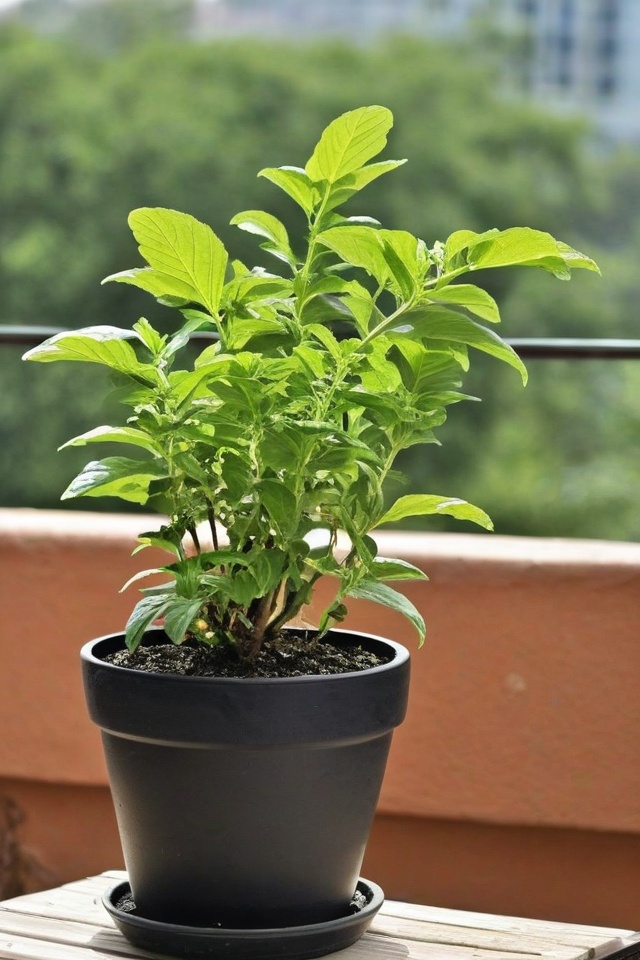
Once your tulsi seedlings have grown to about 2-3 inches tall, thin them out. This means removing some of the weaker plants to give the stronger ones more space to grow.
Aim to keep about a 12-inch gap between each plant for optimal growth.
Keep an Eye on Pests
Tulsi plants are generally hardy, but they can still attract pests like aphids and spider mites. Check your plant regularly and if you spot any pests, treat them right away.
You can use natural insect repellents like neem oil to keep the bugs at bay.
Prune for Healthy Growth
Prune your tulsi plant regularly to encourage bushy growth. Pinch off the top sets of leaves once the plant is about 6 inches tall.
This helps the plant to branch out and become fuller. Plus, you get to use those leaves right away!
Enjoy Your Tulsi
Harvest your tulsi leaves as needed once the plant is mature. The more you harvest, the more it will grow!
Use the fresh leaves in your teas, salads, or even as a flavor boost in your cooking. Enjoy the amazing health benefits and aromatic delight of your home-grown tulsi!