Pothos plants are basically the friendliest plants out there — hard to kill and pretty easy to grow. But what if yours could grow even faster with just a few simple tweaks?
That’s exactly what this list is all about. These 13 hacks are the kind of thing experienced plant lovers swear by, and once you try them, you’ll wonder why you didn’t start sooner. Let’s get into it!
1.) Use Rooting Hormone
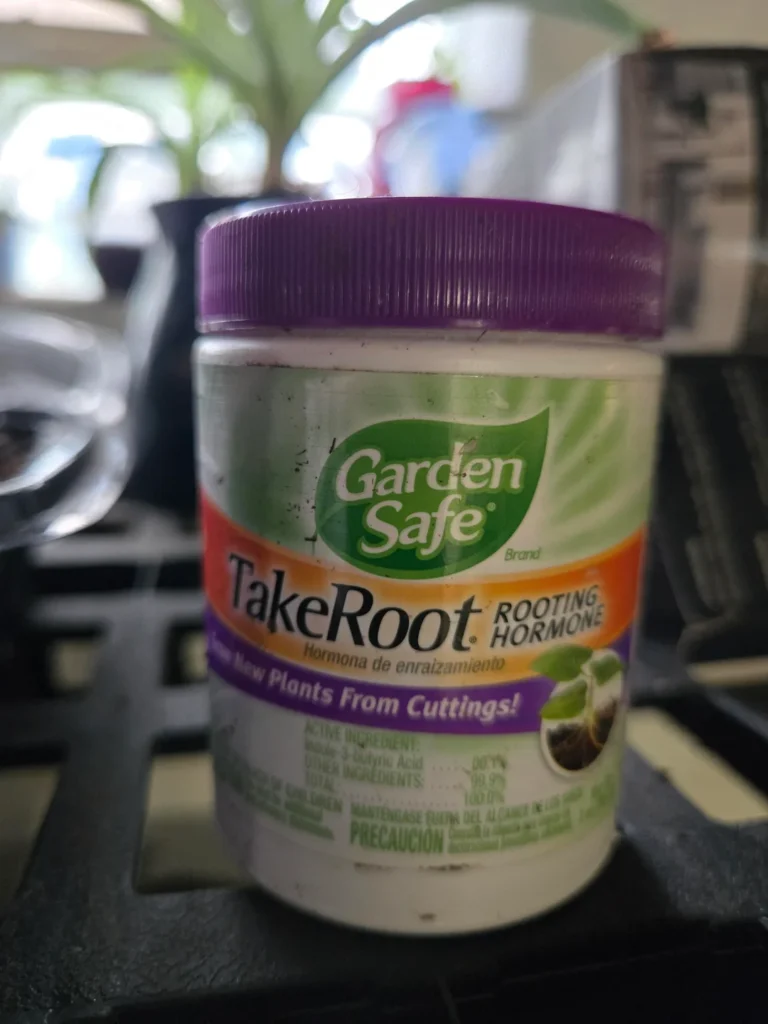
If you’re trying to grow new pothos from cuttings, rooting hormone can really speed things up. Just dip the cut end of your stem into the powder or gel before placing it in water or soil. It helps the plant develop roots faster and more reliably.
You can find rooting hormone at most garden centers or online for just a few dollars. It’s especially helpful if your cuttings have been slow to root or keep rotting before they get started.
2.) Prune Regularly for Bushiness
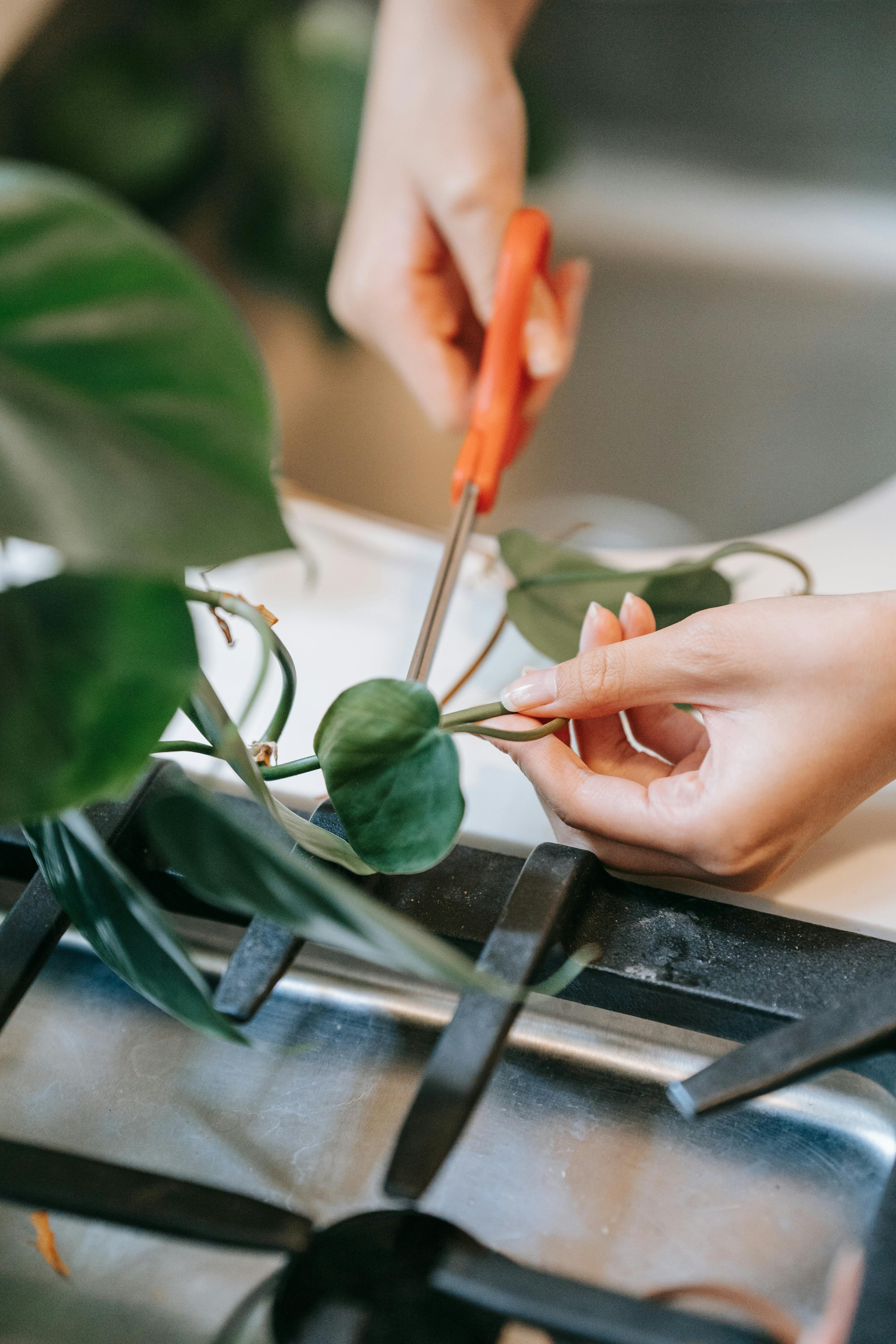
It might sound weird, but cutting your pothos actually helps it grow fuller. When you trim the vines back, the plant puts energy into producing new stems instead of just stretching out long and leggy.
Use clean scissors and snip just below a leaf node. You can do this any time of year, but spring and summer are when the plant responds fastest.
Don’t toss those cuttings either — stick them in water and you’ve got new plants growing in no time.
3.) Provide Bright Indirect Light

Pothos love light, but direct sun will scorch their leaves fast. A spot near a window with filtered light — like through a sheer curtain — is pretty much ideal. East or north-facing windows tend to work really well.
The more light your pothos gets (without burning), the faster it’ll push out new growth. If your space is on the darker side, consider a basic grow light. Even a few extra hours of good light each day can make a noticeable difference.
4.) Water When Topsoil Dries

Overwatering is one of the most common reasons pothos plants struggle. Instead of watering on a set schedule, just stick your finger about an inch into the soil. If it feels dry, go ahead and water. If it still feels damp, wait a day or two.
This simple check keeps the roots healthy and gives the plant a chance to actually absorb nutrients. Consistent but careful watering makes a real difference in how fast your pothos puts out new leaves.
5.) Add Diluted Liquid Fertilizer

Pothos are pretty low-maintenance, but they do appreciate a little boost now and then. Adding diluted liquid fertilizer during the growing season (spring and summer) can really speed things up without overwhelming the plant.
The key word here is *diluted* — use about half the recommended dose on the label. Too much fertilizer can burn the roots and do more harm than good. Once every two to four weeks is plenty to keep your pothos growing at a solid pace.
6.) Keep in Warm Temperatures

Pothos plants are tropical by nature, so they really don’t like the cold. Keeping them in temperatures between 65°F and 85°F gives them the right conditions to put out new growth consistently. Avoid placing them near drafty windows or air conditioning vents, especially in summer and winter.
If your home runs cool, try setting the pot on top of the refrigerator or near a warm appliance. That little boost in warmth can make a noticeable difference in how quickly your pothos fills out.
7.) Increase Humidity Levels

Pothos plants are native to tropical areas, so they love a bit of extra moisture in the air. If your home is on the dry side, your plant might grow more slowly than you’d like.
Try placing a small humidifier nearby or setting your pot on a tray filled with pebbles and water. As the water evaporates, it naturally raises the humidity around the plant. Aim for humidity levels between 50-70% for the best results.
8.) Propagate to Encourage Growth
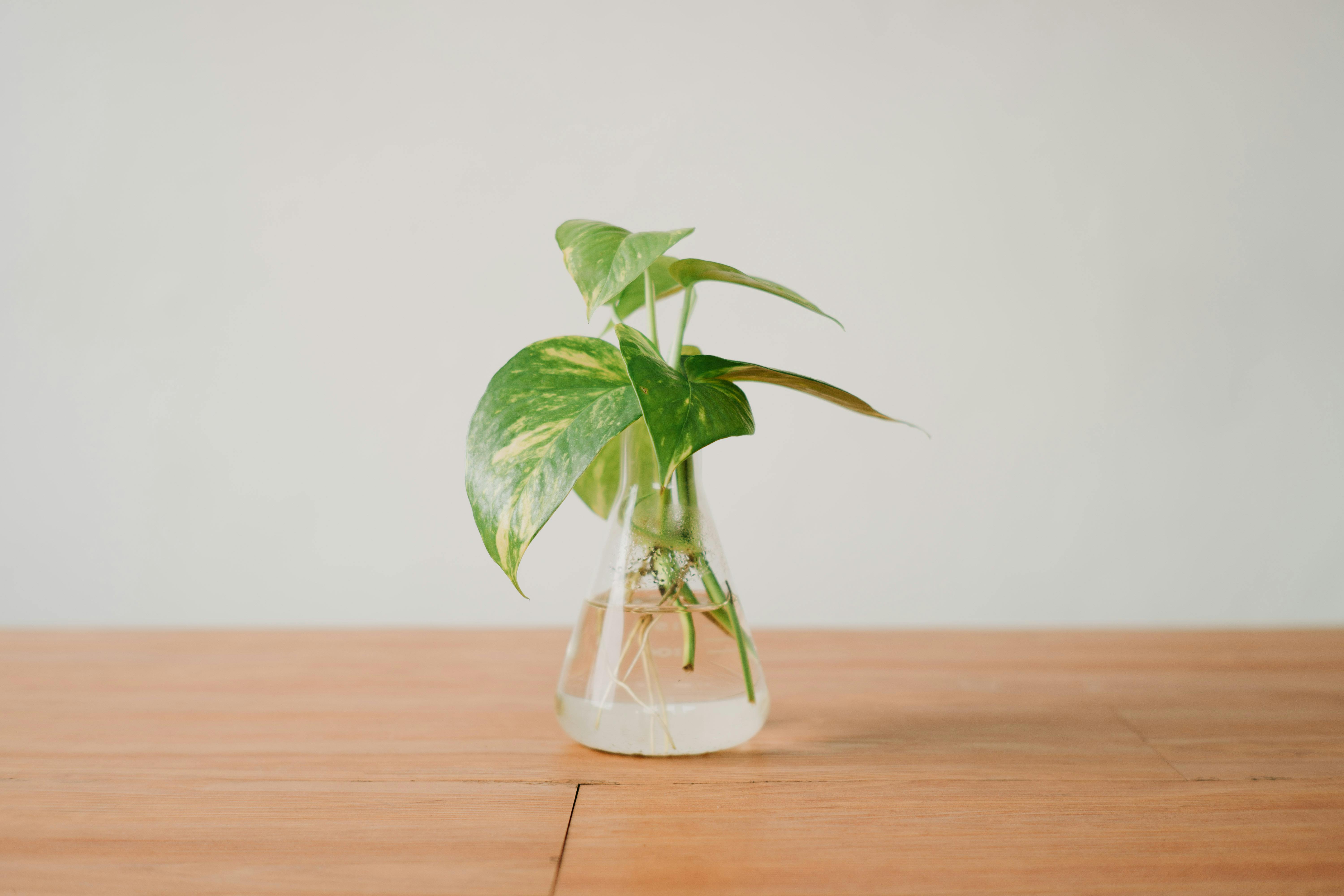
Propagating your pothos might actually help the original plant grow faster. When you snip a stem to root in water, it signals the main plant to push out new growth. It’s a pretty simple process — just cut below a node and place it in a glass of water near a bright window.
Swap the water every few days to keep it fresh and watch for roots to appear within a couple of weeks. Once rooted, pot it up and enjoy two thriving plants instead of one.
9.) Clean Leaves for Photosynthesis
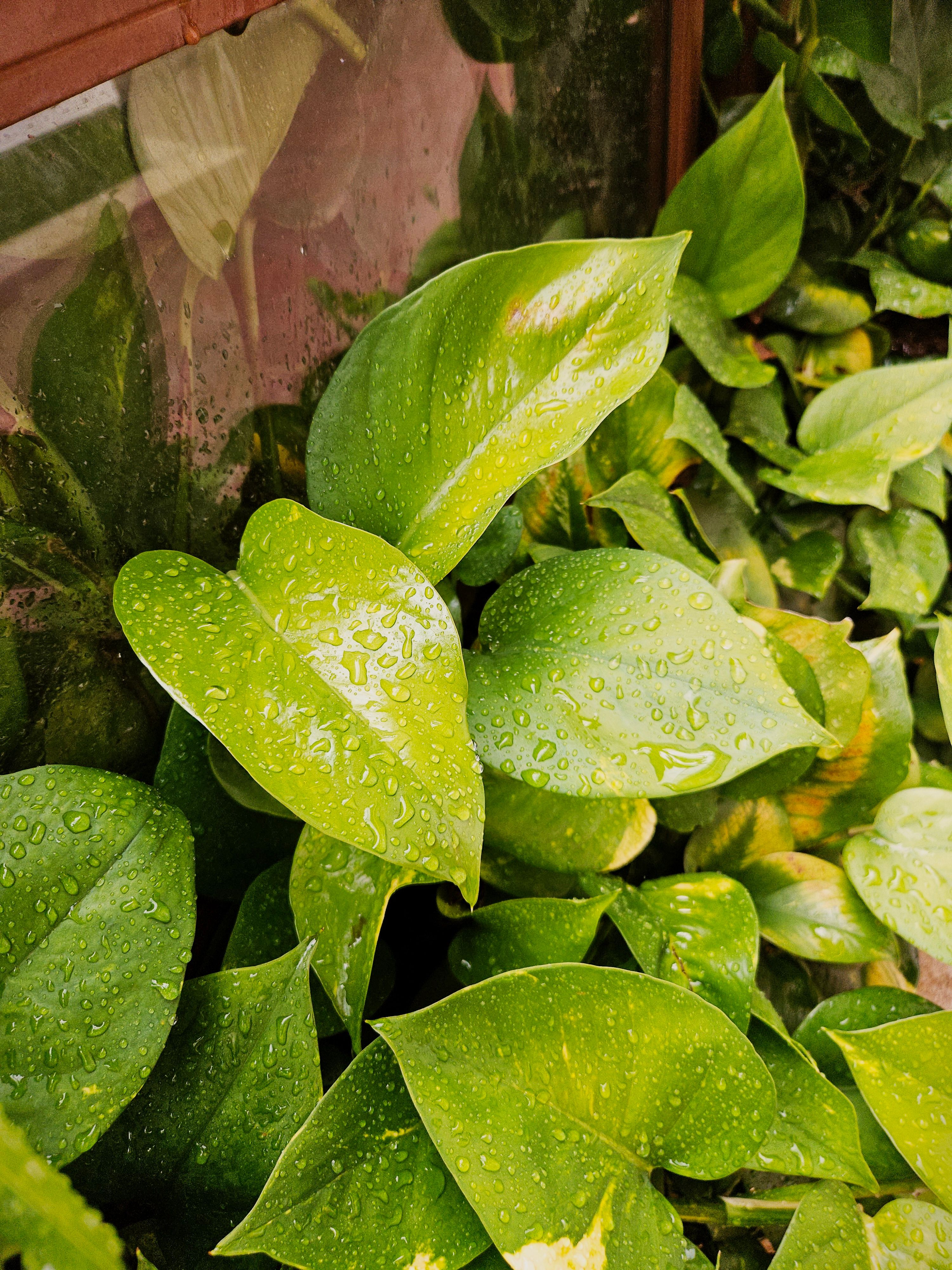
Dusty leaves are basically blocking your plant’s ability to do its job. Pothos absorb light through their leaves to make energy, so when there’s a layer of dust sitting on top, they can’t photosynthesize as well — and growth slows down.
Once a month, wipe each leaf with a damp cloth or give the whole plant a quick shower in the sink. It takes maybe five minutes and makes a real difference, especially for plants sitting in lower-light spots.
10.) Use Well-Draining Potting Mix
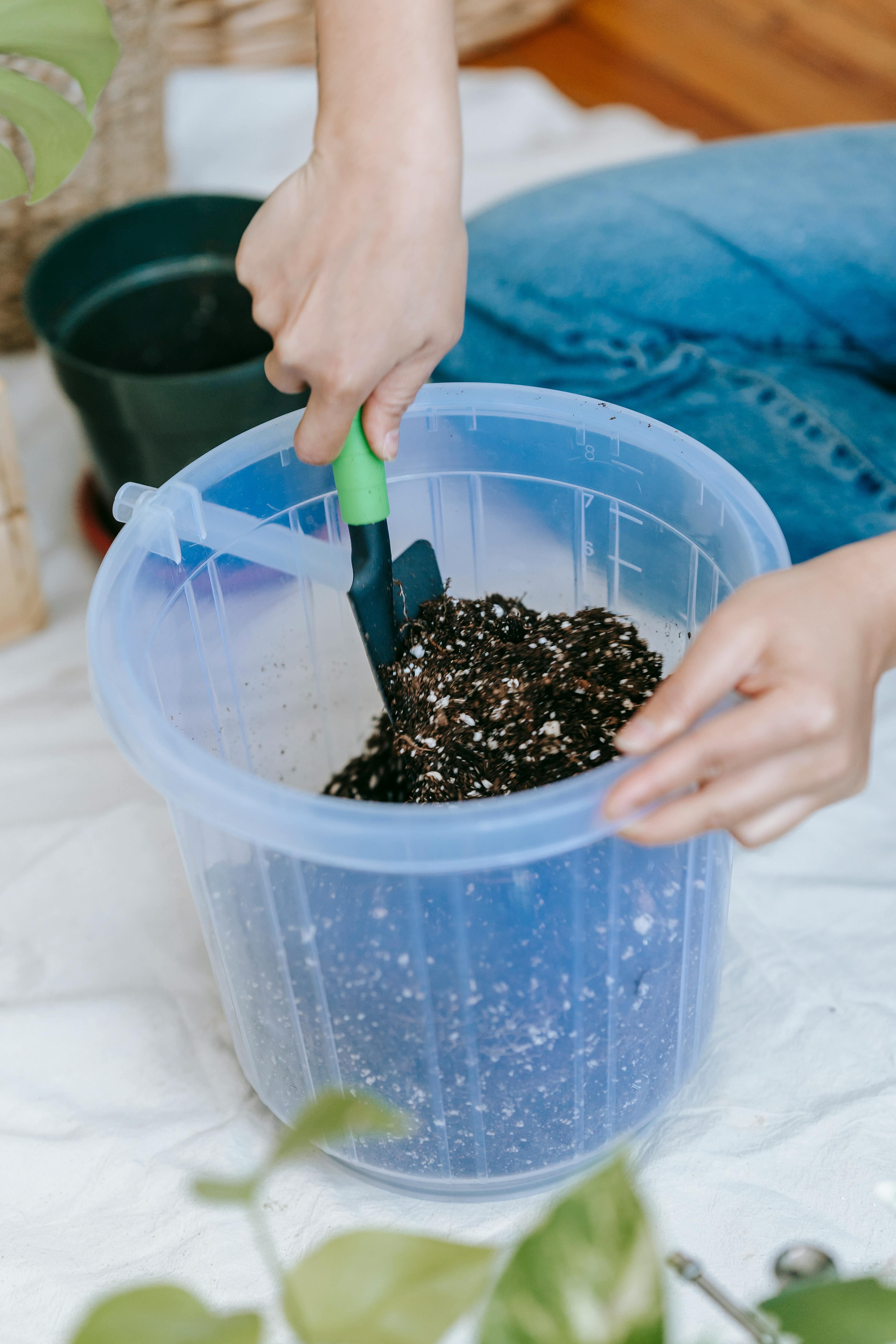
Pothos don’t like sitting in soggy soil, so the right potting mix really does matter. Look for a mix that drains well and has some perlite or bark in it. A standard cactus mix or an amended indoor potting mix both work great.
When roots stay wet for too long, they start to rot, and the plant slows way down. Good drainage keeps oxygen moving to the roots, which is exactly what pushes faster, healthier growth.
11.) Rotate Plant Weekly

Your pothos grows toward the light, which means one side can get leggy while the other stays full and bushy. Giving the pot a quarter turn every week keeps all sides getting equal light exposure, so the plant grows more evenly.
It also helps the stems stay strong instead of stretching too far in one direction. Just pick a consistent day — like every Sunday — so it becomes a habit. It’s one of the easiest things you can do for a healthier plant.
12.) Avoid Temperature Fluctuations

Pothos like consistency, and sudden temperature swings can stress the plant out, slowing down its growth big time. Keep it away from air vents, drafty windows, and exterior doors where temps can shift quickly throughout the day.
The sweet spot is anywhere between 65°F and 85°F. If your plant sits near a vent, just move it a few feet away. That small change can make a real difference in how fast new leaves start popping up.
13.) Repot When Rootbound

If your pothos has roots poking out of the drainage holes or circling the bottom of the pot, it’s time to size up. A rootbound plant can’t absorb water or nutrients properly, which slows growth way down.
Move it to a pot that’s about 2 inches larger in diameter. Any bigger and you risk overwatering issues. Fresh potting mix gives the roots room to spread out, and you’ll usually notice new growth picking up within a few weeks.

