There’s nothing more disappointing than growing cucumbers all season, then biting into one and getting that awful bitter taste. It happens to so many gardeners, and the frustrating part is that most of the time, it’s totally preventable.
The good news is that once you know what’s causing the problem, fixing it is pretty simple. Let’s go through the most common cucumber growing mistakes so your next harvest is crisp and sweet.
1.) Inconsistent Watering Schedules

Cucumbers need steady moisture to develop properly, and skipping watering sessions is one of the fastest ways to end up with bitter fruit. When plants dry out and then get flooded with water, they go through stress that messes with their sugar and compound levels.
Aim to water deeply about two to three times per week, depending on your climate and soil type. In hot summer months, you may need to water more often. Mulching around the base helps hold moisture between waterings.
2.) Extreme Temperature Fluctuations

Cucumbers are pretty sensitive to temperature swings, and going from hot days to cool nights can stress the plant out fast. When that happens, the fruit tends to produce more cucurbitacin, the compound responsible for that unpleasant bitter taste.
Try to keep your cucumbers in a spot where temps stay between 65°F and 85°F consistently. If late spring nights are still dipping low in your area, wait until the weather settles before transplanting outdoors.
3.) Delayed Harvest Timing

Waiting too long to pick your cucumbers is one of the easiest ways to end up with bitter, tough fruit. Once they turn yellow or get oversized, the cucumbers start producing more of those bitter compounds that make them unpleasant to eat.
Check your plants every day or two during peak growing season, especially in summer heat. Most cucumbers are ready when they’re firm, evenly green, and around 6–8 inches long. Picking regularly also encourages the plant to keep producing.
4.) Nitrogen Deficiency Issues

Cucumbers are heavy feeders, and when they don’t get enough nitrogen, the plants start to struggle. You’ll notice older leaves turning yellow while growth slows down. That stress can lead to bitter-tasting fruit, which is the last thing you want after all that work.
The fix is pretty simple. Work compost into the soil before planting, or use a balanced fertilizer every few weeks during the growing season. A soil test can also help you know exactly what your garden needs.
5.) Overcrowding Cucumber Plants

Cucumbers need room to breathe, and planting them too close together is a recipe for bitter fruit. When plants compete for water, nutrients, and sunlight, they get stressed — and stressed cucumbers turn bitter fast.
Give each plant at least 12 inches of space in rows, or 18 inches if you’re growing in hills. Good airflow also helps cut down on fungal diseases, which are common in warm, humid growing seasons.
Thin out seedlings early rather than waiting until the plants are already struggling.
6.) Poor Soil Drainage

Cucumbers need soil that drains well. If their roots sit in waterlogged soil for too long, the plants get stressed, and stressed cucumbers tend to produce bitter fruit. It’s a pretty simple cause and effect.
Before planting, work some compost into your garden bed to improve drainage. Raised beds are a great option if your yard has heavy clay soil. You can also plant on a slight mound to help water move away from the roots more easily.
7.) Inadequate Sunlight Exposure
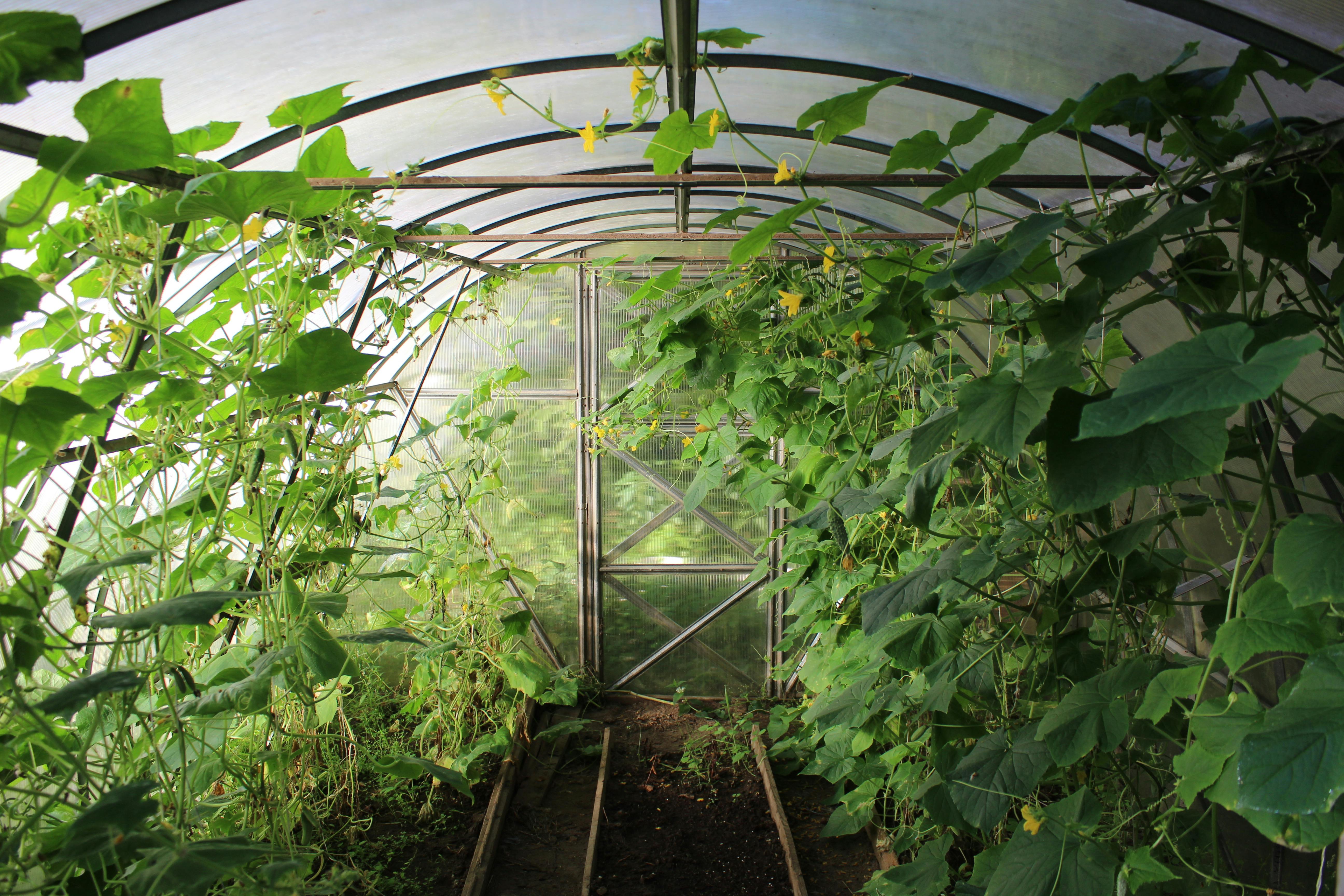
Cucumbers need a good 6 to 8 hours of direct sunlight every day to grow properly. Without enough sun, the plants struggle to photosynthesize, which throws off their sugar and bitter compound balance — and that’s when your harvest starts tasting off.
Pick the sunniest spot in your garden before you plant, and keep an eye out for trees or structures that might cast shade as the season goes on. A little planning upfront saves a lot of disappointment later.
8.) Ignoring Pest Damage
Pests like cucumber beetles, aphids, and spider mites don’t just look bad — they stress your plants out, and stressed plants produce bitter cucumbers. If you spot damage early and do nothing, the problem spreads fast.
Check your plants a few times a week, especially during summer. Remove pests by hand, spray with neem oil, or use insecticidal soap. Keeping on top of pest control means healthier plants, better fruit production, and cucumbers that actually taste the way they should.
9.) Water Stress During Fruiting

Cucumbers need consistent moisture, especially once they start setting fruit. If the soil dries out during this stage, the plant gets stressed and pushes bitter compounds called cucurbitacins into the fruit. It’s the plant’s way of saying it’s not happy.
Aim to water deeply two to three times a week, more during hot spells. A layer of mulch helps the soil hold moisture between waterings. Inconsistent watering is one of the easiest problems to fix once you know what’s causing the bitterness.
10.) Unsuitable Cucumber Varieties
Not all cucumber varieties are built for your climate or garden setup, and planting the wrong one is a fast track to bitter, disappointing fruit. Some varieties just don’t handle heat, humidity, or short growing seasons well.
Do a little research before buying seeds. Look for varieties labeled “bitter-free” or suited to your hardiness zone. In hot climates, heat-tolerant types like Armenian or Japanese cucumbers tend to perform much better than standard slicing varieties.
11.) High Heat Without Shade
Cucumbers love warm weather, but too much direct sun without any relief can stress the plants and trigger bitter-tasting fruit. When temperatures push past 90°F regularly, the plant produces more cucurbitacin — the compound responsible for that unpleasant bite.
If you’re gardening in a hot climate, try planting near a trellis or taller crops that offer some afternoon shade. Keeping the soil consistently moist also helps the plant handle heat without going into survival mode.
12.) Vine Damage While Harvesting
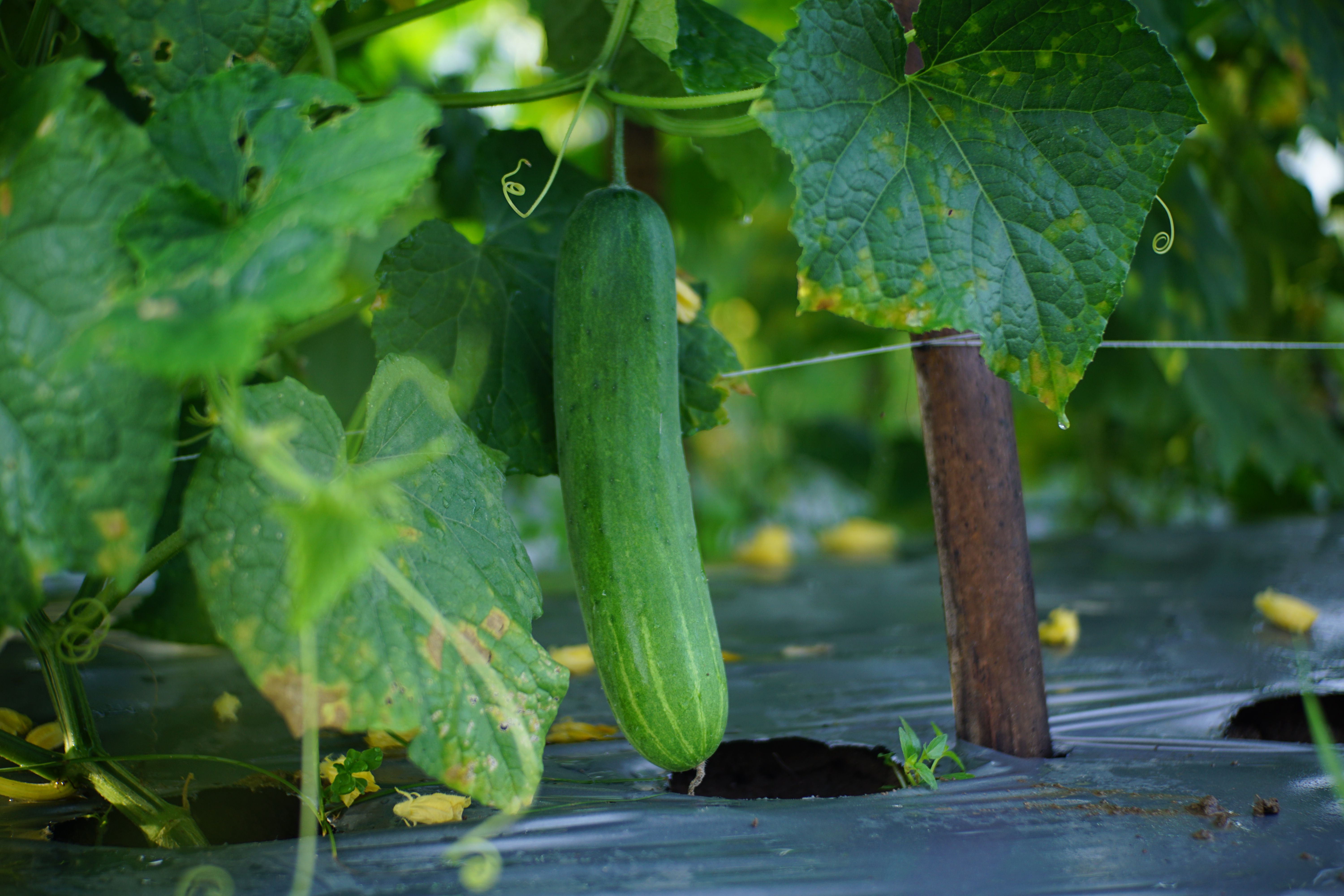
Cucumbers are surprisingly easy to damage when you’re pulling fruit off the vine. If you yank too hard, you can tear the stem or snap off nearby leaves, which stresses the plant and can lead to bitter cucumbers down the line.
Instead, use a small pair of garden scissors or pruning shears to cut each cucumber cleanly at the stem. This keeps the plant healthy and producing all season long, usually from late spring through early fall depending on your growing zone.
13.) Potassium Deficiency Problems

Potassium is one of those nutrients cucumbers really can’t do without. When levels drop too low, you’ll notice yellowing leaf edges, weak stems, and yes — bitter, odd-tasting fruit. It’s more common than people think, especially in sandy soils or after heavy rainfall washes nutrients away.
Fix it by working a balanced fertilizer or wood ash into the soil before planting. During the growing season, a potassium-rich liquid feed every two weeks keeps things on track and your cucumbers tasting fresh.
14.) Leaving Overripe Cucumbers On

Leaving overripe cucumbers on the vine is one of the easiest ways to trigger bitter fruit across your whole plant. Once a cucumber turns yellow or feels soft, the plant reads it as a signal to slow down production and redirect energy into seeds.
Make it a habit to walk your garden every two to three days during peak season. Pick cucumbers young and often — this keeps the plant focused on producing fresh, mild-tasting fruit all summer long.