If you’ve ever tried growing cucumbers and ended up with a sad, struggling vine, you’re not alone. Most gardening advice out there is pretty basic — but experienced farmers have a whole bag of tricks they’ve been quietly using for years.
These 15 hacks might just change the way you grow cucumbers forever. Some are surprisingly simple, others are a little unexpected — but they all come straight from people who’ve been doing this a long, long time.
1.) Plant Seeds in Mounds

Old farmers have been planting cucumbers in raised mounds for generations, and there’s a good reason why. Mounds warm up faster in the spring, drain better after heavy rain, and give roots room to spread out without sitting in soggy soil.
To make one, just pile up a small hill of loose soil about 6 to 8 inches high. Plant 4 to 6 seeds per mound, then thin them down to the 2 or 3 strongest seedlings once they sprout.
2.) Add Eggshells to Soil

Don’t toss those eggshells in the trash. Crush them up and mix them into the soil around your cucumber plants. They break down slowly and release calcium, which helps prevent blossom end rot — a frustrating problem where the tips of your cucumbers turn mushy and dark.
Just let the shells dry out first, then crush them as fine as you can before adding them. The finer the pieces, the faster they break down and actually do something useful.
3.) Use the Trellis Method

Growing cucumbers on a trellis instead of letting them sprawl on the ground is one of the smartest moves you can make. It keeps the fruit off the soil, which means less rot and fewer pest problems.
Train your vines upward using a simple wire or wood trellis, and tie them loosely as they grow. Cucumbers actually get more airflow this way, which helps cut down on powdery mildew — a common headache for most growers.
4.) Water Only in Mornings

Watering your cucumbers in the morning might sound like a small thing, but it makes a real difference. When you water early, the leaves have all day to dry out before nightfall, which helps cut down on mold and fungal issues that can sneak up fast.
Wet leaves sitting overnight are basically an open invitation for disease. Morning watering also means the roots get a good drink right when the plant needs it most — during the warmest part of the day.
5.) Plant Radishes as Companions

Planting radishes near your cucumbers is one of those old-school tricks that actually works. Radishes help repel cucumber beetles, which are some of the most annoying pests you’ll deal with in your garden. Just tuck a few radish seeds around the base of your cucumber plants when you first get them in the ground.
The best part? You don’t need a lot. A small ring of radishes around each plant does the job without taking up much extra space.
6.) Mulch with Straw Heavily

Piling straw around your cucumber plants might seem like overkill, but old-time growers know it makes a real difference. Aim for about 3–4 inches of straw around the base of each plant, keeping it a little away from the stem so moisture doesn’t cause rot.
The thick layer holds water in the soil, keeps weeds from taking over, and actually helps keep the soil temperature steady during hot spells. Less watering, fewer weeds, bigger cucumbers — it’s a pretty easy win.
7.) Pick Cucumbers Daily
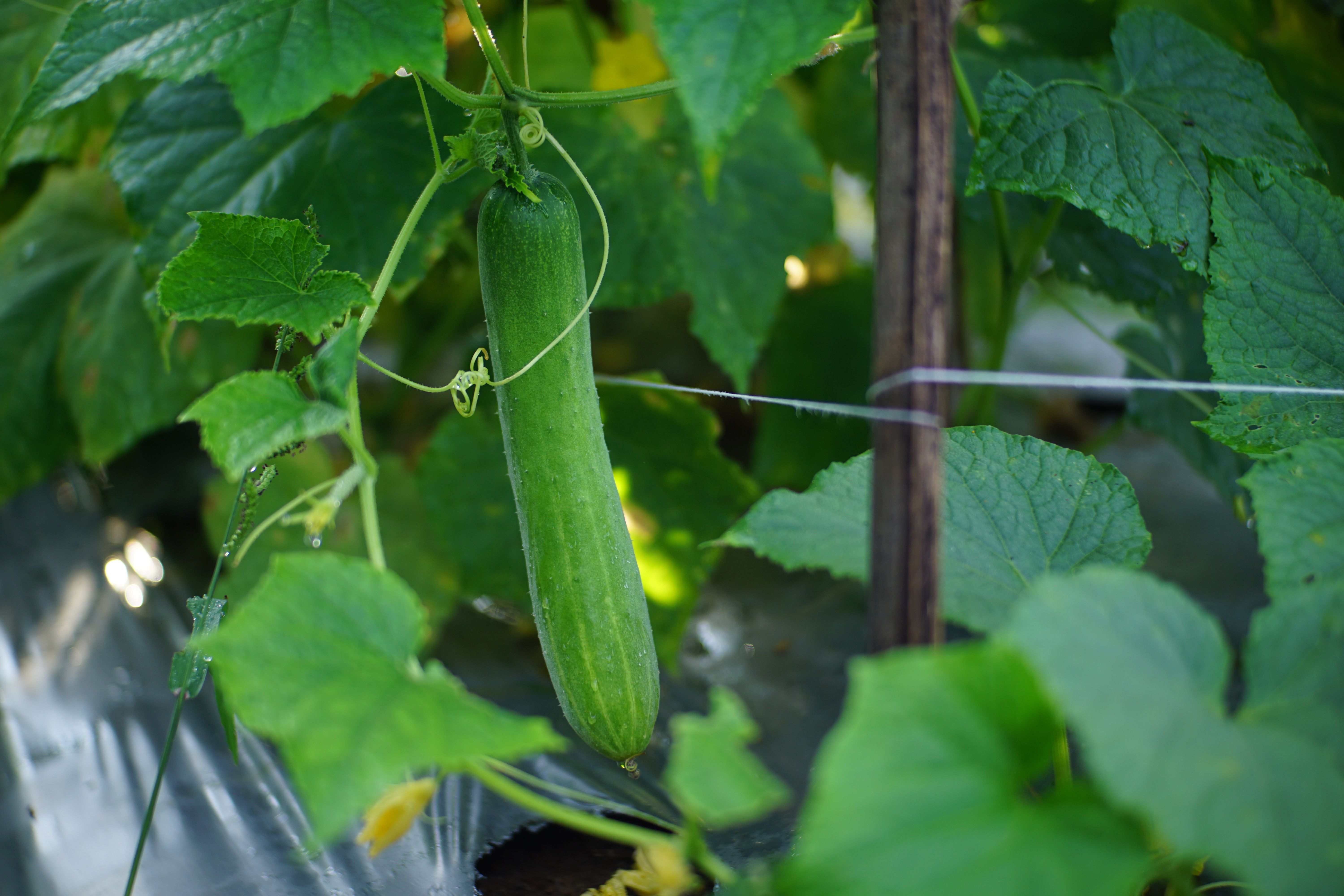
Cucumbers don’t wait around, and neither should you. Once they start producing, you need to check the vines every single day. Missing even a day or two can mean you end up with overgrown, seedy cucumbers that taste bitter and tough.
Here’s why it matters beyond just taste — leaving large cucumbers on the vine actually signals the plant to slow down production. Keep picking, and the plant keeps pumping out more. It’s a simple habit that seriously pays off all season.
8.) Prune the First Blooms

It sounds backward, but pinching off those first few flowers can actually help your cucumber plant produce way more fruit later on. When the plant is still young, putting energy into fruit too early can wear it out before it really gets going.
Let the plant grow to about 12 inches tall and build up some strong roots first. Then let it bloom. You’ll end up with a healthier plant that keeps pumping out cucumbers all season instead of burning out early.
9.) Add Compost Tea Weekly

Compost tea is basically liquid fertilizer you brew at home by soaking finished compost in water for 24 to 48 hours. Old-school growers have been doing this for generations, and cucumber plants absolutely love it during their growing season.
Pour it directly around the base of your plants once a week, especially when they’re flowering and fruiting. It feeds the soil with beneficial microbes and nutrients without burning the roots like synthetic fertilizers sometimes do. Simple, cheap, and it genuinely works.
10.) Use Milk Spray Solution
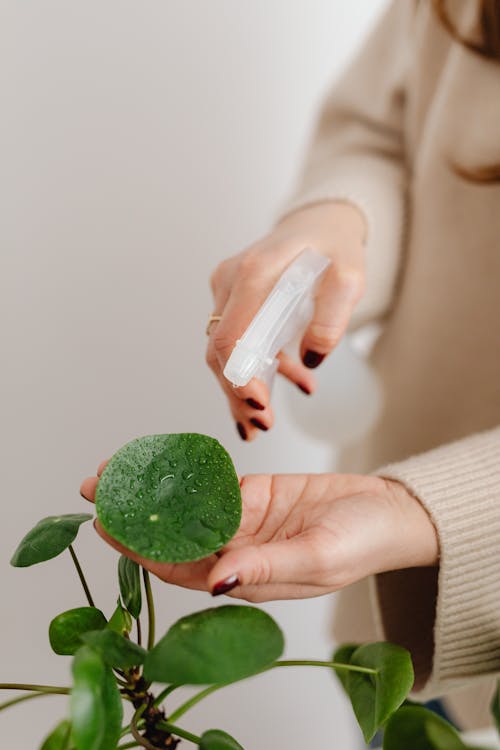
Mixing one part milk with nine parts water and spraying it on your cucumber leaves might sound strange, but old-time gardeners have been doing it for years. The proteins in milk help fight off powdery mildew, which is one of the biggest problems cucumbers face in warm, humid weather.
Spray it in the morning so the leaves have time to dry before nightfall. Do this once a week and you’ll notice a real difference in how healthy your plants stay.
11.) Plant in Full Shade

Most people think cucumbers need full sun all day long, but old-school farmers know that planting them where they get afternoon shade can actually work in your favor — especially in hotter climates. Too much direct sun during peak heat hours stresses the plant and slows fruit production.
Try planting on the east side of a fence or taller crops like corn. They’ll still get solid morning sun but stay cooler later in the day, which keeps them growing steadily through summer.
12.) Space Hills Four Feet
Space your hills at least four feet apart — this is one of those things a lot of first-timers skip, and it really shows come midsummer.
Cucumbers spread out more than you’d expect. Giving each hill that extra room means better airflow, which helps cut down on mildew and disease. Plants aren’t fighting each other for nutrients either.
Mark your spacing before you plant so you’re not guessing later. A simple stick or string line works fine and saves you a headache down the road.
13.) Bury Fish Scraps Deep

Old farmers have been burying fish scraps near their cucumber plants for generations, and there’s a solid reason why. Fish breaks down in the soil and slowly releases nitrogen, phosphorus, and calcium — exactly what cucumbers need to grow strong and keep producing all season.
The key is to bury the scraps at least 6 to 8 inches deep, away from the base of the plant. Too shallow and you’ll attract animals. Done right, it’s basically free fertilizer that feeds your plants for weeks.
14.) Train Vines on Fences
Instead of letting cucumber vines sprawl all over the ground, try running them up a fence. Old farmers have been doing this for years because it keeps the fruit off the soil, which means less rot and fewer pest problems.
A simple chain-link or wooden fence works great. Just guide the young vines toward the fence early and let the tendrils grab on. You’ll also save a ton of ground space, which is a big deal in smaller gardens.
15.) Harvest Before Seeds Harden

Here’s a trick that makes a real difference: pick your cucumbers before the seeds inside get big and tough. Once those seeds harden, the cucumber turns bitter and signals the plant to stop producing. That’s basically game over for your harvest.
Check your plants every day or two during peak season. If a cucumber feels puffy or looks yellowish, you’ve already waited too long. Aim to pick them while they’re still firm and dark green for the best flavor and the most yield.