Back in the Depression Era, people couldn’t afford to waste a single seed or scrap of compost. They figured out clever ways to grow more food while spending almost nothing, and honestly? A lot of those tricks still work really well today.
The cool thing is, these old-school gardening habits can seriously cut down your costs without cutting corners on your garden. Some of these tips might surprise you — a few everyday items you’d normally toss could completely change your growing game!
1.) Save and Share Seeds

Saving seeds from your best plants is one of the oldest money-saving tricks in the book. Let your tomatoes, peppers, beans, and squash fully ripen before collecting the seeds. Dry them out on a paper towel, then store them in labeled envelopes in a cool, dry place.
Come spring, you’ve got free plants ready to go. You can also swap seeds with neighbors or local gardening groups to build up a solid collection without spending a dime.
2.) Companion Plant for Efficiency
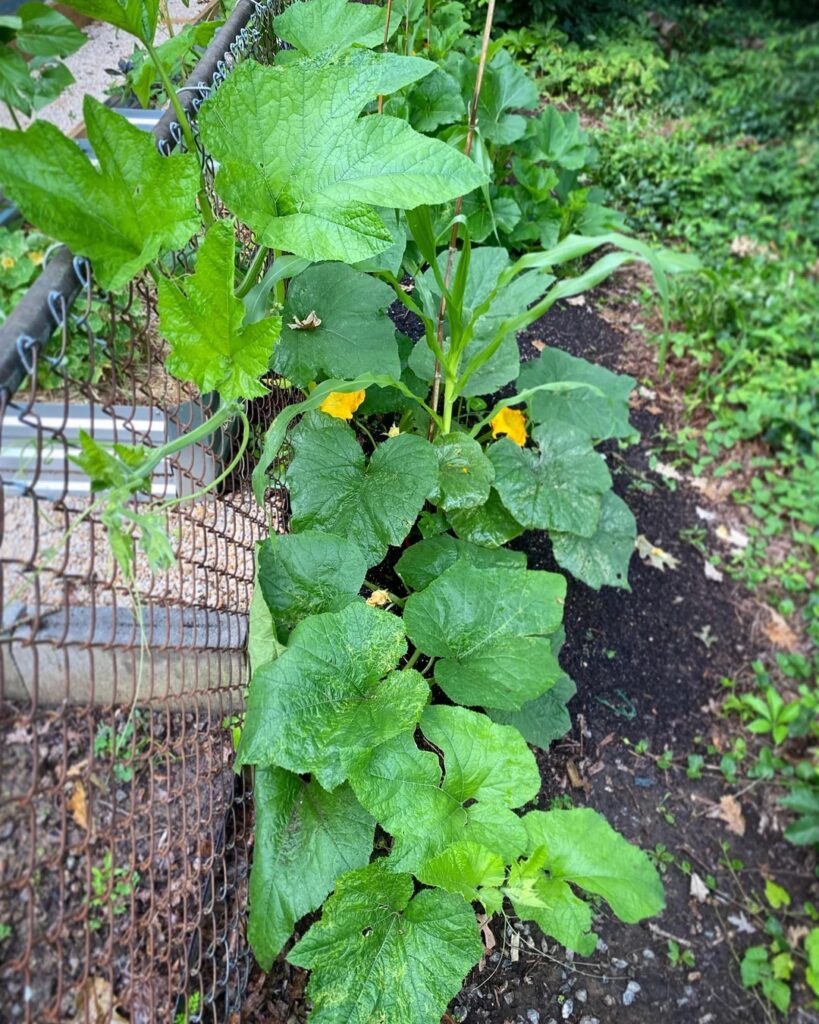
Planting the right crops together can cut your workload and stretch your garden budget. The classic “Three Sisters” combo — corn, beans, and squash — is a good example. The corn gives the beans something to climb, the beans pull nitrogen into the soil, and the squash shades the ground to hold in moisture.
This approach works in most growing zones during warm seasons. Less fertilizer, less watering, and fewer weeds mean more food for less money — exactly what Depression-era gardeners figured out fast.
3.) Use Kitchen Scraps as Compost
During the Depression, nothing went to waste — and that included kitchen scraps. Vegetable peels, coffee grounds, eggshells, and fruit cores all break down into rich compost that feeds your garden for free.
Start a simple bin in a corner of your yard or even a small bucket with a lid for an apartment patio. Layer scraps with dry leaves or cardboard, keep it slightly moist, and turn it every week or two. In a few months, you’ll have free fertilizer ready to go.
4.) Collect Rainwater for Irrigation

During the Depression, people couldn’t afford to waste a single drop of water, so they collected rainwater in barrels, buckets, and even old tin cans. It’s a trick that still works today and can seriously cut down your water bill.
Set a barrel under your downspout and let nature do the work. Rainwater is actually better for your plants than tap water because it has no chlorine or added minerals. Use it on vegetables, flowers, or container plants throughout the dry season.
5.) Start Plants from Cuttings

Why buy new plants when you can grow them for free? During the Depression, gardeners passed cuttings around the neighborhood instead of spending money at nurseries. Snip a 4–6 inch stem just below a leaf node, remove the lower leaves, and stick it in moist potting mix or even a glass of water.
This works well with herbs, roses, hydrangeas, and many houseplants. Keep cuttings in indirect light and mist them regularly. Most root within a few weeks, giving you brand new plants at zero cost.
6.) Make Homemade Natural Fertilizers

Back in the Depression era, people didn’t run to the store for fertilizer — they made their own. Banana peels, coffee grounds, crushed eggshells, and vegetable scraps were all put to work feeding garden plants. These simple ingredients add nutrients like potassium, nitrogen, and calcium right back into the soil.
You can steep banana peels in water for a few days to make a liquid feed, or bury eggshells near tomatoes to help prevent blossom end rot. Free and effective — just like grandma used to do.
7.) Repurpose Household Items as Containers
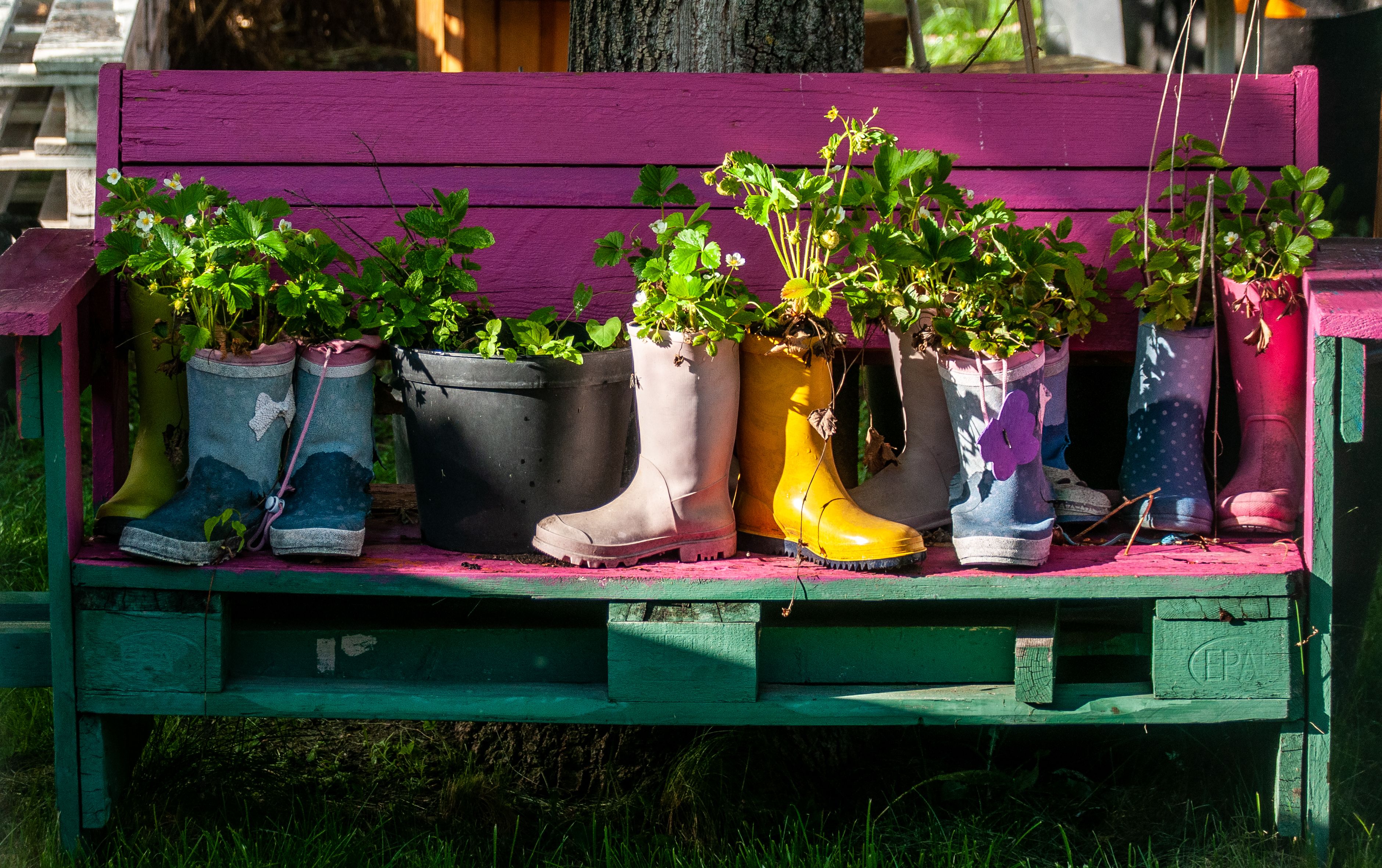
During the Depression, people grew food and flowers in whatever they had lying around — old colanders, cracked crocks, wooden crates, and tin cans. You can do the same thing today. Almost any container works as long as you add drainage holes and use good potting mix.
Herbs, lettuce, and small tomatoes do well in repurposed containers placed in sunny spots. Water more often since smaller containers dry out fast. This approach works in any zone, any season you’re growing.
8.) Grow High-Yield Vegetables Only

During the Depression, families didn’t have room for plants that didn’t pull their weight. They stuck to vegetables with a high yield per square foot, like beans, zucchini, tomatoes, and leafy greens. These crops keep producing all season long, giving you way more food for your effort.
Beans and zucchini do well in most zones from spring through fall. Give them full sun, consistent watering, and decent soil. You’ll spend less and eat more, which is exactly the point.
9.) Practice Succession Planting
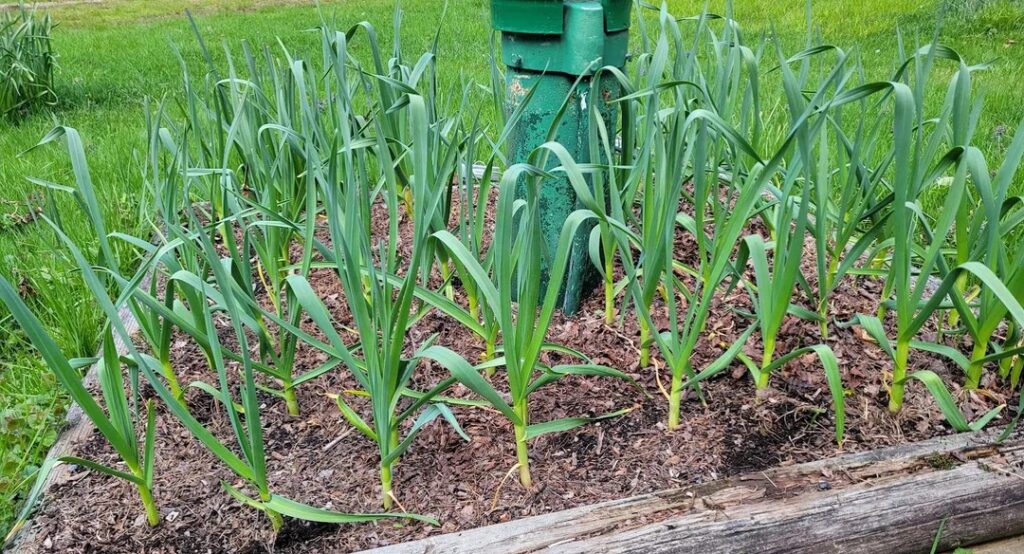
Succession planting is one of the smartest habits Depression-era gardeners swore by. Instead of planting everything at once, you stagger small batches every two to three weeks. That way, you get a steady harvest all season long rather than a mountain of zucchini one week and nothing the next.
It works especially well for fast-growing crops like lettuce, radishes, and beans in zones 3–9. Less waste, more food — and your grocery bill will thank you.
10.) Create Free Mulch from Leaves
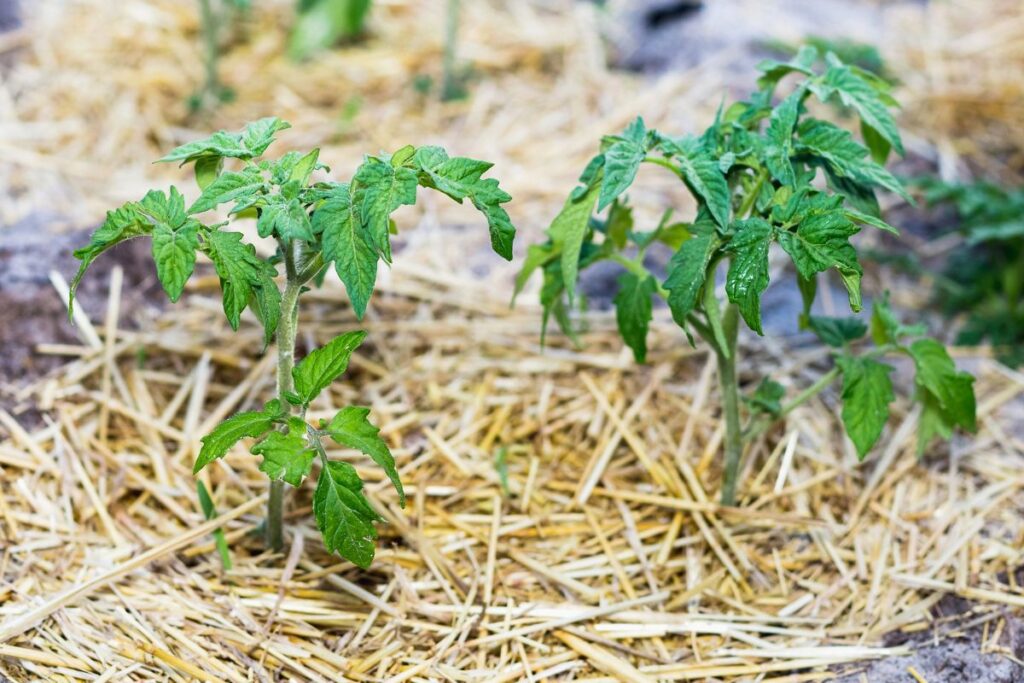
Raking leaves into a pile and letting them break down over time is one of the easiest ways to make free mulch. Your lawn and garden beds will thank you come spring. Depression-era gardeners never let leaves go to waste, and neither should you.
Spread a 2-3 inch layer around trees, shrubs, and garden beds in fall. The leaves hold moisture, regulate soil temperature, and slowly feed the soil as they decompose. No bags, no store trips, no cost.
11.) Use Newspaper for Weed Control

Before you plant a new garden bed, lay down several sheets of newspaper — about five or six layers thick — directly on the soil. It blocks sunlight so weeds can’t sprout, and it breaks down naturally over time, adding organic matter back into the ground.
This trick works best in spring before weeds get a foothold. Cover the newspaper with mulch or soil to hold it in place. It’s free, it works, and your grandparents probably did it too.
12.) Preserve Your Harvest Properly

Growing a garden is only half the battle — what you do after the harvest really determines how much money you save. Depression-era folks knew that letting food go to waste was not an option.
Learn basic canning, pickling, and root cellaring to stretch your produce through winter. A cool, dark basement works well for storing potatoes, carrots, and squash. Simple water-bath canning handles tomatoes and fruits easily.
A little time spent preserving in fall means fewer grocery store trips all winter long.
13.) Trade Plants with Neighbors
Trading plants with neighbors is one of the oldest money-saving tricks in the book, and it still works just as well today. Divisions of perennials like hostas, daylilies, and coneflowers are easy to dig up and share, and they transplant without much fuss in spring or fall.
Most neighbors are happy to give away extras they’d otherwise toss. Just make sure to ask about the plant’s sun, water, and zone needs so you’re not setting yourself up for failure.
14.) Make Your Own Pest Sprays

Back in the Depression era, people couldn’t afford store-bought pesticides, so they made their own. A simple spray of water, dish soap, and garlic can keep aphids and other soft-bodied insects off your plants without costing much at all.
You can also simmer hot peppers in water, strain it, and spray it around your garden to discourage pests. These sprays work best when applied in the morning or evening, and you’ll want to reapply after rain.
15.) Rotate Crops to Improve Soil
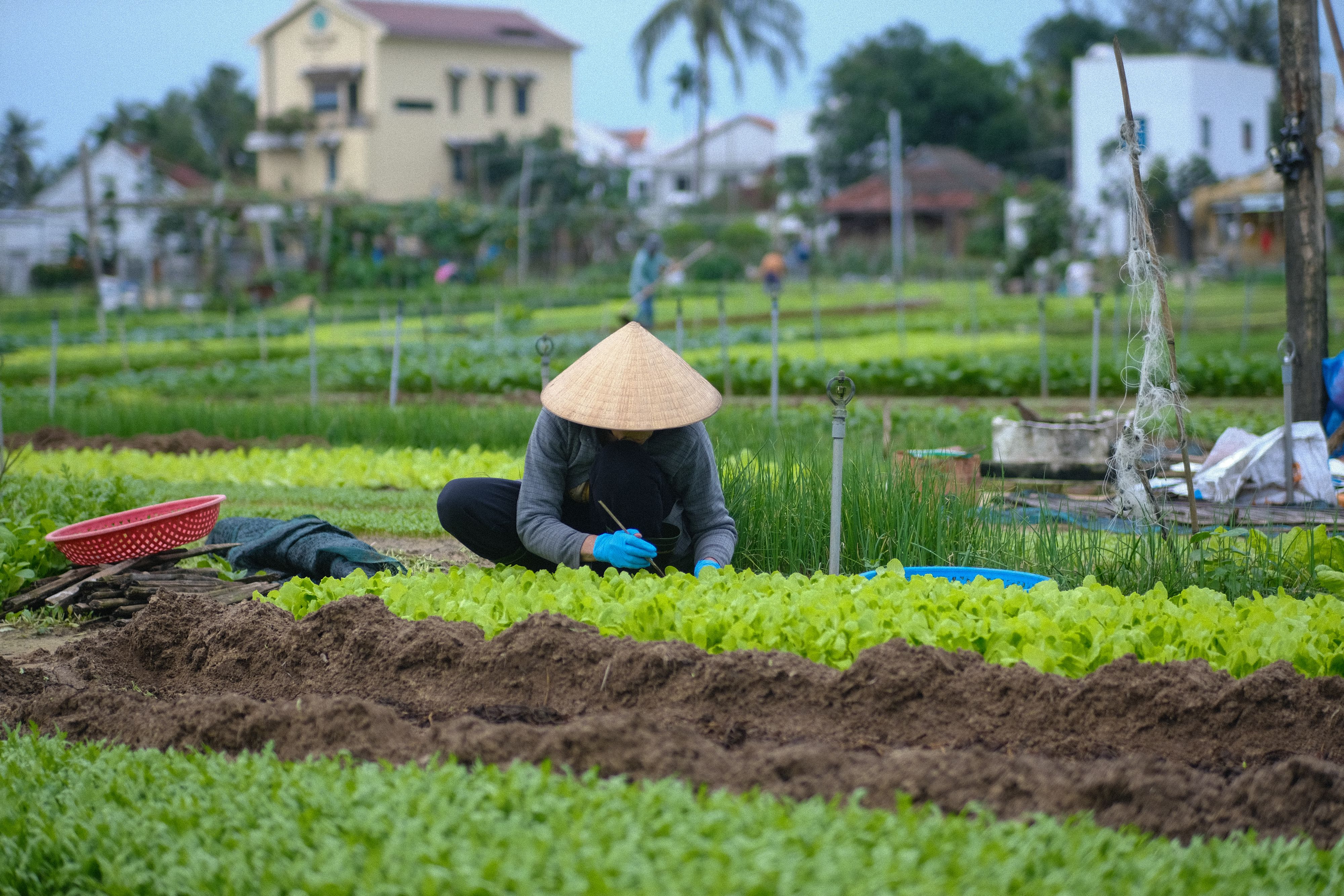
Rotating crops is one of the oldest tricks in the book, and Depression-era gardeners swore by it. The idea is simple — don’t plant the same thing in the same spot year after year. Moving crops around helps prevent disease and pests from building up in the soil.
It also keeps the soil healthier over time. Legumes like beans and peas add nitrogen back into the ground, which cuts down on the need for expensive fertilizers. Plan a simple three-section rotation and your garden will thank you.