You know that satisfying feeling when you snip off dead blooms to keep your garden looking fresh? Well, turns out some flowers actually hate being deadheaded and will stop blooming altogether if you mess with them. And then there are those high-maintenance beauties that basically beg for constant attention or they’ll look terrible. I learned this the hard way after accidentally ruining my best plants last season. Let me save you from making the same mistakes I did.
1) Black-eyed Susan

Let these cheerful yellow flowers go to seed instead of deadheading them, and you’ll be rewarded with more plants next season. Black-eyed Susans self-seed readily, creating natural drifts throughout your garden without any extra work.
The seed heads also feed goldfinches and other birds through fall and winter. These tough perennials thrive in zones 3-9 and handle full sun and poor soil like champs.
They bloom from early summer through fall, so you’ll get plenty of flowers even if you leave the spent blooms alone. Plus, removing faded flowers one by one is tedious work when you’ve got dozens of stems.
2) Coneflower

Leave those spent coneflower blooms right where they are. The seed heads provide food for goldfinches and other songbirds throughout fall and winter, turning your garden into a natural bird feeder.
These tough perennials grow in zones 3-9 and handle heat, drought, and clay soil without complaint. Plant them in full sun and watch them bloom from early summer through fall.
The dark seed cones stand up well through winter weather, adding interest to your garden when everything else has died back. Plus, they’ll self-sow and spread naturally if you let them drop seeds.
3) Baptisia

Leave the seed pods alone on your baptisia—they’re half the reason to grow it. After the blue or yellow flowers fade in late spring, interesting dark pods develop that look great in the garden through fall and work well in dried arrangements.
These prairie natives are practically indestructible once established, thriving in zones 3-9 with full sun and average soil. They actually prefer a bit of neglect and don’t need fertilizer or much water after the first year. The pods also self-sow if you want more plants, though they take a few years to reach blooming size.
4) Astilbe

Astilbe produces feathery plume-like flowers in shades of pink, white, red, and purple throughout early to mid-summer. Once the blooms start to fade, leave them alone—they develop attractive rusty seedheads that add interesting texture to your garden well into fall and winter.
These perennials prefer shade to partial shade and need consistently moist soil to thrive, making them perfect for those tricky damp spots in your yard. Hardy in zones 3-8, astilbes require minimal maintenance beyond regular watering.
The dried flower heads also provide food for birds during colder months, so you’re helping local wildlife by skipping the deadheading routine.
5) Sedum

Sedums are succulents that actually look better when you skip the deadheading. Those dried flower heads turn a rusty brown color in fall and stay interesting throughout winter, adding texture to your garden when everything else has died back.
They’re also a food source for birds during the cold months. These plants thrive in full sun and well-draining soil, making them perfect for rock gardens or hot, dry spots where other flowers struggle.
Hardy in zones 3-9, sedums need almost no care once established. Just cut the whole plant back to the ground in early spring before new growth appears.
6) Hydrangea
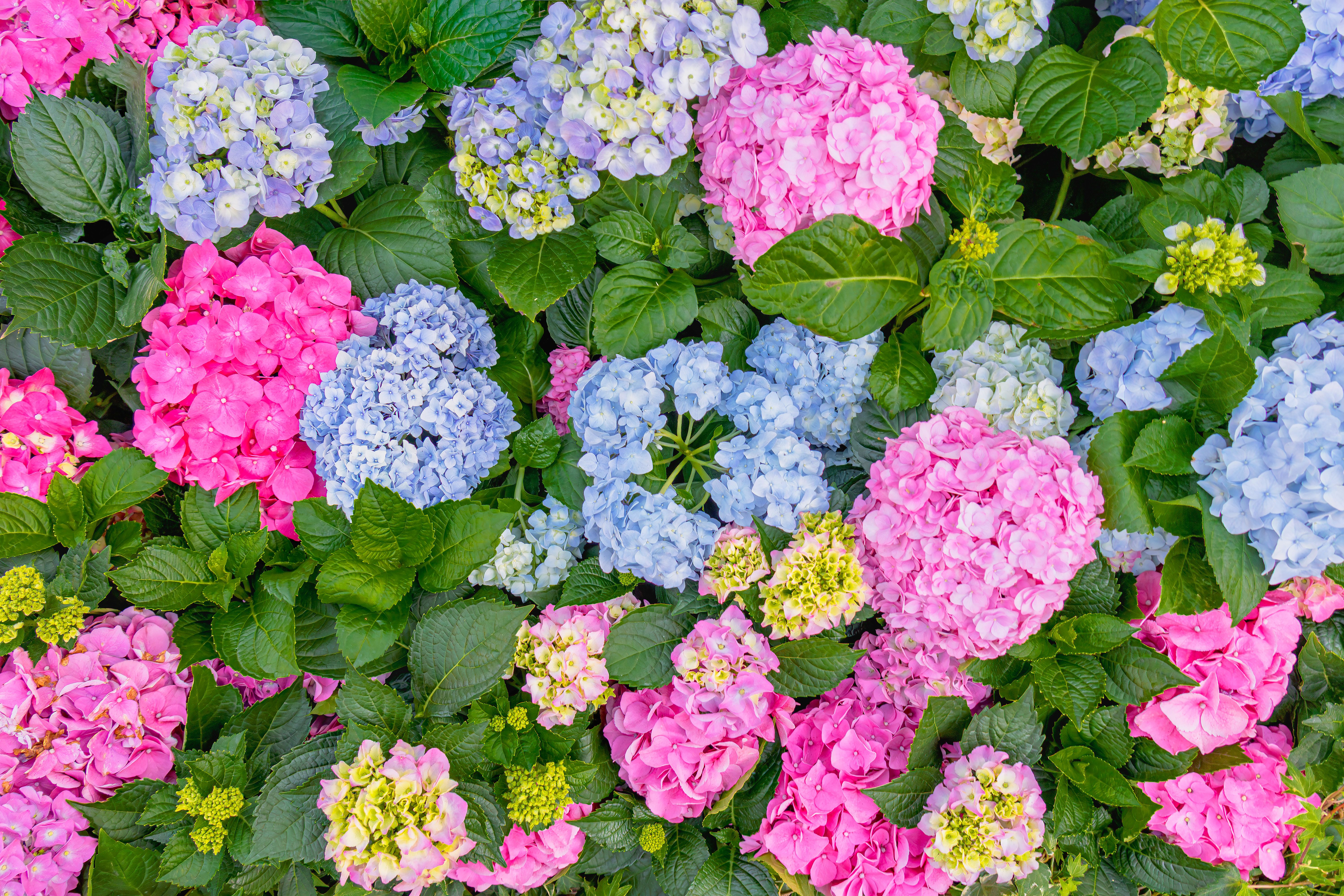
Hydrangeas produce their big, showy blooms from early summer through fall, depending on your variety. Here’s the thing: deadheading them can actually mess with next year’s flowers since they bloom on old wood.
The dried flower heads also protect the buds underneath during winter, so they’re doing a job even when they look brown and crispy. If you really can’t stand the look, wait until early spring to trim them back.
These shrubs grow best in zones 3-9 with morning sun and afternoon shade. They need consistent moisture but don’t go crazy with pruning—less is definitely more with these plants.
7) Russian Sage

Russian sage is one of those plants that actually looks better when you leave the spent flowers alone. The silvery-gray stems and small purple blooms create an airy look in your garden that lasts well into fall.
As the flowers fade, they develop interesting seed heads that add texture through winter. Growing in zones 4-9, Russian sage thrives in full sun and handles drought like a champ once established.
It needs well-draining soil and doesn’t mind poor conditions. Just give it one good pruning in early spring, cutting it back to about 6-8 inches, and you’re done for the year.
8) Ornamental Grasses

Ornamental grasses don’t produce traditional flowers, but their feathery plumes and seed heads look great from late summer through winter. Leave them alone—deadheading defeats the whole purpose.
These grasses shine when their dried foliage and seed heads catch frost or sway in fall breezes. Most varieties like full sun and well-drained soil, and they’re pretty low-maintenance once established.
Cut the whole plant back to about 4-6 inches in early spring before new growth starts, rather than fussing with individual stems throughout the season. Popular types like miscanthus and pennisetum grow well in zones 5-9.
9) Balloon Flower

Balloon flowers get their name from the puffy buds that look like little balloons before they pop open into star-shaped blooms. Here’s the thing about deadheading them—it’s more trouble than it’s worth.
These perennials keep producing flowers throughout summer without your help, and snipping off spent blooms can actually stress the plant. They do fine in zones 3-8 and prefer full sun to partial shade with well-draining soil.
Water them regularly during dry spells, but don’t go overboard since they don’t like soggy roots. Just let them do their thing, and you’ll have blooms from June through September.
10) Rose Hips Varieties
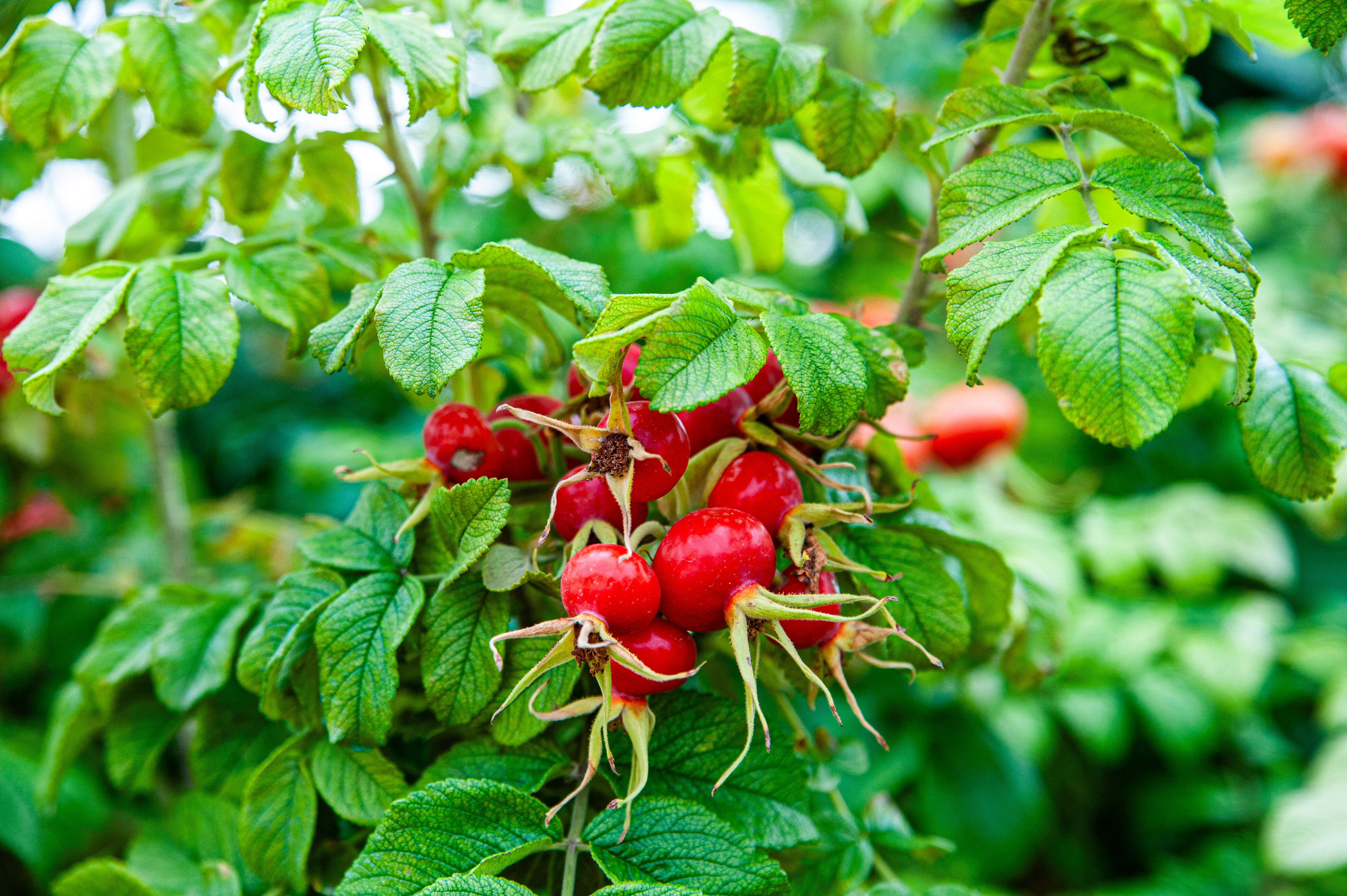
If you want those colorful rose hips in fall and winter, skip the deadheading once summer winds down. Rose hips are the fruit that forms after roses bloom, and they only develop if you leave spent flowers on the plant.
Rugosa roses produce some of the biggest hips, while shrub roses like ‘Hansa’ and wild species roses are reliable producers too. They’ll grow in zones 3-9 depending on the variety.
The hips attract birds and add interest to your winter garden. Just remember to deadhead earlier in the season to encourage more blooms, then let nature take over by late August.
These Plants Need Constant Deadheading
1) Dahlia

Dahlias produce loads of blooms from summer through fall, but they come with a catch—you’ll need to deadhead them regularly if you want to keep those flowers coming.
These plants are basically bloom machines, and removing spent flowers every few days tells them to keep producing more. Without deadheading, they’ll put energy into seed production instead of new buds.
They grow best in zones 8-11, though you can dig up the tubers in colder areas and replant them next spring. Give them full sun and well-draining soil, and be prepared to check on them a couple times a week during peak season.
2) Petunia
Petunias put on a great show all summer long, but they need your help to keep blooming. These popular annuals get sticky and covered in spent flowers that won’t fall off on their own. If you skip deadheading, they’ll start forming seeds and slow down flower production big time.
Pinch off the faded blooms every few days, or give the whole plant a trim back by about a third in midsummer if it gets leggy. They grow best in full sun with regular watering and do well in containers or garden beds. A little weekly fertilizer keeps them flowering strong until frost.
3) Marigold
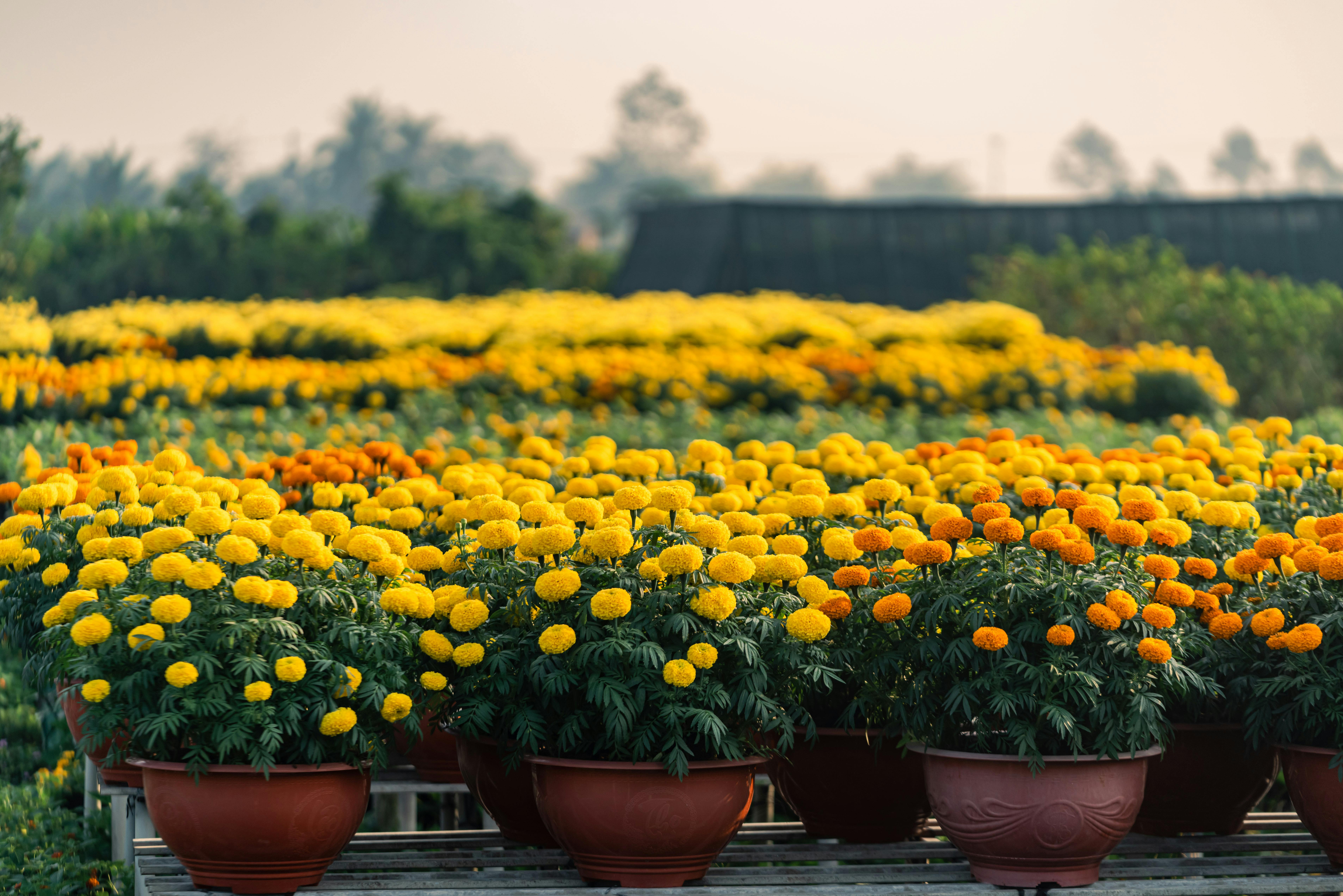
Marigolds are popular garden flowers that actually benefit from regular deadheading throughout the growing season. While they’re easy to grow in full sun and well-draining soil, they’ll stop producing new blooms if you let spent flowers stick around.
Pinch off faded blooms every few days to keep fresh flowers coming until the first frost. These annuals thrive in zones 2-11 and handle hot weather well, making them great for summer gardens.
The good news? Deadheading only takes a minute or two per plant, and you’ll be rewarded with continuous color from late spring through fall.
4) Geranium
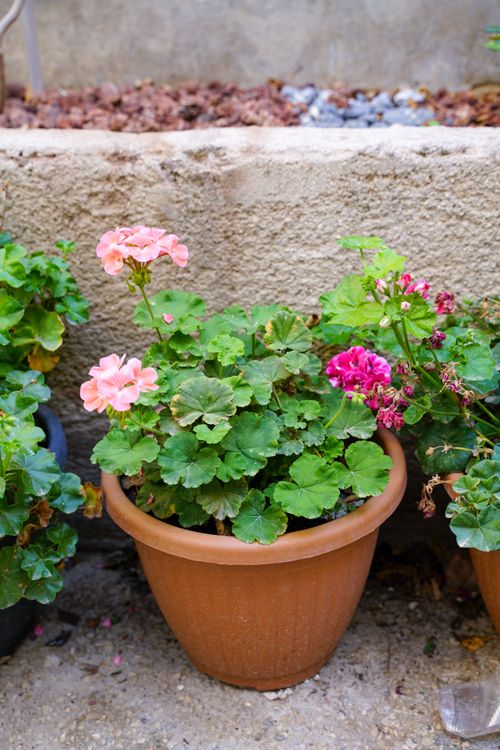
Geraniums put on a steady show of blooms throughout summer, but those spent flowers need regular attention. If you let the old blooms stick around, they’ll slow down new flower production and make your plant look messy. Grab those faded flowers every few days by pinching them off at the stem.
Geraniums grow well in zones 9-11 as perennials, though most gardeners treat them as annuals. They prefer full sun and well-draining soil, and they’re pretty forgiving if you forget to water occasionally. The payoff for your deadheading efforts is months of continuous color from late spring until frost.
5) Deadheading Roses
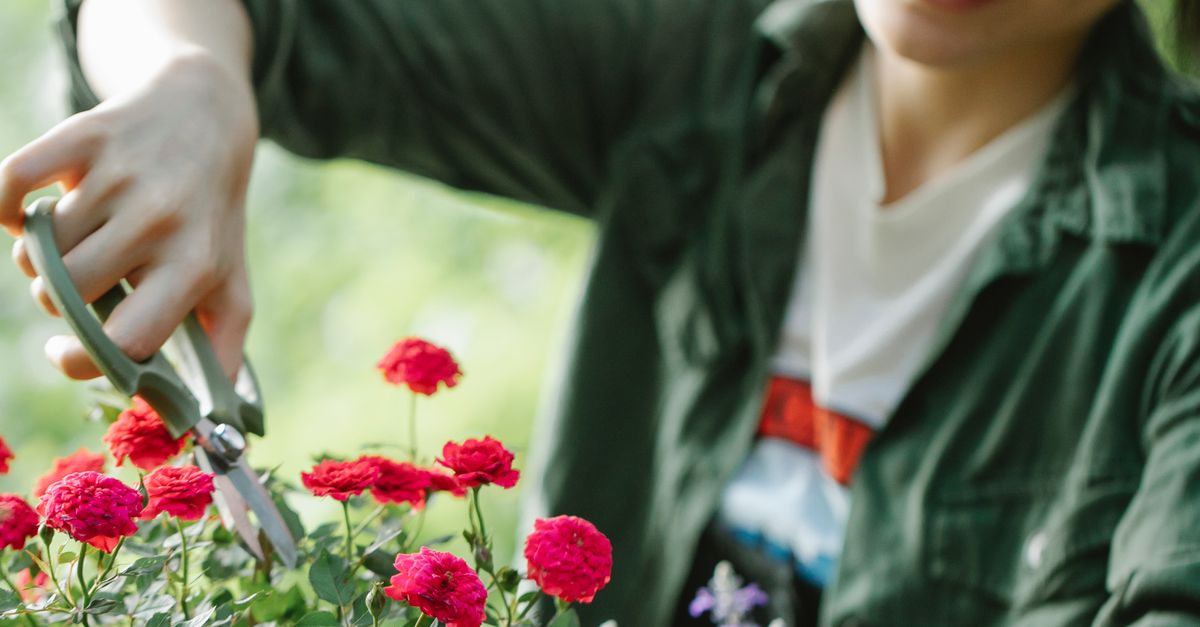
Roses are one of those flowers that actually benefit from regular deadheading throughout the growing season. Snipping off spent blooms encourages the plant to produce more flowers instead of putting energy into seed production.
Use clean, sharp pruners and cut just above the first set of five leaves, angling your cut at 45 degrees. Most modern rose varieties, especially hybrid teas and floribundas, will reward you with continuous blooms from late spring through fall if you stay on top of deadheading.
Check your roses every few days during peak season, and you’ll see a noticeable difference in how many flowers appear.