Remember flipping through your grandmother’s photo albums and noticing all those interesting flowers in her garden? Those same blooms are showing up everywhere again, from Instagram feeds to seed catalogs. It turns out that what’s old is new again in the gardening world.
These classic flowers are easier to grow than you might think, and they bring a sense of nostalgia that modern hybrids just can’t match. Let’s look at some old favorites that deserve a spot in your garden this year.
1.) Hollyhocks
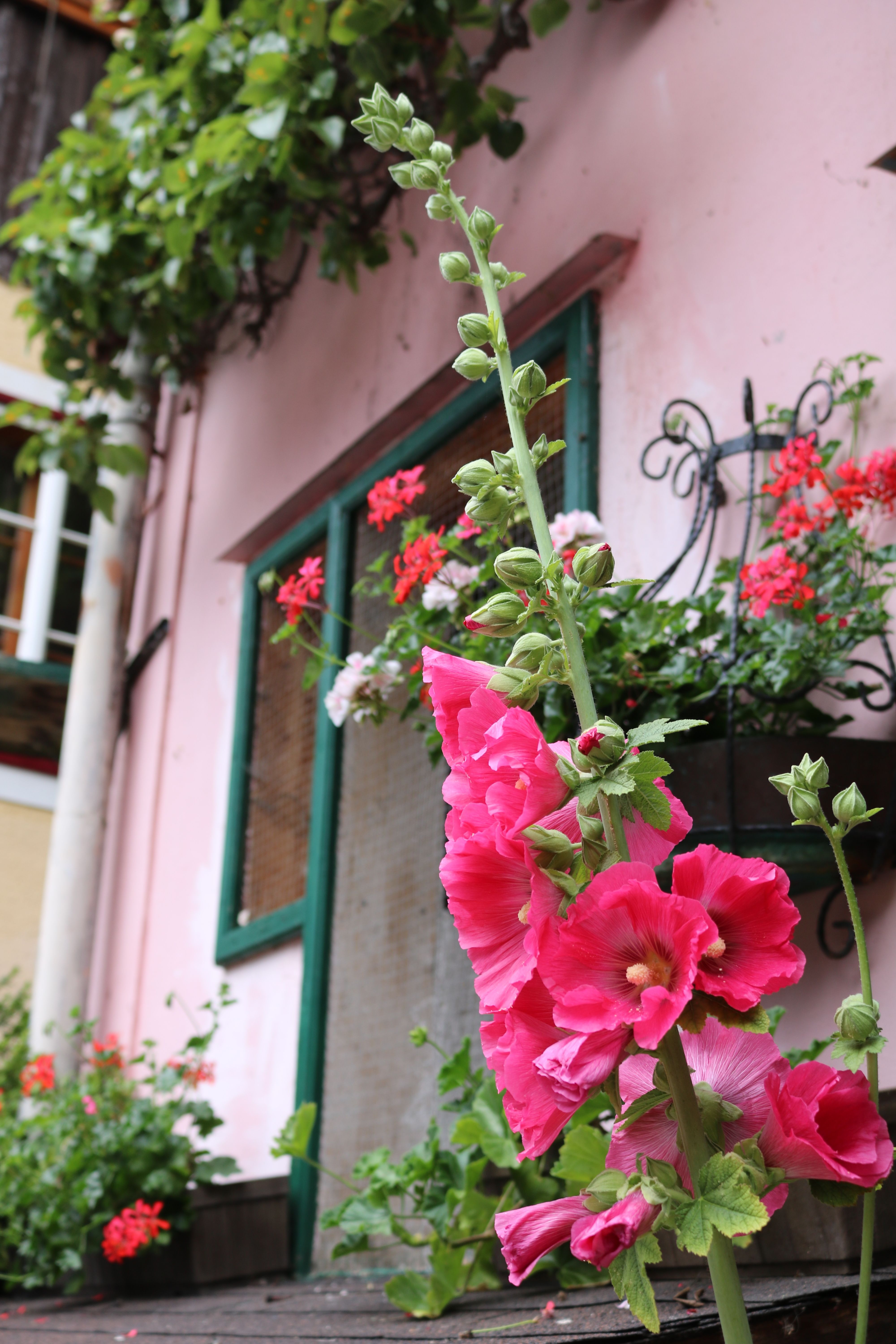
Hollyhocks are those tall, cottage-garden favorites that can reach six feet or more, with flowers stacked along sturdy stems. They come in pink, red, white, yellow, and nearly black shades that bloom from early to late summer.
These biennials or short-lived perennials grow best in full sun and well-drained soil. They’re hardy in zones 3-9 and reseed readily, so you’ll have new plants popping up each year.
Watch for rust disease on the leaves, and plant them against fences or walls where they’re protected from strong winds.
2.) Sweet Peas

Sweet peas bring that nostalgic cottage garden charm with their ruffled blooms and incredible fragrance. Your grandmother probably grew them along a fence or trellis, cutting armfuls for indoor bouquets. These climbing annuals love cool weather, so plant them in early spring for late spring flowers.
They need full sun and something to climb on, reaching 6-8 feet tall. Keep the soil moist and deadhead spent flowers regularly to encourage more blooms. The more you cut them, the more they’ll produce throughout the season.
3.) Foxgloves
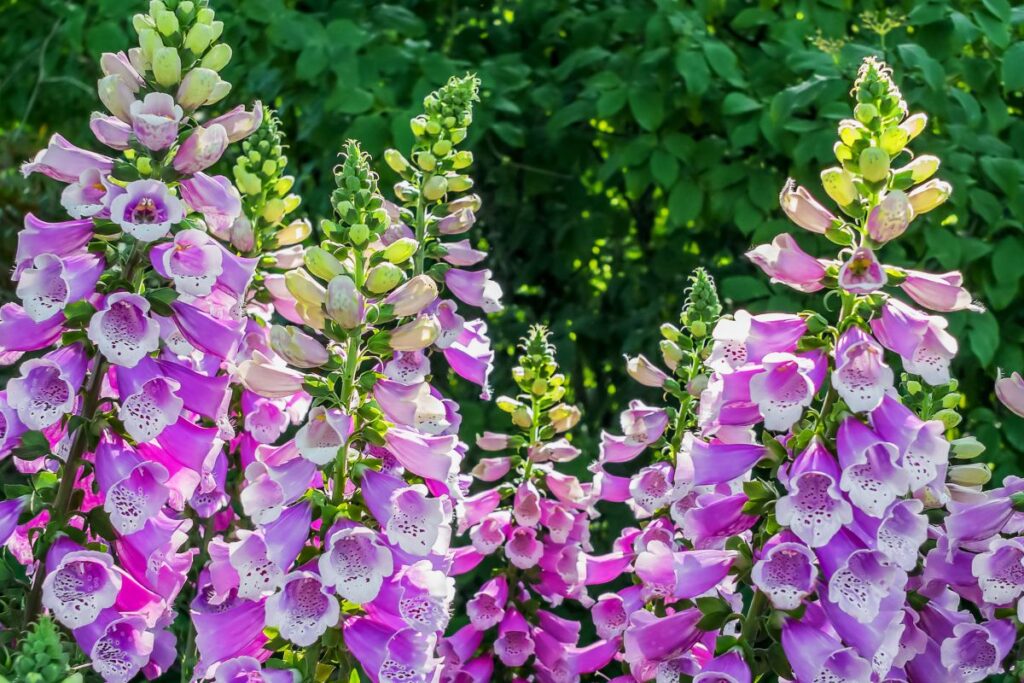
Foxgloves bring that classic cottage garden look with their tall spikes of tubular flowers in pink, purple, white, or yellow. These biennials bloom in late spring and early summer, reaching up to six feet high.
They prefer partial shade and moist, well-drained soil, making them perfect for woodland gardens. Hardy in zones 4-10, foxgloves self-seed easily, so you’ll have new plants each year without much effort.
Keep in mind that all parts are toxic if eaten, so plant them away from curious kids and pets.
4.) Bleeding Heart

Bleeding heart plants earned their name from the distinctive heart-shaped flowers that dangle from arching stems like tiny pink or white lockets. These shade-loving perennials were garden staples for good reason—they practically take care of themselves once established.
They grow best in zones 3-9 and prefer cool, moist soil under trees or on the north side of your house. The foliage naturally dies back in summer heat, so plant them behind later-blooming flowers to fill the gap. Give them compost each spring and divide clumps every few years to keep them healthy.
5.) Peonies
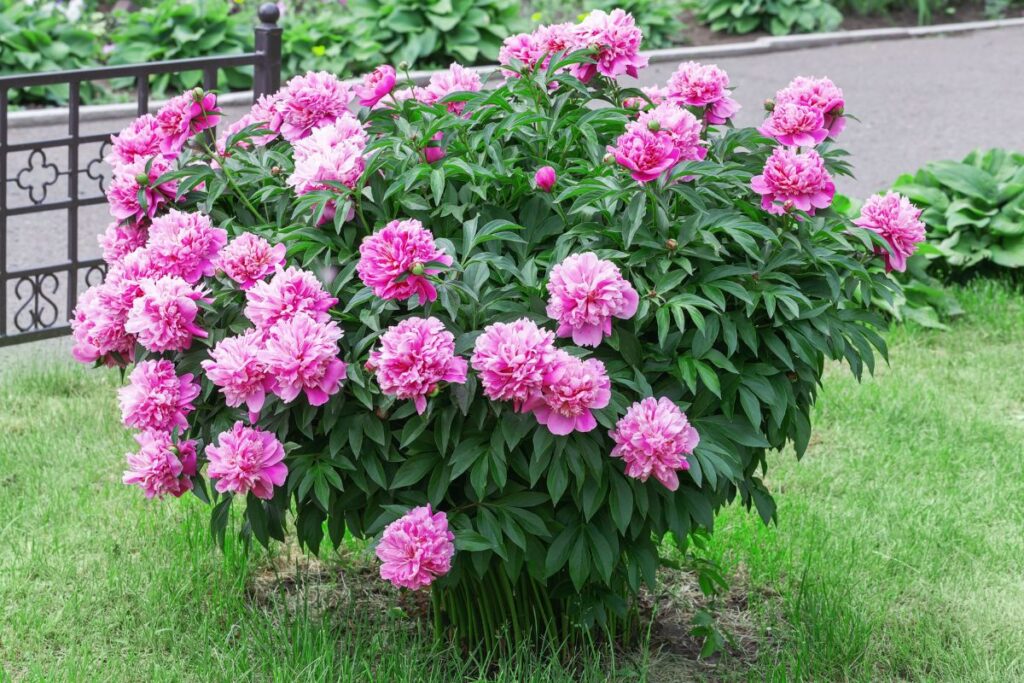
Peonies are those big, fluffy blooms that filled grandma’s garden every spring. These perennials can live for decades once you get them established, often outlasting the gardener who planted them.
They prefer full sun and well-drained soil in zones 3-8. Plant the roots shallow—only about two inches deep—or they won’t bloom. They need cold winters to produce flowers, so they’re perfect for northern gardens.
Give them support stakes since those heavy flowers tend to flop over after rain. Worth the wait though, since they come back bigger every year.
6.) Zinnias

Zinnias were a staple in every grandmother’s cutting garden, and it’s easy to see why they’re popular again. These cheerful flowers bloom nonstop from summer until frost, giving you fresh bouquets for months. They come in nearly every color except blue.
Plant zinnias after your last spring frost in full sun. They actually prefer hot weather and don’t need much fussing over. Deadhead spent blooms to keep new flowers coming, and make sure they have good air circulation to prevent mildew.
They’re perfect for zones 3-10 as annuals.
7.) Sweet William

Sweet William brings cottage garden charm with its clusters of spicy-scented blooms in shades of pink, red, white, and burgundy. These cheerful flowers often feature interesting patterns with contrasting edges or eyes. They’ll self-sow readily once established, popping up year after year.
Plant them in full sun to partial shade in well-draining soil. Hardy in zones 3-9, they typically grow as biennials or short-lived perennials, reaching 12-24 inches tall. Deadhead spent flowers to encourage more blooms throughout late spring and early summer.
8.) Larkspur

Larkspur brings those tall, spiky blooms in shades of blue, purple, pink, and white that grandmothers loved for cottage gardens and fresh-cut arrangements. These cool-season annuals practically grow themselves when you direct-sow seeds in fall or early spring.
Plant them in full sun with decent drainage, and they’ll shoot up to 3-4 feet by early summer. They prefer cooler weather and tend to fade once the heat arrives.
Keep the soil somewhat moist while they’re establishing. Larkspur self-seeds readily, so you might find volunteers popping up year after year.
9.) Four O’Clocks

Four O’Clocks earned their name because the trumpet-shaped blooms pop open in late afternoon and stay open until morning. They come in pink, red, yellow, and white, sometimes with multiple colors on one plant.
These easy-going flowers thrive in zones 7-11 and will self-seed like crazy once established. They need full sun to part shade and can handle drought once their roots are settled in.
Plant them in spring after frost passes, and they’ll grow into bushy plants about two to three feet tall without much fussing from you.
10.) Morning Glories

Morning glories were a staple in grandmother’s cottage garden, and it’s easy to see why they’re climbing back into popularity. These cheerful vines open their trumpet-shaped blooms each morning and close by afternoon, putting on a daily show from summer through fall.
They’re ridiculously easy to grow in zones 3-10. Just soak the seeds overnight, plant them in full sun, and give them something to climb. They’ll handle poor soil and drought once established.
Watch out though—they self-seed freely and can take over if you’re not paying attention.
11.) Nasturtiums

Nasturtiums were a garden staple for good reason—they’re practically foolproof. These cheerful flowers grow in poor soil and actually prefer it, making them perfect for neglected corners. Both the flowers and leaves are edible with a peppery kick that livens up salads.
Plant them after the last frost in full sun to partial shade. They thrive in zones 2-11 as annuals and will self-seed for next year. Watch out though—aphids love them, which makes nasturtiums great companion plants to protect your vegetables.
12.) Snapdragons

Snapdragons bring that nostalgic cottage garden look that’s winning over modern gardeners again. These tall spikes of flowers got their name because you can squeeze the blooms to make them “snap” open like little dragon mouths—something kids never get tired of doing.
Plant them in full sun to partial shade and give them well-drained soil. They’re cool-season annuals that thrive in zones 7-11, preferring spring and fall weather.
Deadhead spent blooms regularly to keep new flowers coming, and they’ll reward you with months of color in whites, pinks, yellows, and reds.
13.) Bachelor’s Buttons
Bachelor’s Buttons bring cheerful blue blooms to your garden from late spring through summer. These carefree annuals practically grow themselves—just scatter seeds directly in the garden after the last frost, and they’ll do the rest. They handle poor soil better than most flowers and actually prefer it on the dry side.
Also called cornflowers, they reach about two feet tall and make excellent cut flowers that last for days in a vase. They’ll often reseed themselves for next year, and deer usually leave them alone. Grows well in zones 2-11.
14.) Sweet Alyssum

Sweet alyssum might look dainty with its clusters of tiny white, pink, or purple blooms, but it’s actually pretty tough. Your grandmother probably planted it along garden edges or in rock gardens, where its honey-scented flowers attracted butterflies all season long.
This low-growing annual thrives in zones 5-9 and prefers full sun, though it tolerates partial shade. Plant it in spring after the last frost, and it’ll self-seed for years to come.
Water regularly but don’t overdo it—alyssum handles drought better than soggy soil. Trim it back mid-summer if it gets leggy.
15.) Cosmos

Cosmos are those cheerful, daisy-like flowers that practically grow themselves. They thrive in poor soil and actually produce more blooms when you skip the fertilizer. Plant them in full sun after the last frost, and they’ll keep flowering until the first freeze.
These flowers reach anywhere from two to six feet tall, depending on the variety. Deadheading spent blooms encourages more flowers, but even if you forget, they’ll reseed themselves for next year. Cosmos work in zones 2-11 and make excellent cut flowers that last about a week in a vase.
16.) Marigolds
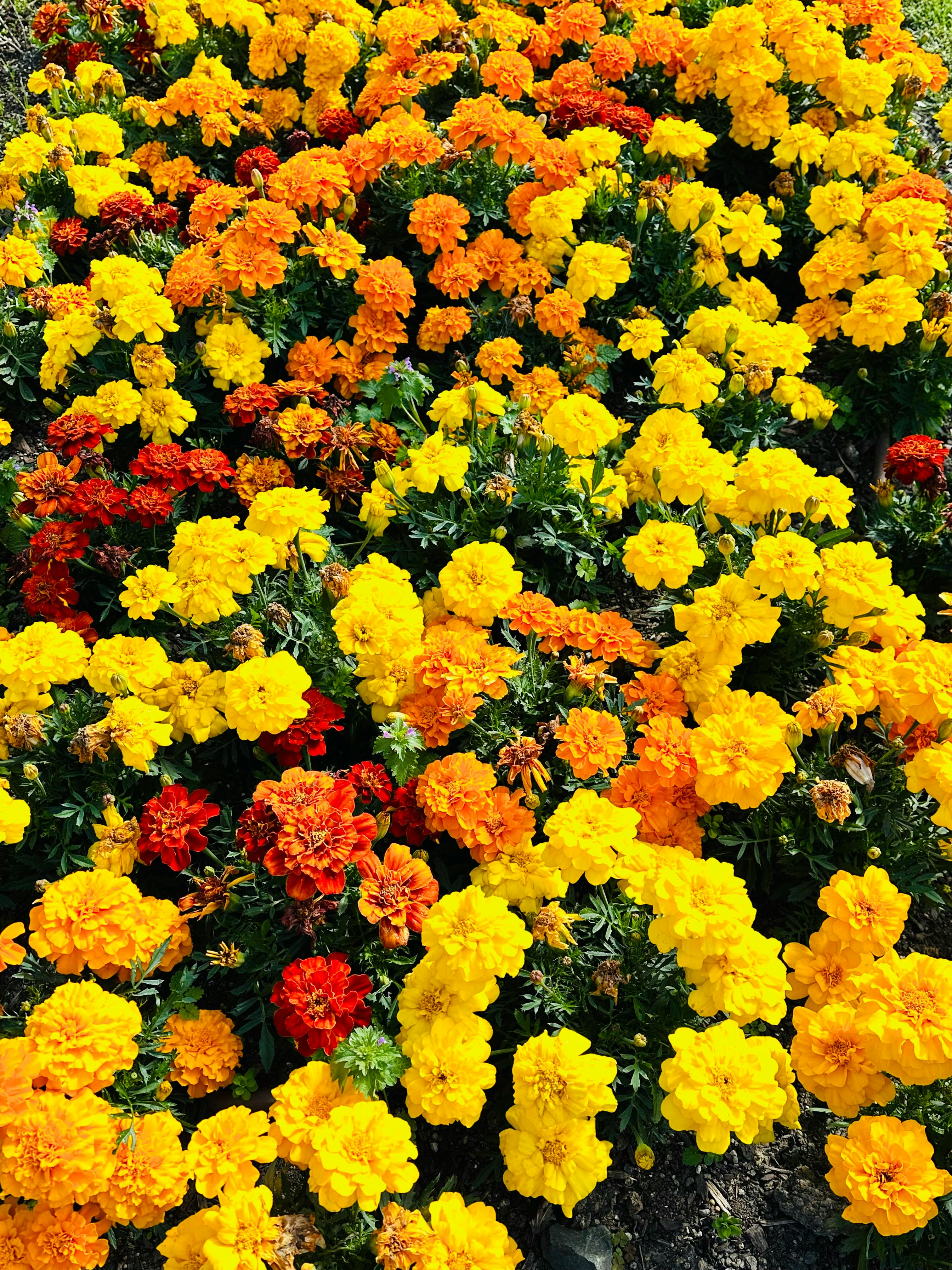
Marigolds were a staple in every grandmother’s garden, and it’s easy to see why they’re coming back. These cheerful flowers bloom all summer long with practically no effort on your part. Just plant them in full sun after the last frost, and they’ll handle the rest.
They grow well in zones 2-11 and actually prefer poor soil over rich dirt. Water them occasionally, deadhead spent blooms, and you’ll have flowers until fall.
Bonus: they naturally repel garden pests like aphids and mosquitoes, making them helpful companions for vegetables.