If you’ve ever stepped outside to find your garden munched down to stubs, you know how frustrating rabbits can be. Those fluffy little troublemakers might look cute, but they can destroy your hard work overnight. The good news? There are plants rabbits naturally avoid because of their strong scents, fuzzy leaves, or bitter taste. Instead of building fences or trying endless deterrents, you can fill your yard with beautiful plants that rabbits will hop right past. Let’s look at some options that actually work.
Lavender

Lavender’s strong scent is naturally off-putting to rabbits, making it a practical choice for garden borders. These aromatic plants grow best in full sun and well-drained soil, thriving in zones 5-9. Once established, they’re quite drought-tolerant and don’t need much fussing over. Plant them about 2-3 feet apart to allow good air circulation, and trim them back after flowering to keep them compact. The purple blooms appear in summer and work double duty—keeping rabbits away while attracting bees and butterflies. Sandy or rocky soil actually helps lavender flourish, so skip the rich compost for these Mediterranean natives.
Marigolds
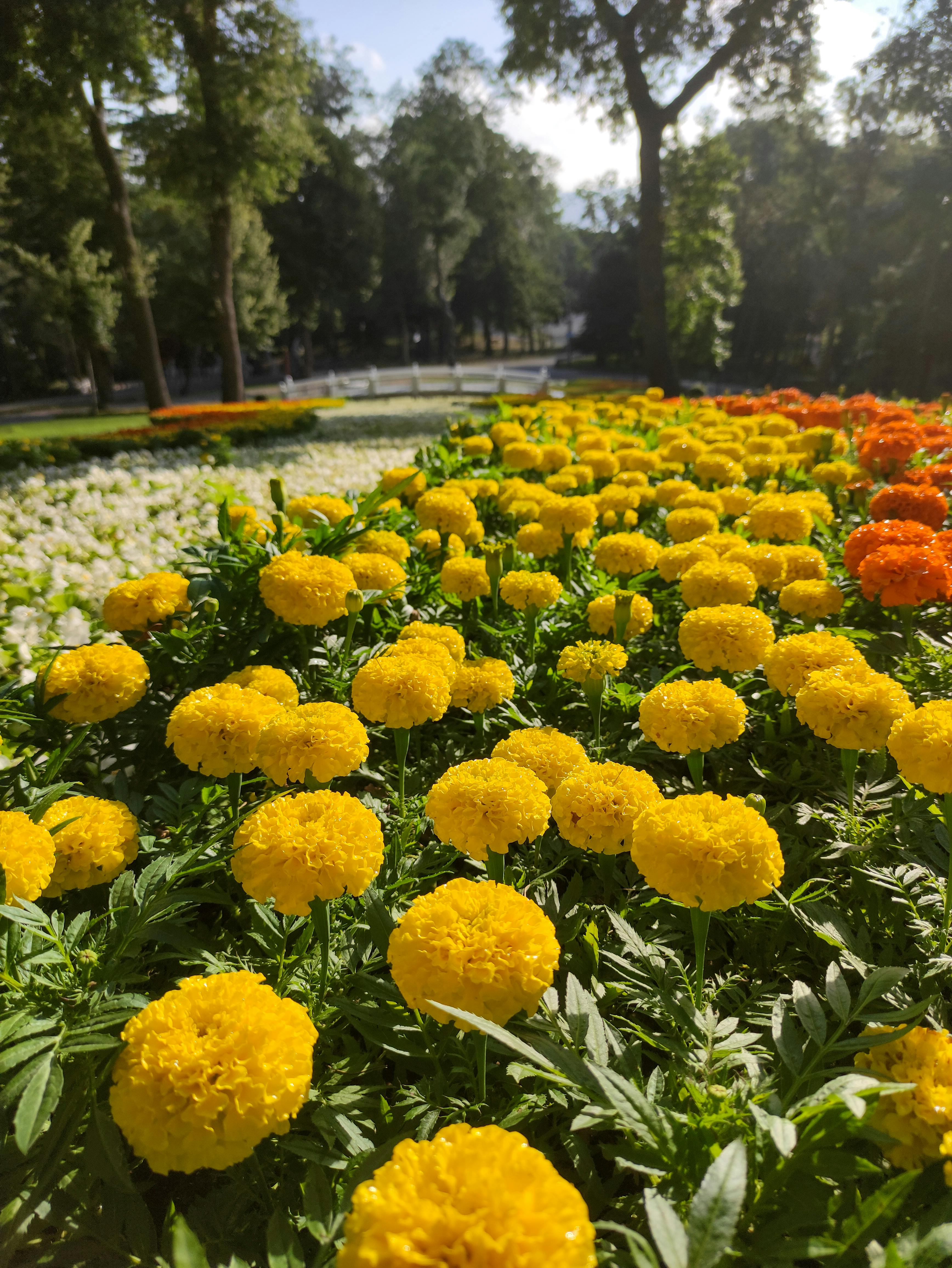
Marigolds bring a cheerful pop of color to your garden while keeping rabbits at bay. These flowers have a strong scent that bunnies find unpleasant, making them an excellent natural deterrent. They grow best in full sun and well-drained soil, and they’re pretty forgiving if you forget to water occasionally. Plant them in zones 2-11 as annuals, or start them from seed after the last frost. Marigolds bloom from spring until the first hard freeze, giving you months of rabbit protection. Space them about 8-10 inches apart along garden borders or between your vegetables for maximum coverage.
Geraniums

Geraniums are a solid choice if you want to keep rabbits away while adding color to your garden beds or containers. Their strong scent naturally repels bunnies, who tend to avoid them completely. These plants do best in full sun and well-drained soil, thriving in zones 9-12, though you can grow them as annuals in cooler areas. They’re pretty low-maintenance—just water them when the soil feels dry and deadhead spent blooms to encourage more flowers. You’ll find them in shades of red, pink, white, and purple. Plant them near vegetables or other plants that rabbits typically munch on for extra protection.
Alliums

Alliums are those ornamental onions with the tall stems and round, pom-pom flowers that bloom in late spring. Rabbits hate them because they’re part of the onion family, and the smell keeps bunnies from even getting close. They grow best in zones 4-8 and need full sun with soil that drains well. Plant the bulbs in fall, about 6 inches deep, and they’ll come back year after year without much fuss. The purple or white blooms sit on stems that can reach 2-4 feet tall, depending on the variety. They’re pretty low-maintenance once established and actually prefer drier conditions.
Daffodils
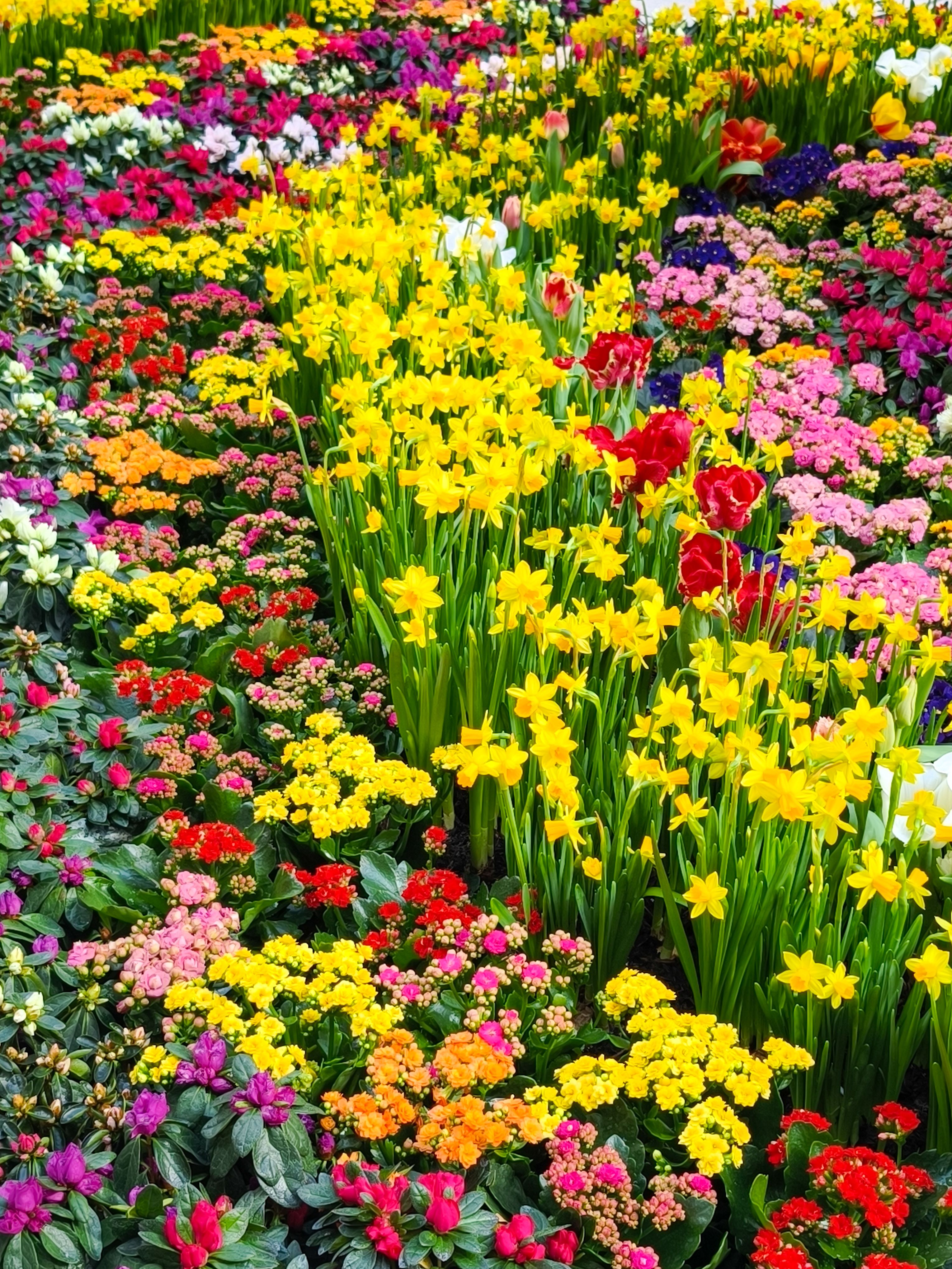
Daffodils are one of the most reliable spring bloomers that rabbits consistently avoid. These cheerful yellow flowers contain toxic alkaloids that make them unappetizing to wildlife, so your spring garden stays intact. Plant the bulbs in fall, about 6 inches deep and in groups for the best effect. They thrive in zones 3-9 and prefer well-draining soil with full sun to partial shade. Once established, daffodils come back year after year with minimal care. They’re also resistant to deer, squirrels, and other garden pests. Water them regularly during their growing season, but they can handle some neglect once the blooms fade.
Foxglove

Foxglove stands tall with its spiky towers of tubular flowers that rabbits won’t go near, thanks to the plant’s toxic properties. These cottage garden favorites grow best in partial shade and moist, well-drained soil, reaching heights of 3-5 feet. They’re typically biennial, meaning they’ll produce foliage the first year and bloom the second. Foxgloves thrive in zones 4-10 and will often self-seed, giving you new plants each year. Just remember to wear gloves when handling them since all parts are poisonous to humans and pets too. Plant them toward the back of your border where their height makes a statement.
Lamb’s Ear

Lamb’s Ear gets its name from the soft, fuzzy texture of its silvery-gray leaves that really do feel like a lamb’s ear when you touch them. Rabbits tend to avoid it because of those thick, fuzzy leaves—they just don’t like the texture. It grows low to the ground and spreads nicely, making it a good ground cover for sunny spots in your garden. Lamb’s Ear does well in zones 4-9 and prefers well-drained soil since too much moisture can cause problems. It’s pretty low-maintenance once established and can handle drought conditions. Just give it full sun and don’t overwater it.
Russian Sage

Russian Sage works double duty in your garden by keeping rabbits away while giving you tall purple-blue flower spikes from summer through fall. The silvery-green foliage has a strong scent that rabbits can’t stand, making them turn around and look elsewhere for dinner. It thrives in full sun and actually prefers dry, poor soil once established—perfect if you tend to forget about watering. Hardy in zones 4-9, this perennial grows 3-4 feet tall and handles heat and drought like a champ. Just give it a good pruning in early spring to keep it looking tidy.
Salvia

Salvia’s strong scent keeps rabbits away while attracting hummingbirds and butterflies to your garden. These perennials come in many varieties, from the deep purple ‘May Night’ to bright red ‘Hot Lips.’ They thrive in full sun and well-draining soil, making them perfect for hot, dry areas. Most salvias grow well in zones 4-9, depending on the variety. Plant them in spring after the last frost, spacing them about 12-18 inches apart. They’re drought-tolerant once established, so you won’t need to water them constantly. Deadhead spent blooms to encourage more flowers throughout the summer and fall months.
Catmint

Catmint works double duty in your garden—it keeps rabbits away while attracting bees and butterflies. The plant produces purple-blue flowers from late spring through fall and has a strong minty scent that rabbits can’t stand. It grows best in zones 3-8 and prefers full sun with well-drained soil. Once established, catmint handles drought pretty well and doesn’t need much fussing over. Cut it back by about half after the first bloom to encourage another round of flowers. The plant typically reaches 1-3 feet tall and spreads nicely to fill in garden spaces without becoming invasive.
Bee Balm

Bee Balm works double duty in your garden by attracting pollinators while keeping rabbits at bay. The strong, minty scent that draws bees and hummingbirds naturally repels hungry bunnies who find it too pungent for their taste. You can grow this perennial in zones 4-9, where it’ll come back year after year. Plant it in full sun to partial shade with moist, well-drained soil, spacing each plant about 18-24 inches apart. Bee Balm spreads pretty quickly, so don’t be surprised if it takes over a bit. Regular deadheading helps prevent self-seeding and encourages more blooms throughout summer.
Black-Eyed Susan

Black-Eyed Susans are cheerful yellow flowers that rabbits typically avoid, making them a smart choice for your garden borders. These native wildflowers bloom from mid-summer through fall and can handle full sun to partial shade without much fuss. They’re tough enough to grow in zones 3-9 and don’t mind if you forget to water them occasionally—they’re quite drought-tolerant once established. Plant them about 18 inches apart in well-draining soil, and they’ll come back year after year. The fuzzy leaves and stems aren’t appealing to rabbits, so your plants should stay intact while attracting butterflies and bees instead.
Yarrow

Yarrow is a feathery-leafed perennial that rabbits tend to avoid thanks to its strong scent and bitter taste. The plant produces flat-topped clusters of flowers in white, yellow, pink, or red throughout summer, attracting butterflies while keeping bunnies at bay. It thrives in full sun and actually prefers poor to average soil, making it pretty low-maintenance. Yarrow is drought-tolerant once established and grows well in zones 3-9. It spreads readily, so you might want to divide it every few years to keep it in check. Just plant it in well-draining soil and let it do its thing—no fussing required.
Snapdragons

Snapdragons are one of those flowers that rabbits tend to avoid, making them a smart pick for gardens where bunnies are a problem. These tall bloomers come in plenty of colors and can handle both full sun and partial shade. They grow best in cooler weather, thriving in zones 7-11, and you’ll often see them planted as annuals in colder areas. The flowers get their name from their shape – squeeze the sides and they look like little dragon mouths opening and closing. Plant them in well-draining soil and deadhead regularly to keep the blooms coming throughout the season.
Cleome

Cleome, also called spider flower, naturally keeps rabbits away with its strong scent and slightly sticky stems that bunnies find unappealing. These tall plants can reach 3-5 feet high and produce clusters of pink, purple, or white flowers throughout summer and fall. They’re annuals that reseed themselves easily, so you’ll likely see them pop up year after year without replanting. Cleome thrives in full sun and handles heat and drought pretty well once established. They work great at the back of borders or along fences. Just give them well-draining soil and occasional water during dry spells, and they’ll bloom reliably all season.
Bleeding Heart

Bleeding Heart earns its name from the distinctive heart-shaped flowers that dangle from arching stems in spring. Rabbits tend to avoid this plant because of its toxic properties, making it a reliable choice for gardens where bunnies are a problem. It grows best in partial to full shade and prefers moist, well-drained soil rich in organic matter. You’ll find it thrives in zones 3-9, though it may go dormant in hot summer weather. The plant reaches about 2-3 feet tall and works well in shaded borders or woodland gardens. Just remember to keep it away from pets and children since all parts are poisonous if eaten.
Columbine

Columbine’s unusual flower shape and slightly bitter foliage make rabbits turn up their noses and hop away. These perennials grow best in partial shade and well-drained soil, reaching about 1-3 feet tall depending on the variety. They’re hardy in zones 3-9 and bloom from late spring through early summer in shades of purple, pink, red, yellow, and white. Columbine self-seeds pretty easily, so you’ll get new plants popping up each year without much effort. They prefer regular watering during dry spells and benefit from a layer of mulch. Once established, they’re fairly low-maintenance and attract hummingbirds while keeping those pesky rabbits at bay.
Iris
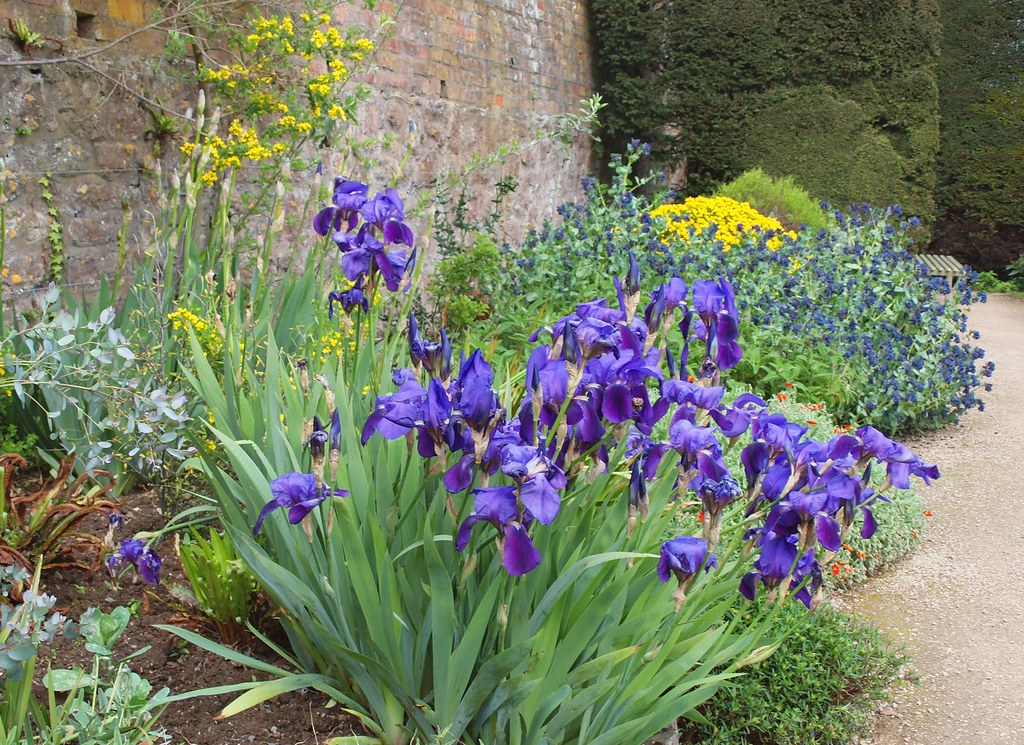
Irises are a solid choice if you want to keep rabbits away while adding some color to your garden. These perennials have tough, blade-like leaves and rhizomes that rabbits naturally avoid due to their bitter taste and texture. They grow well in zones 3-9 and prefer full sun with well-draining soil. Plant the rhizomes in late summer, making sure the tops are slightly exposed above the soil line. Once established, irises are pretty low-maintenance and only need occasional watering during dry spells. They bloom in late spring to early summer and come back year after year without much fuss.
Peonies
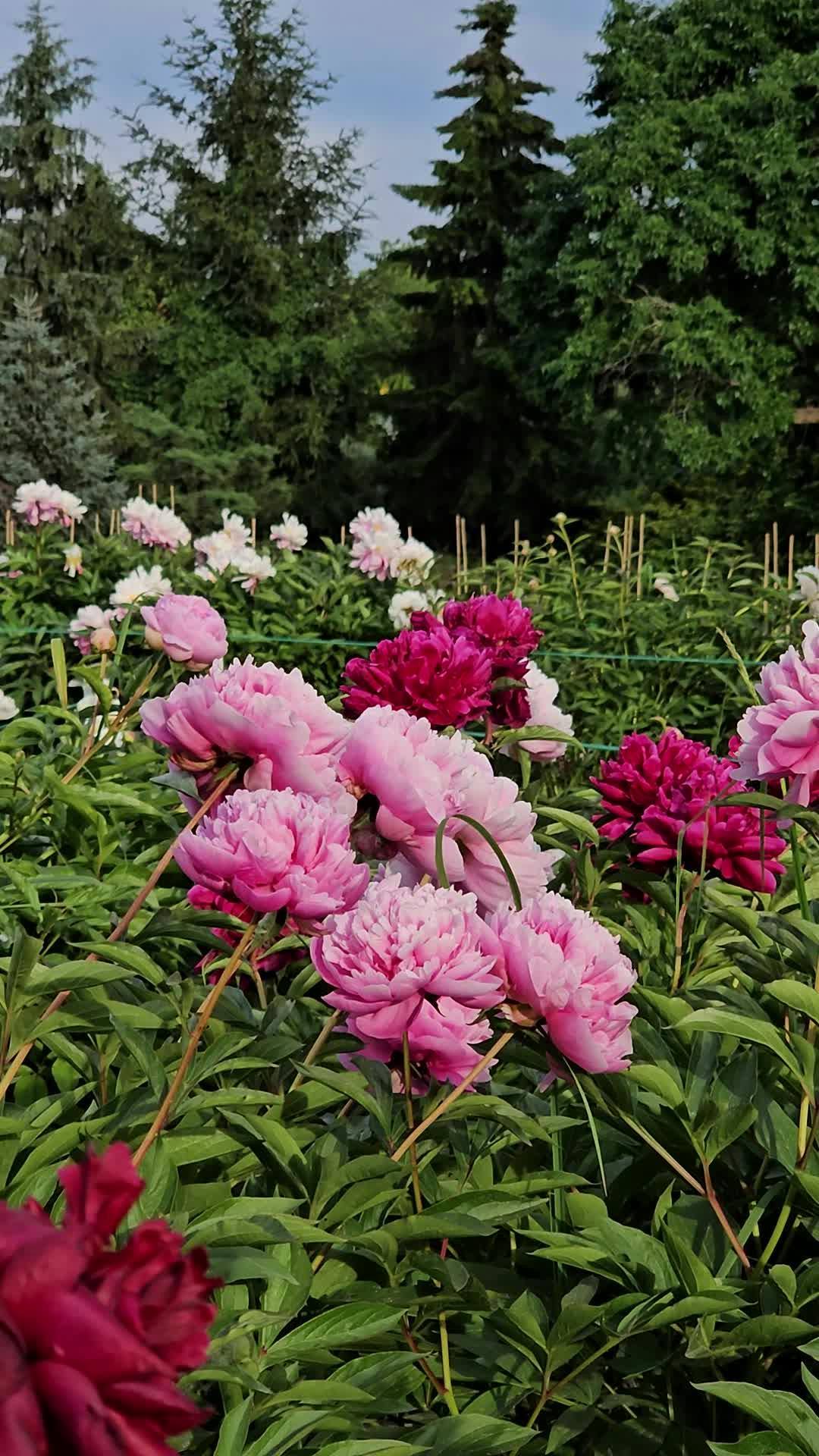
Peonies are a rabbit-resistant option that’ll give you big, fluffy blooms from late spring to early summer. These perennials grow best in zones 3-8 and prefer full sun with at least six hours of direct light daily. Plant them in well-draining soil and give them room to spread, as they don’t like being moved once established. They need a cold winter period to bloom properly, so they’re perfect for northern gardens. The thick stems and leaves have a taste rabbits naturally avoid. Water regularly during their first year, then they’re pretty low-maintenance. Support stakes help keep those heavy flower heads upright.
Hellebores

Hellebores are one of those plants rabbits will walk right past, thanks to their toxic leaves and bitter taste. These early bloomers pop up in late winter or early spring when not much else is flowering, giving you color when your garden needs it most. They do best in partial shade and can handle zones 4-9 without much fussing. Once established, they’re pretty low-maintenance and don’t need much water. Plant them under trees or along shaded borders where rabbits like to nibble. The flowers come in whites, pinks, purples, and greens, lasting for weeks without deadheading.
Ageratum
Rabbits tend to steer clear of ageratum thanks to its fuzzy texture and somewhat bitter scent. These compact plants produce clusters of fluffy blue, pink, or white flowers that bloom from late spring through fall. They work well as border plants or in containers, growing about 6-12 inches tall depending on the variety.
Plant ageratum in full sun to partial shade and keep the soil moist but not waterlogged. They thrive in zones 10-11 as perennials but are commonly grown as annuals elsewhere. Deadheading spent blooms encourages more flowers, though many newer varieties are self-cleaning. They’re low-maintenance once established and handle heat reasonably well.
Verbena

Verbena’s strong scent keeps rabbits at bay while adding clusters of small flowers to your garden beds or containers. These plants come in trailing and upright varieties, making them good options for hanging baskets or ground cover. They thrive in full sun and well-drained soil, handling heat and drought once established. You’ll want to deadhead spent blooms regularly to encourage more flowers throughout the growing season. Verbena works in zones 8-11 as a perennial, though most gardeners in cooler areas treat it as an annual. Water deeply but let the soil dry out between waterings to prevent root rot.