So you’ve killed a fiddle leaf fig? Join the club. Look, we’ve all been there – bringing home a gorgeous plant from the nursery, only to watch it slowly decline no matter what we try.
The truth is, some houseplants have serious diva tendencies, and they’re not afraid to show it. If you’re tired of feeling like a plant murderer, you need to know which green friends require expert-level care before you bring them home.
Fiddle Leaf Fig

The Fiddle Leaf Fig has become a trendy indoor plant, but it’s earned its reputation as a drama queen. These plants want bright, indirect light—but not too much, and definitely not direct sun. They’re picky about watering too.
Let the top inch of soil dry out between waterings, but don’t wait too long or the leaves will drop. They also hate being moved around, drafts, and irregular watering schedules. Consistent temperature between 60-75°F works best.
Brown spots usually mean overwatering, while yellow leaves signal underwatering. It’s basically a plant version of Goldilocks—everything needs to be just right.
Calathea
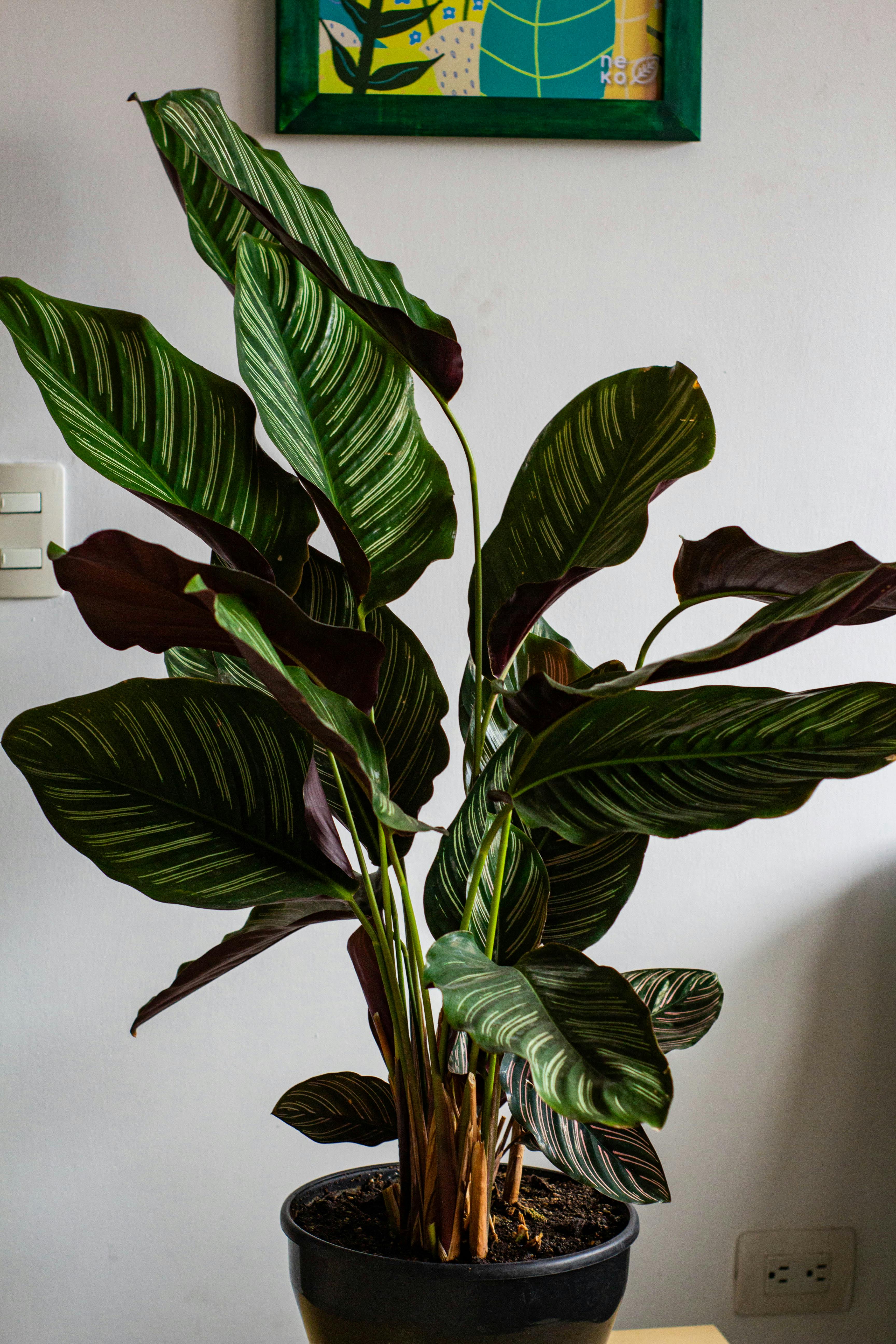
Calathea plants have earned their reputation as drama queens for good reason. These tropical beauties demand high humidity (think 60% or higher), which is tough to maintain in most homes.
They’ll throw a fit if you use tap water—the chemicals cause brown leaf edges—so you’ll need to stick with distilled or rainwater. Keep them in bright, indirect light and away from drafts or heating vents.
The soil needs to stay consistently moist but not soggy, which is a tricky balance to strike. Even experienced plant parents struggle with their tendency to develop crispy leaves and their sensitivity to temperature changes below 65°F.
Maidenhair Fern

Maidenhair ferns look like they belong in a fairy garden with their lacy, bright green fronds, but don’t let that fool you—they’re drama queens.
These ferns need consistent moisture without being waterlogged, which is way harder than it sounds. Let the soil dry out even slightly, and the leaves will turn brown and crispy.
They also demand high humidity, so you’ll probably need to mist them daily or set up a humidifier nearby.
Keep them in indirect light and away from any drafts or heating vents. Miss their watering schedule once, and they’ll let you know by throwing a fit.
Gardenia

Gardenias smell amazing, which is probably why you bought one in the first place. But keeping those creamy white flowers coming? That’s another story.
These shrubs want bright, indirect light and high humidity—think bathroom with a window. They’re picky about water too, needing consistently moist (not wet) soil with good drainage.
Use distilled or rainwater if you can, since they hate tap water minerals. Yellow leaves usually mean you’re doing something wrong with pH levels or watering.
They prefer temperatures between 65-70°F and will drop buds if conditions aren’t just right. Gardenias basically want spa treatment, daily.
Boston Fern
Boston ferns look great hanging in a living room, but they’ll test your patience. These plants need consistent moisture without being waterlogged, which is trickier than it sounds.
Let the soil dry out even slightly, and you’ll find brown, crispy fronds everywhere. They also demand high humidity—we’re talking 50% or higher—so unless you live in a naturally humid climate or run a humidifier, your fern will probably struggle.
Keep them in bright, indirect light and away from heating vents. Plan on misting the leaves regularly or setting the pot on a pebble tray with water.
Zebra Plant

The Zebra Plant looks great with its white-striped dark green leaves, but keeping it happy is another story. It needs bright, indirect light and high humidity—we’re talking 60-70% or higher.
Let it dry out even a little, and the leaves will crisp up and drop. Overwater it, and root rot sets in fast. It also demands consistent warmth between 65-75°F and hates cold drafts.
On top of all that, you’ll need to mist it daily or use a humidifier. Even experienced plant owners struggle with this one, so don’t feel bad if it doesn’t make it.
String of Pearls
String of Pearls looks adorable with its trailing stems of bead-like leaves, but keeping those pearls plump is trickier than you’d think. These succulents need bright indirect light and well-draining soil—overwatering is their biggest enemy.
Water only when the pearls start looking slightly wrinkled, usually every two to three weeks. They hate humidity and cold drafts, so keep them away from bathrooms and windows in winter.
The stems are also fragile and break easily when you’re moving or repotting them. If you live in zones 9-11, you can grow them outdoors, but most people struggle with them as houseplants.
Orchid

Orchids look impressive on a windowsill, but they’re pickier than most people expect. These plants need bright, indirect light—too much sun burns their leaves, while too little means no flowers.
The tricky part is watering: they want to dry out between drinks, and sitting in soggy soil kills them fast. They also demand high humidity, which isn’t easy in most homes.
Temperature matters too—they prefer consistent warmth between 65-75°F and hate cold drafts.
Even experienced gardeners sometimes struggle to get them blooming again after the first flowers fade. They’re definitely more work than a basic houseplant.
Croton

Crotons are known for their colorful foliage, but they’ll make you work for those bright leaves. These tropical plants are drama queens that drop leaves at the slightest change in their environment.
They need bright, indirect light for at least six hours daily, and even slight drafts from air vents can stress them out. Keep the soil consistently moist but not soggy, and they require high humidity—think 40-80%.
Temperatures below 60°F will send them into a tailspin. They’re also toxic to pets, so placement matters. If you can nail their precise conditions, they’ll reward you with multicolored foliage in reds, oranges, and yellows.
Alocasia

Alocasia plants look impressive with their large, arrow-shaped leaves, but they’re notoriously fussy about their environment. These tropical beauties demand high humidity (we’re talking 60% or higher), consistently moist but not soggy soil, and bright indirect light.
Too much direct sun burns the leaves, while too little causes them to droop. They’re also dramatic about temperature changes and will throw a fit if exposed to drafts or cold air below 60°F.
Many varieties go dormant in winter, losing all their leaves and freaking out new plant owners who think they’ve killed them. If you live in zones 9-11, you can grow them outdoors year-round.
Prayer Plant

Prayer Plants earn their name from leaves that fold up at night like hands in prayer, but they’re downright fussy about their living conditions. These tropical natives demand high humidity—think 60% or higher—which most homes don’t naturally provide.
They’ll throw a fit with brown, crispy edges if the air is too dry or you use tap water with chemicals. Keep them in bright, indirect light and consistently moist (but not soggy) soil. They also hate temperature swings and cold drafts.
Unless you’re running a humidifier and checking on them constantly, these patterned beauties will likely struggle in your care.
Peace Lily

Despite its reputation as a beginner plant, the Peace Lily can be pretty fussy once you get it home. It loves consistently moist soil but will develop root rot if you overwater it—finding that balance is tricky.
The leaves droop dramatically when it needs water, which looks alarming every single time. Peace Lilies also demand high humidity and will get brown leaf tips in dry air, especially during winter.
They prefer bright, indirect light but can survive in low light, though they probably won’t bloom. Keep them away from drafts and maintain temperatures between 65-80°F. They’re also toxic to pets, so placement matters.
African Violet
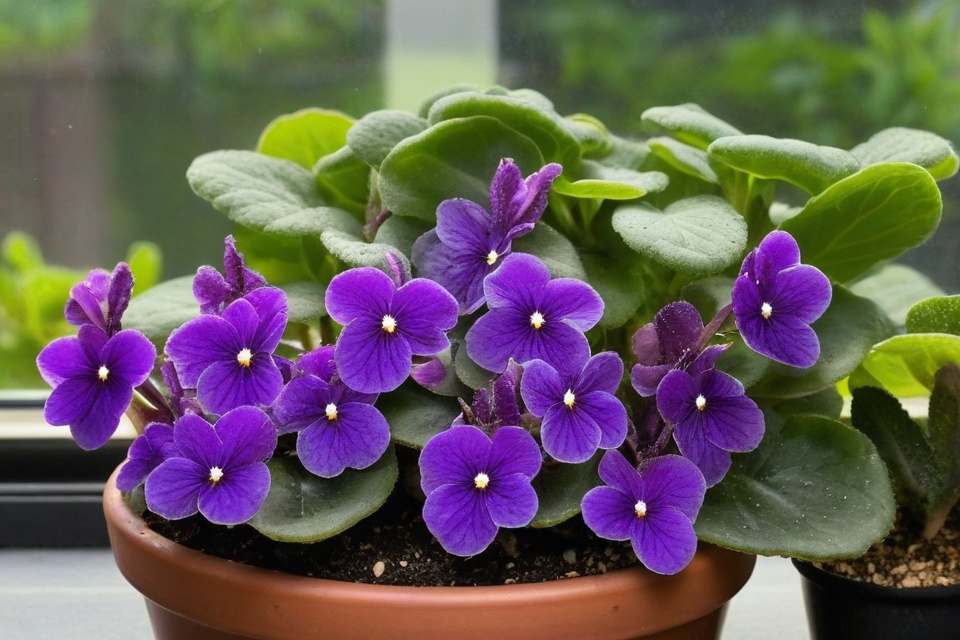
African Violets look innocent enough with their fuzzy leaves and cheerful blooms, but they’re secretly drama queens. These plants hate getting their leaves wet, so you’ll need to water from below or risk brown spots everywhere.
They’re picky about light too—give them bright, indirect sunshine, or they’ll refuse to flower. Temperature swings? Forget it. They want consistent warmth between 65-75°F.
The soil needs to stay moist but not soggy, which is way harder to nail than it sounds. Miss the mark on any of these requirements, and your African Violet will let you know by sulking indefinitely.
Polka Dot Plant

The Polka Dot Plant looks adorable with its spotted leaves in pink, white, or red patterns, but keeping it happy is another story.
These plants are incredibly fussy about water—they’ll droop dramatically if they get too dry, yet root rot sets in fast if you overwater. They need bright, indirect light to maintain their spotted patterns, but direct sun will scorch the leaves.
High humidity is a must, so expect to mist daily or use a humidifier. They also get leggy quickly and need regular pinching back to stay compact. Native to warm climates, they struggle in typical dry indoor environments.
Bird of Paradise
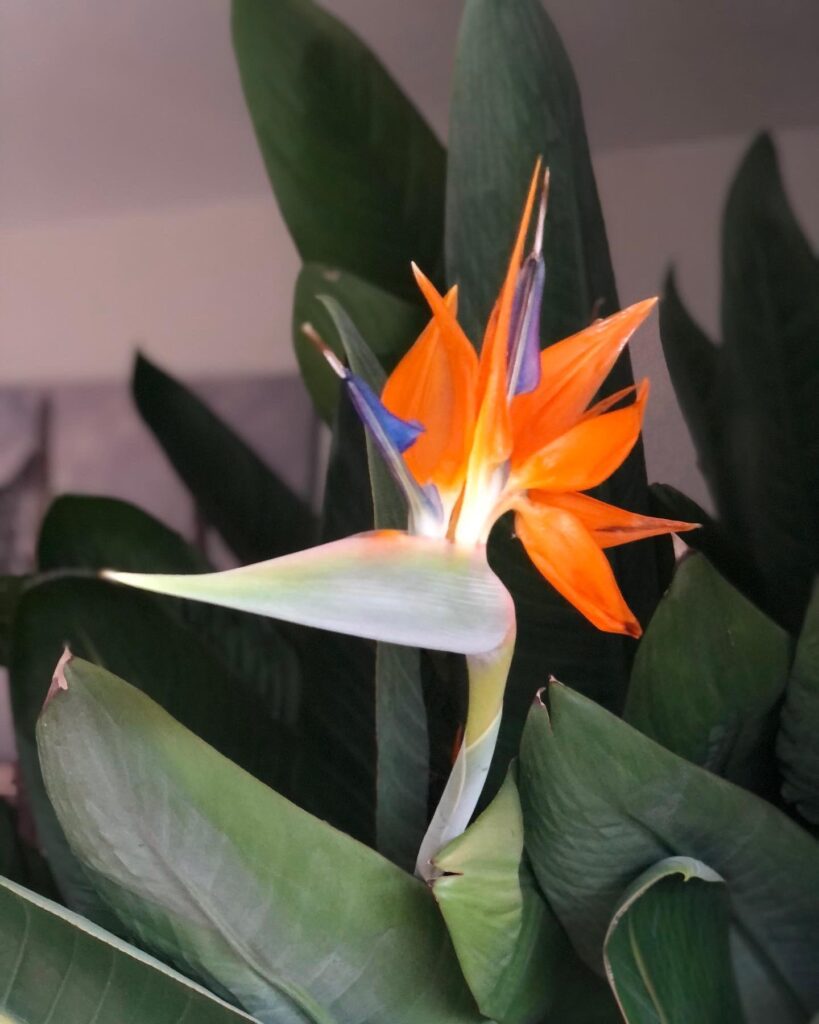
Bird of Paradise looks like a tropical dream with its large banana-like leaves and exotic orange flowers, but getting those blooms indoors is another story.
The plant needs bright, direct sunlight for several hours daily—we’re talking right next to a south-facing window. It also demands high humidity, consistent watering (but not soggy soil), and temperatures above 60°F.
Most frustrating? It rarely flowers indoors unless conditions are absolutely perfect, which can take years to achieve.
The leaves split naturally, but brown edges usually mean you’re not meeting its fussy moisture requirements. Expect to do some serious troubleshooting with this one.
Monstera Deliciosa
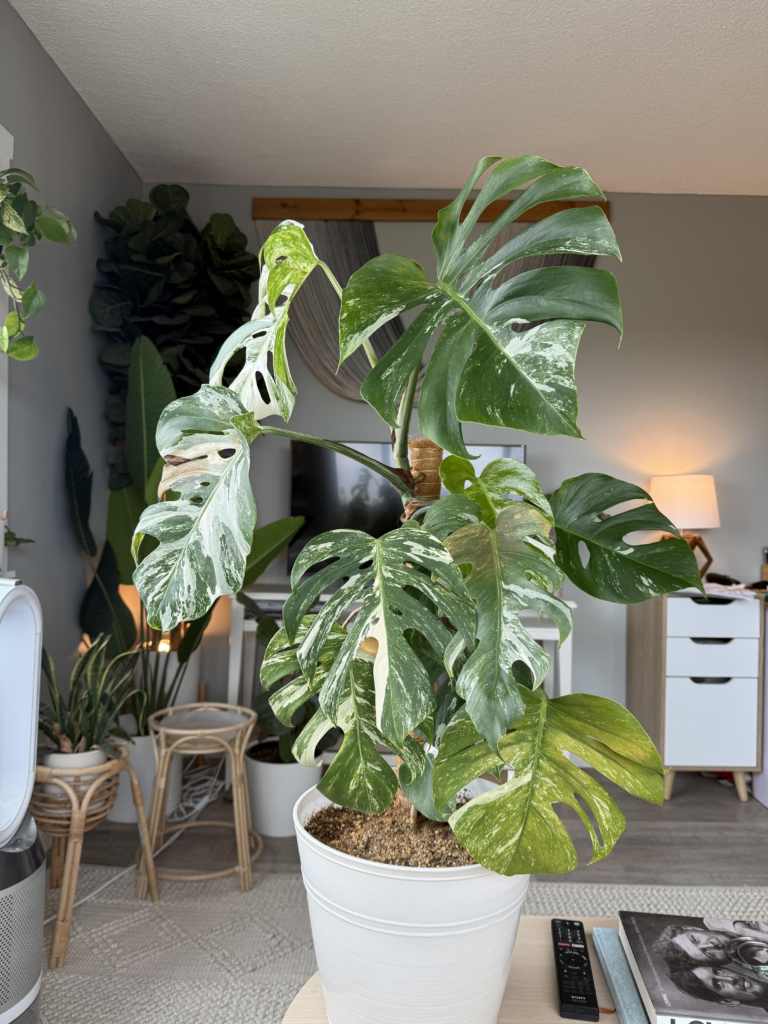
The Monstera Deliciosa might look easy with those trendy split leaves, but it’s pickier than you’d think. These tropical plants need bright, indirect light—too much sun burns the leaves, while too little stops those iconic splits from forming.
The real headache? Watering. They want consistently moist soil but hate sitting in water, which leads to root rot fast. You’ll also need to deal with aerial roots that grow everywhere and wipe down those big leaves regularly to prevent dust buildup.
They prefer humidity above 60% and temperatures between 65-85°F. Plan on repotting every couple years as they grow surprisingly large indoors.
Stromanthe Triostar
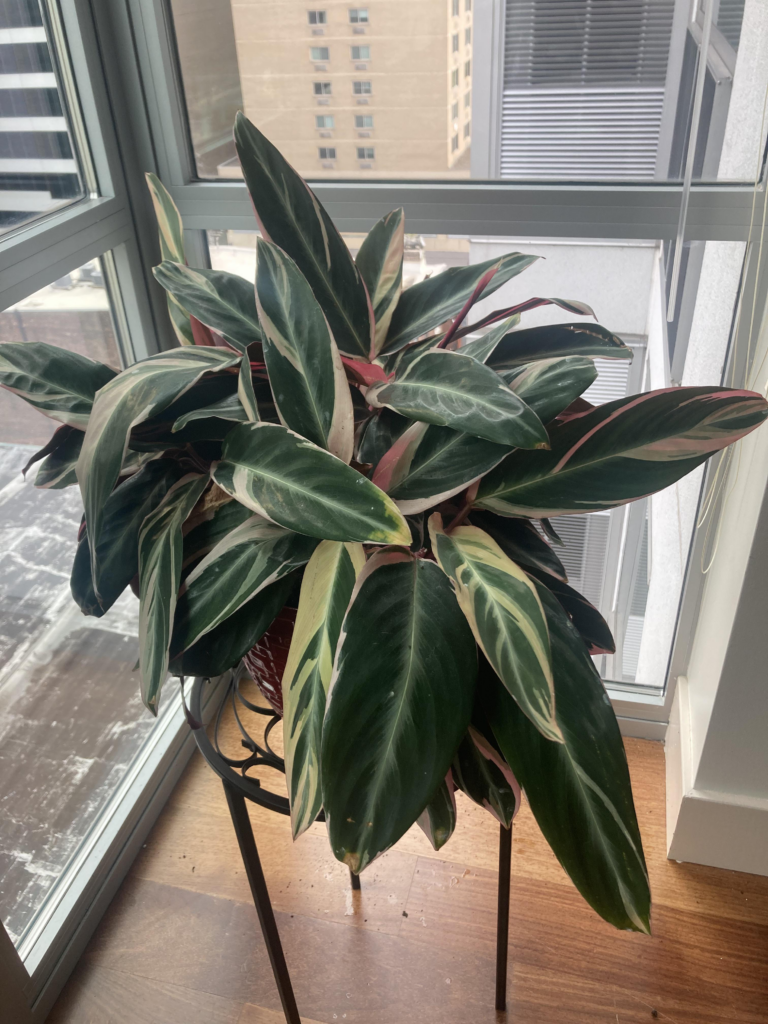
Stromanthe Triostar looks great with its pink, white, and green striped leaves, but don’t let the pretty colors fool you—keeping one alive takes real effort.
These plants are drama queens about humidity and will throw a fit (hello, crispy brown edges) if the air gets too dry. They need consistently moist soil without being waterlogged, bright indirect light, and temperatures between 65-80°F.
Tap water can cause issues thanks to fluoride and chlorine, so use filtered or distilled water instead.
Native to Brazilian rainforests, they expect tropical conditions year-round. Miss any of these requirements, and your Triostar will let you know fast.
Rex Begonia

Rex Begonias look great with their patterned leaves in silver, purple, and pink combinations, but they’re picky about their environment. These plants need high humidity—we’re talking 50% or higher—which most homes don’t naturally have.
They’ll also throw a fit if you overwater them, yet they hate drying out completely. Put them in bright, indirect light and use well-draining soil. Direct sun will scorch those fancy leaves.
Keep temperatures between 60-75°F and avoid cold drafts. Most people struggle because these begonias basically want greenhouse conditions year-round, which is tough to maintain in a regular living room.
English Ivy
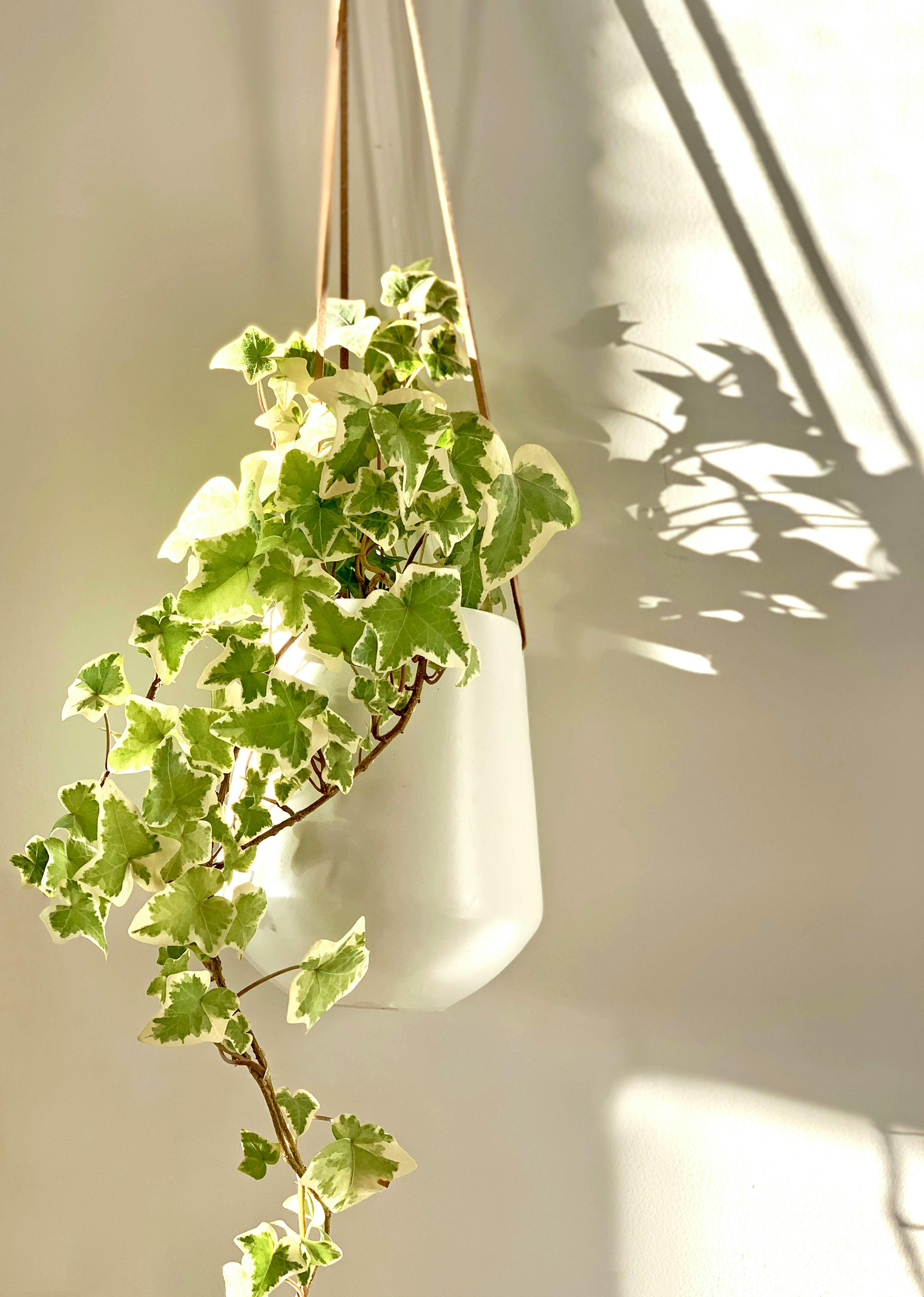
English Ivy looks easy to grow, but it’s actually pretty fussy indoors. The main problem? It hates dry air and warm temperatures, which describes most homes perfectly.
You’ll need to mist it regularly or use a humidifier to keep it from turning brown and crispy. It prefers bright, indirect light and consistently moist soil—not too wet, not too dry.
Spider mites love attacking stressed ivy, so check the leaves often. If you can keep your home cool (around 50-70°F) and humid, you might have better luck. Otherwise, expect some frustration with this one.
Aluminum Plant

The Aluminum Plant looks great with its silvery markings on green leaves, but keeping those colors bold is trickier than you’d think.
It needs bright, indirect light—too much sun bleaches the leaves, while too little makes them fade to plain green. The real challenge is humidity. If your home drops below 50% humidity, expect crispy brown edges.
Water when the top inch of soil dries out, but don’t let it sit in water or the roots will rot. Native to tropical regions, it prefers temperatures between 60-75°F. Pinch back regularly to prevent it from getting leggy and sparse.
Nerve Plant
The Nerve Plant (Fittonia) might look pretty with its veined leaves, but it’s basically a drama queen. It needs high humidity to survive, so unless you’re running a humidifier or keeping it in a bathroom, expect crispy leaves.
Water it too little and it faints immediately. Water it too much and the roots rot. It also hates direct sunlight but won’t grow in dark corners either—you need bright, indirect light.
Keep temperatures between 60-80°F and mist it regularly. These plants thrive in terrariums where humidity stays consistent, which tells you everything about how fussy they are.
Staghorn Fern

Staghorn ferns look like something out of a prehistoric forest with their antler-shaped fronds, but keeping one happy requires serious attention to detail.
These epiphytes grow on trees in their natural habitat, so they need to be mounted on boards or grown in hanging baskets with excellent drainage.
They’re incredibly picky about watering—the base needs to stay moist but never soggy, which means misting regularly or soaking the whole mount every week or two.
Indirect light is a must, and they’ll throw a fit if your home’s humidity drops below 50%. Skip the fertilizer though, or you’ll burn those fronds.
Maranta
The prayer plant earns its name from leaves that fold up at night like praying hands, but don’t let that cute quirk fool you.
Marantas are fussy about their environment and will throw a fit if conditions aren’t just right. They need consistently moist (not wet) soil, high humidity, and indirect light—too much sun will fade their patterned leaves.
Tap water can cause brown leaf tips due to chemicals, so use filtered or rainwater instead. Keep temperatures between 65-75°F and mist regularly or use a humidifier. They’re basically the high-maintenance friend of the houseplant world.
Chinese Money Plant
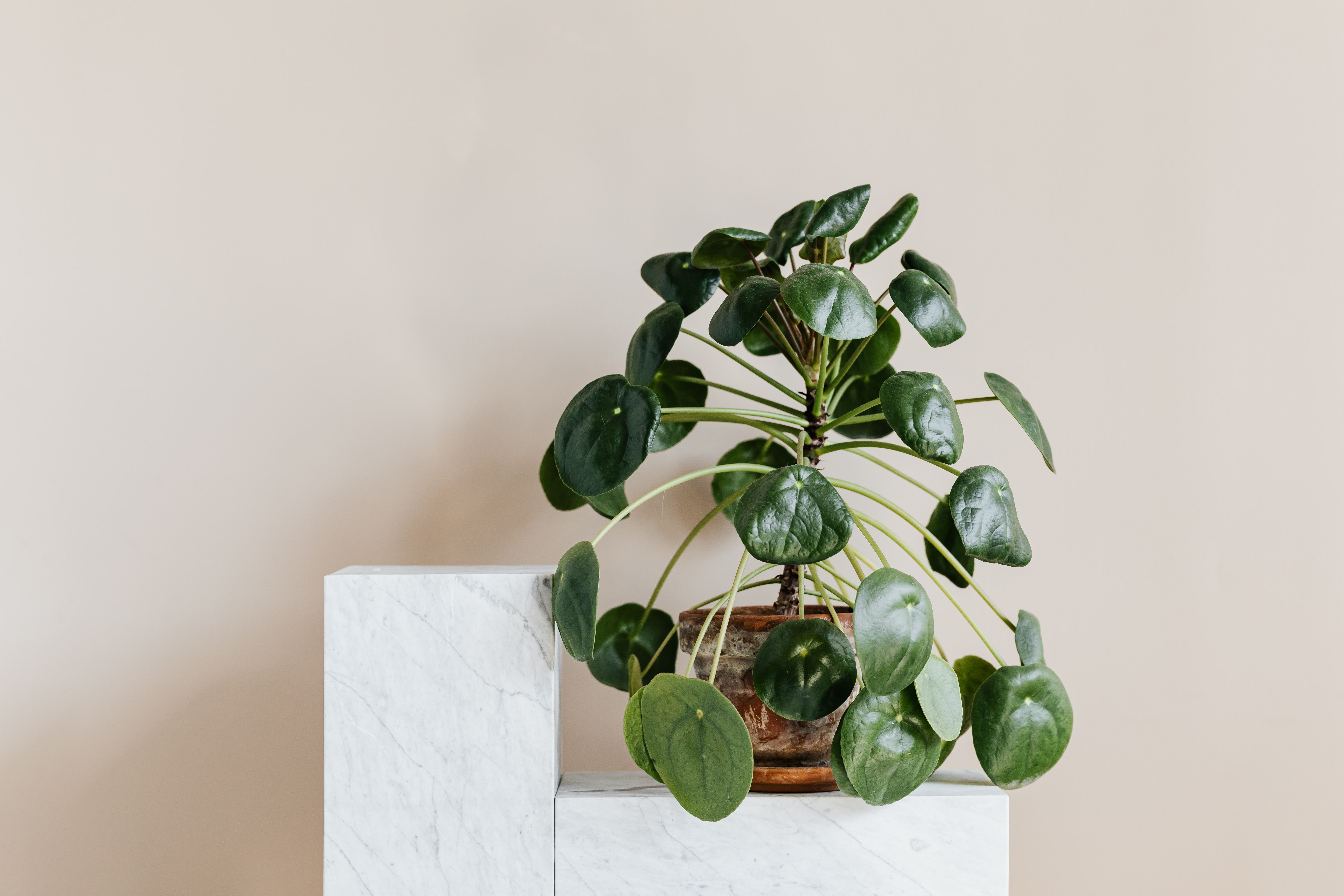
The Chinese Money Plant looks easy to care for with its cute, round leaves, but it’s pickier than you’d think.
These plants demand bright, indirect light—too much sun scorches the leaves, while too little makes them droopy and sad.
They’re sensitive to overwatering, so you’ll need to let the soil dry out between waterings. Temperature swings stress them out, and they hate drafts from windows or AC vents.
They also get leggy and uneven if you don’t rotate them regularly. The plant tends to develop brown spots if the water quality isn’t right, so filtered water works best.