There’s nothing more frustrating than waking up to find your favorite flowers nibbled down to stubs. If deer and rabbits keep treating your garden like an all-you-can-eat buffet, you’re not alone. The good news? Some plants naturally repel these hungry visitors without any extra effort on your part. Whether it’s their smell, taste, or texture, certain flowers and greenery just don’t appeal to wildlife. Here are 24 plants that’ll help you keep your garden intact.
Lavender

Lavender keeps deer and rabbits away thanks to its strong scent and fuzzy texture—both animals can’t stand either. Plant it in full sun and well-drained soil, as it hates wet feet and will rot in soggy conditions. Once established, it’s quite drought-tolerant and needs minimal watering. Trim the spent flowers after blooming to keep plants bushy and encourage more growth. Most varieties thrive in zones 5-9, though some are hardier than others. Space plants about 12-18 inches apart for good air circulation. As a bonus, you’ll get fragrant purple blooms that attract bees and butterflies while keeping the nibblers at bay.
Russian Sage

Russian Sage keeps deer and rabbits away thanks to its strong aromatic oils that wildlife find off-putting. The silvery-gray foliage and lavender-blue flowers appear from mid-summer through fall, giving you months of color when other plants are fading.
It thrives in full sun and actually prefers dry, poor soil—no fancy fertilizers needed. Hardy in zones 4-9, it can handle drought, heat, and cold winters without much fuss. Cut the stems back to about 6-8 inches in early spring to keep the plant looking tidy. Russian Sage grows 3-4 feet tall and works well in xeriscapes or low-maintenance gardens where you want reliable blooms without the wildlife damage.
Lamb’s Ear

Lamb’s Ear gets its name from its soft, fuzzy leaves that feel just like a lamb’s actual ear. Deer and rabbits won’t touch it because of those thick, woolly leaves—they just don’t like the fuzzy texture in their mouths. The silvery-gray foliage grows low to the ground and spreads nicely to fill in garden spaces. It thrives in zones 4-9 and prefers full sun with well-drained soil. Once established, Lamb’s Ear handles drought pretty well, so you won’t need to water it constantly. The plant sends up purple flower spikes in summer, though many gardeners cut them off to keep the focus on those fuzzy leaves.
Yarrow

Yarrow is a tough perennial that deer and rabbits consistently avoid thanks to its strong, pungent scent and bitter taste. These feathery plants produce flat-topped clusters of flowers in white, yellow, pink, or red throughout summer. They’re incredibly easy to grow in zones 3-9 and actually prefer poor soil with good drainage. Once established, yarrow handles drought like a champ and needs almost no maintenance. It grows 1-3 feet tall depending on the variety and spreads readily, making it great for filling in larger areas. Just give it full sun and watch it thrive while wildlife steers clear of your garden beds.
Catmint

Catmint puts out aromatic leaves and purple-blue flowers that deer and rabbits will walk right past. The strong scent keeps them away, which is great news if you’re tired of critters munching your garden. It grows well in zones 3-8 and actually prefers poor soil with good drainage. Full sun works best, though it can handle some shade. Once established, catmint is pretty drought-tolerant and doesn’t need much fussing over. Cut it back after the first bloom and you’ll get another round of flowers later in summer. Just space plants about 18 inches apart since they spread a bit.
Salvia

Salvia brings cheerful blooms to your garden while keeping hungry deer and rabbits at bay. These critters can’t stand the strong scent of its foliage, making salvia a smart choice for problem areas. You’ll find varieties that thrive in zones 4-11, depending on which type you choose. Most salvias prefer full sun and well-drained soil, and they’re pretty forgiving once established. They actually do better with less water than more, so they’re great if you tend to forget about watering. Deadhead spent flowers to encourage more blooms throughout the season. Purple and red varieties are especially popular with hummingbirds.
Butterfly Bush

Butterfly Bush lives up to its name by attracting butterflies while keeping deer and rabbits away. The strong scent that pollinators love is exactly what browsing animals want to avoid. These deciduous shrubs grow 4-10 feet tall and produce long, cone-shaped flower clusters in purple, pink, white, or yellow from summer through fall. They thrive in zones 5-9 and prefer full sun with well-drained soil. Butterfly Bush is pretty low-maintenance once established and handles drought well. Prune it back in late winter to encourage bushier growth and more blooms. Just be aware that some varieties can spread aggressively in certain regions.
Coneflower

Coneflowers earn their place in deer-resistant gardens thanks to their rough, spiky foliage and prickly seed heads that wildlife tend to avoid. These prairie natives thrive in full sun and actually prefer lean soil, making them perfect for those dry, forgotten corners of your yard. Hardy in zones 3-9, they’ll come back year after year without much fuss on your part. The flowers bloom from mid-summer through fall, and they’re drought-tolerant once established. Deadhead spent blooms to encourage more flowers, or leave the seed heads for winter interest and to feed the birds that do visit your garden.
Black-Eyed Susan

Black-Eyed Susans bring cheerful yellow blooms to your garden from summer through early fall, and deer and rabbits usually leave them alone thanks to their coarse, hairy foliage. These perennials grow best in zones 3-9 and aren’t picky about soil conditions as long as they get full sun to partial shade. They’ll reach about 2-3 feet tall and spread easily, sometimes even self-seeding throughout your garden. Water them regularly when first planted, but once established, they handle drought pretty well. Deadheading spent flowers keeps them blooming longer, though many gardeners leave the seed heads for winter bird food.
Bee Balm

Bee Balm produces clusters of tubular flowers that deer and rabbits typically avoid, thanks to its strong minty scent. The plant grows 2-4 feet tall and thrives in full sun to partial shade, making it easy to fit into most garden layouts. Hardy in zones 4-9, it spreads readily and can handle a range of soil conditions as long as drainage is decent. Deadhead spent blooms to encourage more flowers throughout summer. Watch out for powdery mildew in humid climates—spacing plants properly for air circulation helps prevent this issue. As a bonus, hummingbirds and butterflies love the blooms while garden pests stay away.
Foxglove

Foxglove towers over most garden plants with its tall spikes of tubular flowers that bloom in late spring and early summer. Deer and rabbits steer clear of foxglove because all parts of the plant are toxic, making it a reliable choice for gardens where wildlife is a problem. These biennial or short-lived perennials prefer partial shade and moist, well-drained soil. They grow best in zones 4-8 and will often self-seed, giving you new plants each year without extra effort. Just remember to wear gloves when handling them, and keep them away from pets and children since they’re poisonous if eaten.
Bleeding Heart

Bleeding Heart earns its name from the distinctive heart-shaped flowers that dangle from arching stems in spring. The good news? Deer and rabbits leave it alone, likely because of its toxic properties. You’ll find it does best in partial to full shade with moist, well-drained soil, making it perfect for those tricky shady spots in your yard. It grows well in zones 3-9 and typically reaches about 2-3 feet tall. The plant goes dormant in summer heat, so don’t panic when the foliage dies back—it’s just taking a break until next spring.
Daffodils

Daffodils are a classic spring bulb that deer and rabbits typically avoid because of their toxic alkaloids. Plant these bulbs in fall, about 6 inches deep and in groups for better impact. They grow best in zones 3-8 and prefer well-drained soil with full sun to partial shade. Once established, daffodils need little maintenance and will come back year after year. Water them during dry spells in spring, but you can pretty much ignore them once the foliage dies back. They’re poisonous to wildlife, so while other plants get munched, your daffodils will bloom undisturbed each March or April.
Alliums

Alliums are ornamental onions that deer and rabbits will avoid like the plague, thanks to their strong onion scent. These spring-blooming bulbs produce round, globe-shaped flowers on tall stems that can reach up to 4 feet high, depending on the variety. Plant them in fall in well-draining soil and full sun for best results. They’re hardy in zones 4-8 and require minimal care once established. The purple, pink, or white blooms appear in late spring and early summer, and they make excellent cut flowers. As a bonus, pollinators love them while furry pests stay far away. Let the foliage die back naturally after blooming to feed the bulbs for next year.
Fritillaria

Fritillaria plants have a distinct musky scent that deer and rabbits find unpleasant, making them excellent choices for problem gardens. These spring-blooming bulbs produce bell-shaped flowers in shades of purple, yellow, and orange that hang downward from tall stems. Plant the bulbs in fall about 6 inches deep in well-draining soil with full sun to partial shade. They’re hardy in zones 3-8 and prefer cooler climates. Fritillaria needs consistent moisture during spring growth but likes to stay dry in summer. The plants work well in borders or rock gardens, and they’ll naturalize over time if conditions are right.
Hellebores

Hellebores are your winter-blooming friends that deer and rabbits won’t touch. These evergreen perennials flower when most gardens look dead—typically from late winter through early spring. They handle shade well, making them perfect for those tricky spots under trees where other plants struggle. Once established, they’re pretty low-maintenance and can tolerate dry conditions. Hardy in zones 4-9, hellebores self-seed readily, so you’ll get more plants over time without any effort. Their leathery leaves and slightly toxic nature keep wildlife away, but the drooping flowers still attract early pollinators. Plant them in well-draining soil with some organic matter mixed in.
Peonies

Peonies are big, fluffy flowers that deer and rabbits tend to avoid, thanks to their bitter taste and slightly toxic compounds. These perennials come back year after year, producing loads of blooms in late spring through early summer in shades of pink, white, red, and coral. They grow best in zones 3-8 and need full sun with well-draining soil. Plant them in fall with the eyes (buds) just an inch or two below the soil surface—any deeper and they won’t bloom. Once established, peonies need little care beyond occasional watering during dry spells. They can live for decades in the same spot.
Iris
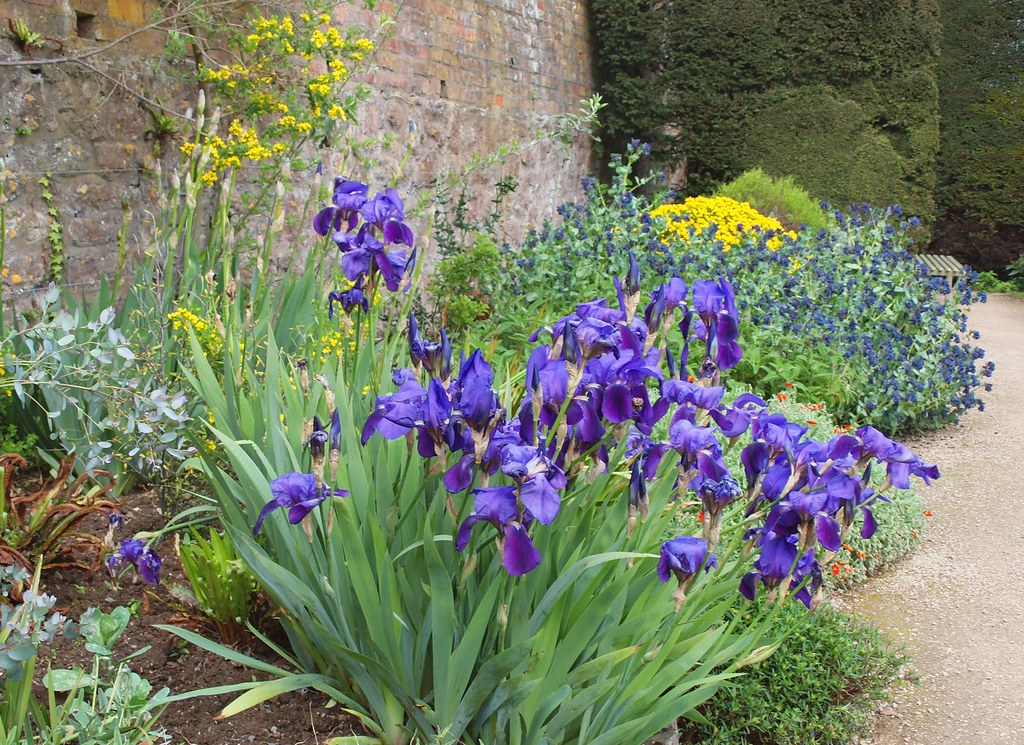
Deer and rabbits tend to steer clear of irises, probably because of their tough, fibrous leaves and somewhat bitter taste. These perennial flowers come back year after year and grow well in zones 3-9, depending on the variety. Plant them in sunny spots with good drainage—they really don’t like wet feet. Bearded irises are especially low-maintenance once established. You’ll get blooms in late spring or early summer in just about every color you can imagine. Divide the rhizomes every few years to keep them healthy and blooming strong. They’re also pretty drought-tolerant once they’re settled in.
Spurge
Spurge is a low-maintenance ground cover that deer and rabbits tend to avoid, thanks to its milky sap that irritates their mouths. These plants spread nicely across garden beds and work well in zones 4-9, depending on the variety. Euphorbia, the plant’s technical name, comes in many forms—some with interesting chartreuse foliage, others with tiny flowers. They prefer full sun to partial shade and well-drained soil. Once established, spurge handles drought pretty well and doesn’t need much attention. Just wear gloves when handling it, since that same sap can irritate your skin too.
Boxwood
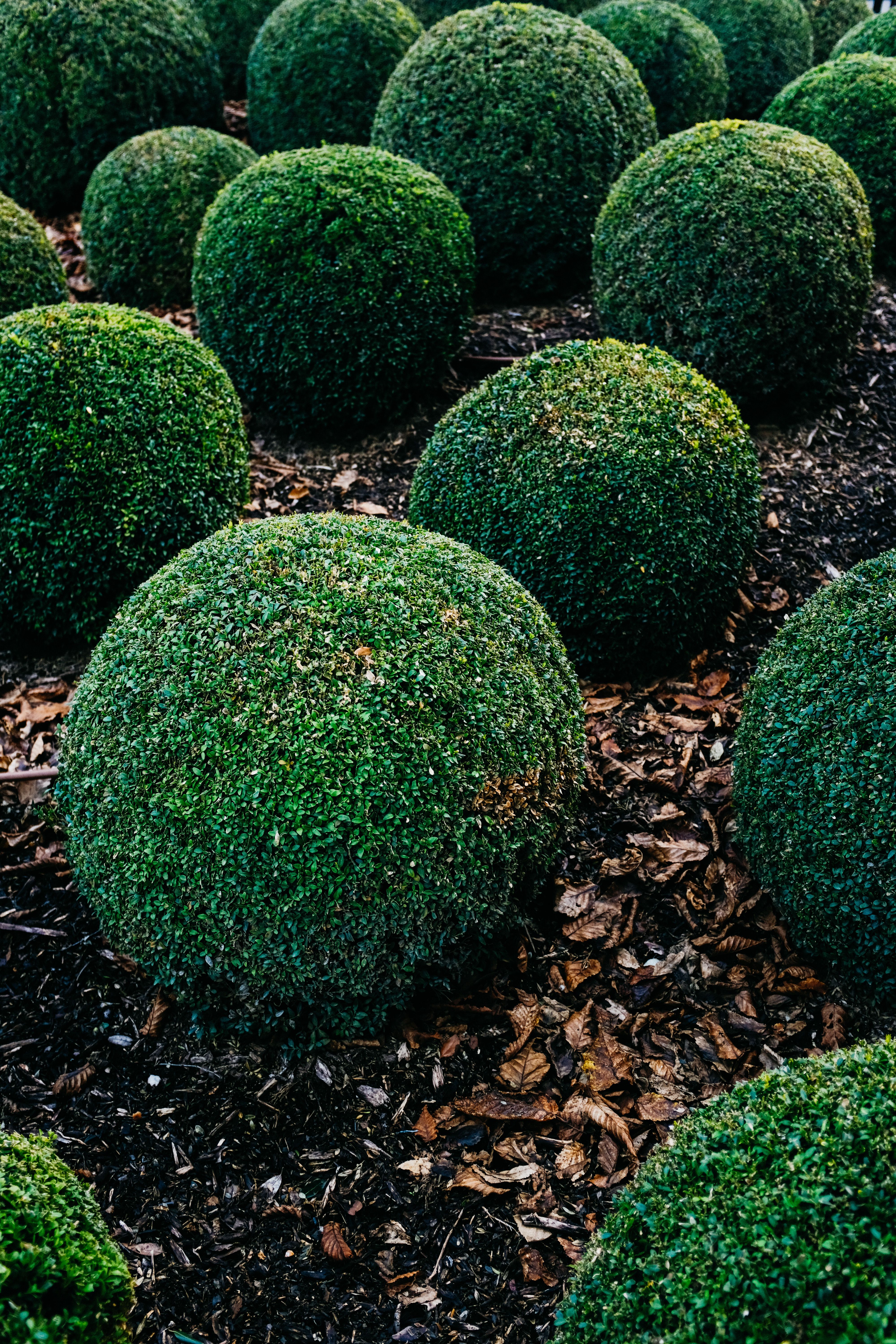
Boxwood is a classic evergreen shrub that deer and rabbits typically avoid, thanks to its bitter-tasting foliage and strong scent. These compact plants work well as hedges, borders, or foundation plantings and keep their green color year-round. They’re pretty low-maintenance once established and can handle partial shade to full sun. Boxwood grows best in well-draining soil and thrives in zones 5-9, depending on the variety. Give them a good watering during dry spells and add a layer of mulch to keep roots cool. A light pruning in late spring helps maintain their shape without much effort.
Juniper

Juniper’s strong scent and prickly foliage make deer and rabbits think twice before taking a bite. These evergreen shrubs come in various forms, from low-growing ground covers to tall, upright varieties, so you can find one that fits your landscape. They’re pretty tough plants that handle drought well once established and prefer full sun with well-draining soil. Most junipers grow in zones 3-9, depending on the variety. They need minimal pruning and rarely have pest problems. The blue-green needles add year-round color to your garden, and their deer-resistant qualities mean they’ll actually stay looking good without constant protection.
Barberry

Barberry shrubs keep deer and rabbits away thanks to their sharp thorns that make browsing too uncomfortable. These spiny plants grow well in zones 4-8 and handle various conditions, from full sun to partial shade. They’re pretty low-maintenance once established and don’t need much water after the first growing season. Japanese barberry is the most common variety, though be aware it can be invasive in some regions. The plants work great as natural barriers or hedges along property lines. Just wear thick gloves when pruning—those thorns are no joke. Most varieties show red or purple foliage that adds color to your landscape throughout the year.
Rosemary

Rosemary’s strong, piney scent keeps deer and rabbits far away from your garden. The aromatic oils that make it perfect for cooking are the same ones that pests can’t stand. Growing rosemary is pretty straightforward—it thrives in full sun and well-draining soil, and it actually prefers to dry out between waterings. Hardy in zones 7-10, it can survive outdoors year-round in warmer climates, while northern gardeners should plant it in containers to bring inside during winter. You’ll get pest protection and fresh herbs for your kitchen, making it a practical addition to any garden bed or patio.
Thyme

Thyme works double duty in your garden—it keeps deer and rabbits away while giving you fresh herbs for cooking. The strong scent that we love in our kitchens is exactly what makes wildlife steer clear. You can grow thyme in zones 5-9, and it prefers full sun with well-draining soil. It’s a low-maintenance plant that actually does better when you don’t fuss over it too much. Once established, it handles drought pretty well. Plant it along garden borders or between stepping stones, and you’ll have a natural pest deterrent that also smells great when you brush past it.