Spring is sneaky—one day your garden looks dead, and the next, little green shoots are popping up everywhere. Those early perennials are tougher than they look, but they still need some attention right when they’re waking up. Miss this window, and you might be dealing with weak growth or fewer flowers later. The good news? A little care now goes a long way. Let’s talk about which perennials are stirring and what they need from you this week.
Hostas

Hostas are emerging from their winter sleep right now, with those distinctive rolled-up shoots poking through the soil. These shade-loving perennials thrive in zones 3-9 and actually prefer spots where other plants struggle—think under trees or along north-facing walls. As they wake up, clear away any dead foliage from last year and add a layer of compost around the base. Watch out for slugs, which love munching on those tender new leaves. A light application of balanced fertilizer now will help them fill out nicely. They’ll grow anywhere from six inches to three feet tall, depending on the variety you’re growing.
Daylilies

Daylilies are starting to push through the soil right now, and it’s the perfect time to give them some attention. Clear away any dead foliage from last year and add a layer of compost around the base of each plant. These reliable bloomers grow well in zones 3-9 and can handle full sun to partial shade, though they’ll produce more flowers with at least six hours of sunlight. Water them regularly as new growth emerges, and divide overcrowded clumps every few years in early spring. Each flower only lasts one day, but healthy plants produce tons of buds throughout summer.
Peonies

Peonies are pushing up their red shoots right now, and they need your attention before they get too tall. Cut back any old foliage you missed last fall to prevent disease from spreading to new growth. These plants like full sun and well-drained soil, thriving in zones 3-8. Add a light layer of compost around the base, but don’t pile it against the stems. If you have tree peonies, they’ll bloom first, followed by herbaceous varieties in late spring. Support hoops installed now will save your blooms from flopping over when they get heavy with flowers.
Astilbe

Astilbe is popping up from the ground now with its fernlike foliage, and those feathery plumes of flowers will arrive by early summer. These shade-loving perennials thrive in zones 4-9 and actually prefer being tucked under trees where other plants struggle. As they emerge, clear away any dead foliage from last year and spread a layer of compost around the base. Keep the soil consistently moist—astilbe really hates drying out, especially during hot weather. If the leaves start looking crispy at the edges, that’s your sign to water more frequently. Mulch helps retain that moisture they crave.
Bleeding Heart

Bleeding Heart is probably still tucked underground in your garden right now, but those heart-shaped pink or white flowers will pop up soon enough. Once you see new shoots emerging in early spring, clear away any dead leaves or mulch sitting on top of them. These shade-loving perennials do best in zones 3-9 and prefer cool weather, so spring is their moment to shine. Water them regularly and add some compost around the base as they wake up. They’ll naturally die back in summer heat, which is totally normal—just let them rest until next year.
Hellebores
Hellebores are among the first flowers to pop up in late winter, sometimes pushing through snow to bloom. These tough perennials do well in shady spots where other plants struggle, making them great for under trees or along north-facing walls. They prefer zones 4-9 and like soil that drains well but stays a bit moist. Right now, clear away any dead leaves from last year so the emerging flower buds get good air circulation. Add a layer of compost around the base, and they’ll reward you with blooms that last for weeks. Once established, they need very little attention.
Lungwort

Lungwort is one of those early spring performers that starts showing signs of life while most of your garden is still asleep. The spotted leaves emerge first, followed by clusters of pink and blue flowers that often appear on the same plant. It does best in partial shade and moist soil, making it perfect for those tricky spots under trees. Hardy in zones 4-8, lungwort needs minimal care once established—just clear away any dead foliage from winter and add a layer of compost around the base. The leaves stay attractive all season long, giving you ground coverage even after the flowers fade.
Virginia Bluebells

Virginia Bluebells are emerging from the ground right now, and they’ll reward you with soft blue flowers in mid-spring. These woodland natives prefer partial shade and moist soil rich in organic matter. They grow 12-18 inches tall and spread naturally over time, making them great for naturalizing under trees. Here’s the thing – they’re ephemeral, meaning the foliage dies back completely by summer. Mark where you planted them so you don’t accidentally dig them up later. They’re hardy in zones 3-8 and pair well with hostas or ferns that fill in after they disappear.
Sedum

Sedum is popping up from the ground right now, and it’s one of those plants that basically takes care of itself. You’ll find these succulents in zones 3-9, and they’re perfect if you tend to forget about watering. As new growth emerges in spring, clear away any dead stems from last year and divide overcrowded clumps if needed. They prefer full sun and well-draining soil—soggy roots are their biggest enemy. Give them a light trim now to encourage bushier growth, and you’ll have plenty of blooms by late summer. They’re also drought-tolerant once established.
Coral Bells

Coral Bells are perking up from their winter sleep and ready for some attention. These shade-loving plants grow well in zones 4-9 and appreciate a bit of cleanup right now. Remove any dead leaves from winter and add a layer of fresh mulch around the base. They prefer moist, well-draining soil and partial shade, though some newer varieties can handle more sun. The colorful foliage comes in burgundy, lime green, and purple tones that last all season. Divide crowded clumps every three to four years in early spring to keep them healthy. A light feeding with balanced fertilizer gets them going strong.
Bee Balm
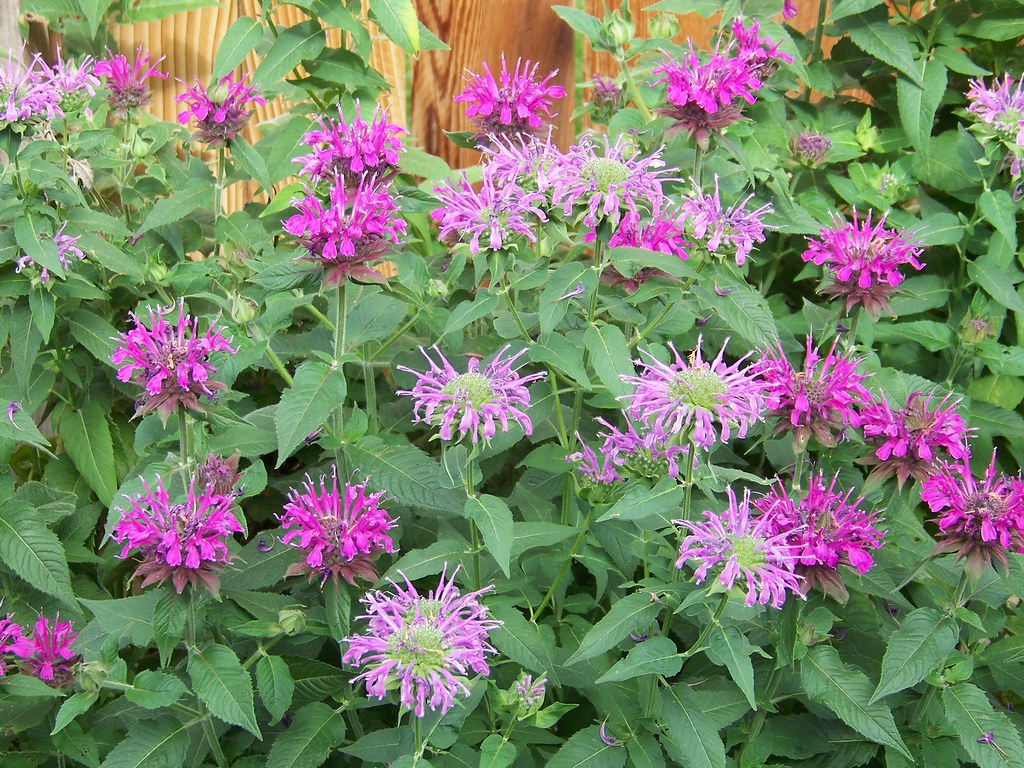
Bee Balm is probably sending up new shoots in your garden beds right now, and it’s time to give it some attention. Cut back any dead stems from last year if you haven’t already, and add a layer of compost around the base to feed those emerging stems. It grows best in zones 4-9 and loves full sun, though it’ll handle some afternoon shade. Keep an eye out for powdery mildew, which this plant tends to get—good air circulation helps prevent it. The flowers will attract hummingbirds and bees all summer long, usually blooming from June through August.
Black-Eyed Susan

Black-Eyed Susans are cheerful yellow flowers with dark centers that start popping up in early spring. As they emerge, cut back any dead stems from last year to make room for new growth. These plants do well in full sun and aren’t picky about soil, though they prefer it on the drier side. They’re hardy in zones 3-9 and can handle heat once established. Give them a light layer of compost now while they’re waking up, and divide overcrowded clumps every few years to keep them blooming strong. They’ll reward you with flowers from summer through fall.
Catmint

Catmint is putting out fresh growth right now, so it’s the perfect time to cut back any dead stems from winter. Trim it down to about 3-4 inches from the ground to encourage bushy new growth. Hardy in zones 3-8, catmint thrives in full sun and doesn’t need much water once established. The fragrant gray-green leaves and purple-blue flowers will show up by late spring, attracting bees and butterflies to your garden. Give it a light trim after the first bloom cycle to get another round of flowers in late summer. It spreads easily but isn’t aggressive.
Coneflower

Coneflowers are probably already poking through the soil in your garden, and now’s the time to show them some attention. Cut back any dead stems you left over winter—they’re done serving as bird feeders. These prairie natives thrive in zones 3-9 and honestly don’t ask for much. They prefer full sun and can handle poor soil and drought once established. Add a layer of compost around the base as they emerge, but skip the heavy fertilizer since too much nitrogen makes them floppy. Divide overcrowded clumps every few years in early spring to keep them blooming strong all summer.
Salvia
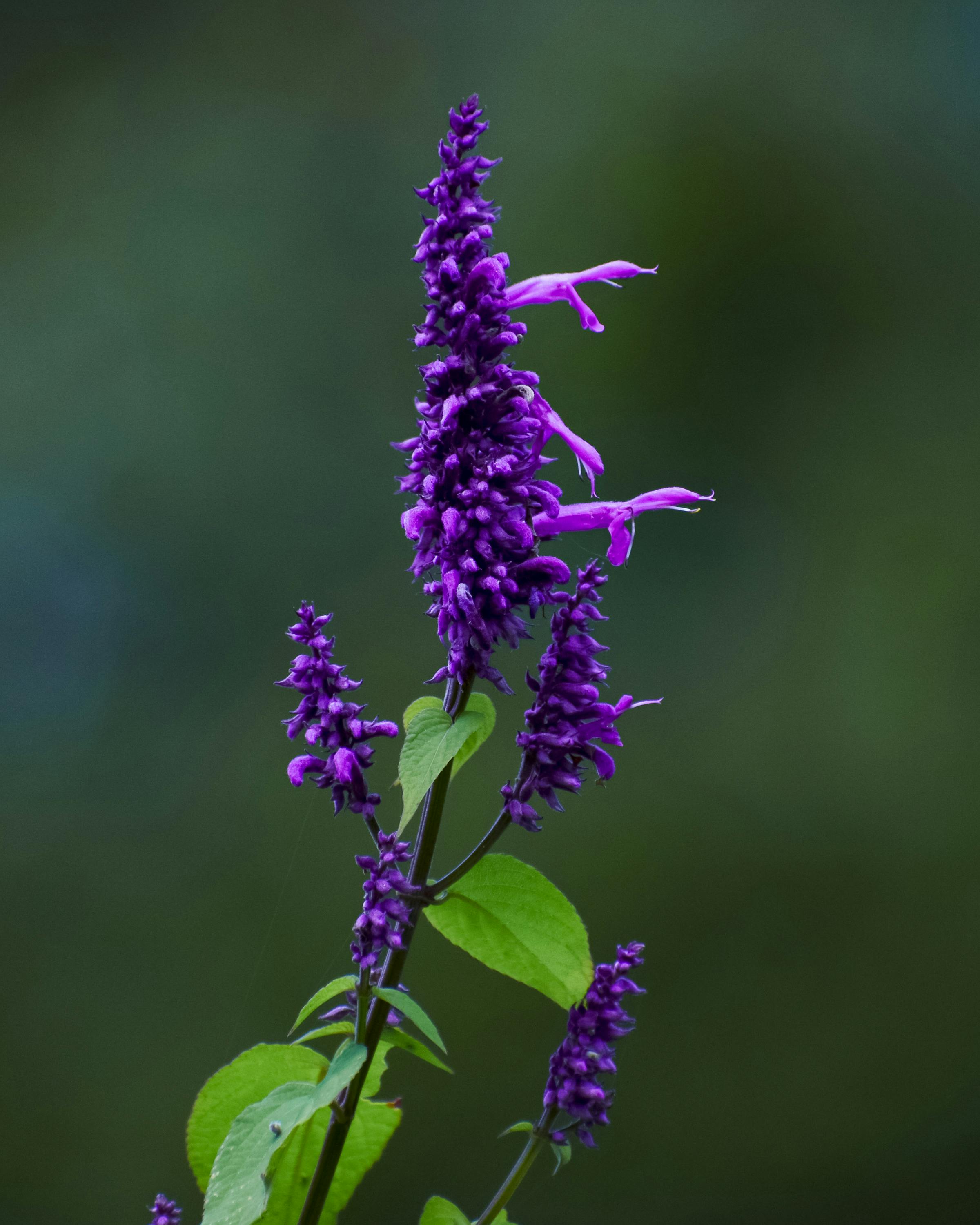
Salvia comes in many varieties, from culinary sage to showy ornamental types, and most are stirring back to life in spring. As new growth appears, cut back any dead stems from winter and clear away old foliage. These plants do best in full sun and well-draining soil—soggy roots are their biggest enemy. Most salvias handle zones 4-9, depending on the variety. Give them a light feeding now with compost or balanced fertilizer to encourage bushy growth. They’re pretty drought-tolerant once established, so don’t overwater. Pinch back young stems in late spring to promote more blooms throughout summer.
Russian Sage

Russian Sage is hitting its stride in spring and could use a little attention right now. Cut back last year’s woody stems to about 6 inches from the ground before new growth really takes off. These purple-flowering plants thrive in zones 4-9 and actually prefer poor, dry soil over rich garden beds. Plant them in full sun where they’ll get at least six hours of direct light daily. They’re drought-tolerant once established, so hold back on watering unless things get really dry. Space them about 3 feet apart since they’ll spread as the season goes on.
Shasta Daisy

Shasta daisies are pushing up fresh green growth right now, and they need a little attention to perform well this season. Cut back any dead stems from winter if you haven’t already, leaving the new shoots at the base intact. These cheerful white flowers with yellow centers bloom from late spring through summer and prefer full sun with well-draining soil. They’re hardy in zones 5-9 and can handle some drought once established. Divide clumps every two to three years in early spring to keep them healthy and prevent the center from dying out. A light application of balanced fertilizer now will support strong blooming.
Columbine

Columbine plants are poking through the soil right about now, and they’ll reward you with those interesting bell-shaped flowers by late spring. These perennials do best in partial shade with moist, well-draining soil—full sun can scorch their leaves. Hardy in zones 3-9, they typically grow 1-3 feet tall depending on the variety. Now’s the time to clear away any dead foliage from last year and add a layer of compost around the base. Watch for aphids on new growth, and cut them back after flowering to keep plants tidy. They often self-seed, so expect volunteers next year.
Iris

Irises are pushing up their sword-like leaves right now, and they’ll reward you with blooms in late spring if you treat them right. Cut back any dead foliage from last year and check that the rhizomes aren’t buried too deep—they like their tops exposed to the sun. These tough perennials grow in zones 3-9 and prefer full sun with well-draining soil. If your clumps are overcrowded, divide them after flowering. Watch for iris borers, which show up as chewed leaf edges. A light feeding with balanced fertilizer now helps fuel those upcoming flowers without pushing too much leafy growth.
Oriental Poppy

Oriental poppies are sending up their fuzzy green shoots right now, and they could use a little attention. These spring bloomers produce large, papery flowers in shades of red, orange, pink, and white from late spring into early summer. They grow best in zones 3-7 and prefer full sun with well-draining soil. Clear away any winter mulch so the new growth can breathe, and add some compost around the base. After they finish blooming, the foliage will die back completely by midsummer—that’s normal, so don’t panic. Mark their spot so you don’t accidentally dig them up later when planning your garden.
Yarrow

Yarrow is popping up early this spring, and now’s the time to cut back any dead stems you left over winter. These tough plants grow in zones 3-9 and actually prefer poor soil—too much fertilizer makes them floppy. They handle full sun and drought like champs once established. Check for new growth at the base and remove old foliage to let fresh shoots breathe. If your yarrow spread too far last year, divide the clumps now while they’re still small. Space them about 12-18 inches apart, and they’ll reward you with flowers all summer without much fussing.
Lamb’s Ear

Lamb’s Ear is popping back up in early spring, and now’s the time to tidy it up. Pull away any dead, mushy leaves from winter—they can harbor diseases if left sitting there. The soft, fuzzy silver foliage grows best in full sun and well-drained soil, thriving in zones 4-9. If your plants look crowded or leggy, divide them now while they’re just getting started. Lamb’s Ear spreads quickly, so don’t be shy about thinning it out. Water sparingly since soggy soil leads to root rot. Once established, it’s pretty drought-tolerant and needs minimal fussing throughout the growing season.
Creeping Phlox

Creeping Phlox spreads into a low carpet of color that covers ground faster than grass ever could. As spring arrives, you’ll notice new growth pushing through, which means it’s time to trim back any dead stems from winter. These plants do best in full sun and well-draining soil, thriving in zones 3-9. Give them a light feeding now with a balanced fertilizer to encourage those signature blooms in pink, purple, white, or blue. They’re drought-tolerant once established, but a good watering during their spring wake-up period helps them fill in bare spots. Perfect for rock gardens or slopes where other plants struggle.
Coreopsis

Coreopsis is popping up now and couldn’t be easier to care for. Cut back any dead stems from winter, and you’ll see fresh green growth emerging at the base. These cheerful yellow flowers bloom from late spring through summer in zones 4-9, and they’re not picky about much—just give them full sun and decent drainage. Water them during dry spells until they’re established, then they can pretty much fend for themselves. Deadhead spent blooms if you want to keep flowers coming, but honestly, they’ll rebloom without much fussing. A light fertilizer in spring helps, but it’s not required.