Look, I love a good tree as much as anyone, but not all of them belong in your yard. Some spread roots that’ll crack your foundation, others drop so much mess you’ll spend every weekend cleaning up, and a few are basically an open invitation for pests and disease.
Before you dig that hole and plant something you’ll regret, let’s talk about the trees that seem like a good idea but will actually make your life harder.
Bradford Pear

Bradford Pear trees might look nice in spring with their white flowers, but they’re a nightmare waiting to happen. These trees have incredibly weak branch structures that split apart during storms, often causing property damage.
They also spread aggressively, crowding out native plants and turning into thorny thickets. The spring blooms smell terrible—think rotting fish. They’re hardy in zones 5-9 and grow practically anywhere, which is part of the problem.
Many states now consider them invasive. Save yourself the headache and choose a native flowering tree like dogwood or serviceberry instead.
Norway Maple

Norway Maple might seem like a good shade tree at first glance, but it’s actually one of the worst choices for your yard. These trees grow aggressively and produce dense canopies that prevent anything else from growing underneath them—not even grass.
They also spread like crazy through their helicopter seeds, popping up everywhere in your garden and nearby natural areas. Native to Europe, they outcompete local trees and plants, which is why they’re considered invasive in many states.
They’re hardy in zones 3-7, but just because they survive doesn’t mean you should plant them. Go with native maples instead.
Mimosa Tree

The Mimosa tree might look pretty with its pink, fluffy flowers, but it’s actually a nightmare for most homeowners. Originally from Asia, this fast-growing tree spreads like crazy through seeds and root suckers, quickly taking over your yard and crowding out native plants.
The wood is weak and breaks easily during storms, creating a mess and potential safety hazard. It’s also susceptible to diseases like Fusarium wilt. While it grows well in zones 6-9 and tolerates poor soil, that adaptability is exactly why it’s considered invasive in many states.
The constant cleanup of seed pods and branches makes it more trouble than it’s worth.
Tree of Heaven

Tree of Heaven might sound heavenly, but it’s actually a nightmare for homeowners. Despite its ability to grow almost anywhere and tolerate pollution, this fast-growing tree is incredibly invasive and will take over your yard in no time.
It spreads through aggressive root suckers and produces thousands of seeds annually, choking out native plants. The leaves emit an unpleasant smell when crushed, and the tree attracts spotted lanternflies, a destructive pest.
Even when you cut it down, the roots keep sprouting new shoots. Hardy in zones 4-8, it thrives in poor soil and drought conditions—which only makes it harder to control once established.
Russian Olive

Russian Olive might seem appealing with its silvery leaves and fragrant flowers, but it’s become a serious problem across much of North America. Originally planted as a windbreak tree in zones 2-7, it spreads aggressively through birds eating and dispersing its seeds.
The tree takes over native habitats, crowds out local plants, and forms dense thickets that are nearly impossible to remove. Its thorny branches make handling difficult, and cutting it down often triggers even more growth from the roots. Many states now list it as an invasive species.
Despite being drought-tolerant and low-maintenance, the long-term headache isn’t worth it.
White Mulberry
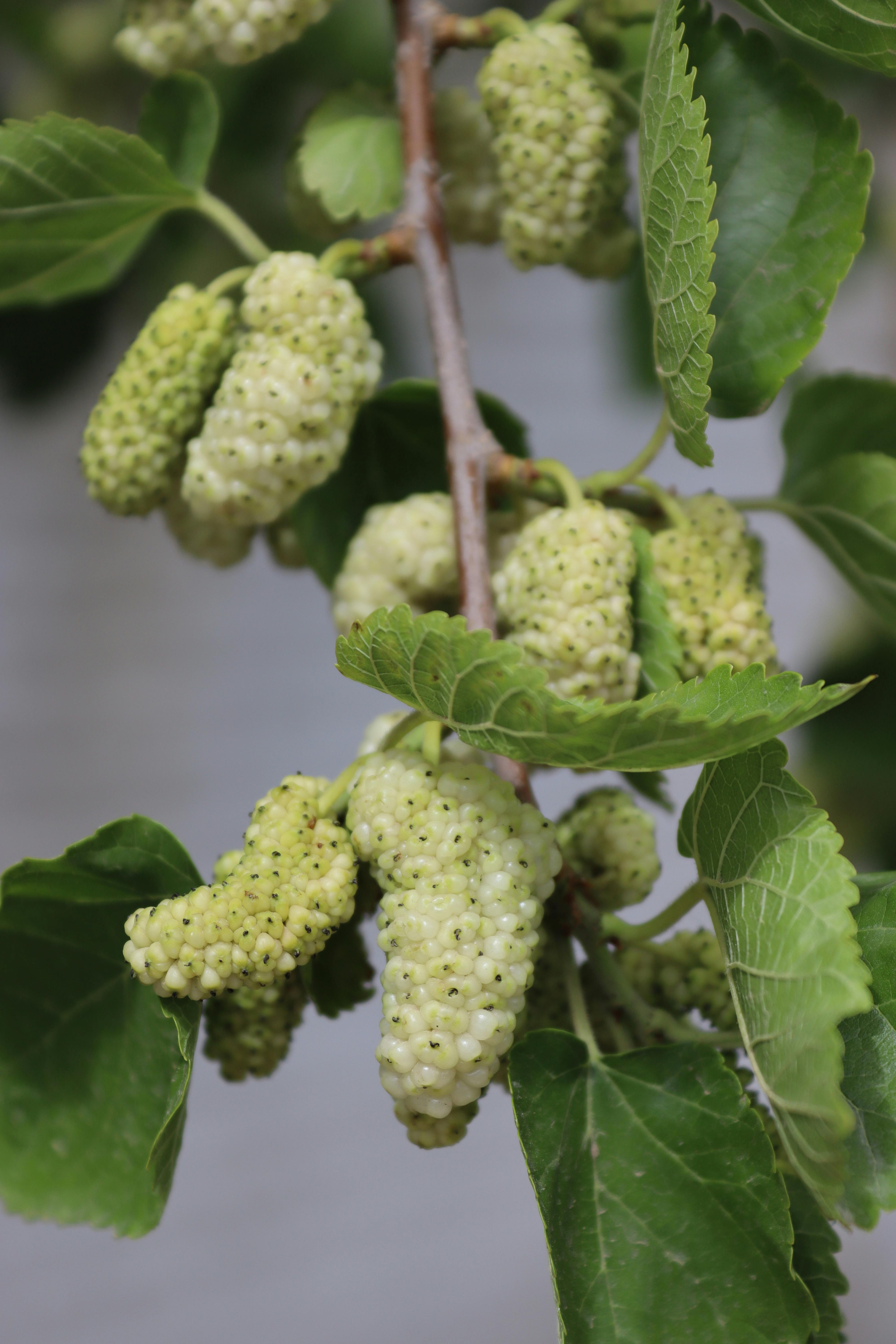
White Mulberry might sound like a nice shade tree, but it comes with problems that’ll make you regret planting it. The tree drops tons of berries that stain everything—driveways, patios, cars, and outdoor furniture. Birds love the fruit and leave purple droppings all over your property.
It grows fast and spreads aggressively through root suckers and seeds, popping up in places you don’t want. The roots can damage foundations and underground pipes.
White Mulberry thrives in zones 4-8 and tolerates poor soil, which unfortunately means it’s hard to kill once established. The constant mess and invasive tendencies make it a poor choice for residential yards.
Siberian Elm
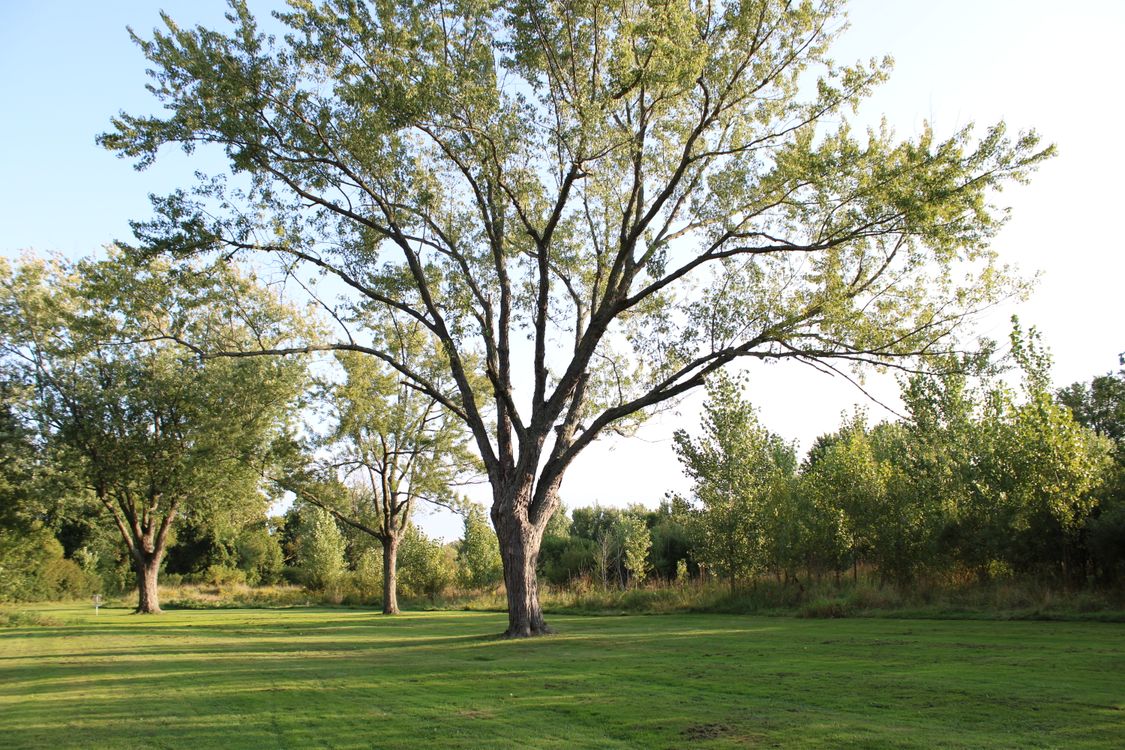
The Siberian Elm might seem like a fast-growing solution for shade, but it’s one tree you’ll probably regret. Growing up to 70 feet tall, it spreads quickly and develops weak wood that breaks easily during storms, leaving debris all over your yard.
The tree sends up suckers everywhere and drops seeds constantly, creating maintenance headaches. It’s also prone to Dutch elm disease and attracts beetles.
Hardy in zones 4-9, it tolerates poor soil and drought well—which partly explains why it becomes invasive so easily. The aggressive roots can damage foundations, sidewalks, and underground pipes. Save yourself the trouble and choose a sturdier native tree instead.
Black Walnut

Black walnut trees are pretty, but they’re basically the bullies of the backyard. These trees produce a chemical called juglone that’s toxic to tons of other plants—think tomatoes, peppers, azaleas, and most garden favorites.
The roots spread wide and release this stuff into the soil, creating a dead zone where nothing else wants to grow. They also drop those hard green hulls everywhere, which stain anything they touch and are a pain to clean up.
Hardy in zones 4-9, black walnuts need full sun and deep soil. Sure, the nuts are edible, but unless you’re planning a walnut orchard with nothing else around, skip this troublemaker.
Lombardy Poplar

The Lombardy Poplar might look good from a distance with its tall, narrow shape, but it’s a nightmare up close. These fast-growing trees have aggressive root systems that will crack your sidewalks, invade your plumbing, and lift your foundation.
They’re also prone to diseases and typically only live 10-15 years before falling apart. The brittle branches break easily in storms, creating constant cleanup work.
While they grow well in zones 3-9 and tolerate most soils, their shallow roots make them unstable. Add in constant suckering that creates unwanted shoots everywhere, and you’ve got a tree that causes more problems than it solves.
Silver Maple
Silver Maple might seem like a good choice for fast shade, but that rapid growth comes with serious problems. The wood is weak and breaks easily during storms, dropping heavy branches that can damage property or hurt people. The roots are incredibly aggressive, cracking sidewalks, clogging sewer lines, and making it nearly impossible to grow grass underneath. Hardy in zones 3-9, it tolerates poor soil and wet conditions, which explains why it spreads so readily. If you need a maple tree, go with a Sugar Maple or Red Maple instead—they’re much better behaved and won’t trash your yard.
Empress Tree

The Empress Tree might seem like a dream with its purple flowers and lightning-fast growth—it can shoot up 15 feet in a single year. But that’s exactly the problem. Native to China, it spreads aggressively through thousands of seeds per tree and grows back from root fragments even after cutting.
It crowds out native plants, damages foundations and pipes with its roots, and thrives in zones 5-11. Several states have banned it as an invasive species. The wood is brittle too, so branches break easily during storms. What starts as one pretty tree quickly becomes a neighborhood nightmare.
Weeping Willow

The weeping willow might look graceful with its drooping branches, but it’s a nightmare for homeowners. These trees have aggressive root systems that seek out water, meaning they’ll destroy your sewer lines, septic systems, and underground pipes without hesitation.
They also drop branches constantly, especially during storms, creating a mess and potential hazards. Weeping willows need tons of space—they can spread 35 feet wide—and they’re prone to diseases and pests.
They thrive in zones 6-8 and need consistently moist soil, but that water-seeking behavior makes them too risky near any home infrastructure. Save yourself the headache and plumbing bills.
Eucalyptus
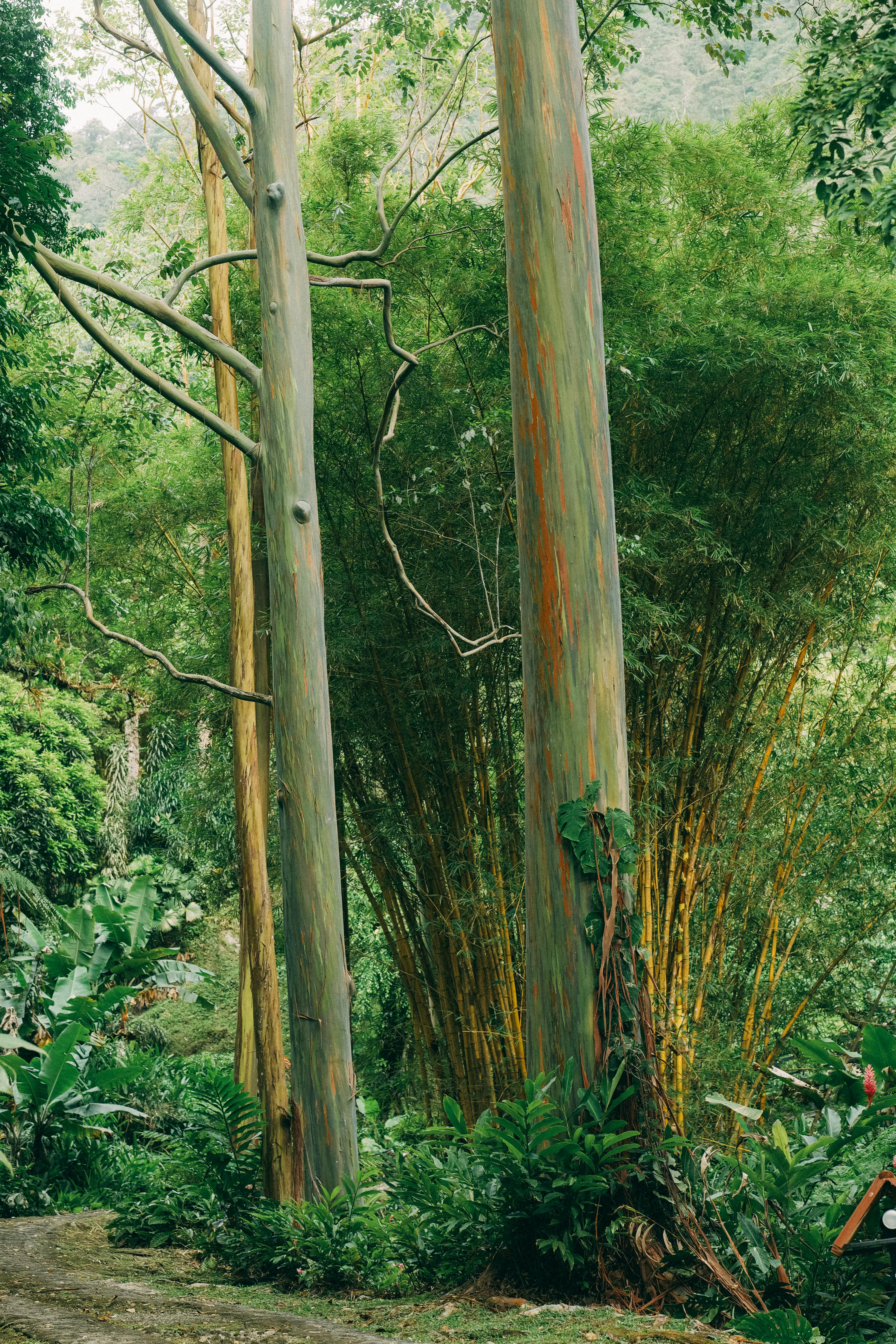
Eucalyptus trees might look nice with their silvery leaves and pleasant smell, but they’re terrible choices for home landscapes. These Australian natives are incredibly thirsty, hogging water from nearby plants and driving up your irrigation bills.
Their shallow roots frequently buckle sidewalks and damage foundations. Even worse, eucalyptus bark and leaves contain flammable oils that make them serious fire hazards in dry climates.
They grow fast in zones 8-11, sometimes reaching 60 feet tall, and their branches break easily during storms. The falling bark also creates constant yard mess. Many neighborhoods actually ban them for good reason.
Chinaberry Tree

The Chinaberry tree might look pretty with its lavender flowers and yellow berries, but it’s a nightmare waiting to happen in your yard. Native to Asia, it spreads aggressively through bird-dropped seeds and can quickly take over your property and nearby wild areas.
The berries are toxic to humans and pets, though birds seem immune. It grows fast in zones 7-11 and tolerates poor soil and drought, which sounds great until you realize that’s exactly why it becomes impossible to control.
Many states actually list it as an invasive species. The wood is weak and branches break easily during storms, creating a mess and potential damage to your home.
Box Elder

Box Elder trees might seem like a fast-growing option for shade, but they’ll cause more problems than they solve. These trees attract boxelder bugs by the thousands, which then invade your home when temperatures drop.
The wood is weak and breaks easily during storms, creating constant cleanup work and potential property damage. Box Elder grows in zones 2-10 and tolerates poor soil, which partly explains why it spreads so aggressively.
The tree also produces excessive seeds that sprout everywhere in your yard. Male trees are slightly better since they don’t produce seeds, but the bug problem and brittle branches make this species worth skipping entirely.
Quaking Aspen
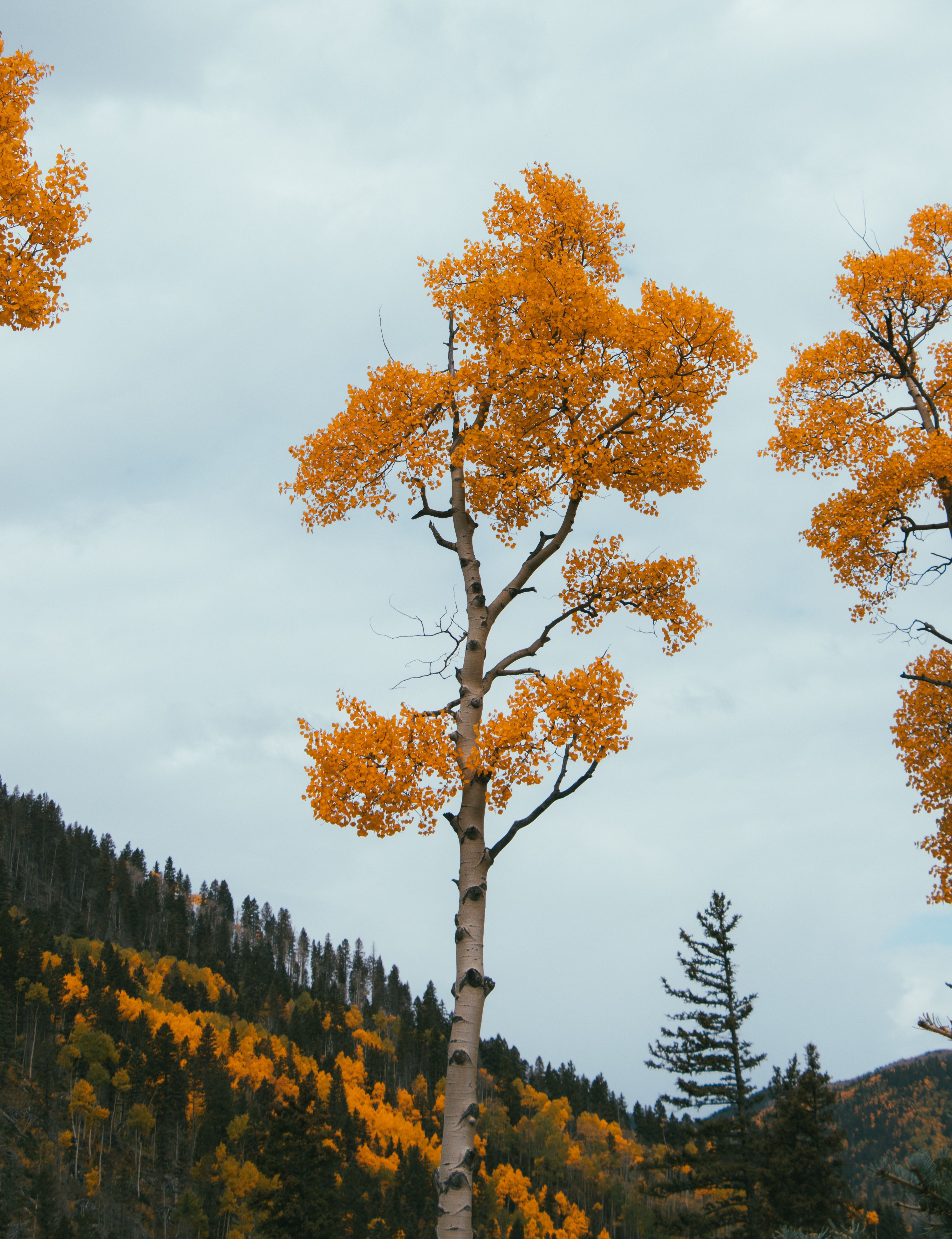
Quaking Aspen might look pretty with its shimmering leaves, but it’s a nightmare for homeowners. These trees spread aggressively through underground root systems, sending up shoots all over your yard—and even into your neighbor’s property.
You’ll spend years trying to control the constant suckers popping up through your lawn. They’re also messy, dropping leaves and branches regularly. While they thrive in Zones 1-7 and handle cold weather well, they’re short-lived trees prone to disease and insect damage.
The shallow roots can crack sidewalks and invade septic systems. Save yourself the headache and choose a more manageable tree instead.
Black Locust

Black Locust might seem like a good choice with its fast growth and fragrant white flowers, but it’s actually one of the biggest troublemakers you can plant. The tree sends out aggressive suckers that pop up everywhere in your yard, creating an army of unwanted saplings that are tough to control.
Its brittle branches break easily during storms, leaving you with constant cleanup. The thorns on young branches are sharp enough to puncture skin and tires. Hardy in zones 4-9, it thrives in almost any soil and spreads relentlessly once established. Those pretty flowers aren’t worth the decades of regret.
Arizona Ash
Arizona Ash might seem like a fast-growing solution for quick shade, but that rapid growth comes at a price. The wood is weak and brittle, making branches prone to breaking during storms or even light winds.
The tree also has an aggressive root system that can wreck sidewalks, foundations, and underground pipes. It’s susceptible to ash borers and other pests, plus it tends to drop leaves and twigs constantly, creating endless yard cleanup.
While it tolerates hot, dry climates in zones 7-11, you’re better off choosing a more durable shade tree that won’t become a maintenance nightmare.
Paper Mulberry
Paper Mulberry might sound interesting because of its textured bark and fast growth, but it’s actually one aggressive troublemaker. Native to Asia, it spreads like crazy through root suckers, popping up all over your yard and even into your neighbor’s property.
The tree drops messy fruit that stains everything, and its pollen triggers serious allergies for many people. It grows in zones 6-10 and tolerates pretty much any soil, which unfortunately makes it even harder to control once it establishes itself.
Many states consider it invasive, and you’ll spend years battling those persistent shoots that keep coming back no matter how many times you cut them down.
Leyland Cypress
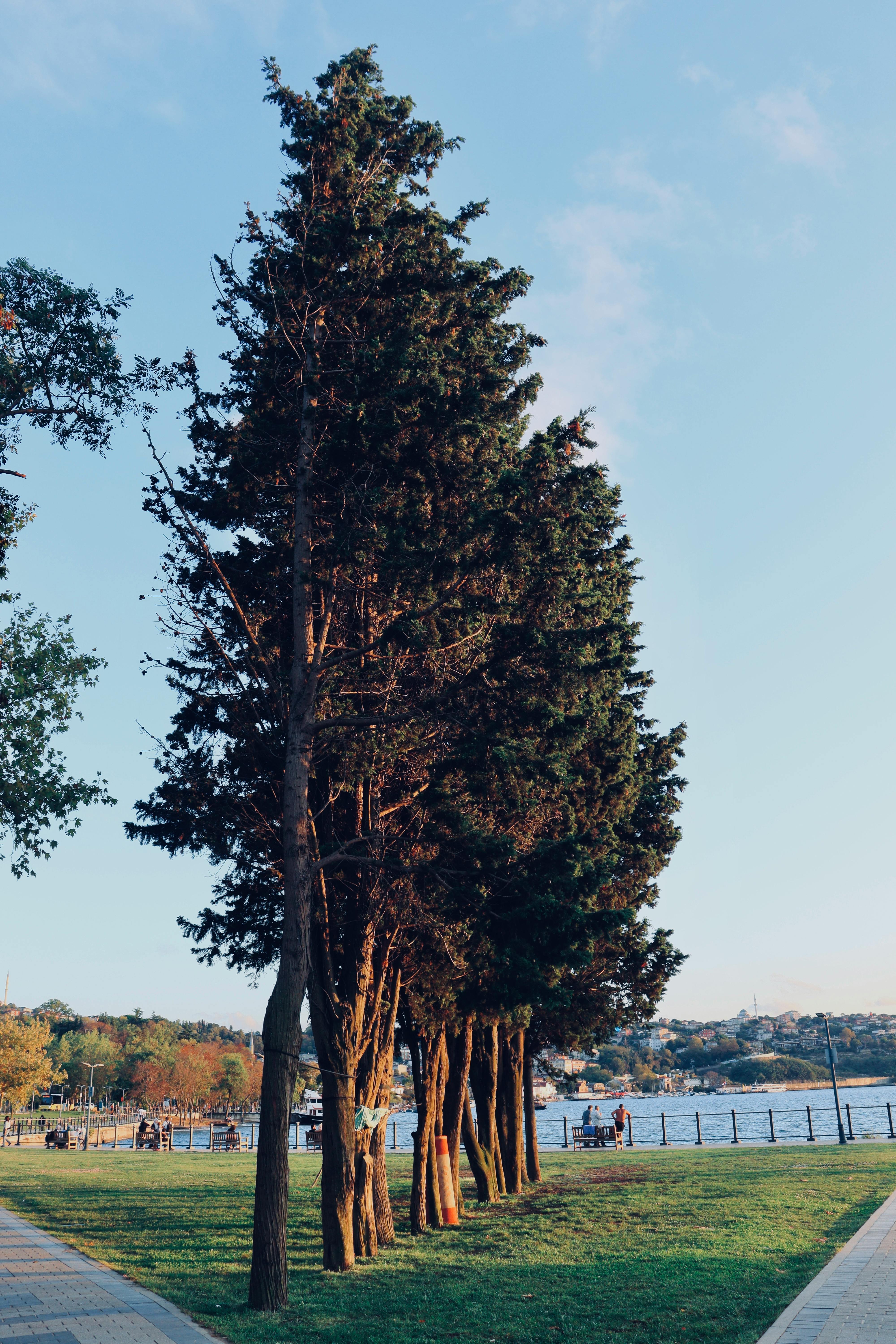
The Leyland Cypress might seem like a good privacy screen at first, but it grows way too fast for most homeowners to handle—we’re talking up to 4 feet per year. These trees quickly shoot up to 60-70 feet tall and need constant trimming to stay manageable.
They’re also prone to diseases like canker and bagworms, which can wipe out entire hedges. Their shallow root systems make them fall over during storms, potentially damaging your property.
While they grow in zones 6-10 and aren’t picky about soil, the high maintenance and disease problems make them more trouble than they’re worth.
Cottonwood

Cottonwood trees might seem like a good shade option, but they’ll cause more headaches than they’re worth. These fast-growing giants drop massive amounts of cottony seeds every spring that coat everything in sight—your lawn, patio furniture, and pool.
The fluffy stuff gets everywhere and can trigger allergies. Their roots are aggressive and will crack sidewalks, foundations, and sewer lines as they search for water.
Cottonwoods also shed branches regularly, especially during storms, creating constant cleanup work. They thrive in zones 2-9 and prefer wet soil, but that doesn’t mean you should plant one near your house.
Chinese Tallow

Chinese Tallow might catch your eye in fall with its pretty red and yellow leaves, but don’t let that fool you. Originally from Asia, it spreads like crazy through seeds and root sprouts, quickly taking over native plants.
It’s tough enough to grow in zones 8-10 and handles wet soil, drought, and poor conditions without any trouble—which is exactly the problem. Birds eat the waxy seeds and drop them everywhere, creating new invasions.
Many states have actually banned selling it. Once established, Chinese Tallow is nearly impossible to remove since cutting it down just causes more shoots to pop up.
Australian Pine

Despite its name, Australian Pine isn’t actually a pine tree—it’s a fast-growing evergreen that can reach 100 feet tall. While it thrives in zones 9-11 and tolerates poor soil and salt spray, this tree is a terrible choice for your yard.
Its shallow roots make it prone to toppling in storms, and it drops needles constantly, creating a mess. The tree spreads aggressively and is actually classified as an invasive species in Florida and other southern states.
It crowds out native plants, damages infrastructure with its roots, and offers little benefit to local wildlife. Many areas legally restrict planting it.
Glossy Buckthorn
Glossy Buckthorn might look harmless at first glance, but it’s actually an aggressive invader that’ll take over your yard and spread into nearby woodlands. Originally brought from Europe as an ornamental, it now crowds out native plants and provides poor food sources for local wildlife.
The shrub thrives in zones 2-7 and grows in nearly any conditions—sun, shade, wet, or dry—which makes it nearly impossible to control once established. Birds eat the berries and spread seeds everywhere, creating new plants that are tough to remove.
Many states have banned selling it, and some require property owners to get rid of it entirely.
Japanese Knotweed

Japanese Knotweed might look harmless with its bamboo-like stems and white flower clusters, but it’s one of the most aggressive invasive plants you can introduce to your property.
Once established, it spreads through an underground root system that can break through concrete, damage foundations, and take over entire yards. A tiny root fragment can spawn a new plant, making removal nearly impossible without professional help.
It’s actually illegal to plant in many areas and can lower your property value. The roots can extend 10 feet deep and spread 20 feet horizontally. Save yourself the headache and thousands in removal costs by avoiding this plant entirely.