If you grew up in the 70s, you probably have some memories of hanging out in a basement that looked nothing like the finished, cozy spaces we see today. And if you didn’t, you might be in for a real surprise.
Back then, basements were a whole different world — and not always in a good way. These 26 things will make you thankful for how far home design has come!
1.) Asbestos-Wrapped Pipes Everywhere

Walk into almost any 1970s basement and you’d find pipes wrapped in a gray, chalky material — that was asbestos insulation, and it was considered totally normal back then.
The problem? When that wrapping ages, cracks, or gets disturbed, it releases tiny fibers that can cause serious lung disease. Homeowners had no idea they were living with it.
Today, if you buy an older home, getting an asbestos inspection before any renovation work is a must — not optional.
2.) Wood Paneling on Every Wall
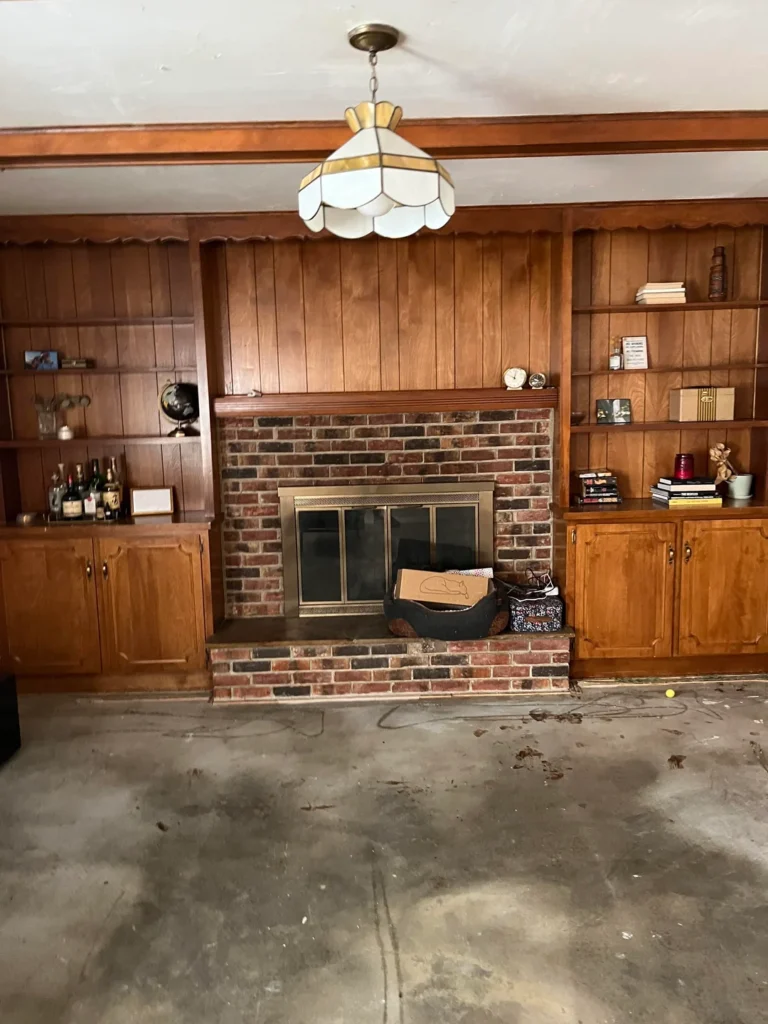
Walk into almost any 1970s basement and you’d find wood paneling covering every single wall — floor to ceiling, no exceptions. It was practically a requirement back then, not a choice.
Homeowners loved it because it was cheap, easy to install, and hid imperfections in concrete walls. Dark, knotty panels were especially popular and gave basements that cozy “man cave” feel before anyone called it that.
Today, most people rip it out immediately, but it’s actually coming back in smaller doses as a retro accent wall.
3.) Shag Carpeting in Bold Colors

Shag carpeting was everywhere in 1970s basements, and the bolder the color, the better. We’re talking deep oranges, avocado greens, and rich browns covering every square foot of floor space. It felt cozy and fun at the time.
Today, most homeowners would probably cringe at the thought of installing anything like it. Beyond the look, shag carpet is notoriously hard to vacuum and holds onto dirt, dust, and odors like nothing else — not exactly ideal for a basement space.
4.) Drop Ceilings with Water Stains

If you stepped into a 1970s basement, there’s a good chance you’d be greeted by a drop ceiling covered in brown, yellowish water stains. Back then, nobody really rushed to fix them. They were just kind of… there.
Today, homeowners would probably panic and call a contractor immediately — and for good reason. Water stains usually mean a leak or moisture problem hiding somewhere above. In the 70s, though, it was just considered part of the basement’s charm.
5.) Faux Stone Wall Treatments

Faux stone wall treatments were everywhere in 1970s basements, and they were a big deal. Homeowners loved the idea of bringing that rustic, cave-like feel to their rec rooms without the cost of real stone. Panels made of lightweight foam or plastic were glued directly to drywall, usually in earthy browns and grays.
Today, most people rip these out during renovations without a second thought. But back then, finishing your basement with faux stone meant you had a seriously put-together hangout space.
6.) Linoleum Flooring in Dated Patterns
Walk into almost any 1970s basement and you’d likely find linoleum flooring covered in wild geometric shapes, bold color blocks, or busy floral patterns. It was cheap, easy to install, and held up reasonably well against moisture — which made it a natural choice for below-grade spaces.
Today, most homeowners rip it out without a second thought. But here’s the thing — some of those old linoleum floors are actually more durable than modern alternatives, just a little harder on the eyes.
7.) Unfinished Concrete Floor Sections

Back in the 1970s, it was totally normal for a basement to have large sections of bare, unfinished concrete just sitting there. No epoxy coating, no tiles, no rugs — just raw gray slab. Homeowners didn’t think twice about it.
Today, leaving concrete exposed like that would raise eyebrows, mostly because we now know untreated concrete can absorb moisture, harbor mold, and make a space feel cold and damp year-round.
Modern buyers almost always expect at least a sealed or painted floor at minimum.
8.) Single Bare Light Bulbs

If you walked into a 1970s basement, chances are a single bare bulb hanging from the ceiling was your only source of light. No fixture, no shade — just a naked bulb on a wire, maybe with a pull-string switch.
Today, we’d never settle for that. Modern basements get recessed lighting, track lights, or at least a decent lamp. Back then, though, nobody thought twice about it. It was just how basements worked.
9.) Lead Paint on Support Beams
Lead paint on exposed support beams was just a normal part of basement life in the 1970s. Nobody thought twice about it back then — it was cheap, durable, and got the job done.
Today, we know it’s a serious health risk, especially for kids and pregnant women. If you live in an older home, it’s worth getting those beams tested before doing any renovation work. Disturbing old lead paint releases dust that’s genuinely dangerous to breathe in.
10.) Built-In Wet Bars

Back in the 1970s, a basement without a wet bar was practically unfinished. Homeowners took real pride in building them out with full sinks, mini fridges, and rows of shelving for their liquor collections. It was the go-to spot for hosting friends after work or on weekends.
Today, most people tear these out without a second thought. But some homeowners are actually bringing them back, since having a dedicated drink station in a basement rec room still makes a lot of practical sense.
11.) Orange or Avocado Appliances

If you walked into a 1970s basement and spotted a refrigerator or stand-alone freezer in a deep shade of avocado green or burnt orange, that was totally normal. These colors were everywhere in homes during that decade, and appliances were no exception.
Manufacturers like Frigidaire and GE offered these shades as standard options. Homeowners actually paid extra for them because they felt modern and stylish at the time. Today, seeing one in person feels like stepping into a time capsule.
12.) Exposed Electrical Wiring

Back in the 1970s, it wasn’t unusual to walk into a basement and see wires just hanging out in the open — no conduit, no proper junction boxes, sometimes just twisted together and wrapped in electrical tape. Homeowners thought nothing of it.
Today, that kind of setup would fail a home inspection instantly. Exposed wiring is a real fire hazard and can cause serious shocks. If you’re buying an older home, getting the electrical system checked by a licensed electrician should be one of your first steps.
13.) Aluminum Foil Ductwork Repairs

Back in the ’70s, if a section of ductwork started leaking, many homeowners just grabbed a roll of aluminum foil tape and called it a day. It seemed like a reasonable fix at the time, and honestly, it kind of worked — for a while.
The problem is that foil tape degrades over the years, leaving gaps that hurt your heating and cooling efficiency. Modern HVAC technicians now use proper mastic sealant or rated metal tape that actually holds up long-term.
14.) Free-Standing Oil Tanks

Back in the 1970s, it was totally normal to walk into a basement and find a big metal oil tank just sitting there on the floor. These tanks held heating oil for the furnace and could hold hundreds of gallons.
Today, most homeowners would be pretty alarmed to see one. They’re considered a serious environmental hazard because old tanks can rust and leak, contaminating the soil around your home. Removing them is now a regulated process that usually requires a licensed contractor.
15.) Coal Chute Remnants

If you poke around an older home’s basement, you might spot a small metal door or a bricked-up opening near the foundation wall. That’s a coal chute — a leftover from the days when coal was the main heating fuel and deliverymen would dump it straight into the basement.
By the 1970s, most homes had switched to gas or oil, but the chutes were often just sealed off and left behind. Homeowners today usually have no idea what they’re even looking at.
16.) Window Wells Without Drainage

Window wells in the 1970s were basically just curved pieces of metal pushed into the dirt around a basement window — no gravel, no drain, nothing. When it rained, water would just collect right there and seep straight into the basement.
Modern window wells are built with a gravel base and a proper drain that ties into the home’s drainage system. It’s a small detail, but it makes a huge difference in keeping moisture out and avoiding that damp, musty smell so common in older basements.
17.) Musty Smell Considered Normal

Back in the 1970s, a basement that smelled like damp earth and old concrete was just… a basement. Nobody called a contractor or panicked about mold. It was simply what basements smelled like, and most families accepted it without question.
Today, that same smell would send homeowners straight to Google searching for water damage, mold remediation, or air quality issues. Modern homes have better waterproofing and ventilation standards, so a musty odor is now a red flag rather than just background noise.
18.) No Egress Windows Required

Back in the 1970s, basements were finished and used as living spaces without a single egress window in sight. No one thought twice about it. Bedrooms, rec rooms, and even full apartments were built down there with nothing but tiny, high-up windows that you’d never escape through in an emergency.
Today, building codes require egress windows in any basement bedroom or sleeping area. They need to be large enough for a person to climb out — a rule that saves lives.
19.) Sump Pumps Were Rare

Back in the 1970s, most homeowners didn’t think twice about having a sump pump. Basements were just expected to get a little wet sometimes, and people dealt with it by mopping up or stacking belongings on shelves.
Today, a sump pump is considered a basic necessity in any basement that sits below the water table. Without one, you’re risking serious water damage, mold growth, and a very expensive cleanup. It’s one of those things people back then really wish they’d had.
20.) Cigarette Smoke-Stained Everything

If you stepped into a 1970s basement, there’s a good chance everything had a yellowish tint to it — the ceiling tiles, the walls, even the furniture. Smoking indoors was completely normal back then, and basements were a popular hangout spot, so the smoke just settled into every surface over time.
Today, removing that kind of deep-set staining takes serious work — think TSP cleaner, multiple coats of stain-blocking primer, and sometimes full ceiling tile replacement. It wasn’t just a smell; it left a permanent mark.
21.) Inadequate or No Insulation

Back in the 1970s, most basement walls were just bare concrete or cinder block — no insulation at all. Homeowners either didn’t think about it or didn’t bother, and energy bills paid the price.
Today, building codes actually require proper insulation in finished basements. Modern homeowners know that skipping it leads to cold floors, moisture problems, and sky-high heating costs.
If you’re renovating an older home, check the basement walls first. Adding rigid foam or batt insulation makes a noticeable difference in comfort and energy savings.
22.) Single-Pane Basement Windows

Single-pane basement windows were pretty much standard in 1970s homes, and nobody thought twice about them. They did the job of letting in a little light, but that was about it.
The problem is they offer almost zero insulation. Cold air pours right through them in winter, and condensation builds up constantly, which can lead to mold and moisture damage over time.
Modern double or triple-pane windows are a huge upgrade, keeping energy costs down and making the basement a lot more comfortable year-round.
23.) Ungrounded Electrical Outlets

Back in the ’70s, two-pronged outlets were everywhere in basements — no third grounding hole in sight. That missing prong wasn’t just an inconvenience; it meant there was no safe path for excess electricity to travel if something went wrong.
Today’s electrical code requires grounded three-prong outlets for good reason. Plugging modern appliances into old ungrounded outlets can damage electronics and create a real shock or fire hazard. If your older home still has these, an electrician can upgrade them fairly affordably.
24.) Laundry Tubs as Main Sink

Back in the 1970s, many basement laundry rooms had a big, deep utility tub that doubled as the main sink. It was used for everything — rinsing muddy boots, soaking clothes, washing the dog, you name it. There was no fancy setup, just a plain, no-frills basin bolted to the wall.
Today, most homeowners wouldn’t dream of using a laundry tub as their go-to sink. But honestly, those things were tough and got the job done without any complaints.
25.) Furnace Right in Living Space

Back in the 1970s, it wasn’t unusual to walk into a basement and find a massive furnace sitting right out in the open, no walls or closet around it — just taking up a big chunk of the living or rec room space.
Homeowners basically just worked around it, decorating the rest of the room while the furnace sat there like an uninvited guest. Today, building codes and modern design standards require mechanical equipment to be properly enclosed and vented for safety reasons.
26.) No Moisture Barriers Installed

Moisture barriers might seem like a basic thing, but they were rarely used in 1970s basements. Builders just didn’t think much about water vapor seeping through concrete walls and floors, which led to a whole lot of mold, musty smells, and damaged belongings over time.
Today, a proper moisture barrier is one of the first things contractors install before finishing a basement. It keeps humidity in check and protects everything from the flooring to the drywall from slow, invisible water damage.