You know how fashion trends come back around? Well, the same thing happens with garden and home decor. I’ve been noticing that a bunch of old-school styles are popping up again in design magazines and on my favorite gardening blogs.
Some of these throwback ideas actually make a lot of sense for today’s gardens. Whether you’re into houseplants or outdoor spaces, you might be surprised by what’s making a comeback. Let’s take a look at what designers are dusting off and bringing back to life.
1.) Wallpapered Ceilings

Looking up is the new looking around. Wallpapered ceilings used to be everywhere in Victorian homes, then disappeared for decades. Now designers are putting pattern overhead again, especially in small spaces like powder rooms and walk-in closets.
The trick is starting with good prep work. Your ceiling needs to be smooth and primed, just like walls. Peel-and-stick options make this easier than ever for DIYers.
Stick to lighter patterns if your room gets limited natural light. Bold prints work better in spaces with tall ceilings or lots of windows.
2.) Conversation Pits

Remember those sunken living room areas from the 1970s? Conversation pits are making a comeback, and it’s easy to see why. These cozy, lowered seating areas create an intimate space that naturally brings people together without feeling forced.
Modern versions work well in open-floor plans, helping define zones without adding walls. You can build them during renovations or use large area rugs and low furniture to fake the effect.
The key is keeping it accessible with steps or a gentle slope, plus adding plenty of cushions for comfort.
3.) Terrazzo Flooring

Terrazzo flooring features chips of marble, quartz, or glass set into concrete or epoxy, then polished smooth. Popular in the 1950s and ’70s, it’s making a comeback in kitchens, bathrooms, and entryways because it holds up well to foot traffic and spills.
The surface is easy to maintain—just sweep regularly and mop with mild soap and water. Avoid harsh chemicals that can dull the finish over time.
While installation requires professional help and isn’t cheap, terrazzo lasts for decades without showing much wear, making it a practical choice for busy households.
4.) Rattan Furniture
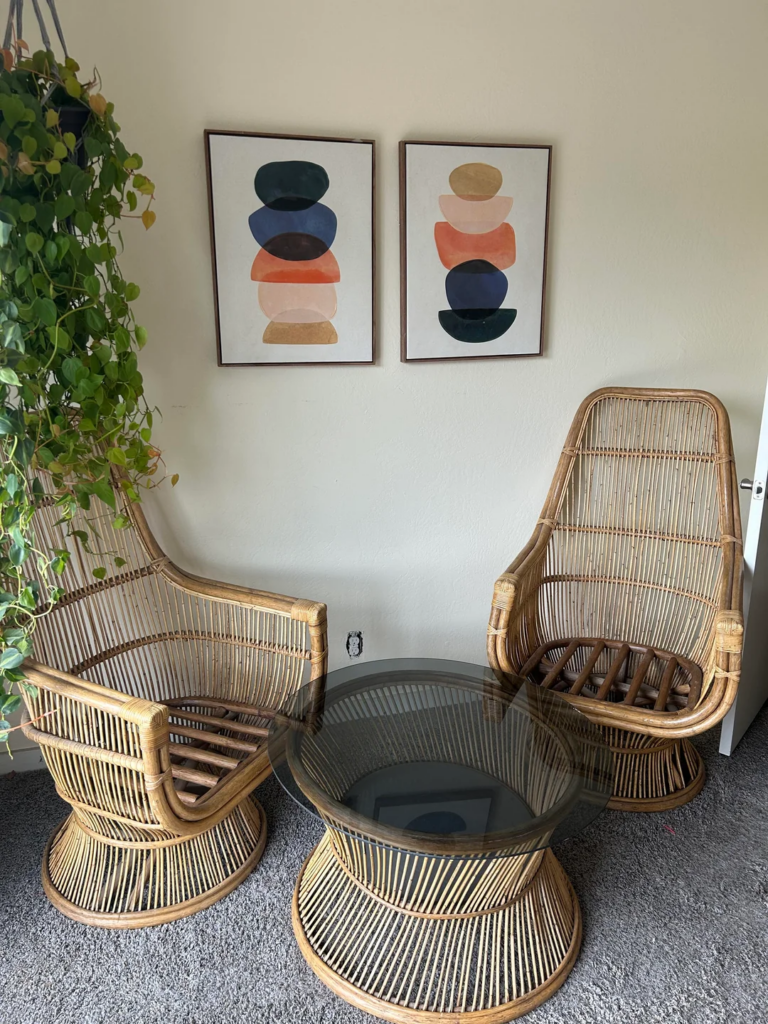
Rattan furniture disappeared from patios and sunrooms for years, but it’s making a comeback in outdoor spaces. The woven natural material holds up well in covered areas and adds texture without overwhelming your garden design.
Keep rattan pieces out of direct rain and harsh sunlight to prevent cracking. Wipe them down with a damp cloth monthly and apply furniture wax once a year.
The neutral tones work with most plant combinations, from tropical palms to cottage garden flowers. Store cushions inside during wet seasons.
5.) Colored Bathroom Fixtures

Remember when avocado green toilets and harvest gold bathtubs were everywhere? Those bold bathroom fixtures from the 1960s and 70s are making a comeback, but with a modern twist. Designers are now choosing softer shades like dusty pink, sage green, and even black for sinks, tubs, and toilets.
The key to pulling this off is keeping everything else simple. Pair your colored fixtures with neutral tiles and white walls so the color pops without overwhelming the space. It’s a fun way to add personality to what’s usually the most boring room in the house.
6.) Cork Walls
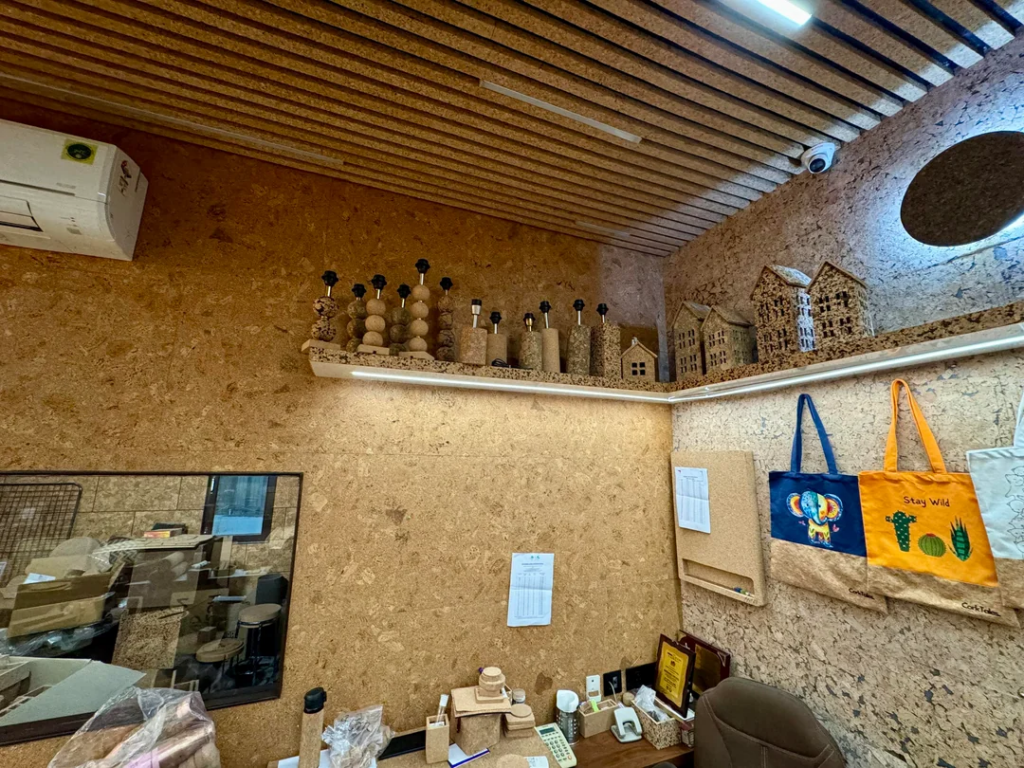
Cork walls are making a comeback in homes and garden rooms, offering both texture and function. The natural material works well in spaces where you need some sound dampening or want to pin up notes, photos, or garden planning sketches.
You can install cork tiles or panels yourself with basic adhesive. They hold up fine in most indoor conditions but keep them away from direct water exposure.
The earthy brown tones blend nicely with plant collections and wooden furniture. Plus, cork is renewable and eco-friendly, which appeals to today’s gardeners.
7.) Built-In Banquettes
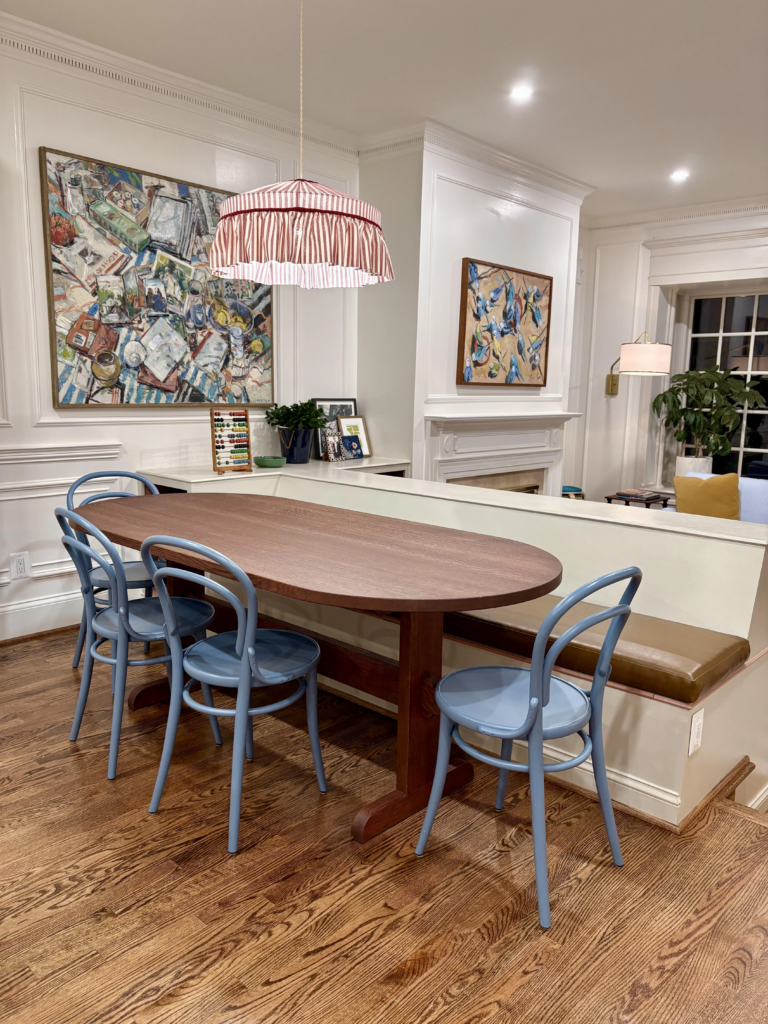
Built-in banquettes are making a comeback in kitchens and breakfast nooks, and it’s easy to see why. These cozy corner seats save space while creating an inviting spot for family meals. They work especially well in smaller homes where every square foot counts.
Modern versions come with lift-up seats that hide storage underneath, perfect for stashing table linens or seasonal items. You can customize them with cushions and pillows to match your style. Plus, they often fit more people around the table than traditional chairs would.
8.) Floral Chintz Fabrics
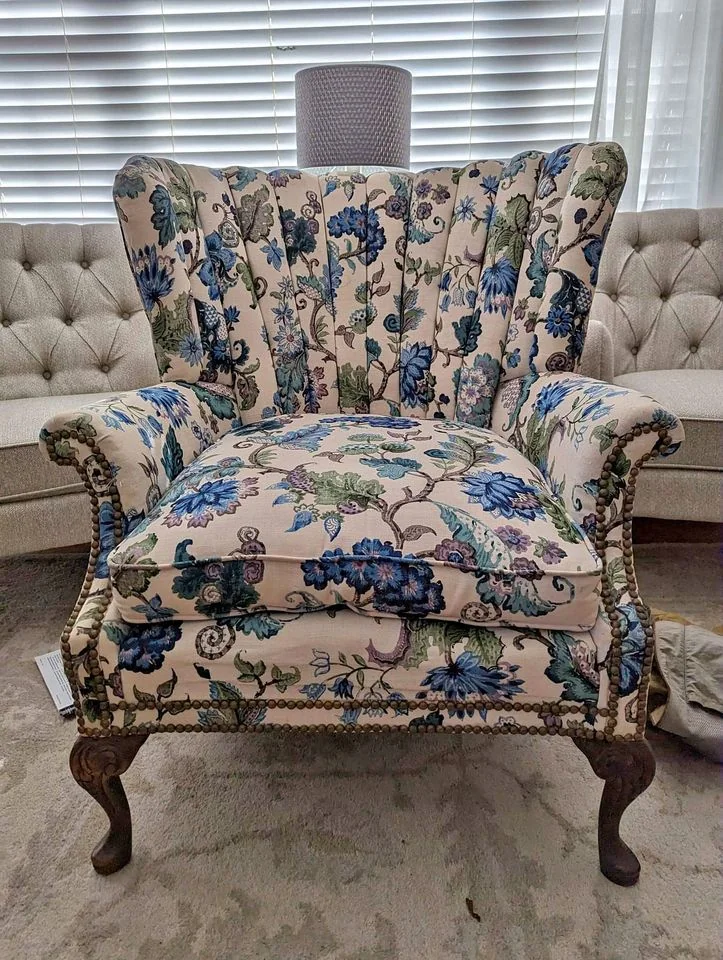
Floral chintz fabrics are making their way back into homes after decades of being labeled as outdated. These tightly woven cotton prints feature glossy finishes and busy flower patterns that your grandmother probably had on her living room curtains.
Interior designers are using them in unexpected ways now—think throw pillows mixed with modern furniture or reupholstered vintage chairs. The key is pairing them with clean lines and neutral colors so they don’t overwhelm a room.
Look for smaller-scale prints if you’re nervous about going full cottage-core in your space.
9.) Arched Doorways

Arched doorways are making a comeback in modern gardens, and it’s easy to see why. These curved structures create natural frames for pathways and garden rooms, drawing your eye deeper into the landscape. You can build them from metal, wood, or even train climbing plants over wire frames.
For a living arch, try fast-growing clematis or climbing roses in zones 5-9. They’ll need regular watering during the first season and annual pruning to keep their shape. The result is a garden feature that feels both classic and fresh.
10.) Parquet Wood Floors

Parquet wood floors feature small pieces of hardwood arranged in geometric patterns like herringbone or chevron. They fell out of favor during the wall-to-wall carpet craze but are making a comeback in modern homes.
These floors work well in any room with normal foot traffic. Regular sweeping and occasional damp mopping keep them looking good. Use felt pads under furniture legs to prevent scratches, and wipe up spills quickly since water can damage the finish.
Most parquet needs refinishing every 10-15 years, depending on wear and tear.
11.) Checkerboard Patterns

Checkerboard patterns are making their way back into gardens, and honestly, it’s about time. These alternating squares of different plants or materials create a clean, organized look that works in both formal and casual spaces.
Try pairing dark and light groundcovers like Irish moss and Scotch moss in shaded areas, or alternate paving stones with low-growing thyme in sunny spots. The thyme handles foot traffic well and thrives in zones 4-9.
Keep edges trimmed monthly to maintain those crisp lines. It takes a bit of upkeep, but the graphic effect is worth it.
12.) Brass Hardware
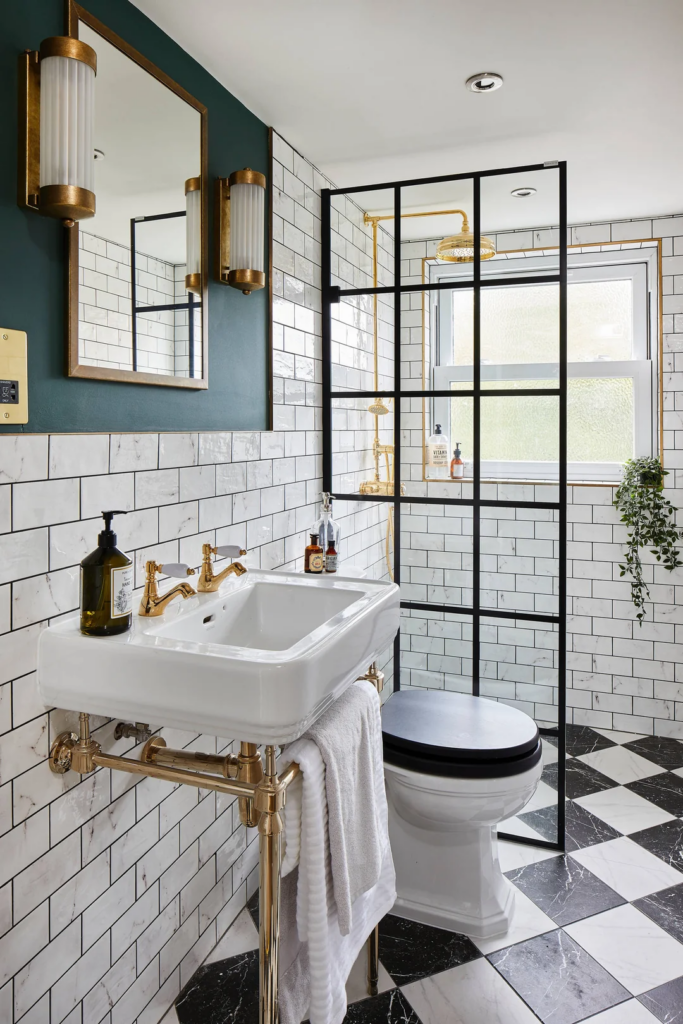
Brass fixtures and handles are making their way back into gardens and outdoor spaces after years of being replaced by stainless steel and matte black finishes. Garden designers are installing brass faucets, cabinet pulls for potting sheds, and door hardware on garden gates.
The material develops a natural patina over time when exposed to weather, which many people prefer for its aged look. If you want to keep the shiny finish, you’ll need to polish it every few months with a brass cleaner and seal it with a protective coating.
13.) Vintage Appliances

That avocado-green fridge your grandma had? It’s making a comeback in modern kitchens and even outdoor spaces. Designers are incorporating vintage refrigerators and other retro appliances into covered patios and garden sheds to create functional potting stations.
These colorful pieces from the ’50s through ’70s work great in mild climates or sheltered areas. Keep them out of direct rain and extreme temperatures to prevent rust.
The key is finding working models at estate sales or refurbishing old units. They add character while providing actual cold storage for seeds and bulbs.
14.) Wicker Accents

Natural wicker is making a comeback in gardens and on patios after years of being replaced by plastic and metal. Designers are rediscovering its organic texture and warm tones that blend easily with plants and outdoor spaces.
The key to keeping wicker looking good is protecting it from constant moisture. Apply a clear sealant once a year and bring pieces under cover during heavy rain or winter months.
Pair wicker planters and furniture with trailing plants like pothos or ferns. The natural material won’t crack in moderate sun and actually ages better than synthetic alternatives.
15.) Stained Glass Windows
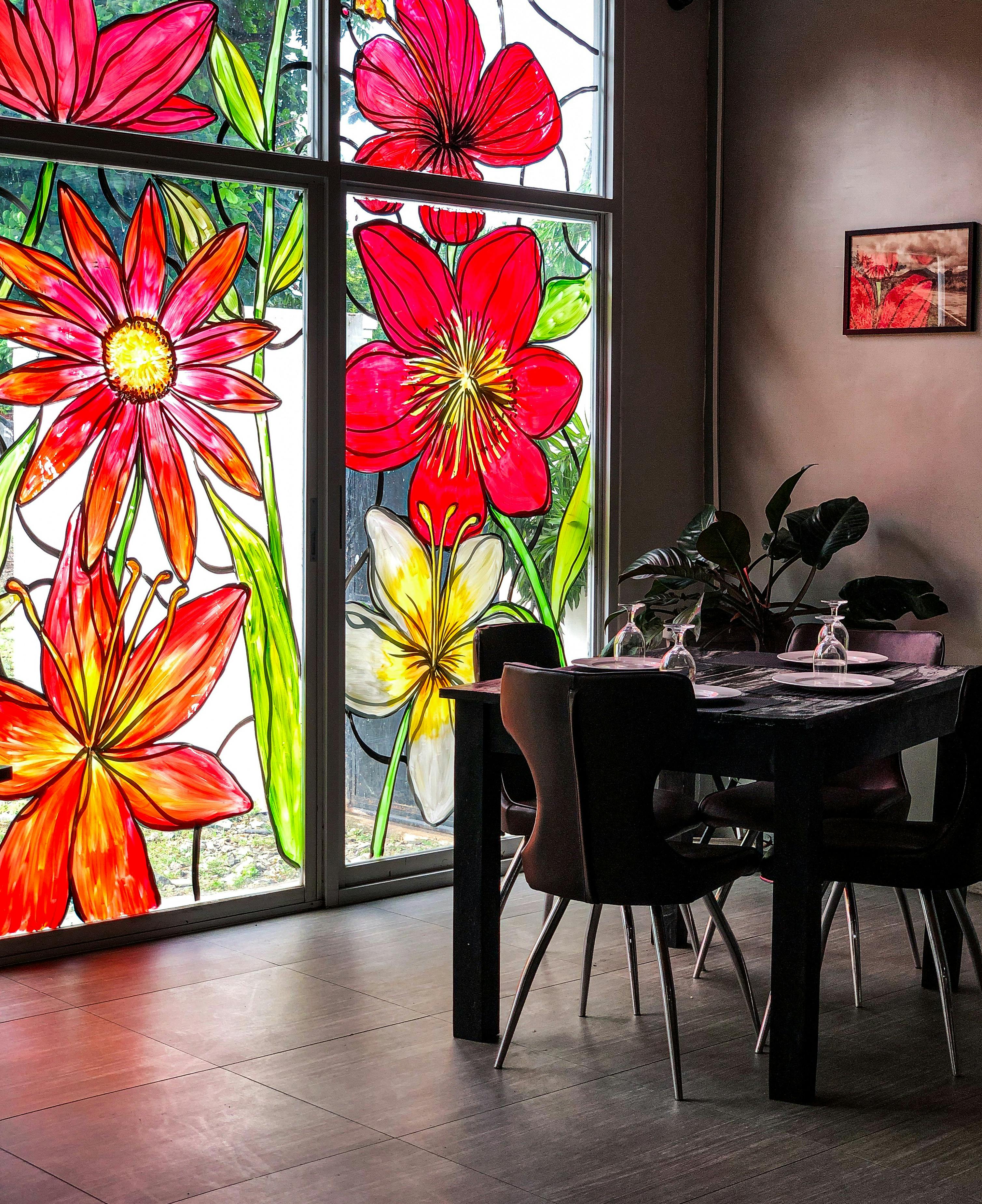
Stained glass windows are making a comeback in homes, and it’s easy to see why. These colorful panels add character to any space while offering privacy without blocking natural light. You can find them at architectural salvage shops or commission new pieces from local artisans.
Installing stained glass is straightforward—most panels fit into existing window frames with minimal adjustments. They work well in entryways, bathrooms, or as room dividers. Clean them occasionally with a soft cloth and mild glass cleaner to keep the colors looking fresh and prevent dust buildup in the lead channels.
16.) Scalloped Edges

Scalloped edges are making a comeback in garden design, showing up on everything from planter rims to patio furniture and decorative borders. The wavy, shell-like pattern adds a softer look compared to straight lines, which works well in cottage-style or traditional gardens.
You’ll find scalloped edging in terra cotta, metal, and plastic materials. They’re easy to install along flower beds or pathways—just press them into the soil. The curved shapes help create gentle transitions between different garden areas without looking too formal or rigid.
17.) Textured Popcorn Alternatives
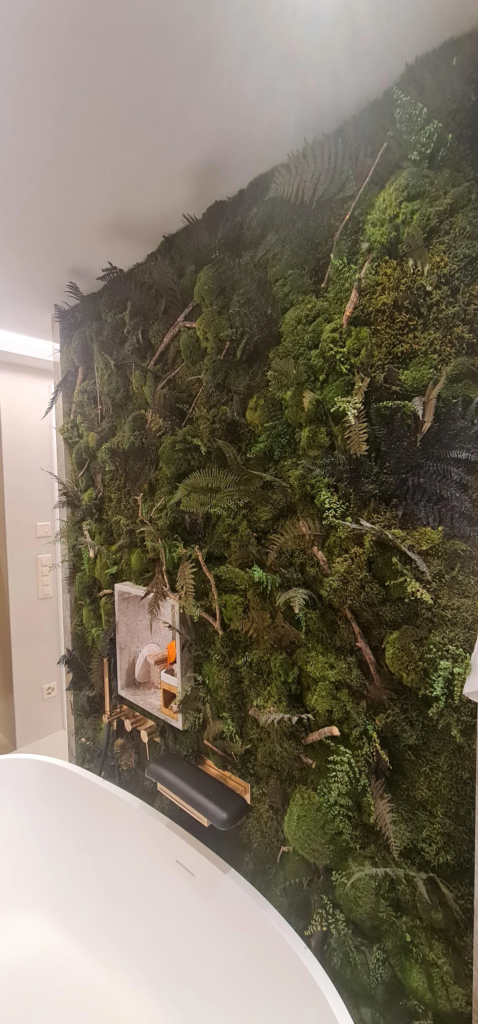
Textured ceilings are making a comeback, but forget the old popcorn sprays—designers are now using natural materials like dried hydrangeas, preserved moss, and air plants to add overhead interest. These organic alternatives bring dimension without the dated look.
Dried hydrangeas work well in covered porches where moisture won’t be an issue. Preserved moss panels need minimal care and thrive in humid bathrooms or kitchens. Air plants (tillandrias) prefer bright, indirect light and a weekly misting.
The key is keeping these installations away from direct water sources while maintaining enough airflow to prevent mold.
18.) Butler’s Pantries
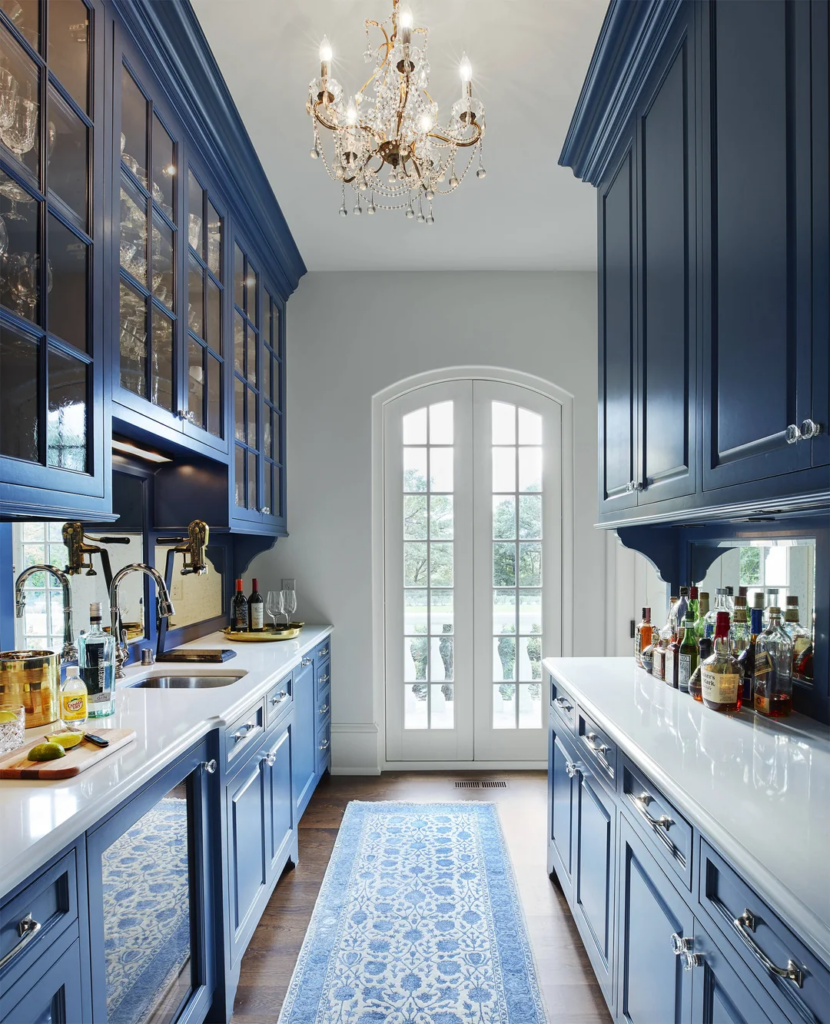
The butler’s pantry is making a comeback as homeowners rediscover its practical charm. This small room sits between the kitchen and dining area, offering extra storage and prep space for entertaining. You can stash serving dishes, glassware, and small appliances out of sight while keeping them close at hand.
Modern versions often include a sink, wine fridge, or coffee station. They’re perfect for hiding the mess when guests arrive, giving you a clean kitchen to show off while dirty dishes pile up behind closed doors.
19.) Clawfoot Tubs

Clawfoot tubs are making their way back into bathrooms and, surprisingly, onto porches and patios as planters. Their deep basins work well for plants that need good drainage, especially when you drill a few holes in the bottom.
Try filling one with herbs like rosemary, thyme, and oregano for a kitchen garden right outside your door. They also handle larger vegetables like tomatoes or peppers since the depth gives roots plenty of room to spread.
The porcelain holds moisture better than terracotta, so you won’t need to water as often during hot summer months.
20.) Picture Rails
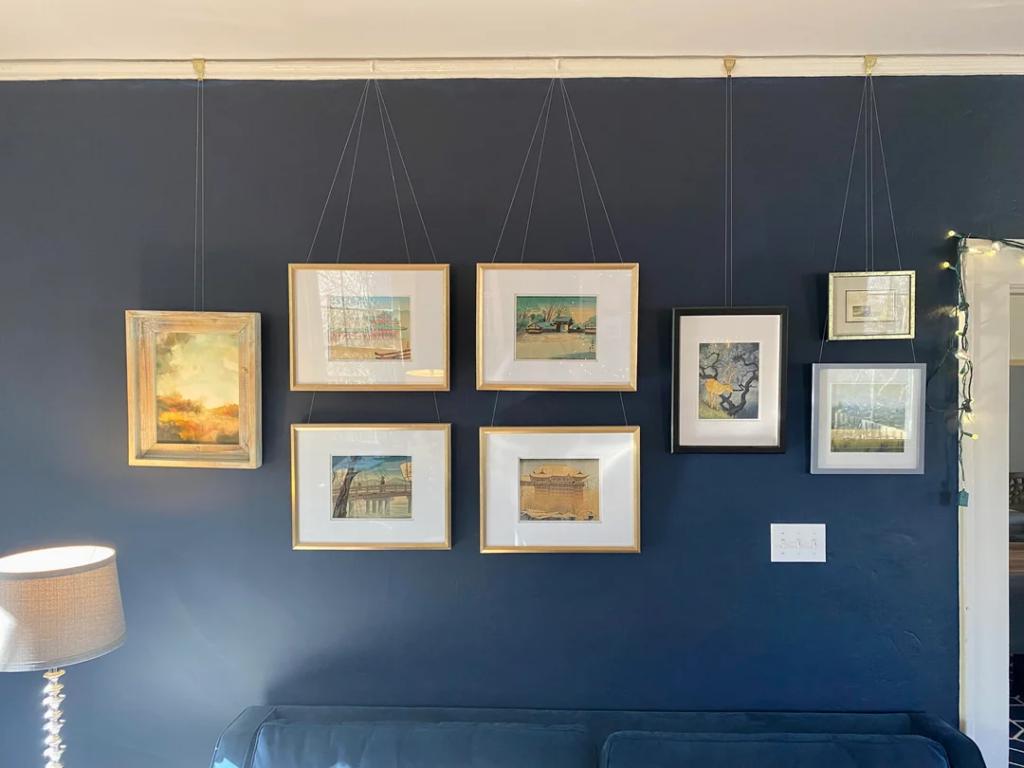
Picture rails were standard in homes from the Victorian era through the 1940s, installed about a foot below the ceiling. These horizontal moldings let you hang artwork from hooks and wire without putting holes in your walls—pretty clever when you think about it.
Designers are adding them back to rooms now because they solve real problems. You can rearrange your gallery wall whenever you want, and they give rooms that finished, detailed look that newer construction often lacks. Plus, installation is straightforward if you can find the studs.
21.) Pocket Doors

Pocket doors slide right into the wall instead of swinging open like regular doors. They’re making a comeback because they save so much space, which is perfect for smaller homes and apartments. You can use them between rooms, for closets, or even to separate a home office from your living area.
Installing them does require some wall space for the door to disappear into, so you’ll need to check if your walls can handle it. Modern hardware makes them run smoothly and quietly, unlike the old sticky versions your grandparents probably had.
22.) Lattice Details
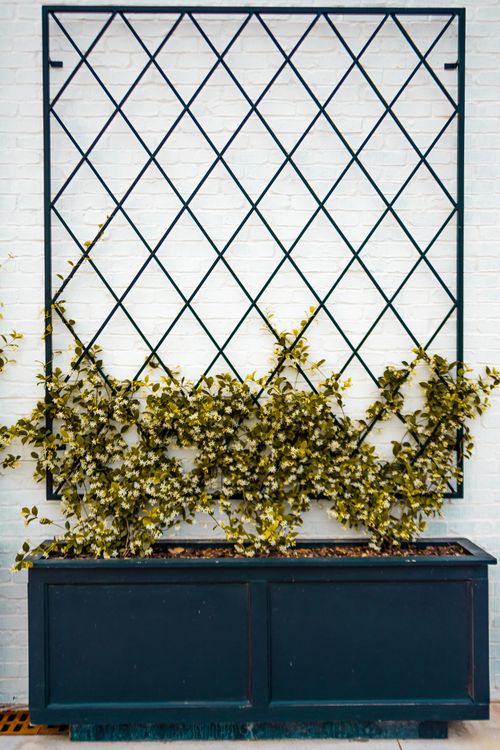
Lattice is making a comeback in gardens and on patios, and it’s easy to see why. These crisscross wooden or vinyl panels add instant character to blank walls and fences while giving climbing plants like clematis, morning glories, and jasmine something to grab onto.
You can paint lattice any color to match your outdoor space, or leave it natural for a more rustic look. Installation is straightforward—just mount it securely to posts or existing structures.
It works well in all climate zones and doubles as a privacy screen when plants fill in.
23.) Macramé Wall Hangings
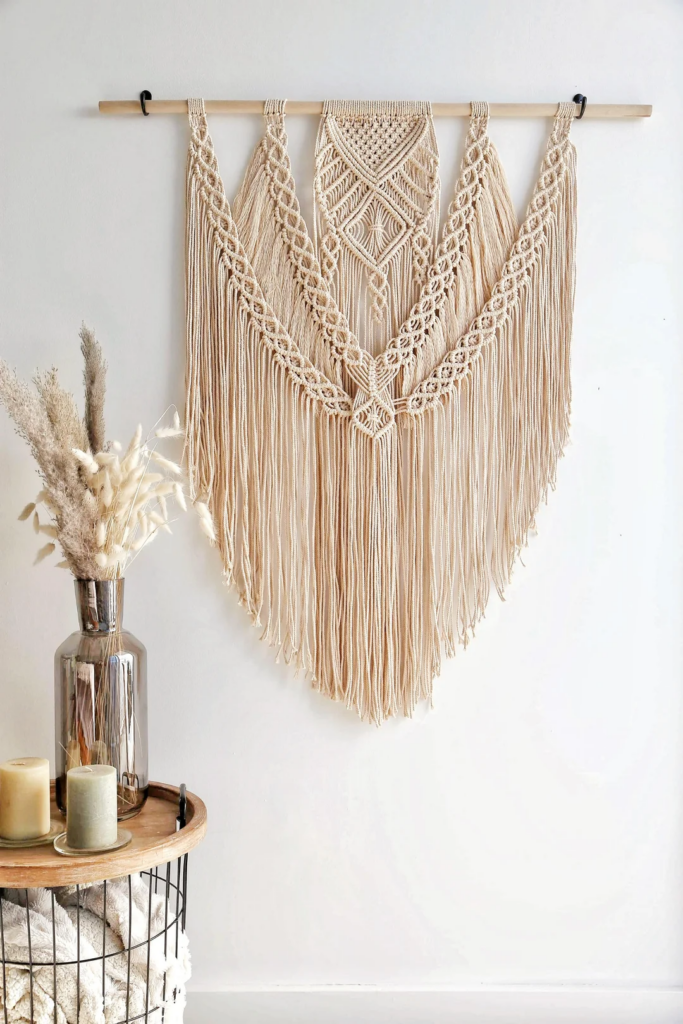
Those knotted rope plant hangers from the ’70s are making their way back onto walls and into corners everywhere. Macramé hangings let you display trailing plants like pothos, string of pearls, or spider plants at eye level, which is perfect for small spaces.
They work well in bright, indirect light near windows. Just make sure the plant you choose matches the light conditions of the spot. Water carefully since most macramé holders don’t have drainage trays—you’ll need to take plants down to water them or use a liner.
24.) Window Seats

Window seats disappeared from new homes for decades, but architects are tucking them back into floor plans again. They create a cozy spot to read, nap, or just watch the world go by. You’ll often find them in bay windows or dormer alcoves where natural light pours in.
The trick is adding enough cushions and pillows to make the space comfortable without blocking the view. Built-in storage underneath makes them practical, too. They work especially well in bedrooms, breakfast nooks, and home libraries where you want a quiet retreat.
25.) Exposed Brick Walls
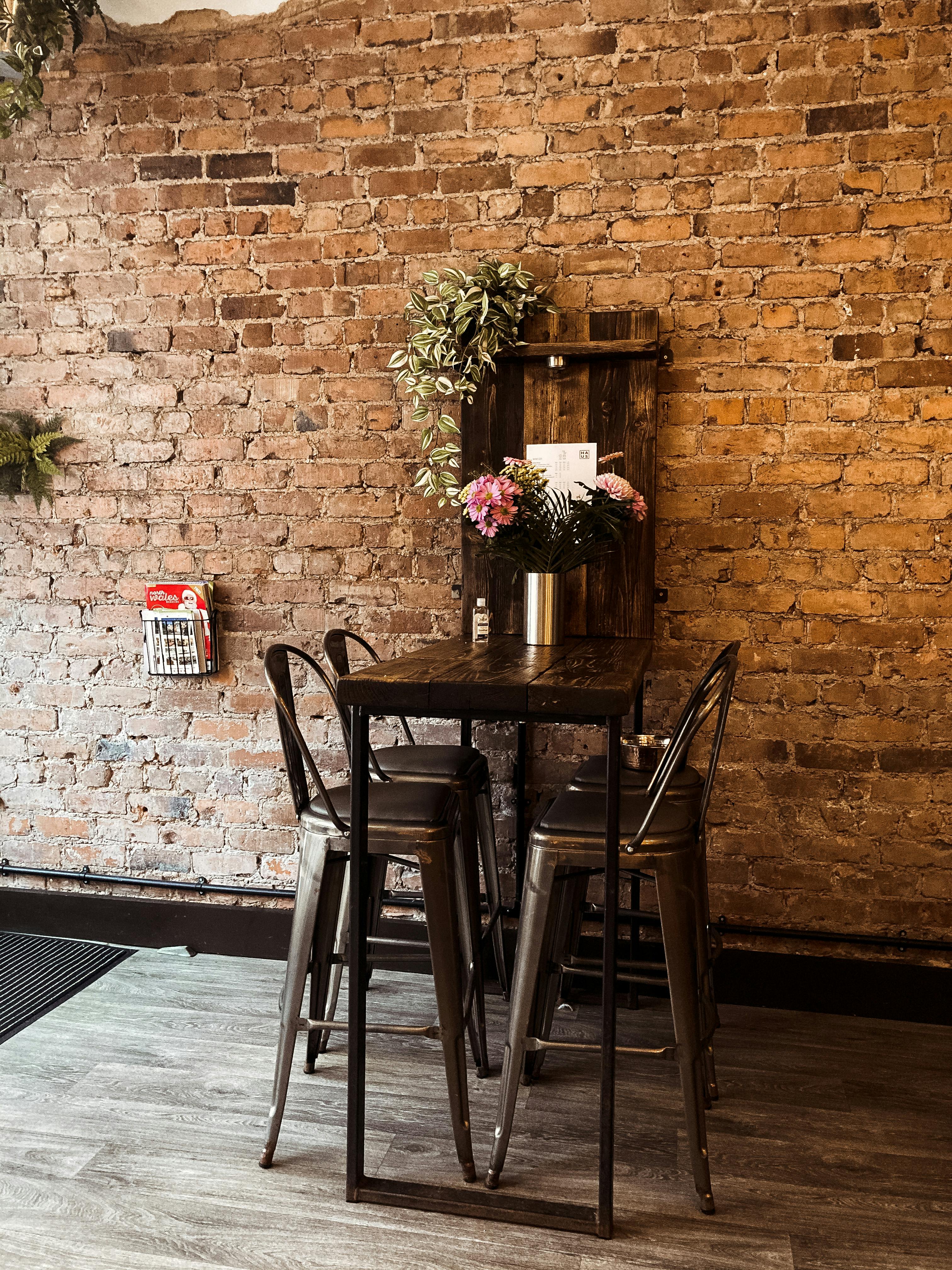
Exposed brick walls are making their way back into modern homes after years of being covered up with drywall and paint. The raw, industrial look adds character and warmth without much effort on your part.
If you’re lucky enough to have brick hiding under your walls, consider uncovering it. You’ll need to clean it thoroughly and apply a sealant to prevent dust and crumbling. The natural texture works well in living rooms, kitchens, and bedrooms, giving any space an instant dose of personality that feels both old and new.
26.) Pedestal Sinks
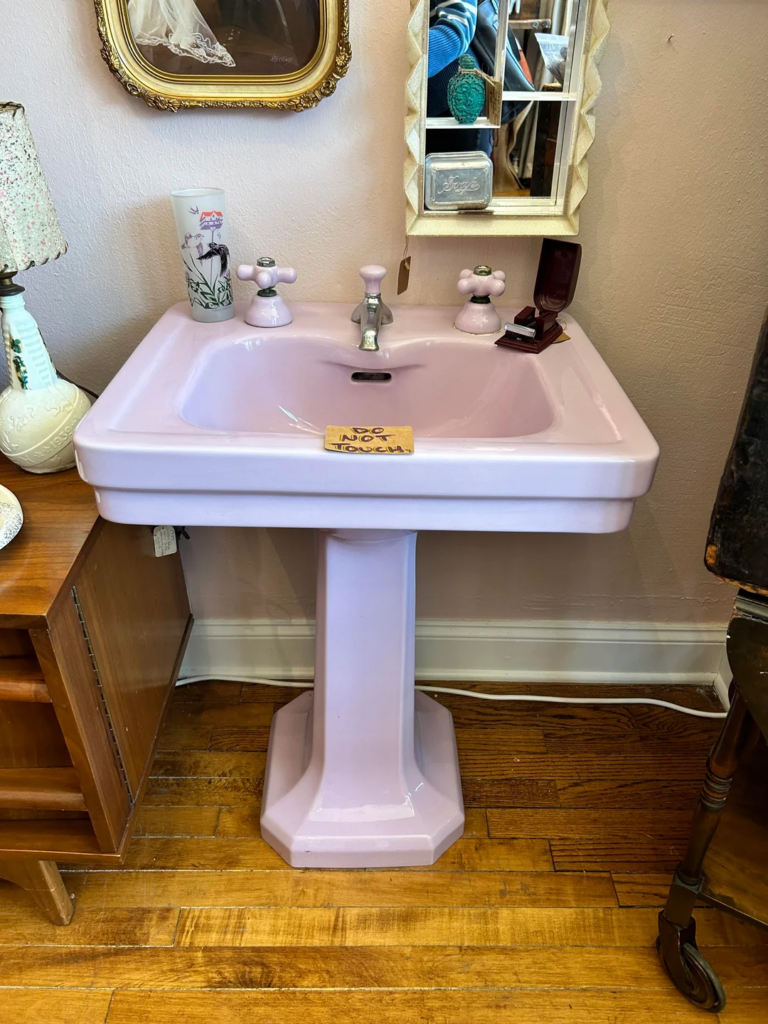
Pedestal sinks are making their way back into bathrooms after years of being replaced by bulky vanities. These classic fixtures feature a basin mounted on a single column that hides the plumbing while keeping the floor space open and easy to clean.
They work best in smaller bathrooms or powder rooms where you don’t need much counter space. The exposed plumbing means you’ll want to keep cleaning supplies elsewhere, but the airy feel they create makes rooms appear larger than they actually are.
27.) Shag Rugs

The fuzzy, deep-pile carpet from the ’70s is making its way back into modern homes. Shag rugs add a cozy, tactile element to living rooms and bedrooms that hard flooring just can’t match.
Today’s versions come in more neutral colors and patterns than their groovy predecessors. They work especially well in minimalist spaces where you need some warmth and texture.
Keep them clean with regular vacuuming using the hose attachment instead of the beater bar, which can damage the long fibers. Shake them outside monthly to remove trapped dirt.
28.) Sunken Living Rooms
Remember descending a few steps into a cozy, carpeted pit in your friend’s basement? Sunken living rooms defined the ’70s, creating a natural gathering spot without walls or dividers. They made spaces feel distinct while keeping everything open.
Designers are reconsidering them now, especially in open-concept homes that lack definition. The lowered floor creates a lounge area that feels separate but connected. Modern versions skip the shag carpet for hardwood or tile.
Fair warning: they’re not ideal for homes with small kids or mobility concerns, and furniture arrangement takes some planning.
29.) Cane Furniture

Cane furniture is making its way back into living rooms and sunrooms after years of being pushed aside for more modern materials. The woven rattan or bamboo pieces your grandmother might have owned are suddenly popular again, especially for creating relaxed, casual spaces.
The beauty of cane furniture is that it works both indoors and on covered porches. Keep it out of direct rain and harsh sun to prevent the material from drying out and cracking. A quick wipe-down with a damp cloth keeps dust away, and an occasional treatment with linseed oil helps maintain the natural fibers.
30.) Decorative Wall Plates
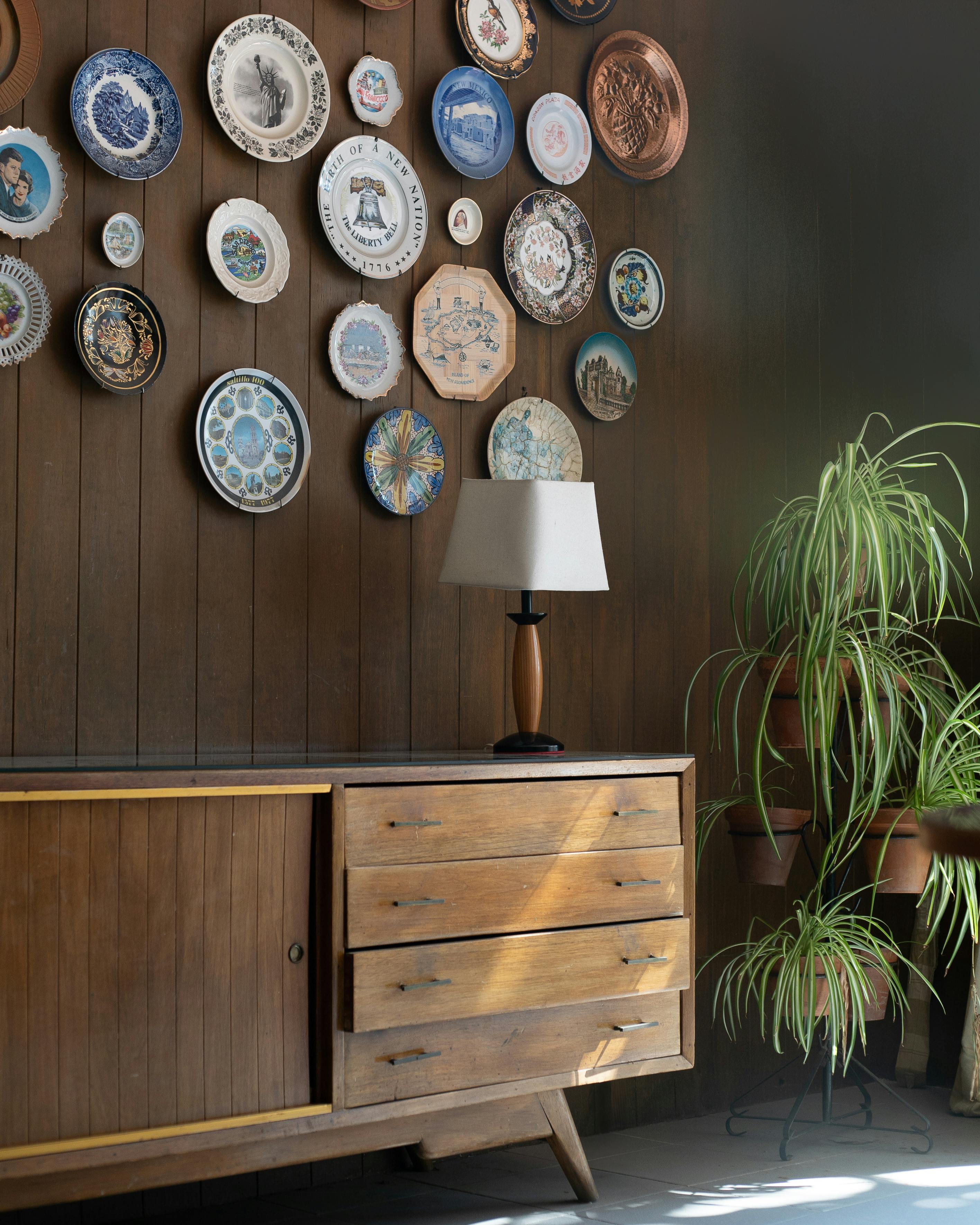
Your grandmother probably had a collection of ceramic plates climbing up her dining room wall, and now designers are dusting off this tradition. The comeback makes sense—plates add pattern and personality without taking up floor space, which matters in smaller homes.
Mix different sizes and patterns for an eclectic look, or stick with matching sets for something more polished. Hang them with plate hangers or adhesive disc holders.
They work especially well in kitchens, dining rooms, and breakfast nooks where they feel natural rather than forced.