Want to grow your own edamame?
It’s easier than you think!
Check out these six simple tactics to help your plants thrive. You’ll have fresh, tasty edamame in no time.
Ready to dig in? Let’s go!
Pick the Perfect Spot
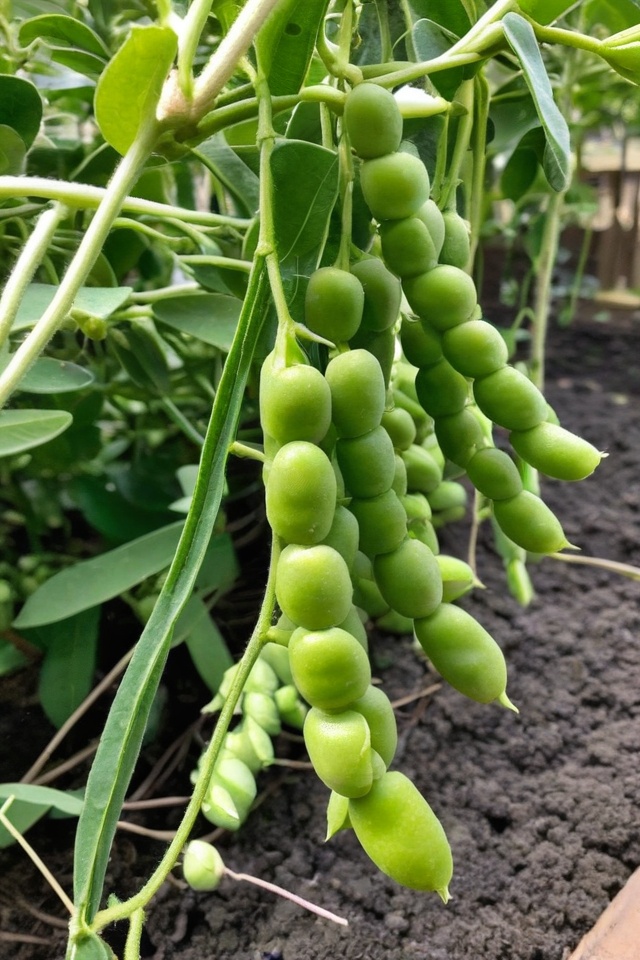
First off, choose a sunny place in your garden. Edamame loves sunlight and needs at least 6 hours of it daily.
Make sure the soil is well-draining because soggy roots can lead to plant troubles. If you don’t have an ideal garden spot, a large container that gets a lot of sun works great too.
Just make sure it’s deep enough for roots to grow comfortably.
Get the Timing Right
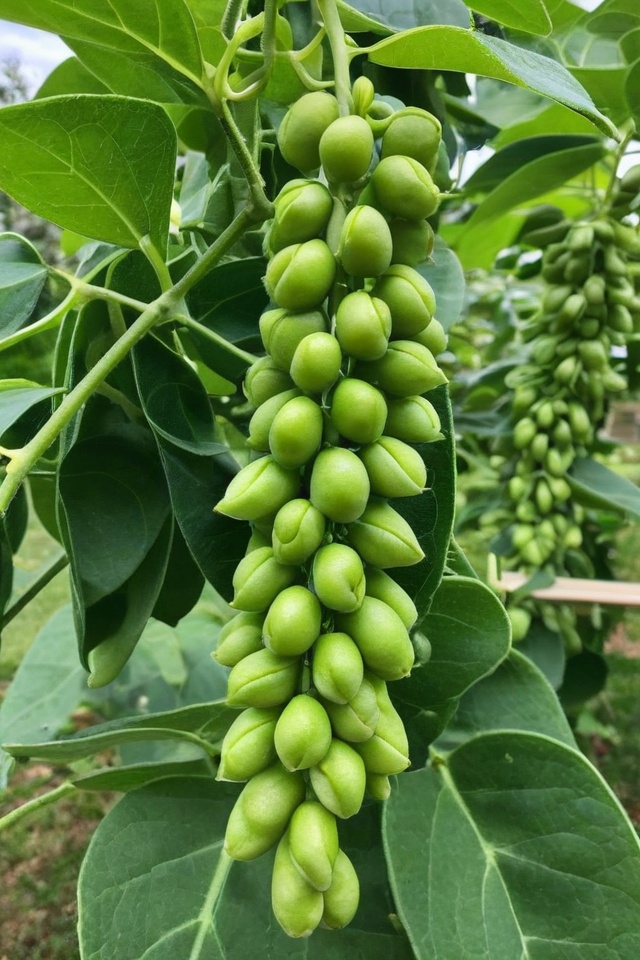
Timing is key for a great edamame harvest. Plant your seeds in spring when the soil has warmed up a bit, around 55 to 70 degrees Fahrenheit.
This usually means waiting until after the last frost. If you want to extend your harvest, plant a new batch every two weeks or so.
Plant the Seeds
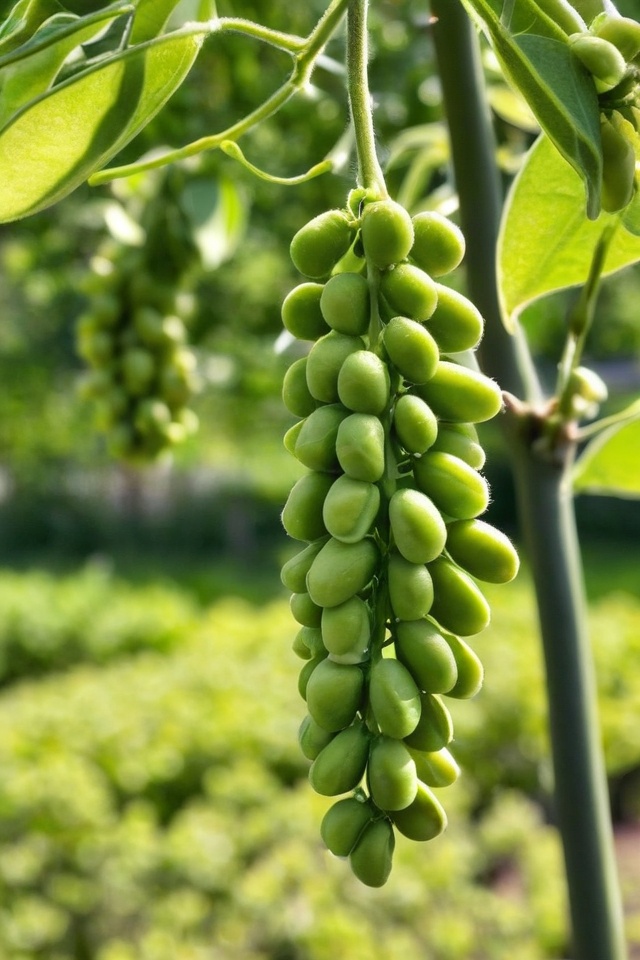
Time to get those seeds in the ground! Plant them about 1-2 inches deep and 3-4 inches apart.
If you’re using rows, keep them around 18 inches apart. Water them well after planting.
Now, just sit back and let those little seeds do their thing. You’ll see sprouts popping up in about a week or two.
Water and Feed
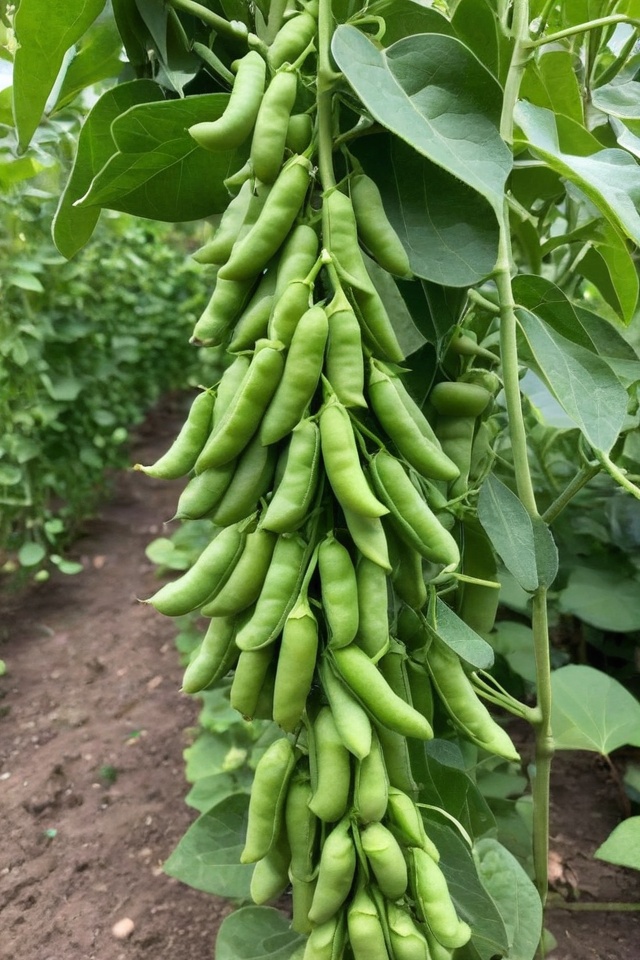
Edamame plants need a steady amount of water, especially during flowering and when the pods start forming. Keep the soil moist but not waterlogged.
A good rule is to water whenever the top inch of soil feels dry. Feeding them isn’t a big deal; a well-balanced vegetable fertilizer every few weeks should do the trick.
Keep an Eye Out for Pests
Even sturdy plants like edamame can have pests. Watch out for aphids and spider mites.
If you spot any, a quick spray of water can knock them off. For larger pests like rabbits, consider putting up a small fence.
Companion planting with marigolds or nasturtiums can also help keep pests away naturally.
Harvest Time
Your patience is about to pay off! Harvest your edamame when the pods are bright green and about 2-3 inches long.
This usually happens around 70-90 days after planting. Pull the pods off gently or use scissors so you don’t damage the plant.
Enjoy them fresh, boiled, or even in stir-fries!

