Peace lilies are pretty forgiving plants, but if yours is just sitting there doing the bare minimum, you’re probably missing a few simple tricks. These plants can actually put out tons of new leaves and flowers when they’re really happy—way more than most people realize.
I’ve been growing peace lilies for years, and once I figured out what they actually need, mine went from sad and sparse to completely full and blooming like crazy. Let me share what actually works.
1.) Use Filtered or Distilled Water
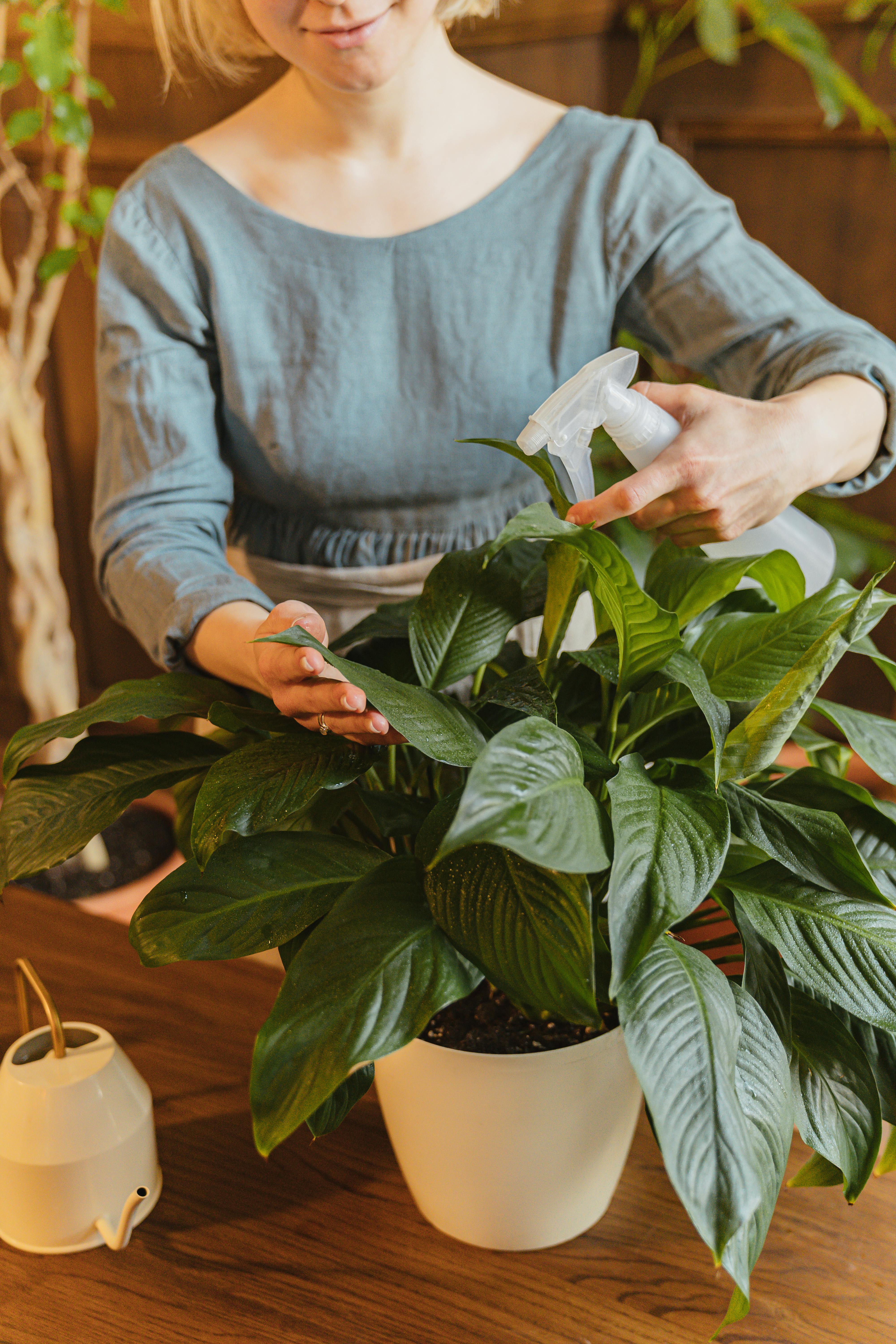
Tap water contains chlorine, fluoride, and other minerals that peace lilies don’t appreciate. These chemicals can build up in the soil over time and cause those annoying brown leaf tips you’ve probably noticed.
Switch to filtered or distilled water, and you’ll see a real difference in your plant’s health. If you only have tap water available, fill a pitcher and let it sit out overnight so the chlorine can evaporate.
Your peace lily will reward you with healthier, greener leaves and more consistent blooming throughout the year.
2.) Increase Humidity Around Plants
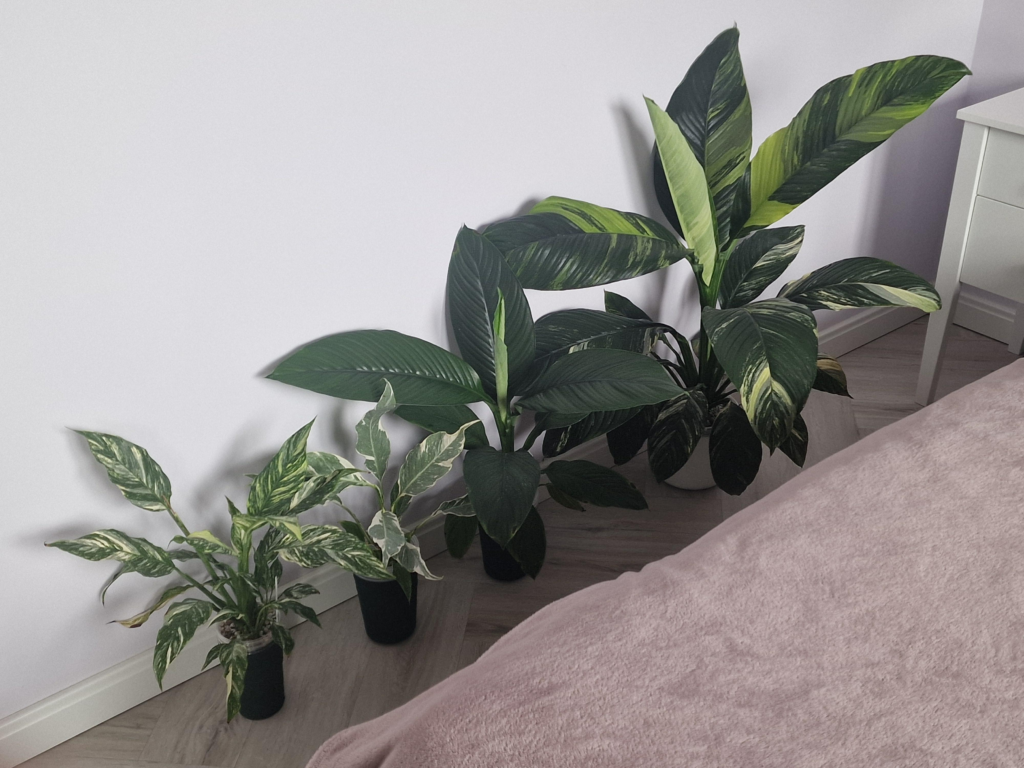
Peace lilies are tropical plants that love moisture in the air, so keeping humidity levels up makes a real difference in their growth. If your home’s air is dry, especially during winter, your plant might show brown leaf tips or slow down its growth.
Try grouping your peace lily with other houseplants to create a humid microclimate, or set it on a pebble tray filled with water. Misting the leaves every few days works too, though it’s not as effective as the other methods.
A small humidifier nearby is the most reliable solution if you’re serious about fast growth.
3.) Feed Monthly With Balanced Fertilizer
Peace lilies aren’t heavy feeders, but they appreciate regular meals during their growing season. A balanced liquid fertilizer with equal parts nitrogen, phosphorus, and potassium works best. Think 10-10-10 or 20-20-20 diluted to half strength.
Feed your plant once a month from spring through early fall when it’s actively growing. Skip the fertilizer in winter when growth naturally slows down.
Too much fertilizer causes brown leaf tips, so less is more. If you notice burnt edges, flush the soil with water and cut back on feeding.
4.) Provide Bright Indirect Light
Peace lilies can survive in low light, but they won’t thrive there. Place yours near an east or north-facing window where it gets plenty of indirect sunlight throughout the day. Direct sun will scorch the leaves, so keep it back a few feet from south or west windows.
If you notice slow growth or fewer blooms, light is usually the problem. A spot that’s too dark means your plant will just coast along without producing new flowers or leaves. Move it closer to natural light and watch the difference in just a few weeks.
5.) Repot When Roots Are Crowded

Peace lilies will tell you when they need more space. If roots are circling the bottom of the pot or poking through drainage holes, it’s time to move up. Roots that are too crowded can’t absorb water and nutrients properly, which slows down growth.
Choose a pot that’s 2 inches larger than the current one. Spring is the best time to repot, but you can do it any time if the plant is struggling. Use fresh potting mix and water well after transplanting to help the roots settle in.
6.) Remove Dead Leaves and Flowers

Dead leaves and spent flowers aren’t just ugly—they’re actually draining energy from your peace lily. Those brown, droopy bits are still pulling nutrients that could be going toward new growth. Grab some clean scissors and snip them off at the base where they meet the main plant.
Make this a weekly habit, especially during the growing season from spring through summer. You’ll notice fresh leaves popping up faster once the plant can focus its energy where it counts. Plus, removing dead material helps prevent fungal problems from taking hold.
7.) Maintain Consistent Warm Temperatures
Peace lilies are tropical plants that love warmth, so keeping them cozy is key to fast growth. They do best when temperatures stay between 68-85°F during the day and don’t drop below 60°F at night. Cold drafts from windows or AC vents can slow their growth to a crawl.
If your home runs cold, move your peace lily to a warmer spot away from drafty areas. You can also place it near other plants to create a micro-climate with trapped warmth. Keep it away from cold windowsills during winter months for the best results.
8.) Bottom Water for Deep Hydration
Bottom watering is a game-changer for peace lilies because it encourages roots to grow downward, creating a stronger plant. Set your pot in a basin or tray filled with a few inches of water and let it sit for 30-45 minutes. The soil will soak up moisture from the drainage holes.
Your peace lily’s roots will drink exactly what they need, reaching deep into the pot. This method prevents overwatering and keeps leaves from getting those brown tips that come from inconsistent moisture.
Try bottom watering once every week or two during growing season.