If you’re anything like me, you know the battle with clay soil can leave you feeling stuck and frustrated. Those hard, heavy chunks that dry like concrete in summer and turn into a soggy mess when it rains – not exactly a gardener’s dream!
But what about those of us dealing with stubborn clay soil who still want a nice, green yard without constant maintenance? Is there hope for us too? Read on…spoiler alert: THERE IS GOOD NEWS AHEAD!
Creeping Thyme (Thymus serpyllum)
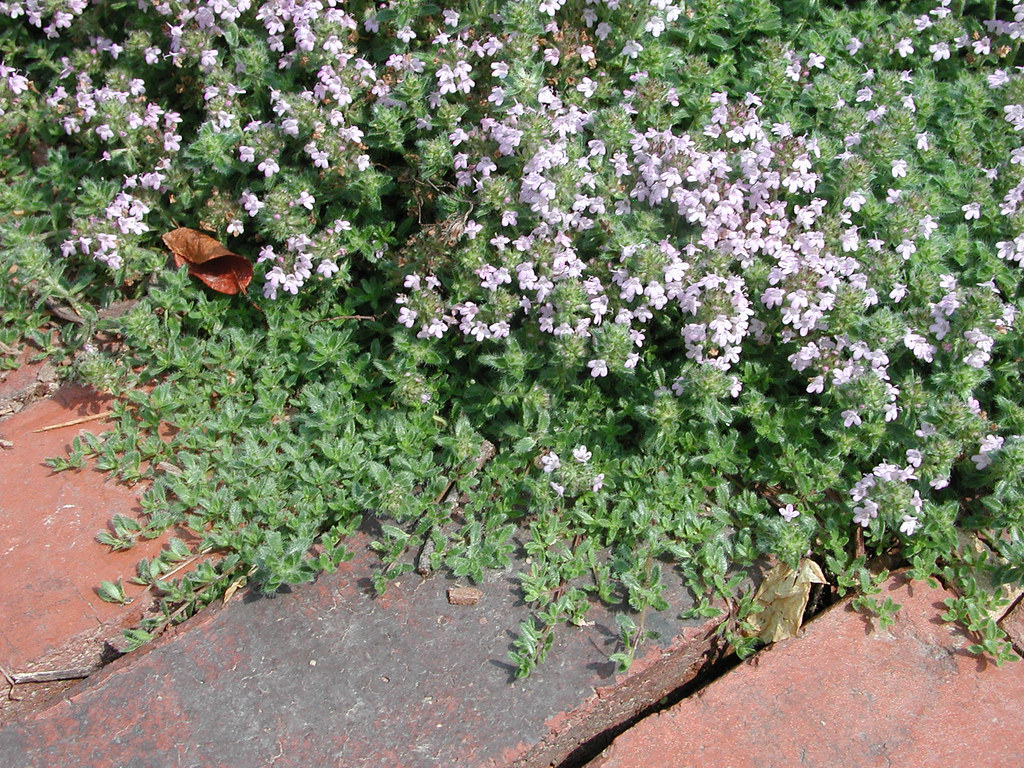
A hardy perennial that thrives in zones 4-9, creeping thyme forms a dense carpet of tiny leaves and masses of pink, purple, or white flowers in late spring through early summer.
The foliage ranges from dark green to variegated, spreading just 2-4 inches tall but extending 12-18 inches wide. Perfect for sunny spots and clay soil, it tolerates foot traffic and drought once established.
In cold climates, the evergreen foliage may take on bronze tints during winter. Popular varieties include ‘Coccineus’ with bright red flowers, ‘Pink Chintz’ with salmon-pink blooms, and ‘Elfin’ with its compact growth and purple flowers.
Deer and rabbit resistant, this Mediterranean native handles heat well and needs good drainage.
Lamb’s Ear (Stachys byzantina)

Known for its fuzzy, silvery-gray leaves, Lamb’s Ear creates a soft, low-growing carpet in the garden. The hardy perennial grows 12-18 inches tall and spreads steadily through underground runners.
Small purple flower spikes appear in early summer, though many gardeners remove them to focus on the woolly foliage. Excellent drought tolerance once established and thrives in clay soil with good drainage.
Performs best in full sun to part shade. Disease-resistant and deer-resistant. Hardy in zones 4-8.
Popular varieties include ‘Big Ears’ with extra-large leaves, ‘Silver Carpet’ which rarely flowers, and ‘Helene von Stein’ featuring longer leaves and better heat tolerance.
Sweet Woodruff (Galium odoratum)
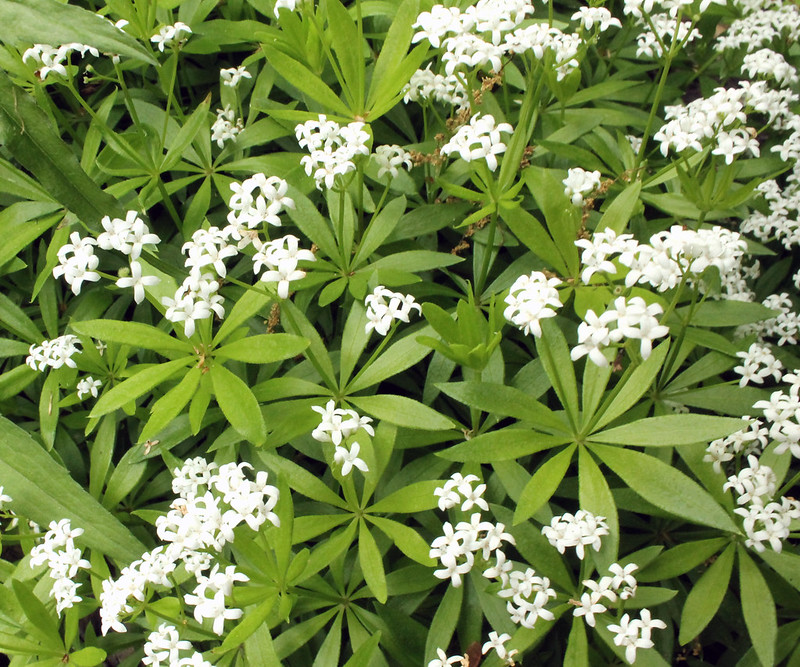
Sweet woodruff spreads slowly but steadily across shaded garden beds, making a lush mat of bright green whorled foliage that grows 6-8 inches tall. The fragrant white flowers appear in late spring, rising just above the leaves.
Growing best in partial to full shade, this hardy perennial (zones 4-8) adapts well to clay soil but needs regular moisture to stay happy. Plant varieties like ‘Emerald Star’ for extra-dense growth or ‘Snow Star’ for more prolific blooming.
Both spread steadily through underground runners. Sweet woodruff handles cold winters well but can struggle in intense summer heat. When dried, the leaves give off a pleasant hay-like scent that lasts for months.
Bugleweed (Ajuga)

A perfect low-maintenance ground cover for problem areas, Bugleweed spreads quickly through underground runners to form a dense mat of low-growing leaves.
This hardy perennial (zones 3-9) offers evergreen foliage in most regions and sends up spikes of blue-purple flowers in late spring to early summer.
Varieties like ‘Burgundy Glow’ showcase variegated pink, white, and green leaves, while ‘Black Scallop’ features deep purple-black foliage. Ajuga handles both sun and shade but prefers partial shade in hot climates.
The plant resists deer and rabbits, tolerates foot traffic, and adapts well to clay soil. Though drought-tolerant once established, it grows best with regular moisture.
Stonecrops (Sedum)
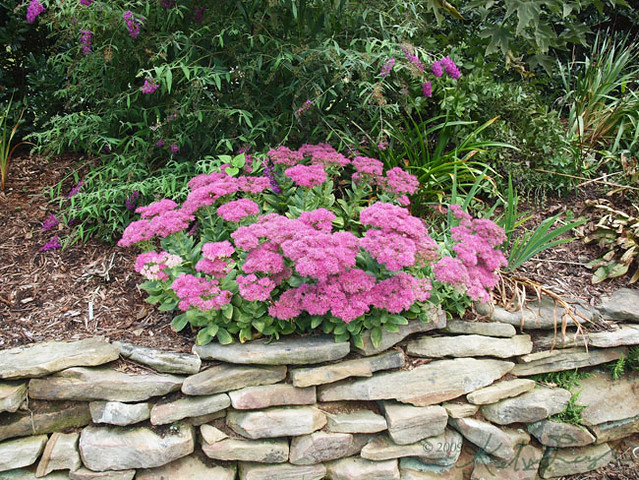
Low-growing sedum plants thrive in clay soil and spread to form thick mats of fleshy succulent leaves. Perennial in zones 3-9, these drought-tolerant plants bloom from mid-summer through fall with clusters of tiny star-shaped flowers in pink, yellow or white.
Common varieties include ‘Dragon’s Blood’ with deep red flowers and bronze-red leaves, ‘Coral Carpet’ featuring salmon-pink blooms and green foliage that turns copper in fall, and ‘Angelina’ offering golden needle-like leaves with yellow flowers.
Sedums handle heat well and need little maintenance once established. Plant in full sun to part shade. Most varieties grow just 3-6 inches tall.
Periwinkle (Vinca minor)

Looking for a ground cover that’s nearly indestructible? Periwinkle is a hardy perennial that spreads quickly and thrives in both shady and sunny spots. The evergreen leaves are small, glossy, and dark green, providing year-round coverage.
Blue-purple flowers appear in spring and often rebloom sporadically through fall. Common varieties include ‘Bowles’ with large blue flowers, ‘Alba’ featuring white blooms, and ‘Ralph Shugert’ with variegated foliage.
Disease-resistant and drought-tolerant once established, periwinkle handles poor soils with ease. Hardy in zones 4-9, it’s especially useful for controlling erosion on slopes. Prefers moderate moisture but adapts to dry conditions.
Barrenwort (Epimedium)

Growing just 6-12 inches tall, barrenwort is a slow-spreading perennial ground cover that thrives in shady spots. The heart-shaped leaves emerge with reddish tints in spring before maturing to green, often with mottled patterns.
Small, dainty flowers in pink, white, yellow or red appear in mid-spring, floating above the foliage like tiny butterflies. Perfect for zones 4-8, barrenwort handles dry shade and clay soil with ease once established.
The leaves stay evergreen in mild climates and provide good coverage all season. Popular varieties include ‘Frohnleiten’ with yellow blooms, ‘Lilafee’ featuring purple flowers, and ‘Pink Champagne’ boasting salmon-pink blossoms.
Plantain Lilies (Hosta)
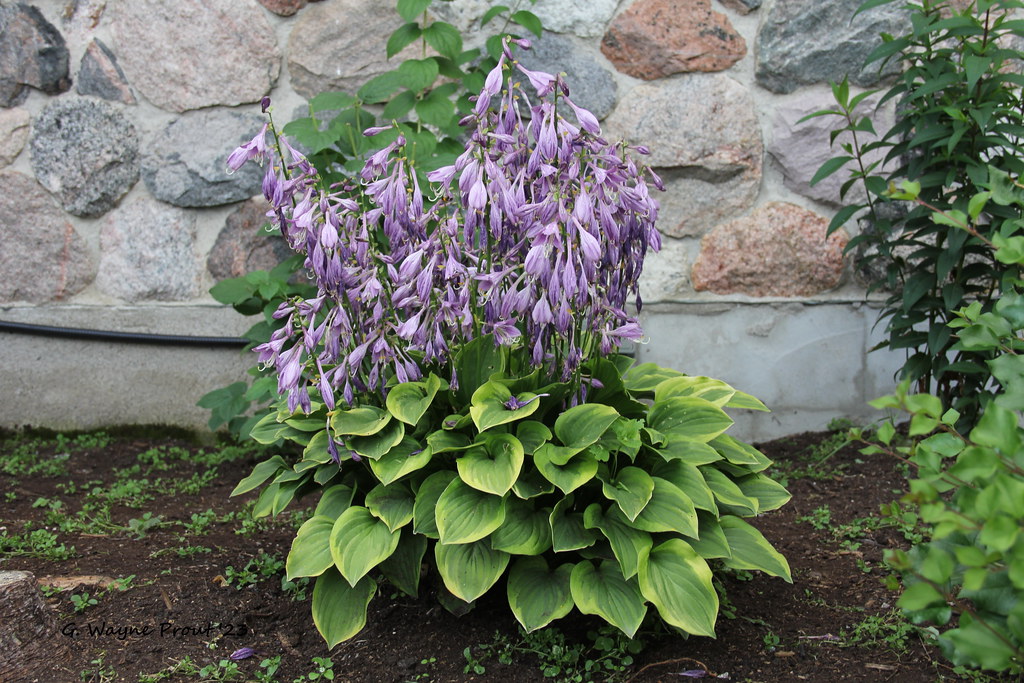
Plantain lilies, also known as hostas, flourish in shady gardens and clay soils, making them a reliable choice for ground cover. These perennials (zones 3-9) come in a range of sizes and colors, from small plants with blue-green leaves to larger varieties with golden or variegated foliage.
The leaves form dense clumps that effectively suppress weeds, while spikes of white or lavender flowers appear in summer. Popular varieties include ‘Sum and Substance’ with large chartreuse leaves, ‘Blue Mouse Ears’ with small blue-gray foliage, and ‘Patriot’ showing green leaves with white edges.
These tough plants handle humid conditions well but need regular water during dry spells. Deer find them tasty, though slugs rarely cause serious damage.
Japanese Spurge (Pachysandra)

Looking for an easy-care evergreen ground cover? Japanese spurge grows 6-8 inches tall and forms dense mats of glossy dark green leaves. The small white flowers appear in spring but the main appeal is the year-round foliage.
This shade-loving perennial handles clay soil like a champ and stays green through winter in zones 4-8. While it prefers consistent moisture, it’s fairly drought tolerant once established.
Common varieties include ‘Green Carpet’ with emerald leaves, ‘Silver Edge’ featuring white-margined foliage, and ‘Variegata’ showing cream and green patterns.
Japanese spurge resists deer and rabbits, making it a smart choice for woodland gardens and shady borders.
Wild Ginger (Asarum)

Ground-hugging wild ginger loves shady spots under trees and shrubs, spreading slowly but steadily to form thick mats of glossy, heart-shaped leaves. In spring, curious brown-purple flowers hide beneath the foliage, blooming close to the soil.
This hardy perennial thrives in zones 4-8 and keeps its leaves year-round in most areas. The native species has dark green leaves, while A. europaeum offers silvery marbling and A. splendens features dramatic silver patches.
Wild ginger handles clay soil like a champ and prefers consistent moisture, though it can tolerate periods of drought once established. Best in part to full shade, where it naturally grows under forest canopies.