Here is my favorite gluten-free meatloaf recipe, with tender ground beef, gluten-free breadcrumbs, herbs and spices, and a sweet ketchup glaze on top.
This meatloaf has become a weeknight staple in our house since I perfected the gluten-free version. My kids don’t even notice it’s different from the regular kind, and honestly, I think this one tastes even better. Plus, leftovers make great sandwiches the next day!

Why You’ll Love This Gluten Free Meatloaf
- Gluten-free friendly – This meatloaf uses gluten-free bread crumbs and Worcestershire sauce, so you can enjoy classic comfort food without worrying about gluten.
- Dairy-free adaptable – You can easily swap regular milk for almond, cashew, or coconut milk, making it work for different dietary needs.
- Classic comfort food taste – The sweet and tangy ketchup glaze on top combined with savory herbs gives you all the traditional meatloaf flavors you grew up with.
- Great for meal prep – Leftovers reheat beautifully and make excellent sandwiches the next day, so you get multiple meals from one recipe.
- Simple pantry ingredients – Most of these seasonings and ingredients are things you probably already have in your kitchen, making it an easy weeknight dinner option.
What Kind of Ground Beef Should I Use?
For this gluten-free meatloaf, you’ll want to stick with lean ground beef that’s 90% lean or leaner. The leaner meat helps prevent your meatloaf from becoming too greasy and sitting in a pool of fat while it bakes. If you can only find 85% lean, that’ll work too – just drain off any excess fat halfway through cooking. Some people like to use a mix of ground beef and ground pork for extra flavor, which is totally fine if you want to experiment. Just make sure whatever meat you choose is fresh and hasn’t been sitting in your fridge for too long.

Options for Substitutions
This meatloaf recipe works well with a few simple swaps if you need them:
- Ground beef: You can use ground turkey or ground chicken instead, though the meatloaf will be a bit lighter in flavor. You could also do a mix of beef and pork for a richer taste.
- Gluten-free bread crumbs: Crushed gluten-free crackers, oats (certified gluten-free), or almond meal work well here. Use the same amount and they’ll bind the meat just fine.
- Milk: Any milk works – regular dairy, almond, cashew, or even oat milk. They all add the moisture you need.
- Dried chopped onion: Fresh onion is actually better if you have it. Use about 1/3 cup finely chopped, and reduce the onion powder to 1 teaspoon since fresh onion has more flavor.
- Dried herbs: Fresh herbs can replace dried ones – just triple the amount. So 1/2 teaspoon dried thyme becomes 1 1/2 teaspoons fresh.
- Brown sugar: Honey or maple syrup work in the glaze instead of brown sugar. Start with 2-3 tablespoons since they’re sweeter and more liquid.
- Egg: For an egg-free version, try 3 tablespoons of unsweetened applesauce or a flax egg (1 tablespoon ground flaxseed mixed with 3 tablespoons water, let sit 5 minutes).
Watch Out for These Mistakes While Cooking
The biggest mistake when making meatloaf is overmixing the meat mixture, which can result in a dense, tough texture – mix just until the ingredients are combined, using your hands gently rather than a spoon or mixer.
Using ground beef that’s too lean (like 93% or higher) can actually make your meatloaf dry and crumbly, so stick with 90% lean for the right balance of moisture and flavor.
Don’t skip letting your meatloaf rest for 10 minutes after baking, as cutting into it immediately causes all the juices to run out onto your cutting board instead of staying in the meat.
For an even better result, spread the ketchup glaze on top during the last 15-20 minutes of baking rather than at the beginning, which prevents it from burning and gives you a nice caramelized finish.
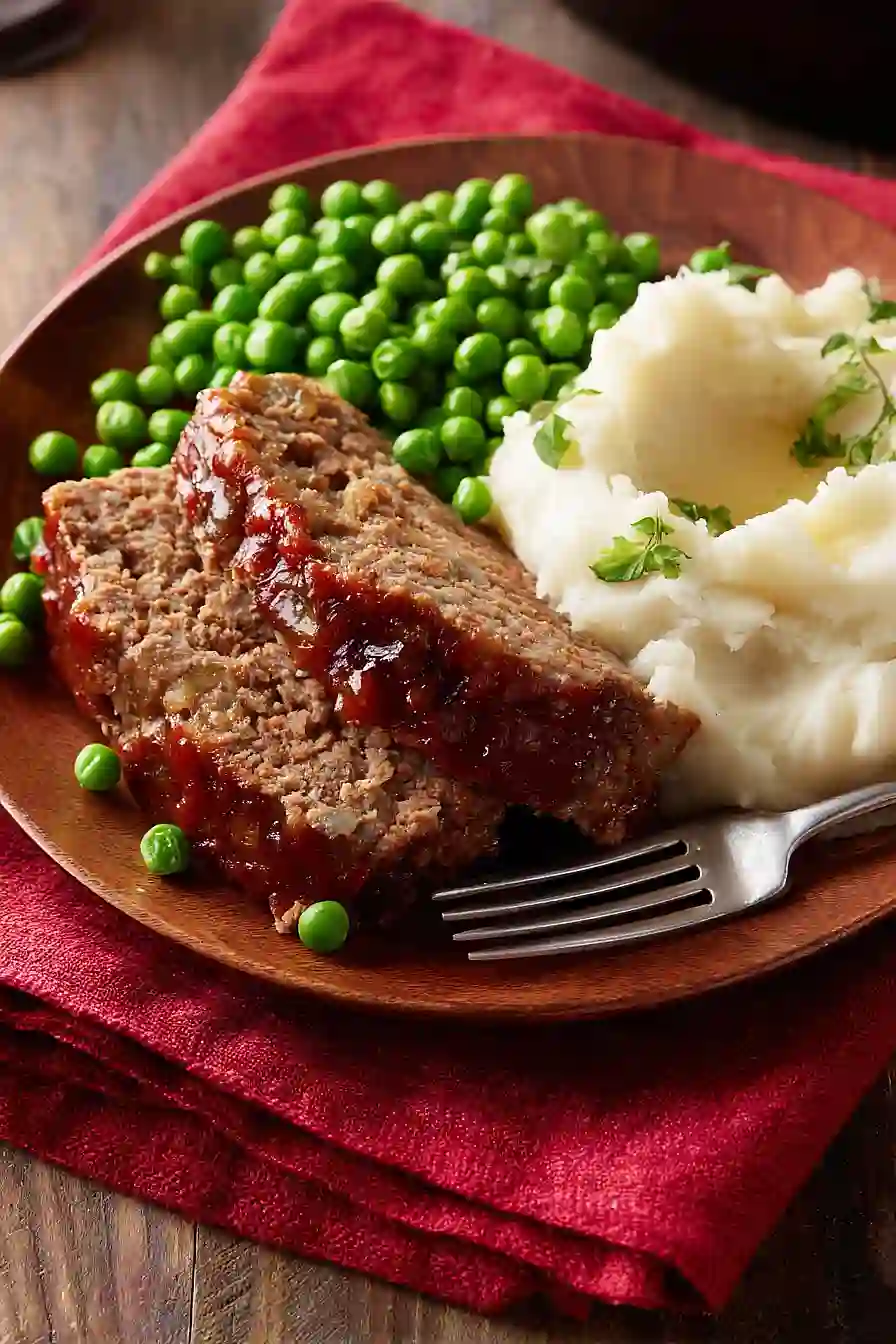
What to Serve With Gluten Free Meatloaf?
Meatloaf is all about those comforting side dishes, and my go-to is always creamy mashed potatoes – they’re perfect for soaking up that sweet ketchup glaze on top. Roasted vegetables like carrots, green beans, or Brussels sprouts add a nice balance to the rich, savory meat, and they’re easy to throw in the oven while the meatloaf bakes. A simple side salad with ranch or Italian dressing keeps things fresh, or you could go with classic mac and cheese if you’re feeding a crowd. For a lighter option, steamed broccoli or roasted asparagus work great too, especially when you add a little butter and garlic.
Storage Instructions
Store: Leftover meatloaf is honestly one of my favorite things to have in the fridge! Let it cool completely, then wrap it tightly in plastic wrap or store in an airtight container for up to 4 days. It makes amazing sandwiches the next day, or you can slice it up for quick dinners throughout the week.
Freeze: This meatloaf freezes really well, either as a whole loaf or in individual slices. Wrap it tightly in plastic wrap and then in aluminum foil, or use a freezer-safe container. It’ll keep for up to 3 months, which is perfect for those nights when you need dinner in a pinch.
Reheat: To warm up your meatloaf, cover slices with foil and heat in a 350°F oven for about 20 minutes, or until heated through. You can also microwave individual slices for 1-2 minutes. If it seems a bit dry, brush on a little extra ketchup glaze before reheating to keep it moist.
| Preparation Time | 15-20 minutes |
| Cooking Time | 75-90 minutes |
| Total Time | 90-110 minutes |
| Level of Difficulty | Medium |
Estimated Nutrition
Estimated nutrition for the whole recipe (without optional ingredients):
- Calories: 1800-2000
- Protein: 110-120 g
- Fat: 60-70 g
- Carbohydrates: 145-165 g
Ingredients
For the meatloaf:
- 1 tsp salt
- 1/2 tsp dried thyme
- 1/4 cup milk (binds the mixture together)
- 1 tsp dried parsley
- 1/2 tsp dried oregano
- 1/2 tsp garlic powder
- 1 large egg
- 2 tbsp dried onion (finely minced)
- 2 tbsp gluten-free Worcestershire sauce
- 1 tbsp onion powder
- 1 cup gluten-free bread crumbs (I use Bob’s Red Mill)
- 1.5 lb lean ground beef (freshly ground for better texture)
- 1/4 tsp black pepper
- 1/4 tsp paprika
For the glaze:
- 1/4 cup brown sugar (packed)
- 3/4 cup ketchup (I prefer Heinz)
- 1/2 tsp ground mustard (adds tangy depth)
Step 1: Prepare the Oven and Mix the Binder
- 1 large egg
- 1/4 cup milk
- 2 tbsp gluten-free Worcestershire sauce
- 1 cup gluten-free bread crumbs
Preheat your oven to 350°F so it reaches temperature while you prepare the meatloaf mixture.
In a large mixing bowl, whisk together the egg, milk, gluten-free Worcestershire sauce, and bread crumbs.
Let this mixture sit for 2-3 minutes—this allows the bread crumbs to absorb the liquid and creates a proper binder that holds the meatloaf together.
I find this resting period is crucial for getting a tender, moist meatloaf rather than a dense, crumbly one.
Step 2: Build the Seasoning Base
- 1 tsp salt
- 1/4 tsp black pepper
- 1/2 tsp dried thyme
- 1 tsp dried parsley
- 1/2 tsp dried oregano
- 1/2 tsp garlic powder
- 1 tbsp onion powder
- 1/4 tsp paprika
- 2 tbsp dried onion
While the bread crumb mixture rests, add all the dried seasonings to the binder: salt, black pepper, dried thyme, dried parsley, dried oregano, garlic powder, onion powder, paprika, and dried onion.
Stir well to distribute the seasonings evenly throughout the mixture.
This ensures every bite of your meatloaf will have balanced, consistent flavor rather than pockets of over-seasoning.
Step 3: Combine Meat with Seasoned Binder
- 1.5 lb lean ground beef
- seasoned bread crumb mixture from Step 2
Add the ground beef to the seasoned bread crumb mixture from Step 2.
Using your hands, gently combine until just incorporated—be careful not to overmix, as this can make the meatloaf tough and dense.
Work with a light touch, mixing only until you can’t see streaks of raw meat.
I like to use freshly ground beef when possible because it has a better texture than pre-ground, and the gentle hand-mixing helps preserve that tender quality.
Step 4: Shape and Prepare for Baking
- meat mixture from Step 3
Transfer the combined meat mixture into a loaf pan, then use your hands or the back of a spoon to gently pat it flat and even.
Press it down just enough to create a uniform shape that will cook evenly, but don’t compress it too aggressively—you want the meatloaf to stay tender and moist, not heavy and compacted.
Step 5: Make and Apply the Glaze
- 3/4 cup ketchup
- 1/4 cup brown sugar
- 1/2 tsp ground mustard
In a small bowl, whisk together the ketchup, packed brown sugar, and ground mustard until smooth and well combined.
The mustard adds a subtle tangy depth that balances the sweetness of the brown sugar and ketchup.
Pour this glaze evenly over the top of the shaped meatloaf, using a spatula or the back of a spoon to spread it into an even layer that covers the entire surface.
Step 6: Bake and Rest
- glazed meatloaf from Step 5
Place the glazed meatloaf in the preheated 350°F oven and bake for 1 hour and 15 minutes, or until the internal temperature reaches 160°F when measured with a meat thermometer in the center.
Remove from the oven and let the meatloaf rest in the pan for 10 minutes before slicing—this resting period allows the juices to redistribute throughout the meat, keeping it moist and tender when you cut into it.
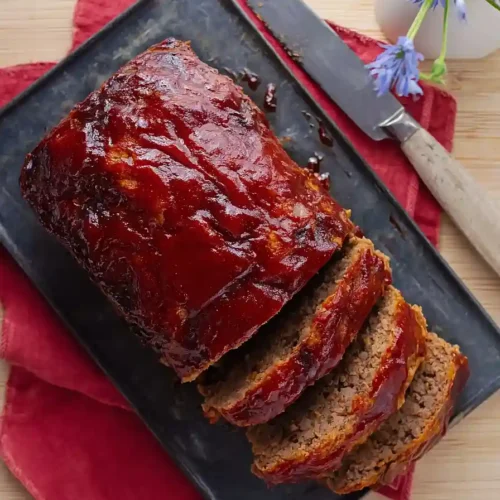
Perfect Gluten Free Meatloaf
Ingredients
For the meatloaf:
- 1 tsp salt
- 1/2 tsp dried thyme
- 1/4 cup milk (binds the mixture together)
- 1 tsp dried parsley
- 1/2 tsp dried oregano
- 1/2 tsp garlic powder
- 1 large egg
- 2 tbsp dried onion (finely minced)
- 2 tbsp gluten-free Worcestershire sauce
- 1 tbsp onion powder
- 1 cup gluten-free bread crumbs (I use Bob's Red Mill)
- 1.5 lb lean ground beef (freshly ground for better texture)
- 1/4 tsp black pepper
- 1/4 tsp paprika
For the glaze:
- 1/4 cup brown sugar (packed)
- 3/4 cup ketchup (I prefer Heinz)
- 1/2 tsp ground mustard (adds tangy depth)
Instructions
- Preheat your oven to 350°F so it reaches temperature while you prepare the meatloaf mixture. In a large mixing bowl, whisk together the egg, milk, gluten-free Worcestershire sauce, and bread crumbs. Let this mixture sit for 2-3 minutes—this allows the bread crumbs to absorb the liquid and creates a proper binder that holds the meatloaf together. I find this resting period is crucial for getting a tender, moist meatloaf rather than a dense, crumbly one.
- While the bread crumb mixture rests, add all the dried seasonings to the binder: salt, black pepper, dried thyme, dried parsley, dried oregano, garlic powder, onion powder, paprika, and dried onion. Stir well to distribute the seasonings evenly throughout the mixture. This ensures every bite of your meatloaf will have balanced, consistent flavor rather than pockets of over-seasoning.
- Add the ground beef to the seasoned bread crumb mixture from Step 2. Using your hands, gently combine until just incorporated—be careful not to overmix, as this can make the meatloaf tough and dense. Work with a light touch, mixing only until you can't see streaks of raw meat. I like to use freshly ground beef when possible because it has a better texture than pre-ground, and the gentle hand-mixing helps preserve that tender quality.
- Transfer the combined meat mixture into a loaf pan, then use your hands or the back of a spoon to gently pat it flat and even. Press it down just enough to create a uniform shape that will cook evenly, but don't compress it too aggressively—you want the meatloaf to stay tender and moist, not heavy and compacted.
- In a small bowl, whisk together the ketchup, packed brown sugar, and ground mustard until smooth and well combined. The mustard adds a subtle tangy depth that balances the sweetness of the brown sugar and ketchup. Pour this glaze evenly over the top of the shaped meatloaf, using a spatula or the back of a spoon to spread it into an even layer that covers the entire surface.
- Place the glazed meatloaf in the preheated 350°F oven and bake for 1 hour and 15 minutes, or until the internal temperature reaches 160°F when measured with a meat thermometer in the center. Remove from the oven and let the meatloaf rest in the pan for 10 minutes before slicing—this resting period allows the juices to redistribute throughout the meat, keeping it moist and tender when you cut into it.