Asparagus is one of those vegetables that I grab every single time I see it at the store. It’s easy to cook, doesn’t need much fussing with, and tastes good with just about anything. But here’s the thing—I used to boil it until someone told me I was doing it all wrong.
Roasting asparagus in the oven changed everything for me. It brings out this slightly sweet, nutty flavor that boiling just can’t touch. Plus, cleanup is easier. Just one pan and you’re done. I toss it with some olive oil, garlic powder, and a bit of lemon zest, then let the oven do its thing.
This recipe takes maybe five minutes to prep and twenty minutes to bake. That’s it. You’ll have a side dish that looks like you tried way harder than you actually did.
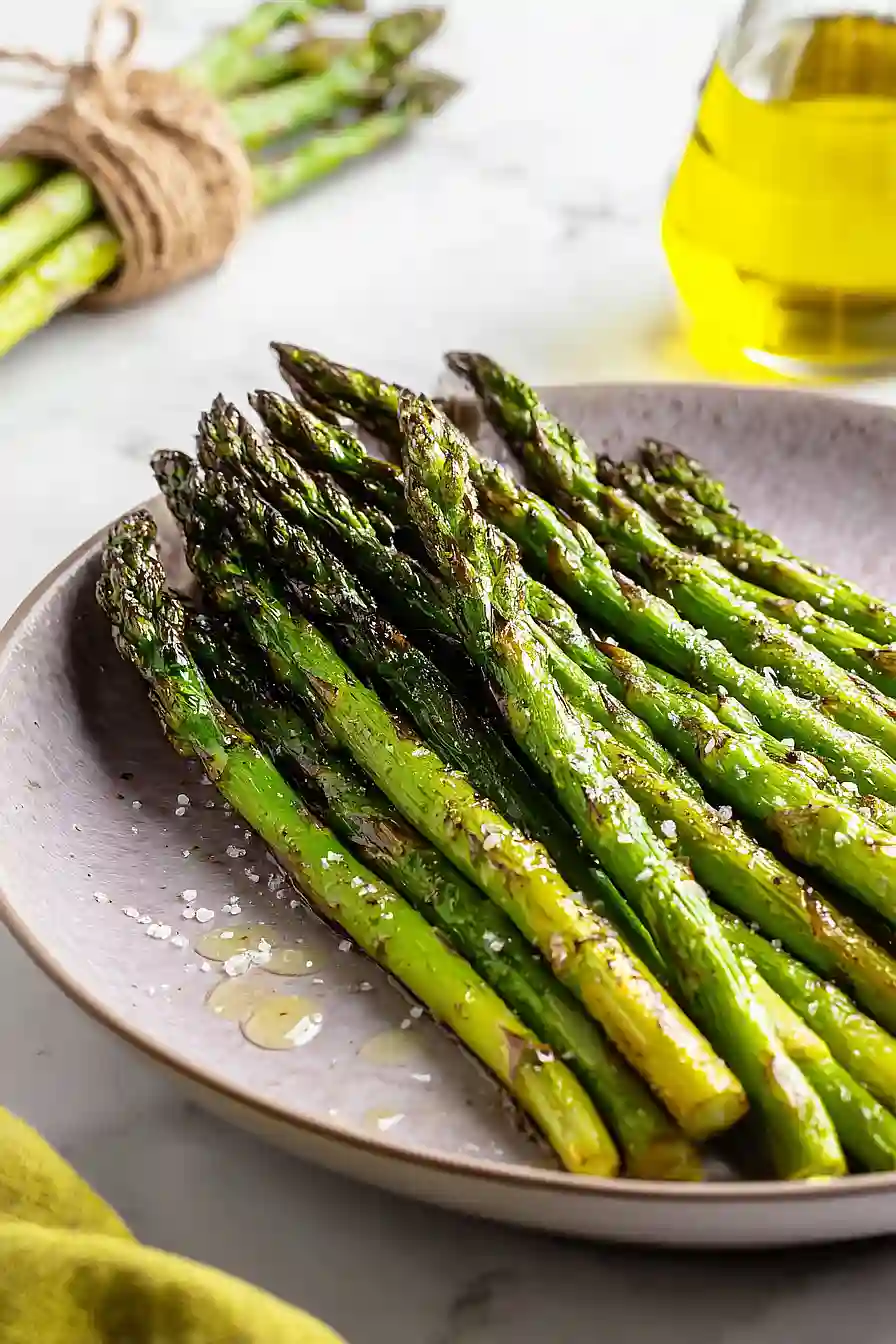
Why You’ll Love This Baked Asparagus
- Quick and easy – This recipe takes less than 30 minutes from start to finish, making it perfect for busy weeknights when you need a vegetable side in a hurry.
- Simple ingredients – You only need five basic ingredients that you probably already have in your pantry, plus fresh asparagus.
- Healthy side dish – Asparagus is packed with nutrients and fiber, and baking it with just a bit of olive oil keeps it light and wholesome.
- Foolproof preparation – There’s no fancy technique required here—just toss, season, and bake. Even beginners can nail this one on the first try.
What Kind of Asparagus Should I Use?
When picking out asparagus at the store, you’ll usually find thin, medium, or thick spears, and any of them will work for this recipe. Thinner asparagus tends to cook a bit faster and has a more tender bite, while thicker spears are meatier and hold up well to roasting. Look for asparagus with firm stalks and tight, closed tips – if the tips are starting to open up or look mushy, that’s a sign they’re past their prime. No matter which thickness you choose, just remember to snap off the woody ends at the bottom before cooking, as they can be tough and fibrous.
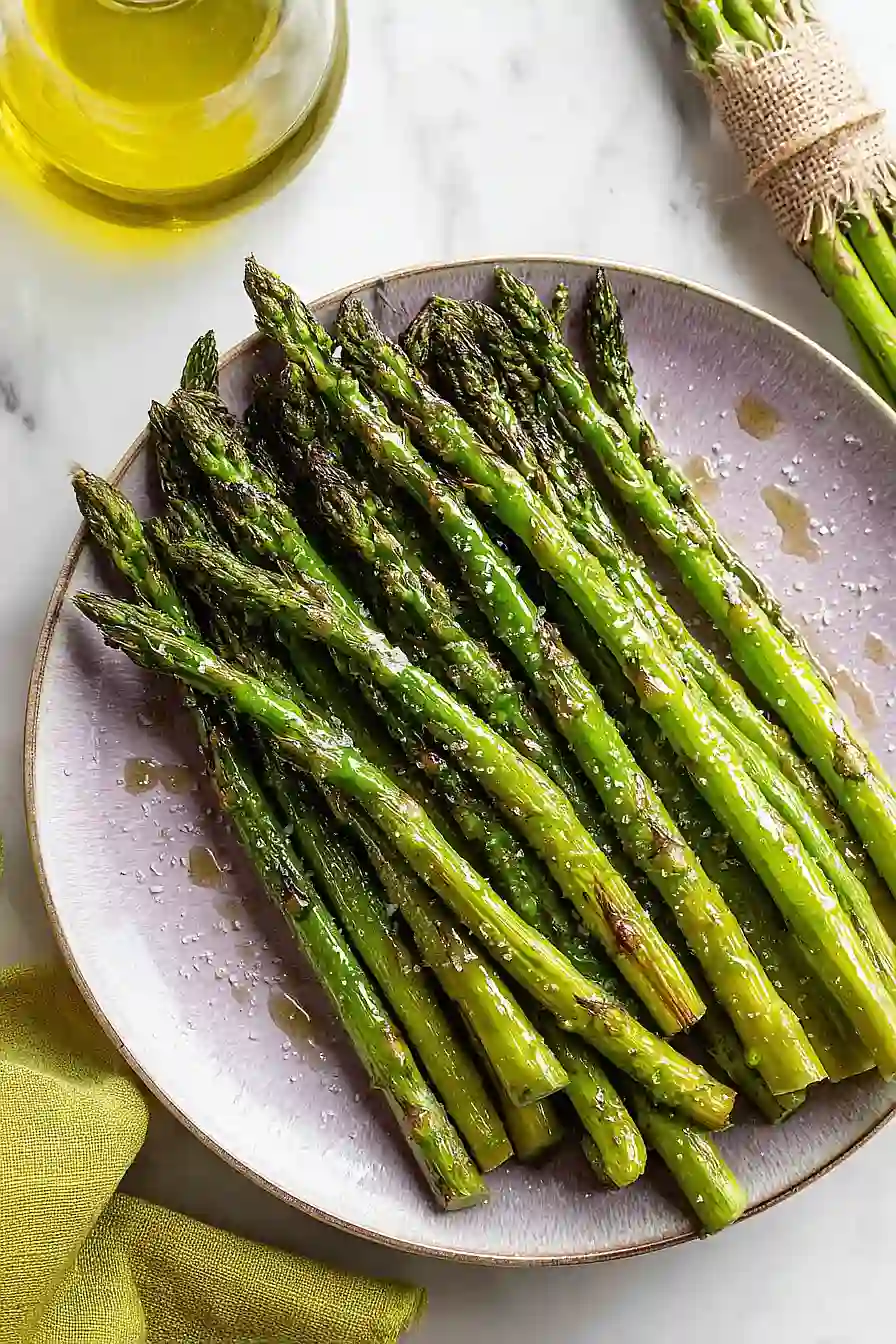
Options for Substitutions
This simple recipe is easy to customize with a few ingredient swaps:
- Asparagus: Fresh asparagus is really the star here and shouldn’t be substituted, but you can use either thick or thin spears – just adjust your cooking time accordingly. Thicker spears need a few extra minutes in the oven.
- Olive oil: If you’re out of olive oil, avocado oil or melted butter work great. Both will give you that nice roasted flavor and help the seasonings stick to the asparagus.
- Garlic powder: Fresh minced garlic is always a good swap – use about 2 cloves, minced. You can also try onion powder or a sprinkle of Italian seasoning for a different flavor profile.
- Salt and pepper: Feel free to get creative with your seasonings. Lemon pepper, everything bagel seasoning, or a pinch of red pepper flakes all work nicely with asparagus.
Watch Out for These Mistakes While Baking
The biggest mistake people make with baked asparagus is overcooking it, which turns those crisp-tender spears into mushy, limp vegetables – start checking at the minimum time based on your stalk thickness and look for bright green color with just a slight bend when you pick one up with tongs.
Crowding the asparagus on the baking sheet is another common error that leads to steaming instead of roasting, so make sure your spears are in a single layer with a bit of space between them for proper caramelization.
Don’t forget to snap off the woody ends before cooking (they’ll break naturally where the tender part begins), and for even cooking, try to choose asparagus spears that are similar in thickness so they all finish at the same time.
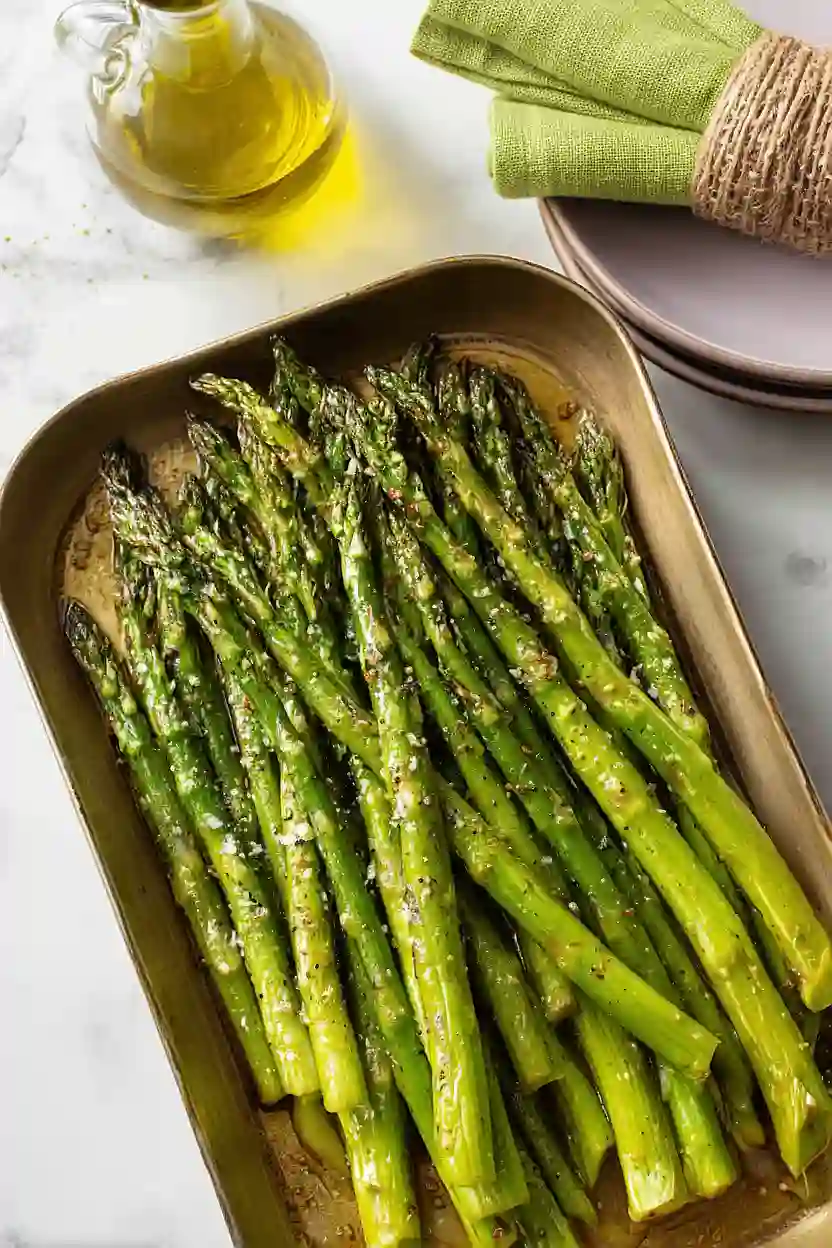
What to Serve With Baked Asparagus?
Baked asparagus makes a great side dish for just about any protein you’re cooking up for dinner. It pairs really well with grilled chicken, pan-seared salmon, or a juicy steak since the garlicky flavor complements meat and fish without overpowering them. If you’re going for a full meal, serve it alongside roasted potatoes or rice pilaf to round out your plate. For a lighter option, toss the asparagus into a pasta dish with lemon and parmesan, or chop it up and add it to a grain bowl with quinoa and your favorite dressing.
Storage Instructions
Store: Leftover baked asparagus keeps well in an airtight container in the fridge for up to 3 days. I like to store it separately from any other dishes so it doesn’t get soggy. It’s great to toss into salads, omelets, or pasta throughout the week.
Serve: You can enjoy the asparagus cold straight from the fridge, which is actually really refreshing in a salad. If you prefer it warm, just reheat it in the oven at 350°F for about 5 minutes or pop it in the microwave for 30-45 seconds until warmed through.
| Preparation Time | 5-10 minutes |
| Cooking Time | 10-20 minutes |
| Total Time | 15-30 minutes |
| Level of Difficulty | Easy |
| Servings | 4 servings |
Estimated Nutrition
Estimated nutrition for the whole recipe (without optional ingredients):
- Calories: 250-300
- Protein: 6-8 g
- Fat: 14-16 g
- Carbohydrates: 24-28 g
Ingredients
- 1 lb asparagus (ends trimmed about 1-2 inches to remove woody bits)
- 2.5 tbsp olive oil (I prefer Filippi Berio Extra Virgin for roasting)
- 3/4 tsp garlic powder
- 1/4 tsp salt
- 1/4 tsp pepper (freshly cracked yields the best aroma)
- 1/2 tsp lemon zest
Step 1: Prepare the Asparagus and Preheat the Oven
- 1 lb asparagus
Trim the woody ends from the asparagus by cutting about 1-2 inches off the bottom of each spear—this removes the tough, fibrous parts that won’t cook properly.
Pat the trimmed asparagus dry with paper towels; this is important because moisture on the surface will steam rather than roast the asparagus.
While preparing the asparagus, preheat your oven to 400°F so it reaches the proper temperature by the time you’re ready to bake.
Step 2: Season the Asparagus and Create a Coating
- 2.5 tbsp olive oil
- 3/4 tsp garlic powder
- 1/4 tsp salt
- 1/4 tsp pepper
- 1/2 tsp lemon zest
Spread the trimmed asparagus in a single, even layer on a baking sheet.
In a small bowl, whisk together the olive oil, garlic powder, salt, pepper, and lemon zest until well combined—this ensures the seasonings are evenly distributed rather than clumping.
Pour the oil mixture over the asparagus and toss gently but thoroughly, making sure every spear gets coated with the seasoned oil.
Spread the asparagus back into a single layer, arranging the spears so they’re not overlapping; I like to angle them slightly for better browning and more even cooking.
Step 3: Roast Until Tender and Lightly Browned
Place the baking sheet in the preheated 400°F oven.
Bake for 8-11 minutes if you’re using thin asparagus, 12-15 minutes for medium stalks, or 16-20 minutes for thick asparagus—the key is looking for a light golden-brown color and tender texture when pierced with a fork.
The asparagus is done when the tips are slightly caramelized and the stalks are just tender enough to break easily but still have a slight bite to them.
Golden Baked Asparagus with Olive Oil
Ingredients
- 1 lb asparagus (ends trimmed about 1-2 inches to remove woody bits)
- 2.5 tbsp olive oil (I prefer Filippi Berio Extra Virgin for roasting)
- 3/4 tsp garlic powder
- 1/4 tsp salt
- 1/4 tsp pepper (freshly cracked yields the best aroma)
- 1/2 tsp lemon zest
Instructions
- Trim the woody ends from the asparagus by cutting about 1-2 inches off the bottom of each spear—this removes the tough, fibrous parts that won't cook properly. Pat the trimmed asparagus dry with paper towels; this is important because moisture on the surface will steam rather than roast the asparagus. While preparing the asparagus, preheat your oven to 400°F so it reaches the proper temperature by the time you're ready to bake.
- Spread the trimmed asparagus in a single, even layer on a baking sheet. In a small bowl, whisk together the olive oil, garlic powder, salt, pepper, and lemon zest until well combined—this ensures the seasonings are evenly distributed rather than clumping. Pour the oil mixture over the asparagus and toss gently but thoroughly, making sure every spear gets coated with the seasoned oil. Spread the asparagus back into a single layer, arranging the spears so they're not overlapping; I like to angle them slightly for better browning and more even cooking.
- Place the baking sheet in the preheated 400°F oven. Bake for 8-11 minutes if you're using thin asparagus, 12-15 minutes for medium stalks, or 16-20 minutes for thick asparagus—the key is looking for a light golden-brown color and tender texture when pierced with a fork. The asparagus is done when the tips are slightly caramelized and the stalks are just tender enough to break easily but still have a slight bite to them.