Look, I’ve spent three decades making just about every gardening mistake you can imagine. I’ve fallen for pretty flowers that turned into nightmares, planted “easy care” shrubs that tried to take over my entire yard, and wasted way too much money on plants that died within a month.
Now I know better, and I’m here to save you from the same headaches. Trust me, these ten plants aren’t worth the trouble, no matter how good they look at the garden center.
English Ivy

English Ivy seemed like a great groundcover when I first planted it in Zone 5. It’s evergreen, tolerates shade, and spreads quickly—which turned out to be the problem.
Within a few years, it had climbed my trees, invaded flower beds, and snuck under my siding. Pulling it out is a nightmare since any tiny root left behind sprouts new growth.
It also harbors pests and can damage brick mortar over time. Sure, it’s low-maintenance and survives in almost any soil, but controlling its aggressive spread requires constant work. I spent years battling this plant before finally giving up and ripping it all out.
Mint

Mint seemed like such a good idea when I first planted it directly in my garden bed. I loved the fresh leaves for tea and mojitos, but I had no clue what a monster it would become.
Mint spreads through underground runners that pop up everywhere—in your lawn, flower beds, and even through cracks in pavement. Within two seasons, it had taken over a third of my vegetable garden and choked out my tomatoes.
It grows in zones 3-11 and thrives in pretty much any soil. If you must grow it, keep it contained in pots. Trust me on this one.
Bamboo

I planted bamboo thinking it would make a nice privacy screen, and boy, was that a mistake. The runners spread everywhere—under fences, into the neighbor’s yard, through my flower beds.
Even the “clump-forming” varieties eventually went rogue. It pops up 20 feet away from where you planted it, and digging it out is nearly impossible since those rhizomes go deep.
You’ll spend years battling new shoots that appear in spring. Unless you want a full-time job controlling an invasive plant, skip the bamboo entirely. There are better options for privacy screens that won’t take over your entire property.
Morning Glory

Morning glories seemed like such a good idea when I first planted them. They grow fast, climb anywhere, and produce pretty trumpet-shaped flowers in blue, pink, or purple.
But here’s the problem: they’re basically weeds with flowers. These plants reseed themselves everywhere and twist around everything in your garden. They’ll strangle your other plants and pop up in places you never wanted them.
They thrive in zones 3-10 and need almost no care, which sounds great until you realize that means they’re nearly impossible to get rid of. The roots go deep, and even a tiny piece left behind will regrow. Save yourself the headache and choose clematis instead.
Bishop’s Weed

I learned the hard way that Bishop’s Weed is basically a thug in disguise. Sure, the variegated leaves look pretty enough at the garden center, and it’ll grow in any conditions – sun, shade, terrible soil, you name it. That’s exactly the problem.
Once it’s in your garden, it spreads through underground rhizomes faster than you can say “invasive.” I spent years trying to dig it out, and it just kept coming back. Even tiny root pieces left behind will sprout into new plants.
Hardy in zones 4-9, it’ll outlive your best efforts to remove it. Save yourself the headache and plant something that knows its boundaries.
Japanese Knotweed

I made the rookie mistake of planting Japanese Knotweed because someone told me it would fill in a bare spot quickly. Big mistake. This plant spreads through underground roots that can push through concrete, damage foundations, and pop up 20 feet away from where you planted it. I
t grows in pretty much any conditions—sun, shade, poor soil—which sounds great until you’re trying to get rid of it. Even a tiny piece of root left behind will sprout a whole new plant. In some places, having it on your property can actually hurt your home’s resale value. Just don’t.
Wisteria

Wisteria looks beautiful when it’s covered in those hanging purple flowers, but trust me, it’s a monster in disguise. Once it gets established, it takes over everything in sight.
The vines will strangle your trees, rip down your gutters, and invade every corner of your yard. I spent years trying to control mine, and it just kept coming back no matter how much I pruned.
It grows in zones 5-9 and needs full sun, but honestly, save yourself the headache. The constant maintenance and aggressive growth make it more trouble than those pretty blooms are worth.
Trumpet Vine

I planted trumpet vine thinking I’d get pretty orange flowers for hummingbirds. What I actually got was a monster that took over my entire fence, my neighbor’s yard, and started climbing up my gutters. The thing spreads through underground runners that pop up twenty feet away from the original plant.
You can hack it down to the ground, and it’ll come back even stronger the next season. It thrives in zones 4-9 and needs basically zero care, which sounds great until you’re spending every weekend trying to control it. The roots are nearly impossible to kill, and even tiny pieces left in the soil will sprout new plants.
Lily of the Valley

Lily of the Valley seemed like such a sweet addition to my shade garden back in the day. Those little white bell-shaped flowers smell amazing, and it thrives in zones 2-9 with almost no care.
But here’s the problem—it spreads like wildfire through underground rhizomes and completely takes over. I’ve spent years trying to remove it from areas where it choked out other plants I actually wanted.
The whole plant is also toxic to pets and kids, which makes me nervous. Sure, it handles shade and poor soil like a champ, but that aggressive spreading habit isn’t worth the headache.
Bradford Pear
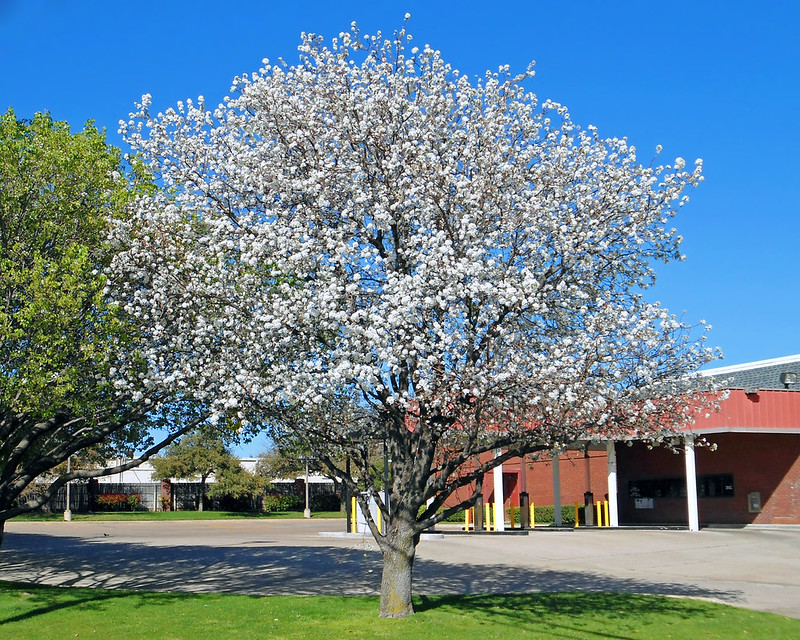
I fell for the Bradford Pear’s showy white spring blooms and fast growth, but what a mistake. These trees have the weakest branch structure I’ve ever seen—they split apart during storms like they’re held together with tape.
After 15 years, mine cracked right down the middle during a regular thunderstorm. They’re also invasive in most regions and smell terrible when blooming (think rotting fish).
Sure, they grow quickly in zones 5-9 and handle poor soil, but you’ll regret it when you’re cleaning up massive broken limbs every few years. Plant a serviceberry or redbud instead.