April’s here, which means it’s prime time to get those tomato seedlings in the ground! But with so many varieties out there, how do you know which ones are actually worth the garden space?
Some tomatoes are great for slicing, others are perfect for sauces, and a few will produce fruit all summer long. I’ve tested tons of varieties over the years, and these 23 are the ones that consistently deliver a serious harvest without much fuss.
Early Girl
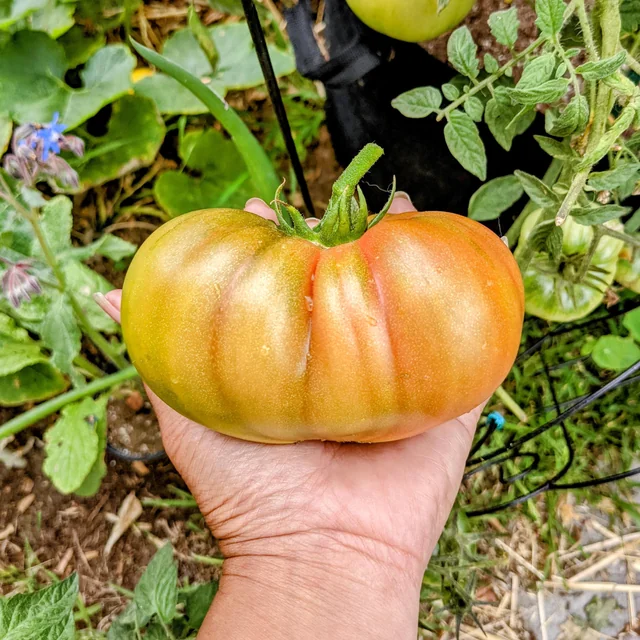
Early Girl lives up to her name by producing ripe tomatoes in just 50-60 days, making her one of the fastest varieties you can grow. If you’re impatient for that first homegrown tomato of the season, she’s your best bet. These medium-sized fruits weigh around 4-6 ounces and work great for salads and sandwiches.
She grows well in zones 3-9 and handles cooler weather better than most tomatoes. Give her full sun and consistent watering to avoid blossom end rot. The indeterminate vines need staking or caging since they’ll keep producing throughout the summer. Plant her in April for fresh tomatoes by late June.
Cherokee Purple
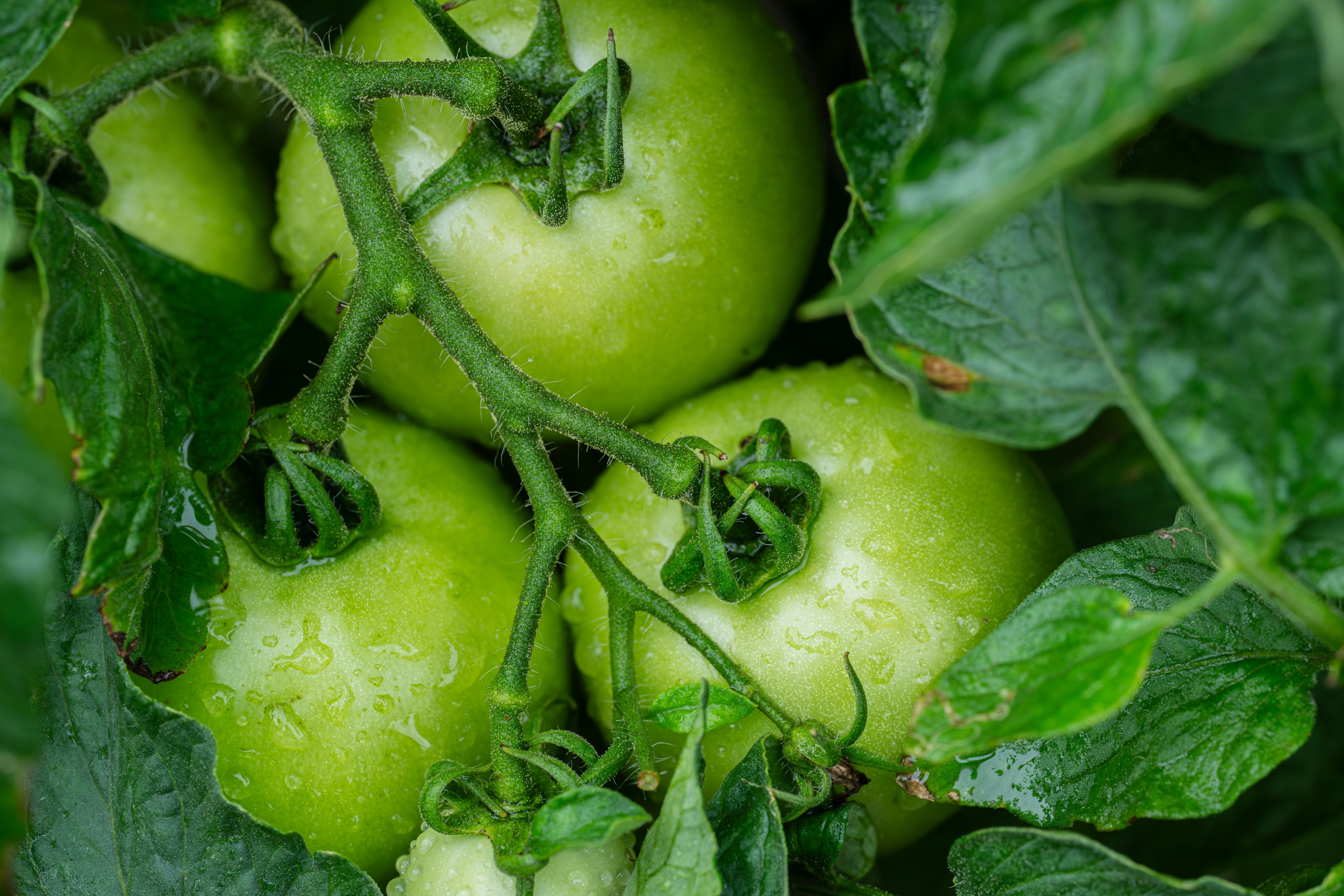
Cherokee Purple brings a rich, smoky flavor that tomato lovers can’t get enough of. These large, dusky rose-purple fruits can weigh up to a pound each and have that perfect balance of sweet and savory. The plants do best in zones 3-9 and need full sun with at least six hours of direct light daily. Give them plenty of space—about 24-36 inches between plants—and stake them well since the heavy fruits can weigh down branches. They take around 80 days to mature, so get them in the ground early April for summer harvesting. The indeterminate vines keep producing until frost hits.
Brandywine
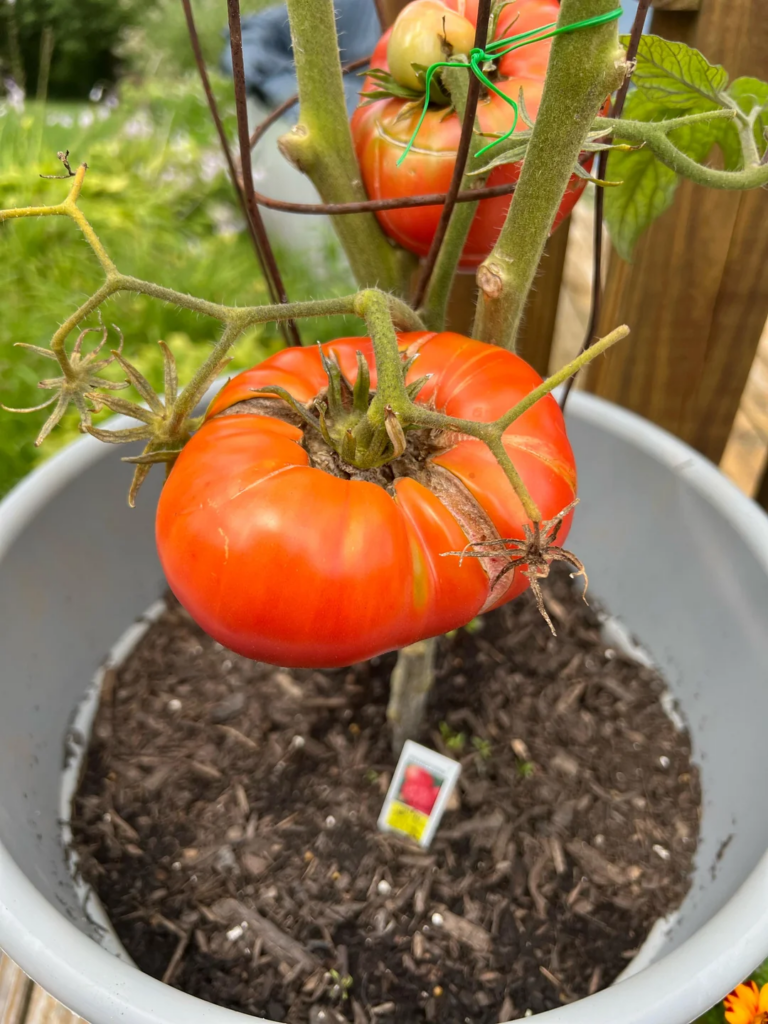
Brandywine is an heirloom tomato that’s been around since the 1880s, and it’s still popular for good reason. These beefsteak tomatoes can weigh up to two pounds each and have that sweet, old-fashioned tomato flavor you just can’t find in store-bought varieties. They need a long growing season—about 80-90 days—so get them started indoors in early spring if you’re in zones 5-9. The plants grow tall and need sturdy stakes or cages for support. Give them full sun, consistent water, and plenty of space since they can reach 7-9 feet. They’re a bit finicky about disease, but the flavor makes it worth the effort.
Sun Gold
Sun Gold tomatoes produce those cheerful orange cherry tomatoes that taste more like candy than vegetables. These plants are incredibly productive throughout the summer, giving you clusters of bite-sized fruits that kids actually fight over. They grow best in full sun with consistent watering and do well in zones 3-11 when planted after the last frost. You’ll want to stake or cage these plants since they can reach 6-8 feet tall. The fruits are ready to pick in about 55-65 days, and they’re perfect for snacking straight off the vine or tossing into salads. Just be warned—they’re so sweet and addictive that few ever make it to the kitchen.
San Marzano
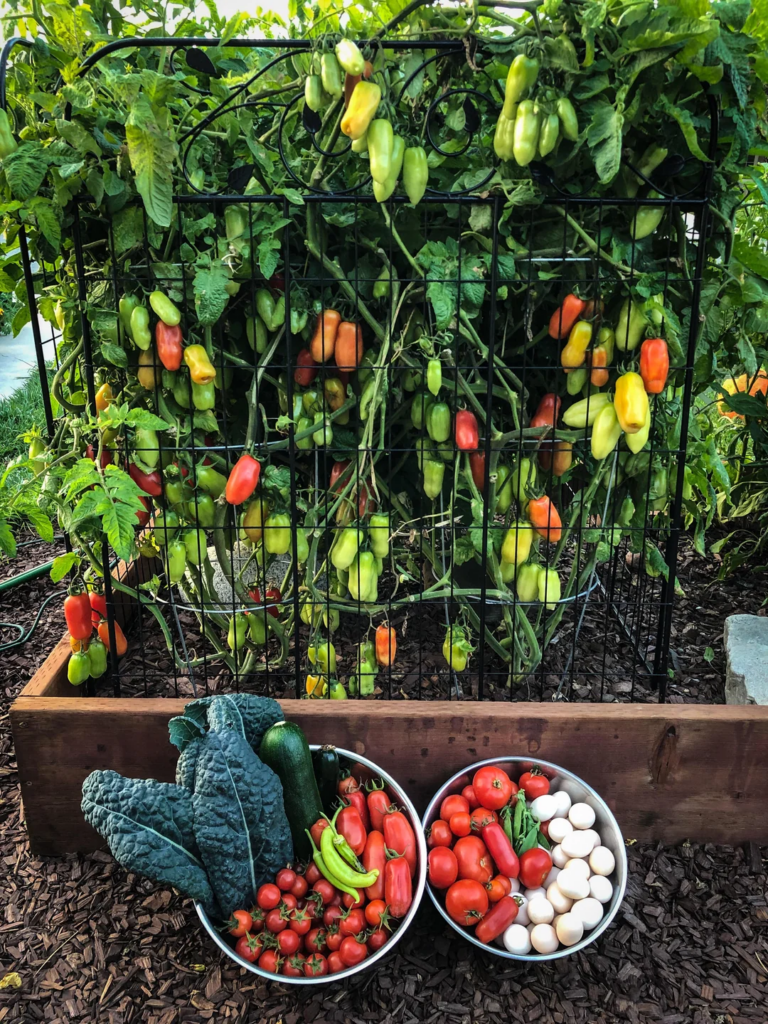
San Marzano tomatoes are the go-to choice if you’re into making homemade sauce or paste. These Italian heirlooms produce long, plum-shaped fruits with thick walls and few seeds, which means more meaty flesh for your cooking. They grow best in zones 5-10 and need full sun with consistent watering to avoid blossom end rot. Plan to stake or cage these indeterminate plants since they’ll keep growing and producing until frost hits. The flavor is less acidic than other varieties, giving your sauces that authentic Italian taste. Just remember they take about 80 days to mature, so get them in the ground early.
Better Boy
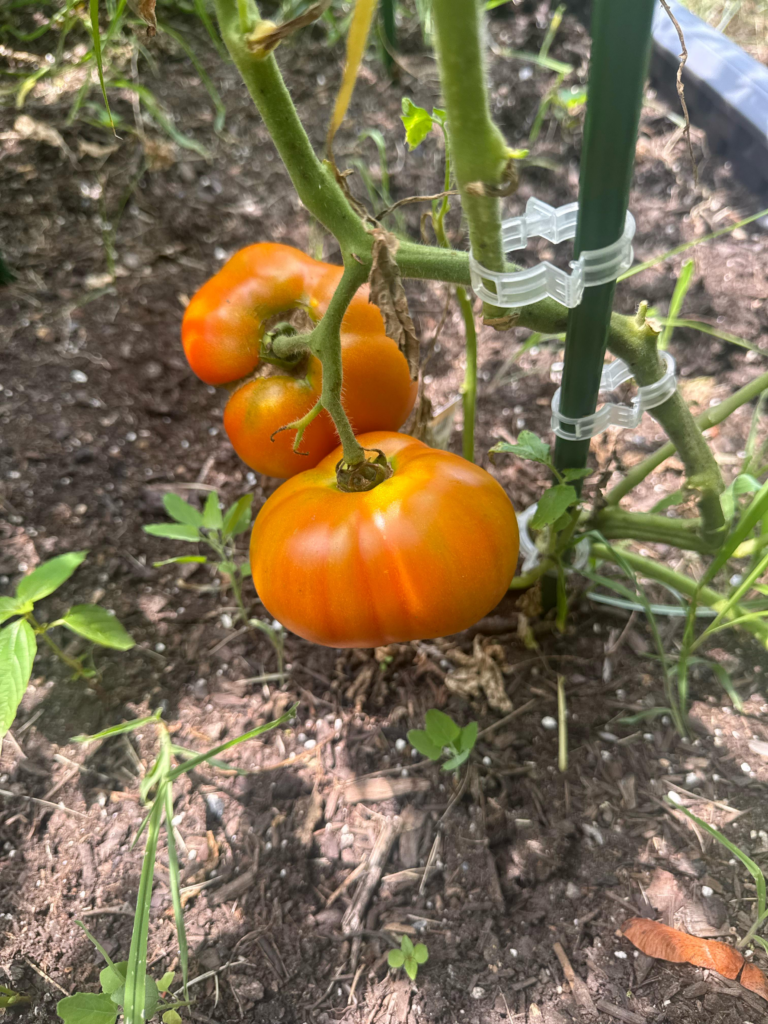
Better Boy lives up to its name by producing large, meaty tomatoes that typically weigh around one pound each. You’ll get a reliable crop of classic red fruits that work great for slicing onto sandwiches or chopping into salads. Plant it in full sun once the soil warms up, and make sure to stake or cage these plants since they grow tall and need support. Better Boy resists several common tomato diseases, making it a good pick for newer gardeners. It takes about 70-75 days to mature and thrives in zones 3-9. Water consistently and add some mulch to keep the roots happy.
Black Krim

Black Krim stands out with its dark, brownish-purple skin and rich, smoky flavor that tomato lovers go crazy for. Originally from Crimea, this heirloom variety produces large, beefsteak-style fruits that can weigh up to a pound each. The plants grow best in zones 3-9 and need full sun with consistent watering to prevent cracking. Expect your first harvest about 70-80 days after transplanting. These indeterminate vines keep producing until frost, so make sure to stake or cage them well. The slightly salty taste makes Black Krim perfect for fresh slicing on sandwiches or adding depth to summer salads.
Roma
If you’re making sauce or canning tomatoes this year, Roma should be at the top of your list. These paste tomatoes have thick walls, less water content, and fewer seeds than slicers, which means they cook down beautifully for marinara or salsa. Roma plants are determinate, so they’ll grow to about 3-4 feet and produce most of their fruit at once—perfect for batch cooking. They’re ready to harvest in 75-80 days and do well in zones 3-10. Plant them in full sun with steady watering, and stake or cage them to keep the heavy fruit clusters off the ground.
Celebrity

Celebrity has earned its popular status among home gardeners for good reason—it delivers reliable crops even when conditions aren’t perfect. You’ll get medium-sized, red tomatoes in about 70 days, making it one of the faster-maturing varieties you can grow.
What makes Celebrity stand out is its resistance to common tomato diseases like verticillium wilt, fusarium wilt, and tobacco mosaic virus. It handles heat and humidity better than many other varieties, so if you’re gardening in zones 3-9, you’ll find it’s pretty forgiving.
The plants grow to about 3-4 feet tall and produce fruit throughout the season. Great for slicing, sandwiches, or fresh eating straight from the vine.
Mortgage Lifter
Here’s a tomato with a story to tell. A radiator repairman from West Virginia bred this variety during the Great Depression and supposedly paid off his mortgage by selling the seedlings. These beefsteak tomatoes can weigh up to two pounds each and have that classic, meaty texture perfect for sandwiches. The plants grow tall and produce well in zones 4-8, though they need a solid 80 days to mature. Make sure you stake them early because the fruit gets heavy. They handle heat better than many heirlooms and resist cracking, which makes them a reliable choice for gardeners who want big slicers without too much fuss.
Green Zebra
Green Zebra brings something different to your tomato patch with its distinctive striped appearance. These medium-sized tomatoes stay green even when ripe, with darker green stripes running across their surface. The flavor is tangy and slightly sweet, perfect for adding a zesty punch to salads and sandwiches.
Plant these after your last frost date in zones 3-11. They need full sun and regular watering, just like most tomatoes. Green Zebra plants reach about 4-5 feet tall, so give them a sturdy cage or stake. You’ll know they’re ready to pick when the fruit yields slightly to gentle pressure and the background color turns yellowish-green—usually around 75 days after transplanting.
Amish Paste

Amish Paste tomatoes are a go-to choice if you’re into making sauce, paste, or canning for later. These heirloom beauties produce meaty, elongated fruits with fewer seeds and less juice than your typical slicing tomato. Each plant churns out tons of 8-12 ounce tomatoes throughout the season, so you’ll have plenty to work with.
They thrive in zones 3-9 and need full sun with regular watering. Stake or cage these indeterminate plants since they’ll keep growing until frost hits. The fruit has a rich, sweet flavor that concentrates wonderfully when cooked down. Plant them after your last spring frost, and you’ll be swimming in tomatoes by mid-summer.
Beefsteak

Beefsteak tomatoes are the giants of the tomato world, with some fruits weighing over a pound each. These meaty slicers are perfect for sandwiches and burgers when you want that thick, juicy tomato slice. They need full sun and take about 80-90 days to mature, so get them in the ground early. Make sure to stake or cage these plants well since the heavy fruits can snap branches. They grow best in zones 3-9 and prefer consistent watering to prevent cracking. The flavor is mild and sweet, making Beefsteak a reliable choice for gardeners who want big, satisfying tomatoes without much fuss.
Juliet

Juliet is a grape tomato that took fifteen years to develop, and it shows. These small, oblong fruits grow in heavy clusters and have a rich, sweet flavor that works great fresh or roasted. The vines are indeterminate, so they’ll keep producing throughout the season if you give them sturdy support. They’re particularly resistant to late blight and cracking, making them reliable even in humid conditions. Plant them after your last frost in zones 3-11, and give them full sun with consistent watering. You’ll be harvesting handfuls of these glossy red tomatoes from mid-summer straight through to the first frost.
Rutgers

A classic tomato that’s been around since the 1930s, Rutgers earned its reputation for a reason. You’ll get medium-sized red fruits that work great for slicing, canning, or making sauce. The plants handle heat pretty well and resist common diseases like fusarium wilt, which is a big plus if you’ve dealt with tomato troubles before. They grow best in zones 4-8 and need full sun with regular watering. Expect your harvest about 75 days after transplanting. The flavor hits that sweet spot between acidic and sweet, making it a solid all-purpose tomato for your garden.
Stupice

If you’re eager to get your hands on homegrown tomatoes early in the season, Stupice is worth planting. This Czech heirloom variety starts producing fruit about 60 days after transplanting, often beating most other tomatoes by weeks. The medium-sized, red fruits have a nice balance of sweet and tangy flavors that work well in salads or eaten straight from the vine. Stupice handles cooler weather better than many varieties, making it a solid choice for zones 3-9. The indeterminate vines keep producing throughout summer, so you’ll want to stake or cage them properly. They also show decent resistance to late blight, which is a bonus for gardeners in humid areas.
Pineapple
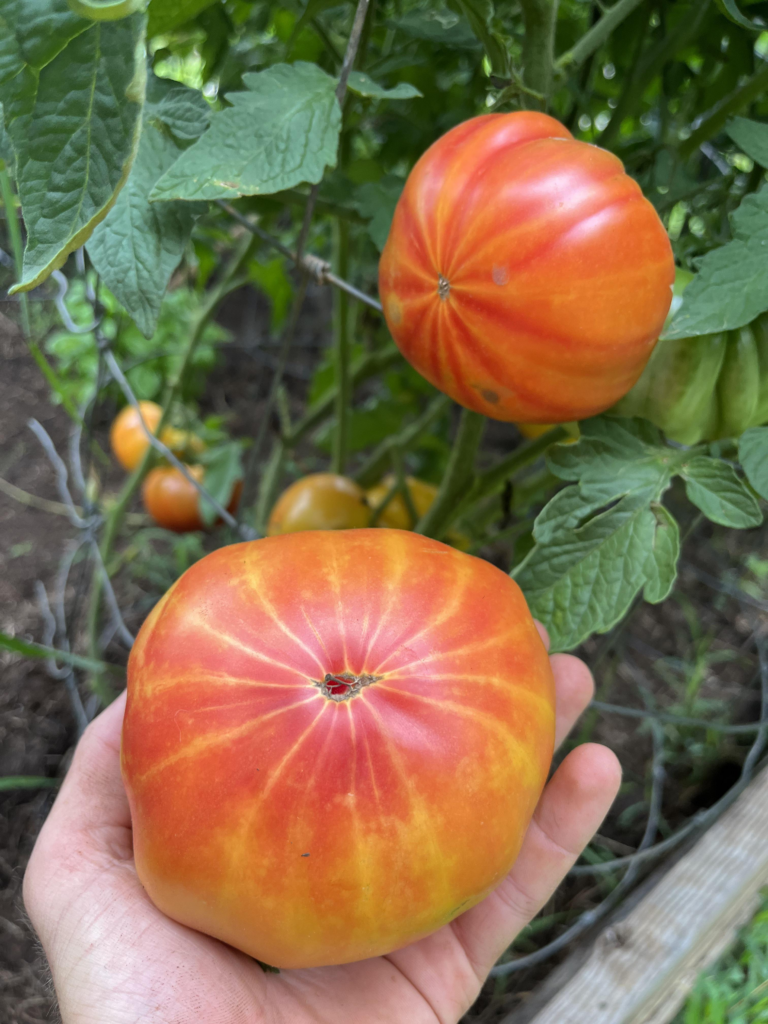
Wait, pineapples in a tomato list? Hear me out—Pineapple tomatoes are real, and they’re worth growing if you want something different in your garden. These large, bicolored beauties show off yellow skin with red streaks running through their meaty flesh. They can weigh up to two pounds each and have a sweet, mild flavor that works great in fresh salads. Plant them after the last frost in zones 3-11, giving them full sun and consistent watering. They need about 85 days to mature, so get them in the ground early this April. Stake them well since the fruits get heavy.
Yellow Pear

Yellow Pear tomatoes are small, teardrop-shaped heirlooms that produce loads of fruit throughout the growing season. Each tomato is about an inch long with a mild, slightly sweet flavor that kids tend to love. The plants are indeterminate, so they’ll keep growing and producing until frost hits—just make sure to stake or cage them early on. They do well in zones 3-11 and can handle heat better than many other varieties. Expect your first harvest about 75-80 days after transplanting. These tomatoes are perfect for snacking straight off the vine or tossing whole into salads. The plants are also pretty resistant to common diseases, making them a solid choice for beginning gardeners.
Big Beef

If you’re after a tomato that lives up to its name, Big Beef delivers fruit that can easily reach a pound or more. This hybrid beefsteak produces meaty, juicy tomatoes that are perfect for slicing onto sandwiches or burgers. It typically matures in about 73 days and handles heat better than many other varieties, making it reliable across zones 3-9. The plants grow tall and need sturdy cages or stakes for support. Big Beef also shows good resistance to common tomato diseases like verticillium wilt and tobacco mosaic virus. Give it full sun, consistent water, and watch those hefty tomatoes pile up throughout summer.
Sungold Select II
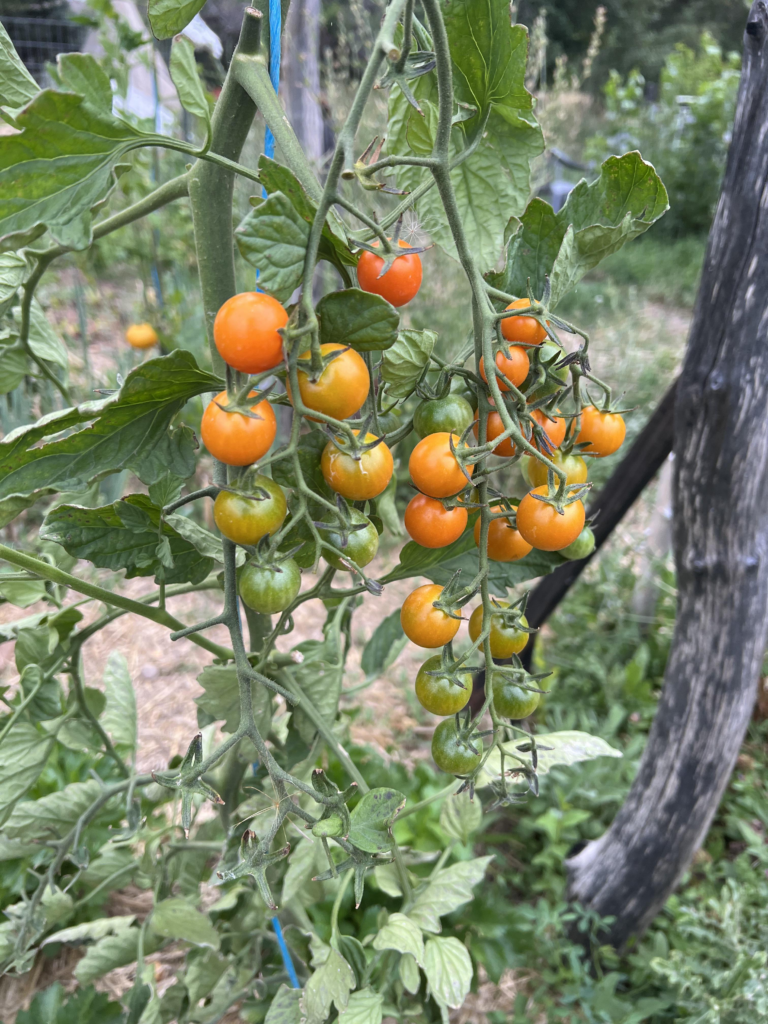
Cherry tomatoes don’t get much sweeter than Sungold Select II. These golden-orange beauties pack serious flavor—think tropical fruit meets classic tomato taste. Plants grow tall and produce clusters of bite-sized tomatoes throughout the summer, often giving you fruit until the first frost hits.
You’ll want to stake or cage these plants since they can reach 6-8 feet in warm conditions. They handle heat well and resist cracking better than the original Sungold variety. Plant them after your last spring frost in zones 3-11. Give them full sun and consistent water, and you’ll be snacking straight from the vine by mid-summer. Kids especially love these as garden treats.
Costoluto Genovese

The Costoluto Genovese is an Italian heirloom that produces deeply ridged, flattened tomatoes that look like they’ve been pleated by hand. These red beauties weigh in at about 6-8 ounces and pack a rich, old-fashioned tomato flavor that makes them perfect for slicing and sauces.
Plant these in full sun after your last frost date, and they’ll thrive in zones 3-11. The indeterminate vines need sturdy support since they’ll keep producing until the first freeze. Give them consistent water and some mulch to keep the roots happy. They take about 78-80 days to mature, so plan accordingly for your harvest timeline.
Chocolate Cherry
If you’re looking for a tomato that actually tastes as interesting as it sounds, give Chocolate Cherry a try. These small, round tomatoes ripen to a deep brownish-red color and pack a rich, slightly smoky flavor that’s perfect for snacking straight off the vine. The indeterminate vines grow tall and produce loads of fruit throughout the summer, so you’ll want to stake them well. They handle heat pretty well and thrive in zones 3-11. Plant them after your last frost date, give them full sun and consistent water, and you’ll be rewarded with baskets of these unique cherry tomatoes from July through September.
Paul Robeson

Named after the legendary singer and activist, this heirloom tomato from Russia brings something different to your garden with its dark, brick-red fruits that turn almost black when fully ripe. The flavor is rich and smoky-sweet, making it a favorite for fresh eating and sandwiches. These indeterminate plants grow best in zones 3-9 and need full sun with consistent watering to avoid splitting. Expect fruits weighing 8-12 ounces about 80-90 days after transplanting. Stake them well since they’ll keep producing until frost. The unique color might look odd at first, but one bite will convince you it’s worth growing.