So your peace lily has decided to take a blooming vacation? I’ve been there! These plants are pretty easy to care for, but getting those white flowers to show up can feel like solving a puzzle.
The good news is that peace lilies aren’t trying to be difficult—they just need a few specific things to get them flowering again. Once you know what they’re looking for, you’ll have blooms popping up way more often than you’d expect.
Provide Bright, Indirect Light

Your peace lily wants sunshine, just not too much of it. Think of how light filters through a forest canopy—that’s the sweet spot. Place your plant near an east or north-facing window, or a few feet back from a south or west-facing one. If the leaves start turning yellow or brown, it’s getting scorched. Too little light? Your peace lily will grow leaves just fine but skip the flowers entirely. A sheer curtain works great for diffusing harsh rays. When you get the lighting right, you’ll see those white blooms start popping up within a few weeks.
Maintain Consistent Watering Schedule
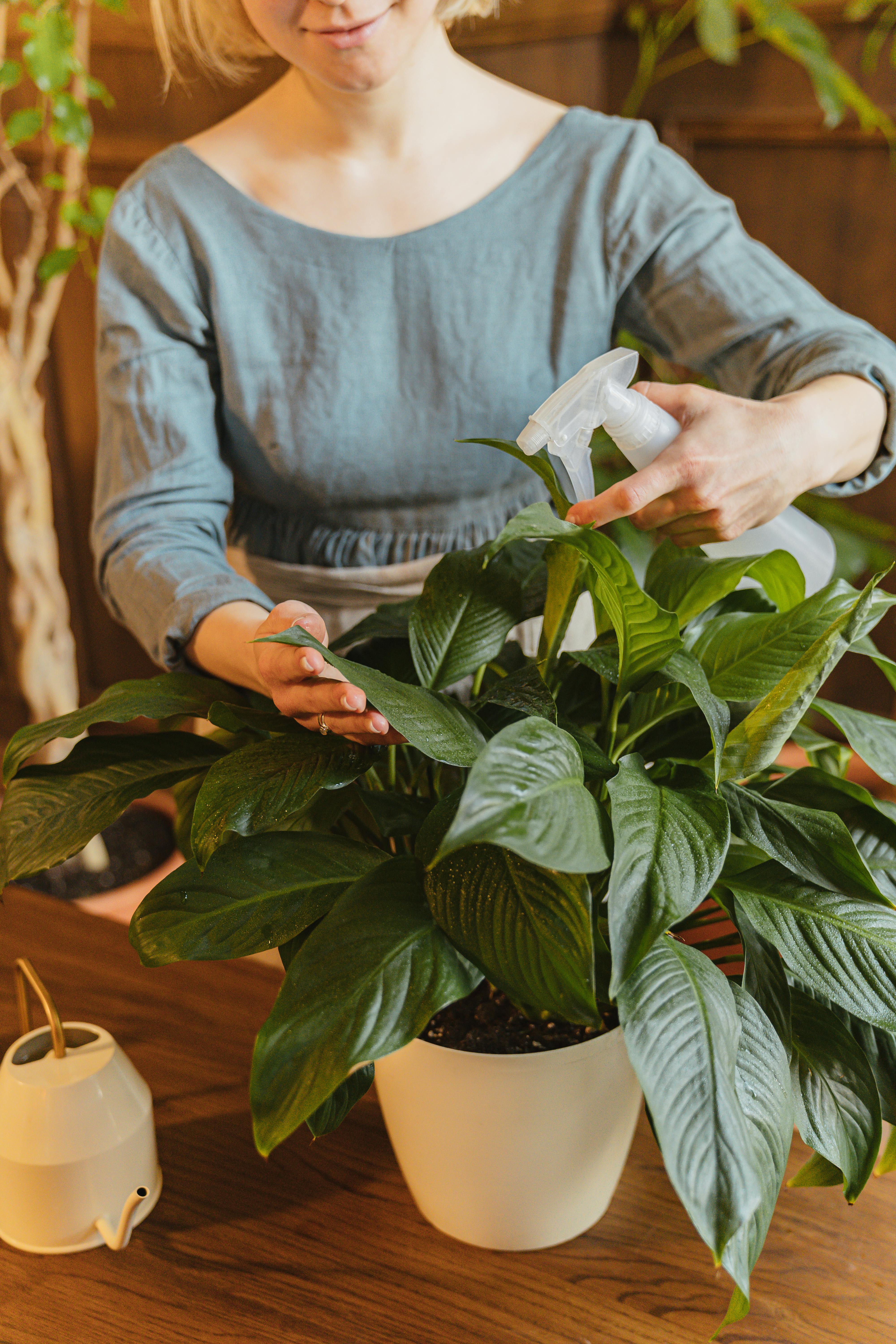
Peace lilies are pretty sensitive when it comes to water, and getting it wrong can stop blooms in their tracks. The trick is finding that sweet spot—keep the soil lightly moist but never soggy. Stick your finger about an inch into the soil, and if it feels dry, it’s time to water. During warmer months, you’ll probably need to water once or twice a week, while winter might mean just once every week or two. Room temperature water works best, and make sure your pot has drainage holes so excess water can escape. Overwatering leads to root rot, while underwatering causes those telltale droopy leaves and definitely won’t encourage flowering.
Increase Humidity Levels

Peace lilies are tropical plants that naturally thrive in humid environments, so dry indoor air can stress them out and prevent blooming. Aim for humidity levels around 50-60% to keep your plant happy. You can mist the leaves every few days, but that’s a temporary fix. A better approach is placing a humidifier nearby or setting your pot on a pebble tray filled with water. As the water evaporates, it creates moisture around the plant. Grouping several houseplants together also helps since they release moisture through their leaves. If your home is especially dry during winter, these tricks become even more important for encouraging those beautiful white blooms.
Feed Monthly During Growing Season

Your peace lily needs regular nutrition to keep those blooms coming, especially during spring and summer when it’s actively growing. Pick up a balanced, water-soluble fertilizer and dilute it to half the recommended strength—peace lilies are sensitive to too many nutrients, which can actually burn their roots and leaves. Feed your plant once a month from March through September, then cut back or stop entirely in fall and winter when growth slows down. If you notice brown leaf tips, you might be overdoing it with the fertilizer. A light feeding schedule gives your plant the energy it needs to produce those white blooms without overwhelming it.
Keep Temperatures Warm and Stable
Peace lilies are tropical plants that get cranky when temperatures drop too low or swing wildly throughout the day. They bloom best when kept between 65-80°F, so avoid placing them near drafty windows, air conditioning vents, or heating registers. Cold stress below 60°F can stop flower production completely and damage the leaves. Pick a spot where the temperature stays consistent day and night. If your home runs cold in winter, move your plant away from exterior walls or windows at night. A stable, warm environment tells your peace lily it’s safe to put energy into producing those white blooms instead of just surviving.
Repot When Root Bound

When your peace lily’s roots start circling the pot or poking through drainage holes, it’s time for a bigger home. Root-bound plants can’t absorb water and nutrients properly, which means fewer blooms. Spring is the best time to repot, right before the growing season kicks in. Choose a pot that’s 2 inches wider than the current one and use a well-draining potting mix. Gently loosen the tangled roots before placing the plant in its new container. Water thoroughly after repotting and keep it in indirect light while it adjusts. Most peace lilies need repotting every 1-2 years to keep blooming strong.
Remove Old Flowers Promptly

Dead flowers aren’t just an eyesore—they’re actually stealing energy from your peace lily. When spent blooms stick around, your plant keeps sending nutrients to them instead of focusing on new growth. Grab some clean scissors or pruning shears and snip off faded flowers at the base of their stems, getting as close to the soil line as possible. Don’t just pull off the white spathe; remove the entire flower stalk. Do this every few days during blooming season, typically spring through summer. This simple habit signals your peace lily to redirect its energy into producing fresh blooms rather than trying to maintain old ones.
Reduce Fertilizer in Winter

Your peace lily isn’t a heavy feeder during the cold months, so it’s time to ease up on the fertilizer. When winter rolls around and daylight hours get shorter, your plant naturally slows down its growth. Cut back fertilizing to once every two to three months, or skip it entirely until spring arrives. Too much fertilizer during this dormant period can actually stress the plant out and prevent blooming. Think of it like your peace lily is taking a light nap—it doesn’t need a big meal when it’s resting. Resume your regular monthly feeding schedule once you see new growth starting up again in spring.
Ensure Proper Drainage Always

Your peace lily won’t bloom if it’s sitting in soggy soil, no matter how perfect everything else is. These plants hate wet feet, which can lead to root rot and zero flowers. Make sure your pot has drainage holes at the bottom—it’s not optional. When you water, let excess moisture drain completely before putting the pot back on its saucer. Empty that saucer too if water collects there. Consider adding perlite or orchid bark to your potting mix to improve drainage. A well-draining setup means healthier roots, and healthy roots mean more blooms throughout the growing season.

