Summer heat can be tough on flowers, and there’s nothing more frustrating than watching your garden droop by mid-July. If you’re tired of babying plants that can’t handle the sun, you’re not alone. The good news? Plenty of flowers actually thrive in hot weather.
I’ve rounded up 17 reliable bloomers that’ll keep your garden looking good even when temperatures soar. These tough plants can take the heat without constant watering or special care, so you can spend less time worrying and more time enjoying your outdoor space.
1.) Lantana

Lantana puts on a show all summer long with clusters of small blooms in shades of pink, orange, yellow, and red. The flowers often change colors as they age, creating a multi-toned effect on the same plant. Butterflies can’t resist stopping by for a visit.
These tough plants laugh at hot weather and don’t mind if you forget to water them occasionally. They grow well in zones 8-11 and work great in containers or garden beds. Just give them full sun and well-draining soil, and they’ll bloom from late spring until frost.
2.) Portulaca

Portulaca thrives in hot, dry conditions that would stress out most other flowers. You can plant it in sandy or rocky soil where nothing else wants to grow, and it’ll still put on a colorful show all summer long. This low-growing succulent works great in containers, rock gardens, or as ground cover.
Water it sparingly since portulaca actually prefers dry soil between waterings. It’s hardy in zones 10-11 but grows as an annual everywhere else. The flowers open in sunlight and close at night or on cloudy days.
3.) Zinnia

Zinnias are cheerful annuals that actually thrive when the temperature climbs. These flowers come in almost every color you can think of, from white and pink to orange and deep red. They’ll bloom all summer long without much fuss from you.
Plant them in full sun after the last frost has passed. They need well-draining soil and about an inch of water per week. Deadhead spent blooms to keep new flowers coming.
Zinnias grow well in zones 2-11 and make great cut flowers for indoor arrangements.
4.) Gaillardia (Blanket Flower)

Blanket flowers are tough perennials that laugh at summer heat and keep blooming from June through frost. Their daisy-like flowers come in warm shades of red, orange, and yellow, often with two-toned petals that look like they’ve been dipped in paint.
These plants thrive in zones 3-10 and actually prefer lean, well-drained soil—no fertilizer needed. Give them full sun and they’ll reward you with non-stop blooms. They’re also drought-tolerant once established, making them perfect for gardeners who forget to water or live in dry climates.
5.) Vinca (Periwinkle)
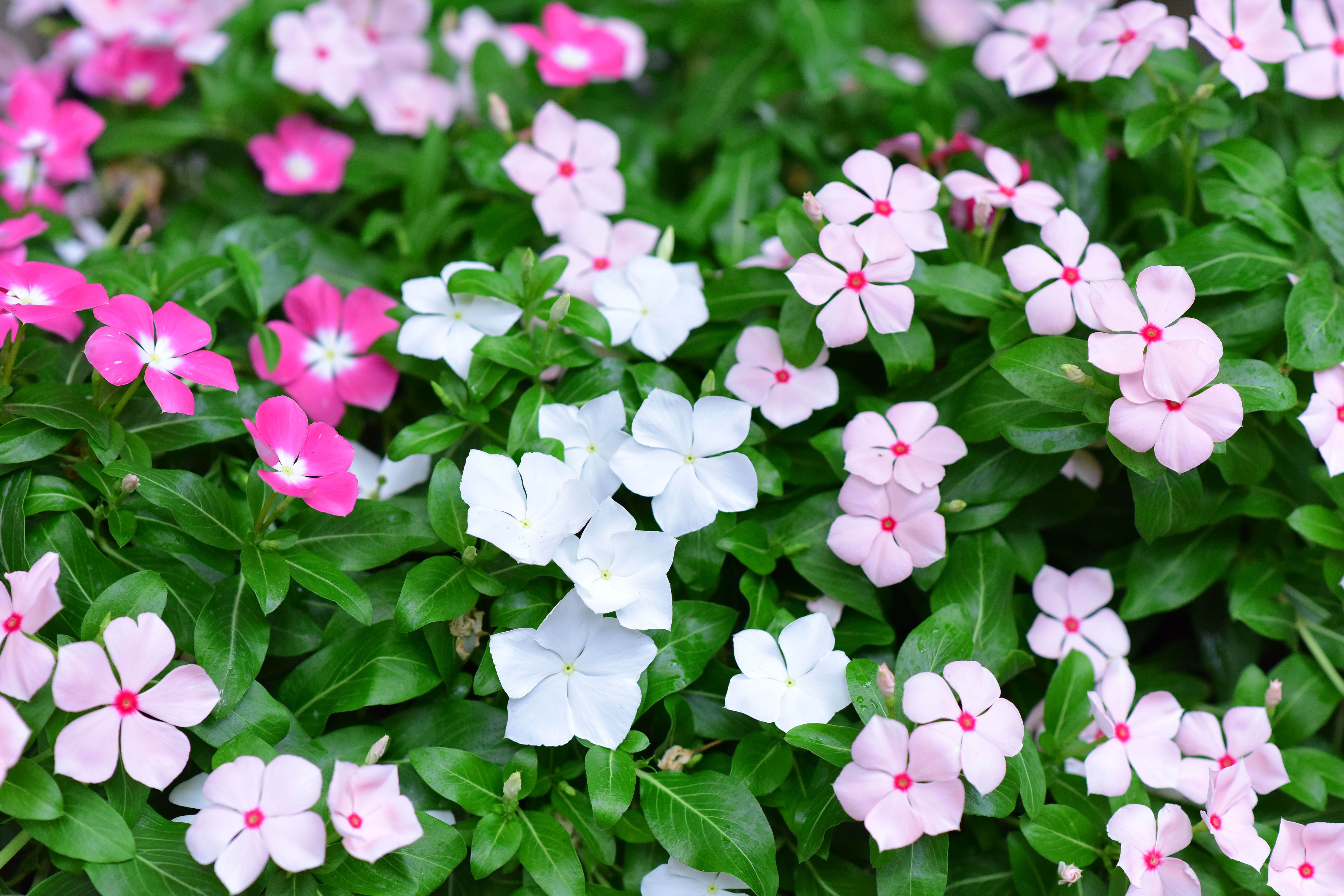
Vinca keeps blooming through scorching temperatures when other flowers have given up. These low-growing plants spread nicely as ground cover and produce small flowers in shades of pink, white, or purple all summer long.
Plant vinca in full sun to partial shade and don’t worry too much about watering—it actually prefers drier soil once established. Hardy in zones 4-9, vinca works well in garden beds, containers, or hanging baskets. Just give it well-draining soil and watch it fill in bare spots with very little effort on your part.
6.) Pentas

Pentas are star-shaped flowers that keep blooming all summer long, even when temperatures climb into the 90s. They come in pink, red, white, and purple, and butterflies absolutely love them.
Plant them in full sun and well-draining soil for best results. They grow well in zones 10-11 as perennials, but you can enjoy them as annuals anywhere else. Water them regularly during dry spells, but they’re pretty forgiving if you forget occasionally.
Deadheading spent blooms helps encourage more flowers throughout the season.
7.) Salvia

Salvia comes in dozens of varieties, and most of them laugh off intense heat without missing a beat. These tall spikes of purple, red, or blue flowers keep blooming all summer long, even when temperatures climb into the 90s.
Plant salvia in full sun and well-draining soil for best results. It’s drought-tolerant once established, so you won’t need to water constantly. Most types grow well in zones 5-10.
Deadheading spent blooms encourages more flowers, but even if you forget, salvia keeps producing new growth throughout the season.
8.) Marigold

Marigolds are workhorses in hot summer gardens, blooming nonstop from late spring until the first frost. These cheerful flowers laugh at temperatures that make other plants droop, and they’ll keep producing those orange, yellow, and red blooms without much fussing from you.
Plant them in full sun and well-draining soil, spacing them about 8-10 inches apart. They’re annuals that grow best in zones 2-11, which is basically everywhere. Water them regularly when they’re young, but once established, they can handle some dry spells between waterings.
9.) Geranium

Geraniums are reliable bloomers that laugh off hot weather without dropping their petals. They come in shades of pink, red, white, and purple, flowering from spring through fall in zones 9-11. In cooler areas, treat them as annuals or bring them indoors before frost hits.
These plants need full sun to light shade and well-draining soil. Water them when the top inch of soil feels dry, but don’t overdo it—they’re pretty forgiving if you forget occasionally. Deadhead spent flowers to keep new blooms coming all season long.
10.) Celosia
Celosia brings something different to your garden with its flame-shaped or crested blooms in shades of red, orange, pink, and yellow. The flowers hold up remarkably well in hot weather, making them perfect for those blazing summer months when other plants struggle.
Plant celosia in full sun and well-draining soil for best results. They grow well in zones 10-12 as perennials but work great as annuals anywhere. Water regularly during dry spells, and deadhead spent blooms to keep new flowers coming all season long.
11.) Verbena
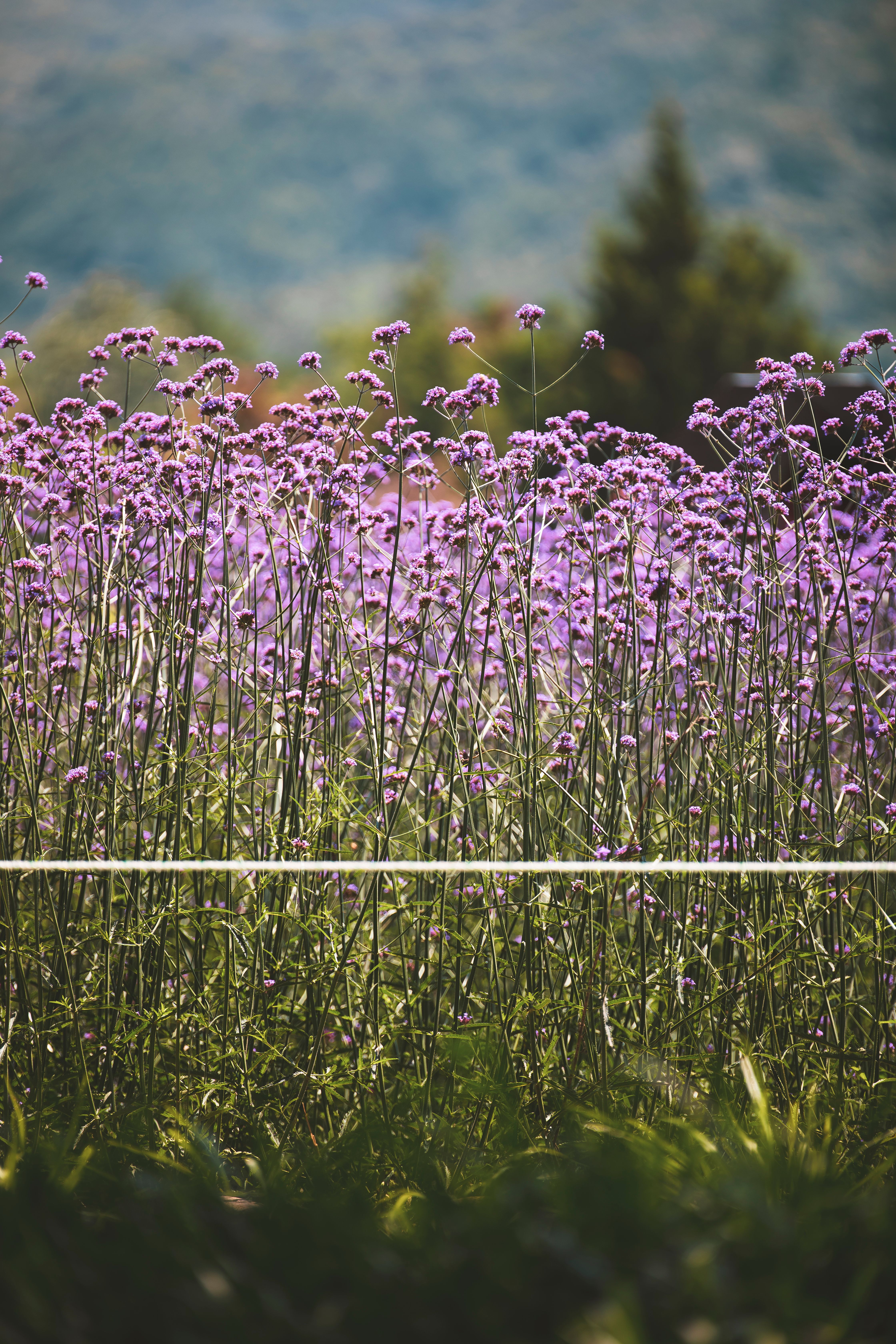
Verbena keeps blooming all summer long, even when temperatures climb into the 90s. These low-growing plants spread out to fill garden beds and containers, producing clusters of small flowers in purple, pink, red, or white. They’re perfect for borders or hanging baskets.
Plant verbena in full sun and well-draining soil for best results. Once established, they can handle dry spells pretty well, though occasional watering helps them look their best. They grow as perennials in zones 7-11 but work great as annuals in cooler climates.
12.) Cosmos
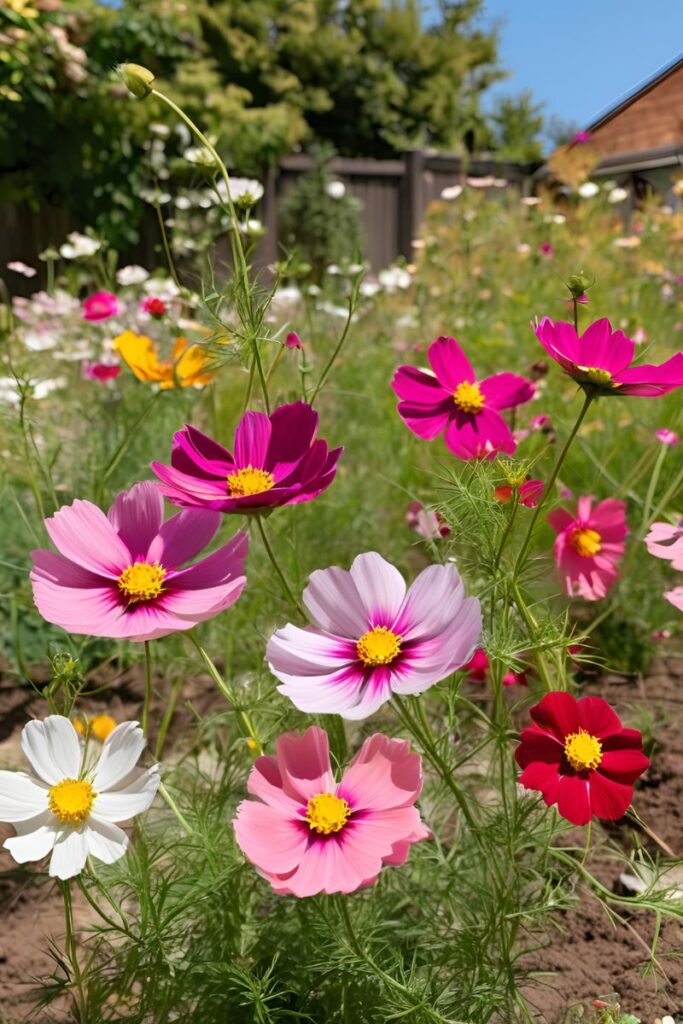
Cosmos are the kind of flowers that actually prefer hot, dry weather over constant pampering. They’ll keep blooming all summer long, even when temperatures hit the 90s. These flowers grow quickly from seed and don’t need much attention once they’re established.
Plant them in full sun and well-draining soil, then pretty much leave them alone. Too much water or fertilizer makes them grow more leaves than flowers. They work well in zones 2-11 and self-seed easily, so you’ll likely see them return next year without any effort on your part.
13.) Gazania

Gazanias are low-growing flowers that laugh in the face of scorching temperatures. Their daisy-like blooms come in warm shades of orange, yellow, red, and pink, and they’ll keep flowering all summer long without complaint.
Plant them in full sun and well-draining soil, and they’ll basically take care of themselves. They’re drought-tolerant once established, so you won’t need to water them constantly. Gazanias thrive in zones 9-11 but work great as annuals in cooler climates.
The flowers close up at night and on cloudy days, then reopen when the sun comes out.
14.) Bougainvillea
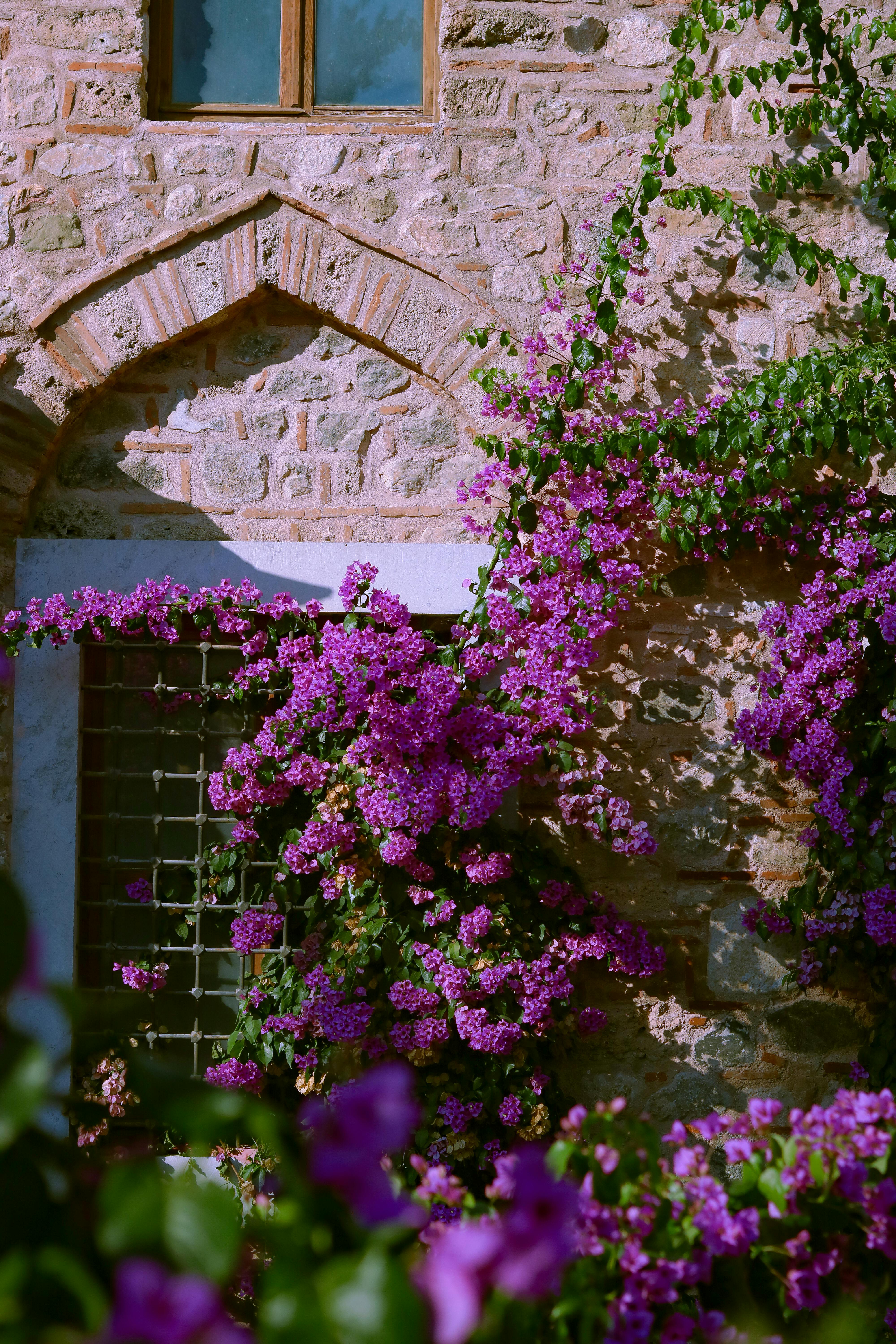
Bougainvillea thrives in hot, dry conditions that would stress out most other flowering plants. These woody vines produce masses of papery bracts in shades of pink, orange, red, purple, and white throughout the summer months. They’re perfect for covering fences, arbors, or walls in zones 9-11.
Water deeply but infrequently once established—they actually bloom better when slightly stressed. Give them full sun and well-draining soil, and don’t worry too much about fertilizing. Just watch out for the thorns when pruning.
15.) Coreopsis (Tickseed)

Coreopsis earns its common name “tickseed” from its small, seed-like fruit, but you’ll love it for the cheerful yellow blooms that keep coming all summer long. These North American natives laugh at heat and drought once established, making them perfect for lazy gardeners.
Plant them in full sun and well-draining soil, and they’ll thrive in zones 3-9. Deadhead spent flowers to encourage more blooms, though many newer varieties are self-cleaning. They typically grow 1-3 feet tall depending on the variety.
16.) Cleome (Spider Flower)

Cleome stands tall at 3-5 feet and keeps blooming from early summer until the first frost, even when temperatures soar above 90°F. Its spidery blooms in pink, purple, or white attract butterflies and hummingbirds to your garden all season long.
Plant these flowers in full sun and well-draining soil. They’re drought-tolerant once established, so you won’t need to water constantly. Cleome self-seeds readily, which means you’ll likely have volunteers popping up next year. It grows well in zones 2-11.
17.) Angelonia

Angelonia keeps pushing out spiky blooms all summer long, even when temperatures climb into the 90s. You’ll find these flowers in purple, pink, white, and blue—they look a bit like small snapdragons standing at attention.
Plant them in full sun and well-draining soil for best results. They grow about 12-18 inches tall and work well in containers or garden beds. Hardy in zones 9-11, most gardeners treat them as annuals.
Water regularly during the first few weeks, but once established, they handle dry spells pretty well. Deadheading isn’t necessary either.

