Social media makes every garden trend look like something you need to try right now. But here’s the thing—not all of those popular ideas are actually good for your plants or your wallet. Some can even wreck your soil or waste your time.
I’ve learned this the hard way after testing plenty of these so-called must-dos in my own backyard. Let’s talk about the trendy garden advice that sounds great but really isn’t worth following.
1.) Over-Mulching Your Garden Beds
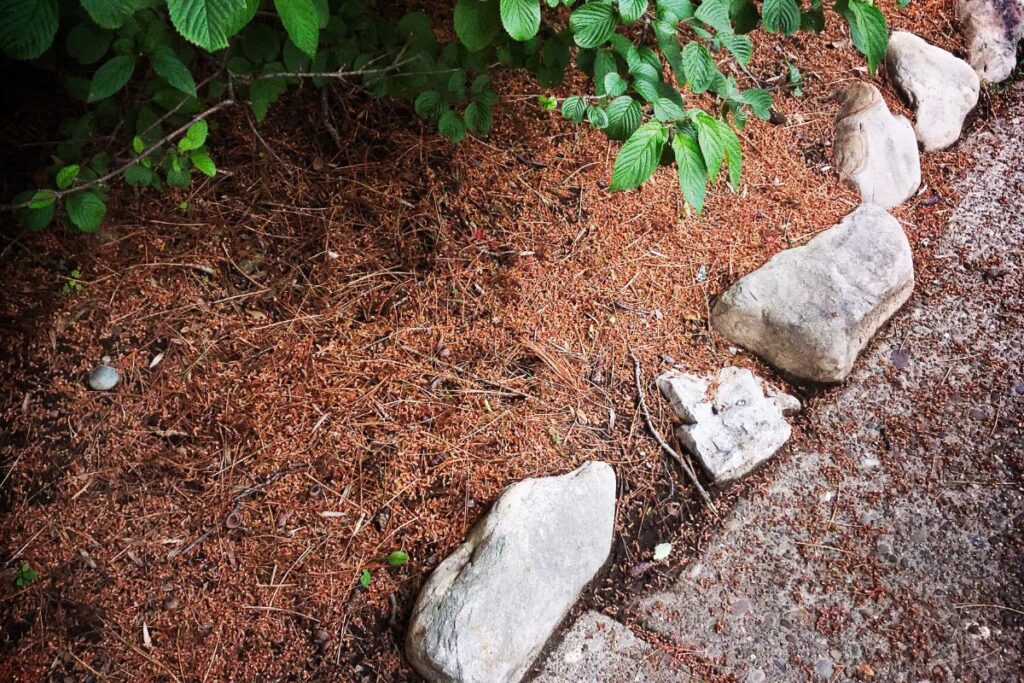
You’ve probably heard that mulch is good for your garden, but piling it on too thick actually causes more problems than it solves. When mulch exceeds 3-4 inches deep or gets mounded against plant stems and tree trunks, it traps moisture and creates the perfect spot for rot and disease.
Thick mulch layers also prevent water from reaching the soil and can suffocate plant roots. Stick to a 2-3 inch layer, keep it pulled back from stems, and refresh it once a year in spring. Your plants will thank you.
2.) Using Landscape Fabric Everywhere

Landscape fabric seems like a good idea for blocking weeds, but it creates more problems than it solves. The fabric prevents organic matter from breaking down into the soil, which means your plants miss out on natural nutrients. Water also has trouble getting through, leaving roots thirsty.
Weeds eventually grow on top of the fabric anyway, and when you try to remove them, the fabric tears and becomes a tangled mess. It’s especially bad around perennials that need to spread naturally. Skip the fabric and use mulch instead—it feeds your soil as it breaks down.
3.) Installing Artificial Grass Lawns

Artificial grass might seem like an easy solution to lawn maintenance, but experts say it creates more problems than it solves. The plastic turf gets scorching hot in summer sun, making your yard uncomfortable and even unsafe for kids and pets. It also prevents water from draining naturally into the soil.
Even worse, synthetic lawns don’t support any pollinators or wildlife. They just sit there contributing microplastics to the environment. If you want a low-maintenance yard, consider clover lawns, native ground covers, or simply letting your grass grow longer between mowings.
4.) Creating All-White Gardens
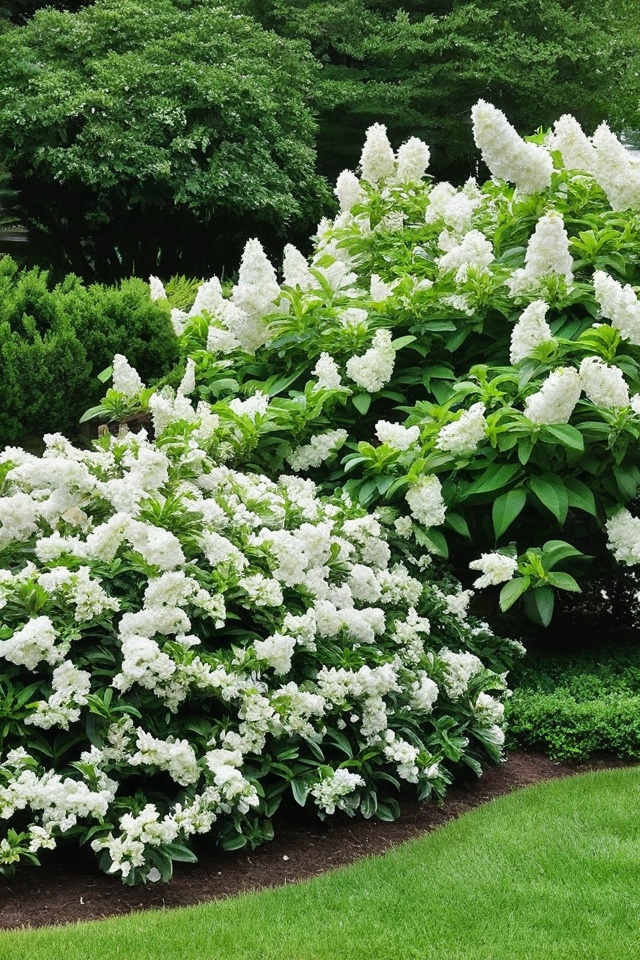
All-white gardens might look good on Instagram, but they’re pretty boring in real life. Without different colors, your yard loses depth and interest after about five minutes. Plus, keeping white flowers actually white is harder than you’d think—they show every bit of dirt, brown edges, and weather damage.
You’ll also miss out on attracting helpful pollinators like butterflies and bees, which are drawn to varied colors. A garden needs variety to stay healthy and functional. Mix in some blues, purples, and yellows instead for a space that actually works.
5.) Planting Only Non-Native Species
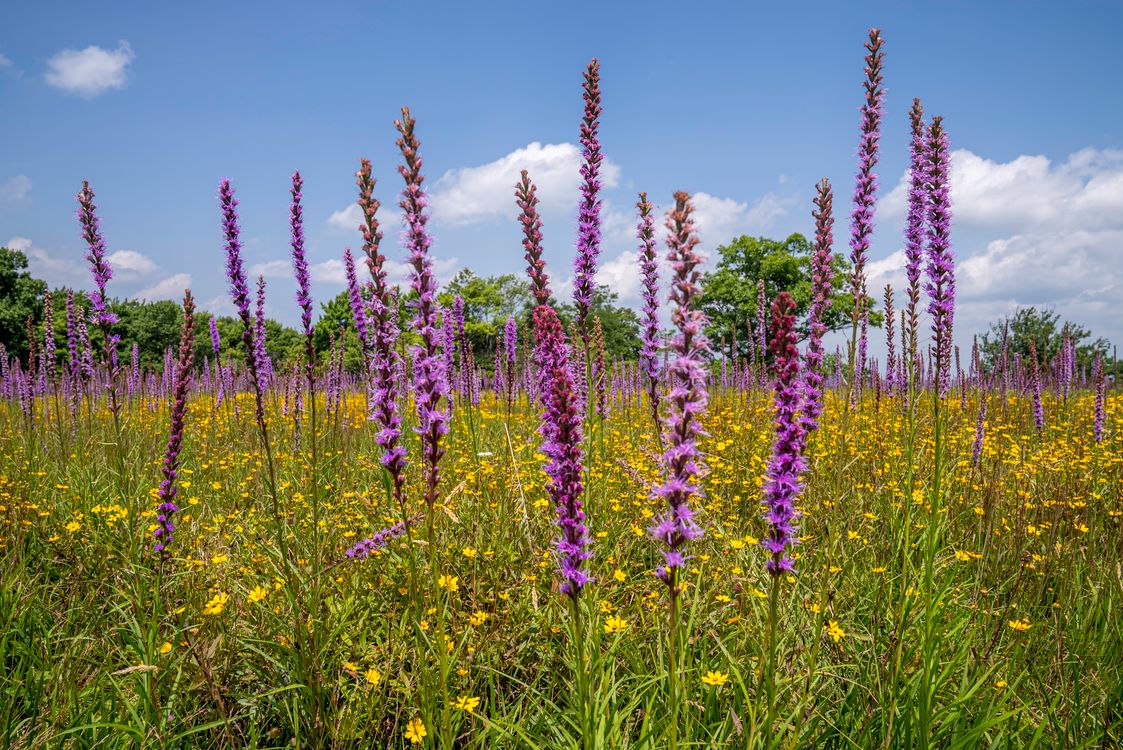
Non-native plants might look interesting at the garden center, but they can become a real problem. Many spread aggressively and crowd out local plants that birds, bees, and butterflies actually need to survive. Without natural predators, some non-natives take over entire areas.
Instead, choose plants native to your region. They’re already adapted to your soil and climate, so they need less water and maintenance. Check with your local extension office to find out which species naturally grow in your hardiness zone. Native gardens practically take care of themselves once established.
6.) Removing All Fallen Leaves

Raking up every single leaf from your yard might seem like good housekeeping, but it’s actually hurting your garden. Those fallen leaves act as free mulch, protecting plant roots from winter cold and feeding the soil as they break down. They also provide shelter for beneficial insects and pollinators.
Leave a layer of leaves in your garden beds and around trees. You can mulch them with a mower if they’re too thick on the lawn. Come spring, any remaining leaves will have mostly decomposed into rich organic matter that feeds your plants naturally.
7.) Using Decorative Rock Mulch

Rock mulch might look tidy at first, but it creates real problems for your garden beds over time. Those stones heat up in summer sun and literally bake your plant roots. They also make soil way too alkaline for most plants to thrive.
Weeds still pop up between the rocks, and pulling them becomes a nightmare. When you eventually want to remove the rocks or add new plants, you’ll be picking out stones for years.
Stick with organic mulch like wood chips instead. It breaks down to feed your soil and keeps roots at a comfortable temperature year-round.
8.) Making Perfectly Manicured Lawns

That golf-course look might seem impressive, but it’s actually terrible for the environment and your wallet. Keeping grass trimmed to one inch requires constant mowing, heavy watering, and loads of fertilizer and pesticides. All that maintenance releases emissions and chemicals into the soil.
Let your lawn grow to three or four inches instead. Taller grass develops deeper roots, crowds out weeds naturally, and stays green during dry spells without extra watering. You’ll mow less often and spend way less on lawn care products while supporting local pollinators and beneficial insects.
9.) Installing Invasive Running Bamboo

Running bamboo might look like a fast solution for privacy screening, but it’s a decision you’ll likely regret. Once established, it spreads aggressively through underground rhizomes that can travel 15-20 feet from the original planting spot. It will invade flower beds, crack through concrete, and pop up in your neighbor’s yard.
If you want bamboo, stick with clumping varieties instead. They stay where you plant them and won’t require constant maintenance. Installing a root barrier is expensive and doesn’t always work, leaving you with years of tedious removal work.
10.) Using Chemical Weed Killers
Reaching for chemical weed killers might seem like the easy fix, but experts say you’re creating more problems than you’re solving. These products often damage beneficial insects, soil microbes, and can contaminate groundwater. Plus, weeds develop resistance over time, meaning you’ll need stronger chemicals down the line.
Try mulching heavily (3-4 inches) around plants to suppress weeds naturally, or use targeted hand-pulling. Corn gluten meal works as a pre-emergent in spring and fall. Your soil and local wildlife will thank you for skipping the synthetic stuff.
11.) Planting Monoculture Hedge Rows

Planting the same species in a hedge row might look neat at first, but it’s a recipe for disaster. One disease or pest can wipe out your entire hedge in a season, leaving you with dead patches and a lot of replanting work.
Instead, mix different shrubs that grow to similar heights and thrive in your zone. Combine evergreens with deciduous plants for year-round interest and natural pest resistance.
You’ll end up with a healthier, more resilient border that actually requires less maintenance over time.
12.) Creating Overly Formal Gardens
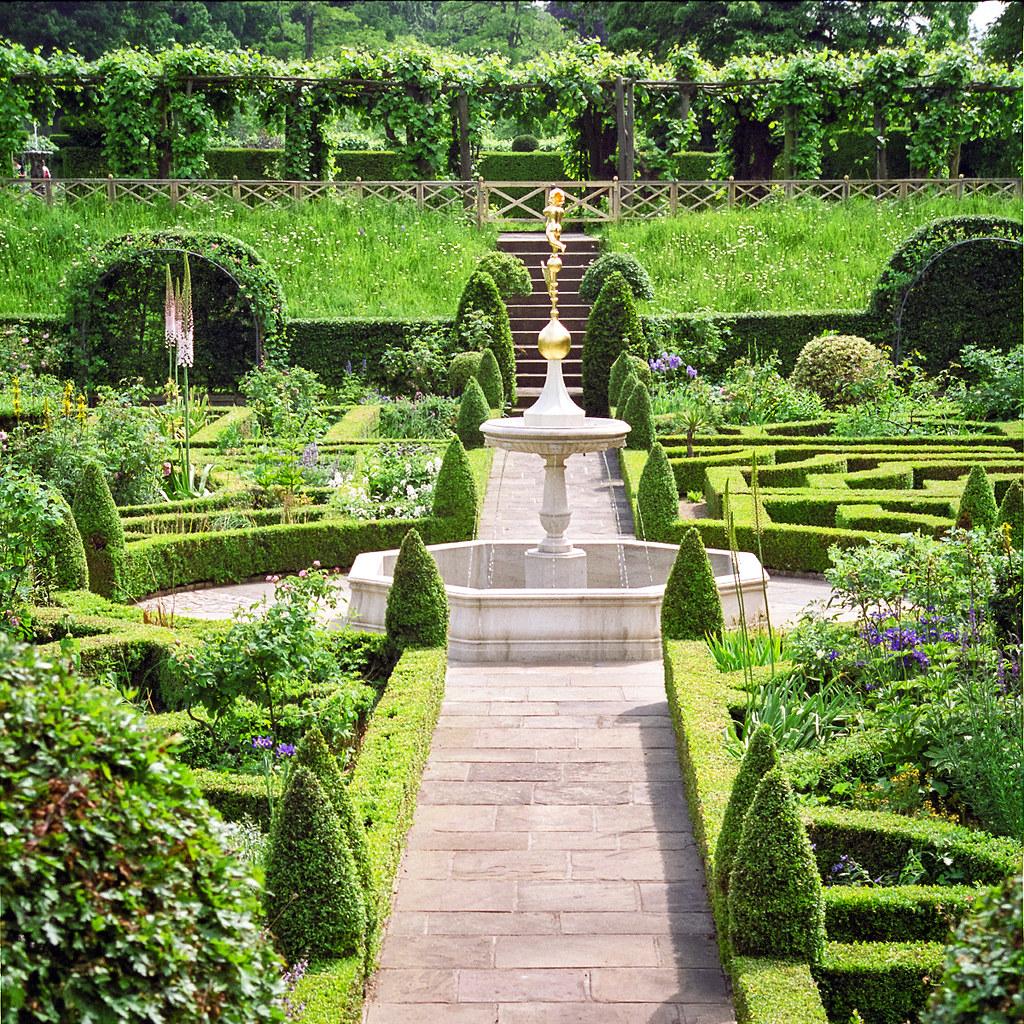
Gardens don’t need to look like they belong at a French château to be beautiful. Those perfectly symmetrical beds with razor-sharp edges and military-precise plant spacing actually create more work for you. You’ll spend hours trimming, edging, and maintaining that tight look instead of enjoying your outdoor space.
A relaxed garden with natural curves and slightly wild edges is easier to maintain and looks more inviting. Let plants spill over pathways a bit and mix different heights together. Your garden should feel like a place you want to hang out, not a museum you’re afraid to touch.
13.) Eliminating All Garden Weeds

Going on a mission to kill every single weed in your garden might sound productive, but experts say it’s a waste of time and energy. Some weeds actually benefit your soil by breaking up compacted ground and adding nutrients when they decompose.
Plus, certain “weeds” like clover and dandelions attract pollinators and can indicate soil health. Instead of fighting nature constantly, focus on managing problem areas where weeds compete with your main crops.
A few weeds here and there won’t hurt anything, and you’ll save yourself hours of back-breaking work.