Ever wonder why some gardens just seem to work better than others? Professional landscapers have their go-to plants for a reason—they know which ones actually survive, look good year after year, and don’t need constant babysitting.
These aren’t fancy or hard-to-find plants, either. They’re reliable favorites that pros use in almost every project because they get the job done. Let’s look at what makes these 14 plants worth your attention.
1.) Boxwood
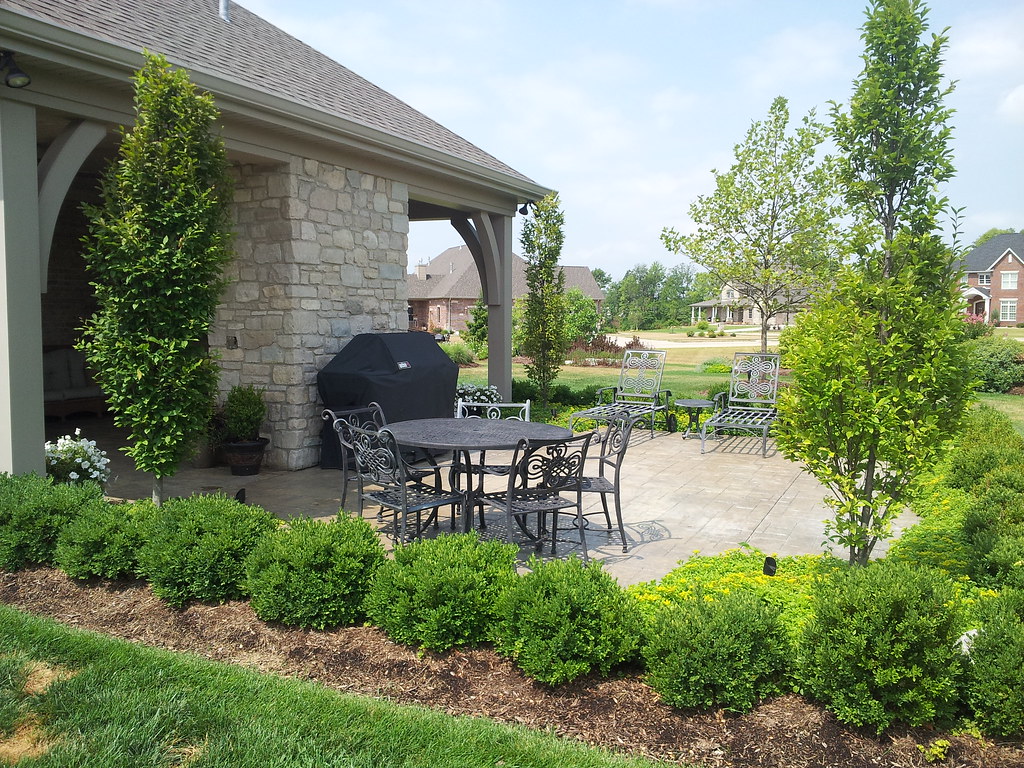
Boxwoods show up in professional landscapes because they’re reliable workhorses that stay green year-round. These shrubs handle regular pruning without complaint, making them perfect for formal hedges, borders, or foundation plantings that need to look neat.
They grow best in zones 5-9 and prefer partial shade to full sun with well-draining soil. Water them regularly during their first year, then they’re fairly low-maintenance.
Pro tip: Apply mulch around the base to keep roots cool and moist, especially during hot summers. They grow slowly, so you won’t be constantly trimming them.
2.) Hydrangea
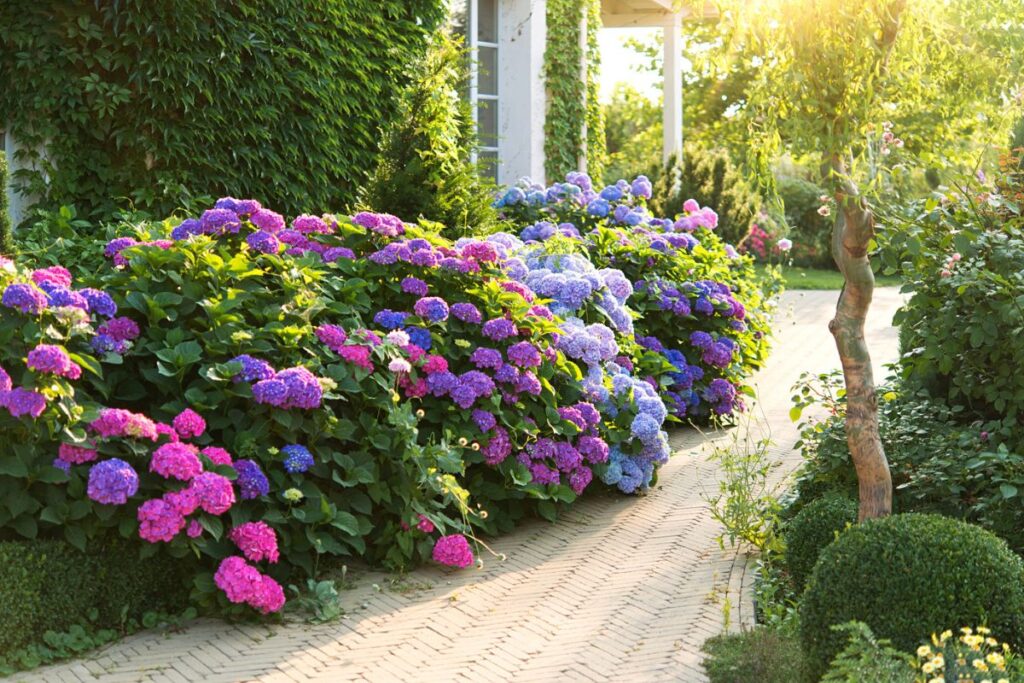
Landscapers love hydrangeas because they fill large spaces quickly and bloom for months. These shrubs work well as foundation plants or hedges, and they come back reliably year after year in zones 3-9.
The care routine is straightforward—water them regularly and add mulch around the base. They prefer morning sun with afternoon shade, especially in hot climates. Most varieties bloom from early summer through fall.
Here’s a bonus: you can change the flower color of some types by adjusting your soil’s pH level with simple amendments.
3.) Hostas

Hostas are the go-to solution when landscapers need to fill shady spots where most plants struggle. They grow well in zones 3-9 and require minimal effort once established. Just plant them in shade or partial shade, keep the soil moist, and they’ll come back bigger every year.
The foliage comes in various shades of green, blue, and variegated patterns, making them perfect for adding texture under trees or along north-facing walls. Deer love them though, so consider applying repellent if wildlife visits your yard regularly.
4.) Daylilies
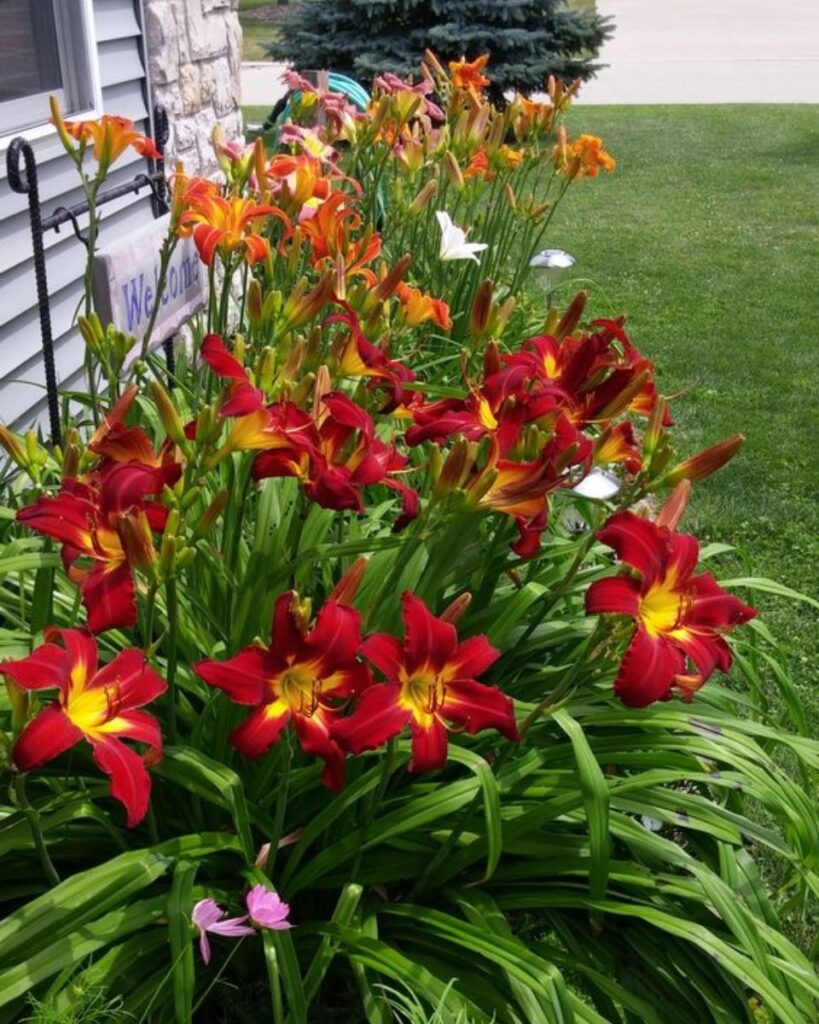
Daylilies show up in nearly every professional landscape design because they’re practically indestructible. These perennials thrive in zones 3-9 and bloom reliably every summer without much fussing. They handle full sun to partial shade and adapt to most soil types as long as drainage is decent.
Professional landscapers love that daylilies multiply on their own and rarely need dividing. They’re also drought-tolerant once established, which means less maintenance for clients. With hundreds of varieties available, you can find colors and bloom times to fit any design scheme.
5.) Knockout Roses
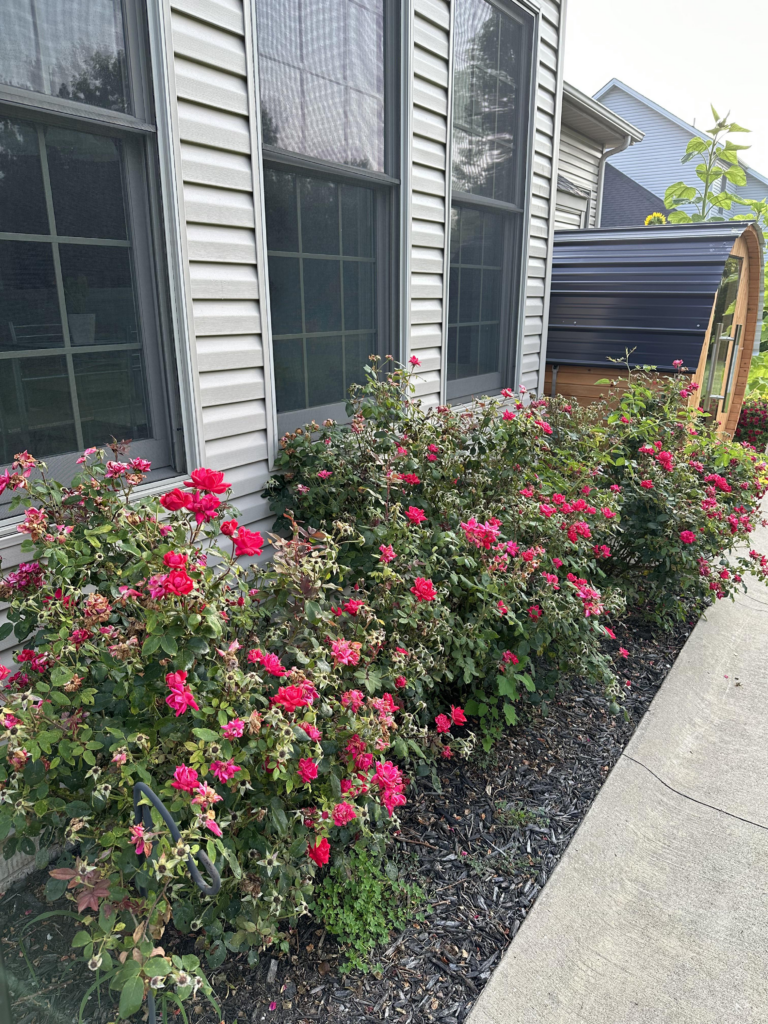
Knockout Roses are the landscaper’s secret weapon because they bloom continuously from spring through fall without much fuss. Unlike traditional roses, these shrubs resist diseases like black spot and powdery mildew, which means less spraying and maintenance for busy homeowners.
They grow well in zones 5-11 and only need about six hours of sunlight daily. A simple spring pruning keeps them looking neat, and they handle heat and humidity better than most roses. Water them regularly during their first season, then they’re pretty much good to go.
6.) Ornamental Grasses
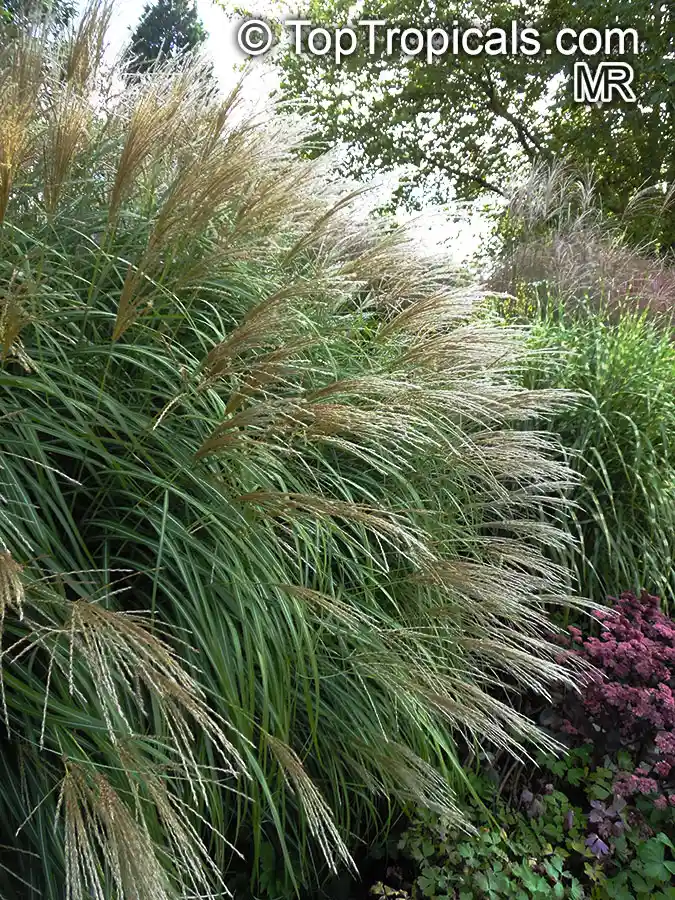
Landscapers reach for ornamental grasses because they fill space quickly and need almost no maintenance once established. They work in full sun to partial shade and handle drought better than most perennials. Most varieties thrive in zones 4-9.
The real appeal is their year-round interest. They sway in breezes during summer, produce feathery plumes in fall, and their dried stalks add texture through winter. Just cut them back to ground level in early spring before new growth starts, and you’re done with maintenance for the year.
7.) Lavender

Landscapers love lavender because it practically takes care of itself once established. It thrives in full sun and well-drained soil, making it perfect for spots where other plants struggle. Hardy in zones 5-9, it handles heat and drought like a champ.
The purple-blue flowers bloom from late spring through summer, and deer tend to leave it alone. Plant it along walkways or in mass groupings for the best effect.
Just give it a trim after flowering to keep it looking neat, and avoid overwatering—lavender hates wet feet.
8.) Russian Sage

Russian Sage earns its spot on every landscaper’s list because it practically takes care of itself. The silvery-green foliage and purple-blue flowers bloom from midsummer through fall, creating that airy, cottage-garden look clients love. It thrives in zones 4-9 and actually prefers poor soil with little water once established.
Professional landscapers rely on it for tough spots where other plants struggle. Full sun and good drainage are all it needs. Cut it back to about 6 inches in early spring, and you’re done with maintenance for the year.
9.) Sedum

Sedum is the go-to succulent for landscapers who need something that actually survives neglect. These fleshy-leaved plants handle drought, poor soil, and full sun without complaining. Most varieties thrive in zones 3-9, making them reliable nearly everywhere.
Landscapers love sedum because it requires zero fussing once established. Water it occasionally during the first season, then forget about it. The low-growing types work great as ground cover, while taller varieties like Autumn Joy add late-season interest.
You’ll find sedum in almost every commercial landscape because it simply doesn’t die. That’s exactly what busy professionals need.
10.) Japanese Maple
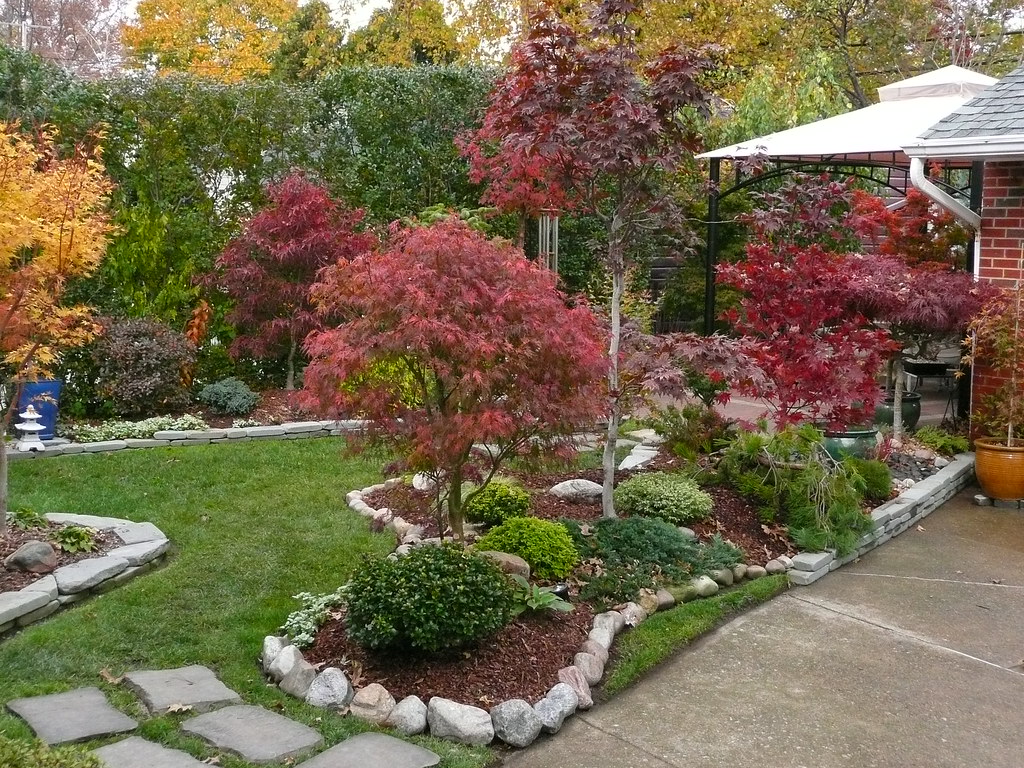
Japanese maples show up in professional landscapes because they work well in small spaces and provide year-round interest. Their layered branching structure and colorful foliage make them reliable focal points without much fuss.
These trees prefer partial shade and well-drained soil. They grow best in zones 5-8 and typically reach 10-25 feet tall depending on the variety. Water them regularly during dry spells, especially when young.
Professional landscapers appreciate that Japanese maples rarely need pruning and maintain their elegant shape naturally. They’re particularly useful for adding height to garden beds without overwhelming other plants.
11.) Coneflowers
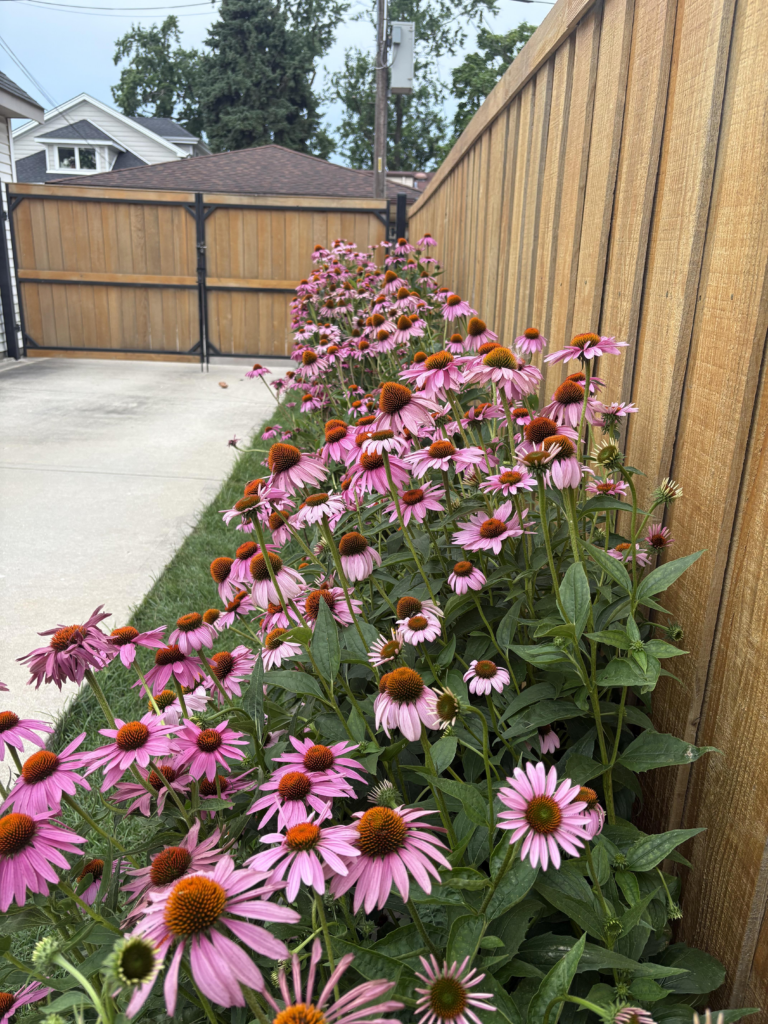
Coneflowers are the workhorses of professional landscapes because they practically take care of themselves. These purple, pink, or white daisy-like flowers bloom from early summer through fall, attracting butterflies and bees without much fuss. They thrive in zones 3-9 and can handle full sun, drought, and poor soil once established.
Landscapers love them because clients get months of color with minimal maintenance. Deadheading spent blooms encourages more flowers, but even if you forget, they’ll keep going. Plus, the seed heads look great in winter and feed the birds.
12.) Black-Eyed Susans
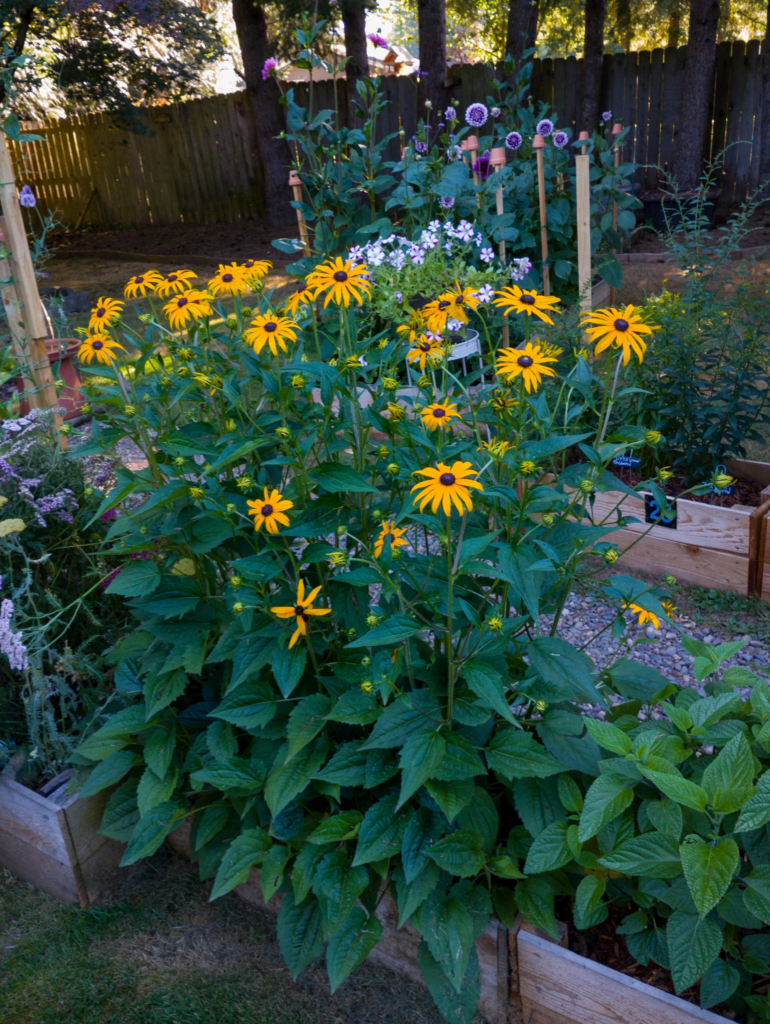
Black-eyed Susans show up in almost every professional landscape design because they’re practically bulletproof. These cheerful yellow flowers with dark centers bloom from June through October, giving you months of color without much effort.
They grow well in zones 3-9 and handle full sun to partial shade. Once established, they tolerate drought and poor soil better than most perennials. You don’t need to deadhead them obsessively either—just cut them back in late fall.
Landscapers love that they spread naturally to fill empty spots without becoming invasive.
13.) Liriope

Landscapers love Liriope because it handles nearly everything you throw at it. It grows well in sun or shade, tolerates drought once established, and stays green year-round in zones 5-10. Deer won’t touch it either.
You’ll often see it used as a border plant along walkways or under trees where grass struggles. It spreads slowly to fill in spaces and produces small purple flower spikes in late summer.
Cut it back to about three inches in early spring before new growth starts, and you’re basically done with maintenance.
14.) Nandina
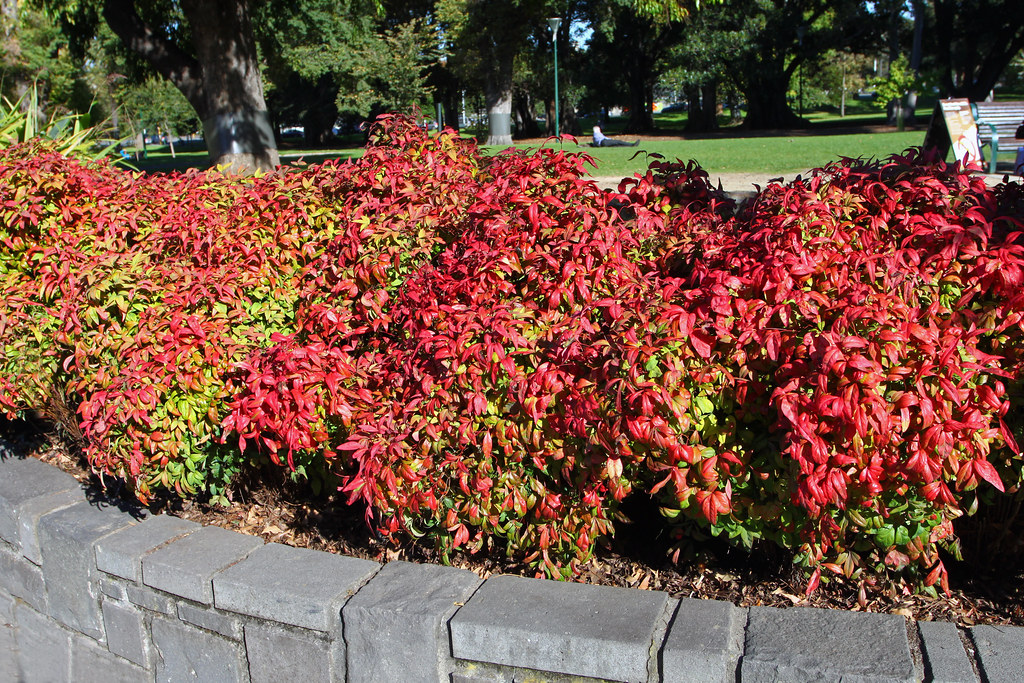
Nandina, also called heavenly bamboo, shows up in professional landscapes because it handles neglect like a champ. The leaves change color through the seasons, and red berries appear in fall. It grows in zones 6-9 and tolerates both sun and shade, though you’ll get better color with more light.
Plant it once and you’re basically done. It needs little water after the first year and rarely requires pruning. Landscapers love that it stays green year-round and fills awkward spaces near foundations or walkways without constant maintenance.