So you’ve noticed those annoying brown tips on your peace lily’s leaves, huh? I get it—one day your plant looks fine, and the next day it’s sporting crispy edges like it got a bad haircut. The good news is that brown tips aren’t a death sentence, and they’re way easier to fix than you might think.
Before you panic and start googling “peace lily emergency room,” take a breath. There are just a handful of common reasons this happens, and I’m about to walk you through each one with a quick fix that takes less time than making your morning coffee.
1.) Inconsistent Watering Habits
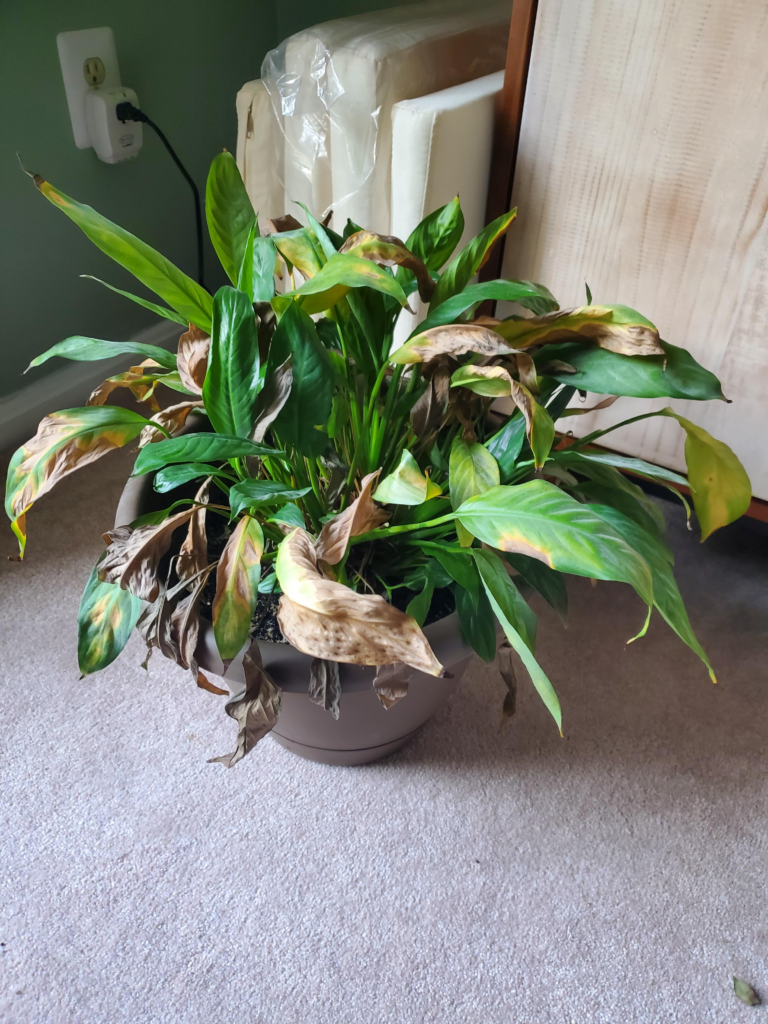
Peace lilies like their soil to stay somewhat moist, but they’re not fans of drama. When you water randomly—flooding one week and forgetting the next—your plant gets stressed and develops those crispy brown tips.
The fix is simple: check the top inch of soil with your finger. If it feels dry, water thoroughly until it drains out the bottom. In most homes, this works out to about once a week during warmer months and every 10 days in winter.
Stick to a routine and those brown tips will stop spreading.
2.) Low Humidity Levels
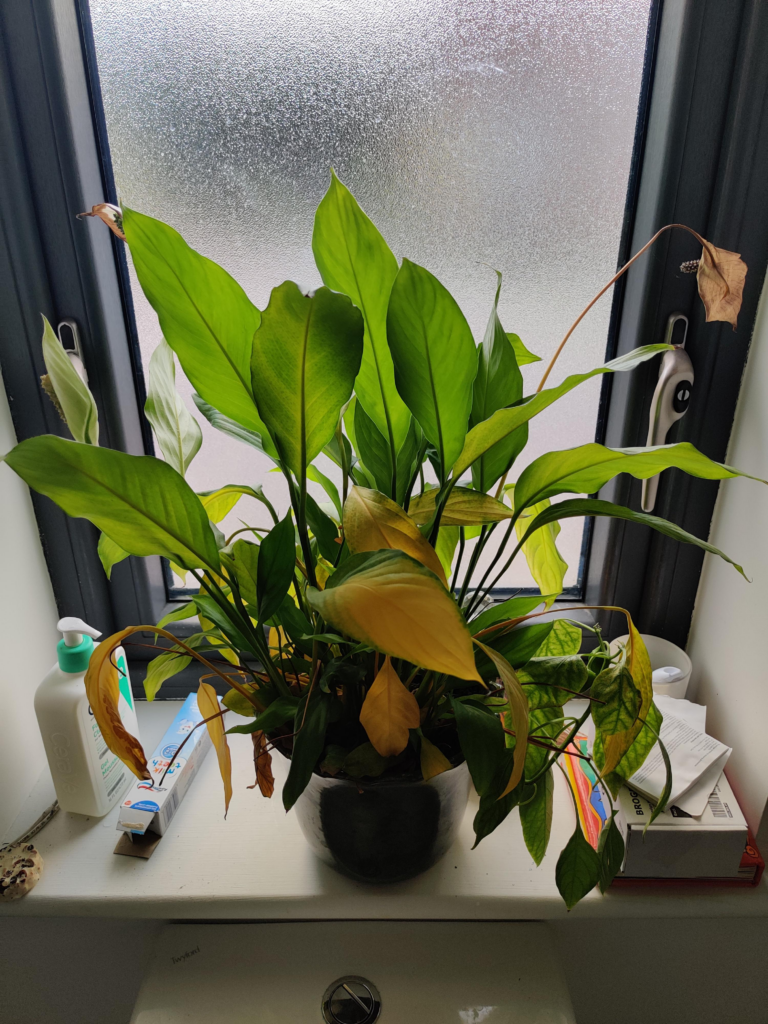
Peace lilies are tropical plants that naturally grow in humid rainforests, so they struggle when your home’s air gets too dry. Central heating and air conditioning can drop humidity levels way below what these plants prefer, causing those annoying brown leaf tips.
The fix is simple: mist your peace lily’s leaves every few days, or place the pot on a tray filled with pebbles and water. As the water evaporates, it creates a little humidity bubble around your plant.
You can also group several houseplants together—they’ll help each other out by creating a more humid microclimate.
3.) Tap Water Chemicals

Your tap water might be the sneaky culprit behind those brown tips. Chlorine, fluoride, and other minerals in city water can build up in your peace lily’s leaves over time, causing that crispy, brown discoloration at the tips.
The fix is easy: let tap water sit out in an open container for 24 hours before watering. This allows chlorine to evaporate naturally. Even better, use filtered or distilled water if you have it handy.
You can also switch to rainwater collection, which peace lilies absolutely love since it’s free of chemicals.
4.) Overfertilizing Your Plant
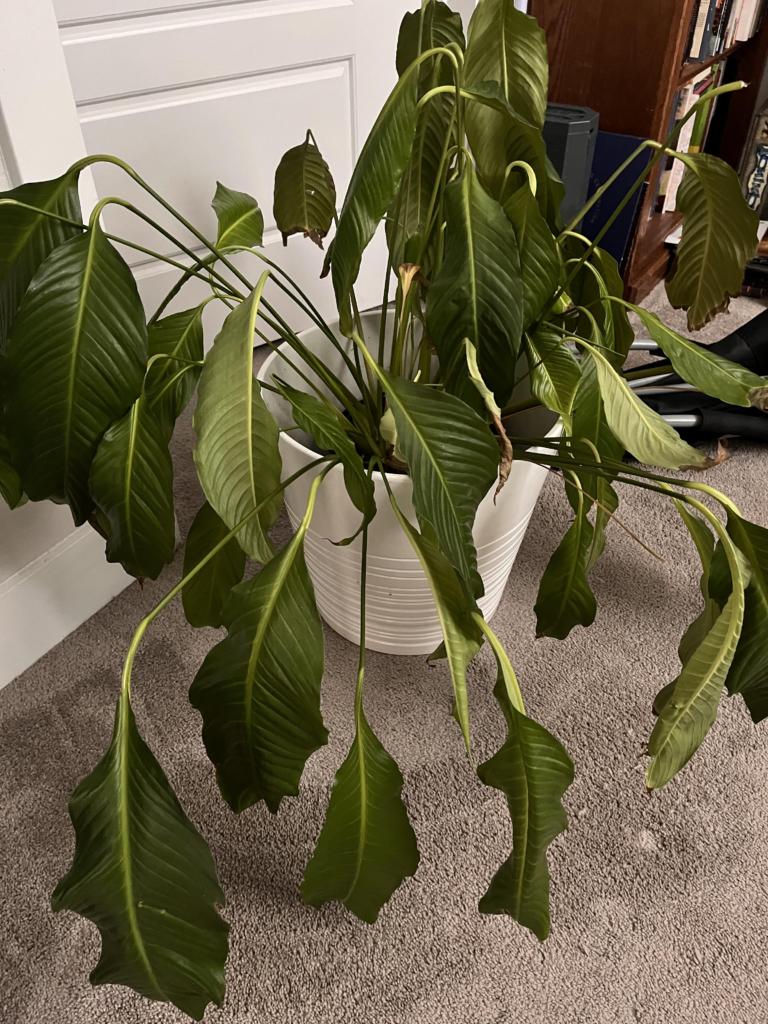
Too much fertilizer can cause brown tips on your peace lily, even though it seems like you’re doing something good for it. When fertilizer salts build up in the soil, they actually burn the leaf edges and create those crispy brown spots.
Peace lilies are light feeders that only need fertilizing once every few months during spring and summer. If you’ve been feeding yours more often, flush the soil with water to wash out excess salts. Let water run through the pot for a few minutes, then drain completely.
Going forward, use a diluted liquid fertilizer at half strength every 8-12 weeks.
5.) Poor Light Conditions
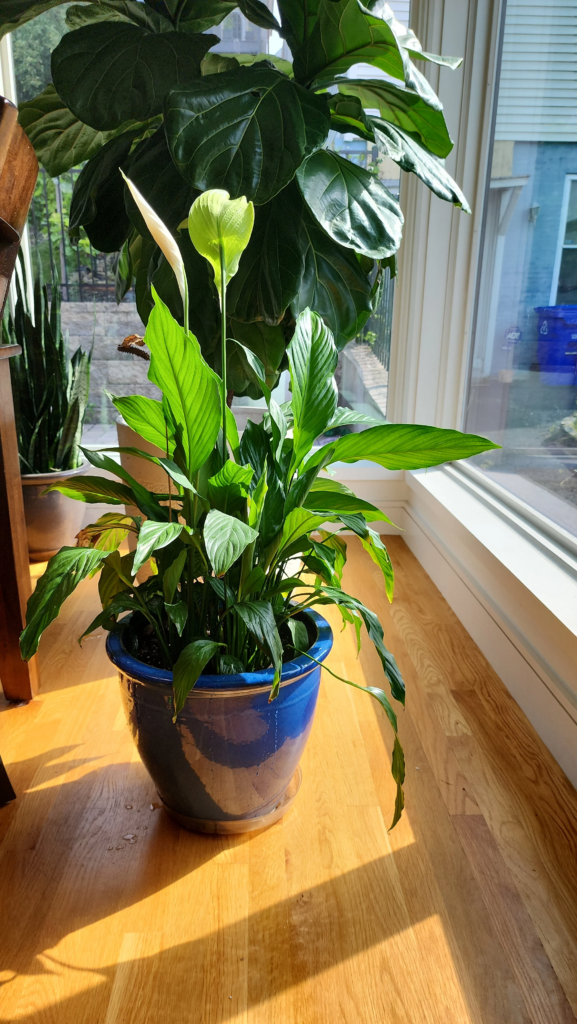
Peace lilies can handle low light, but too little sun causes brown tips just like too much direct light does. They need bright, indirect light to stay healthy—think of a spot near a north-facing window or a few feet back from an east-facing one.
If your plant sits in a dark corner or far from any window, it’s probably struggling. The leaves can’t make enough energy, which leads to browning.
Move your peace lily closer to natural light but away from harsh afternoon sun. You should see improvement within a week or two.