You know that feeling when your perennials just aren’t blooming like they used to? Sometimes it’s not about feeding them or watering more—they’re actually trying to tell you they need to be divided. A lot of plants get so crowded that they basically shut down the flower show.
The good news is that dividing them is pretty straightforward, and you’ll end up with more plants to spread around your garden. Let’s look at which perennials absolutely need this kind of attention to keep blooming year after year.
1.) Hostas

Hostas are grown mainly for their foliage rather than flowers, but letting them stay in one spot too long leads to crowded clumps that produce fewer blooms. When your hostas get congested, those pretty lavender or white flower spikes start to disappear.
Divide hostas every 3-4 years in early spring or fall. They’re hardy in zones 3-9 and prefer shade to partial shade with moist soil.
Simply dig up the clump and use a sharp spade to cut it into sections. Each piece should have at least two or three shoots for best results.
2.) Daylilies
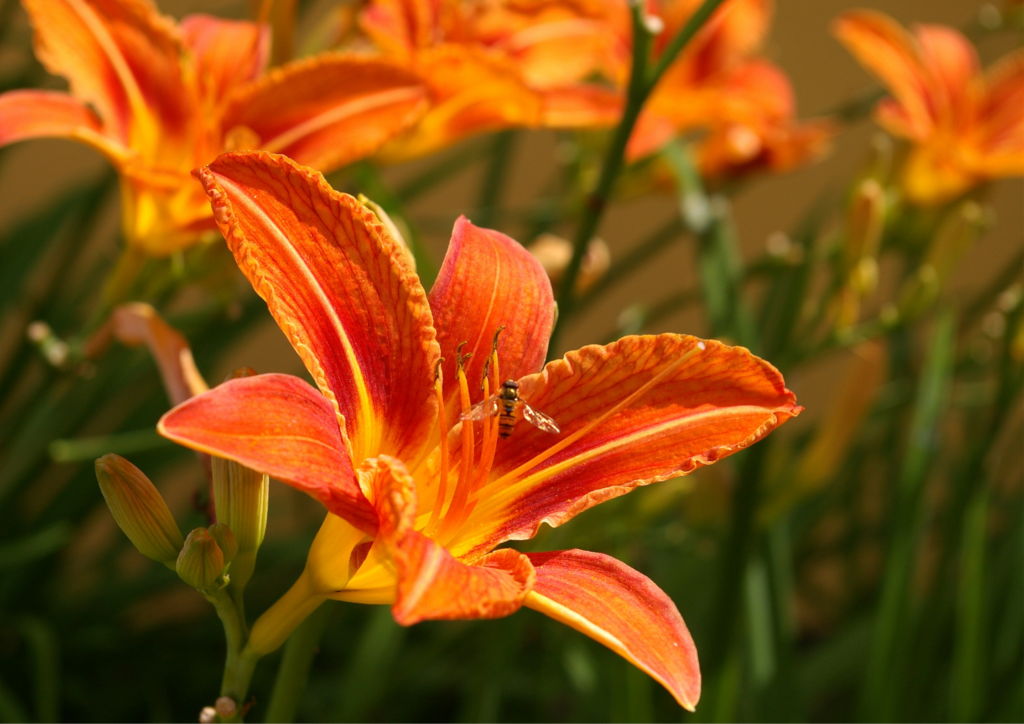
Daylilies are tough plants that bloom like crazy when they’re happy, but after three to five years, they’ll start producing more leaves than flowers. That’s your sign they need dividing.
Dig up the whole clump in early spring or fall, then pull apart the roots into smaller sections. Each division should have at least one fan of leaves. They grow in zones 3-9 and aren’t picky about soil.
Replant them about 18 inches apart, and they’ll reward you with plenty of blooms again the following season.
3.) Shasta Daisies
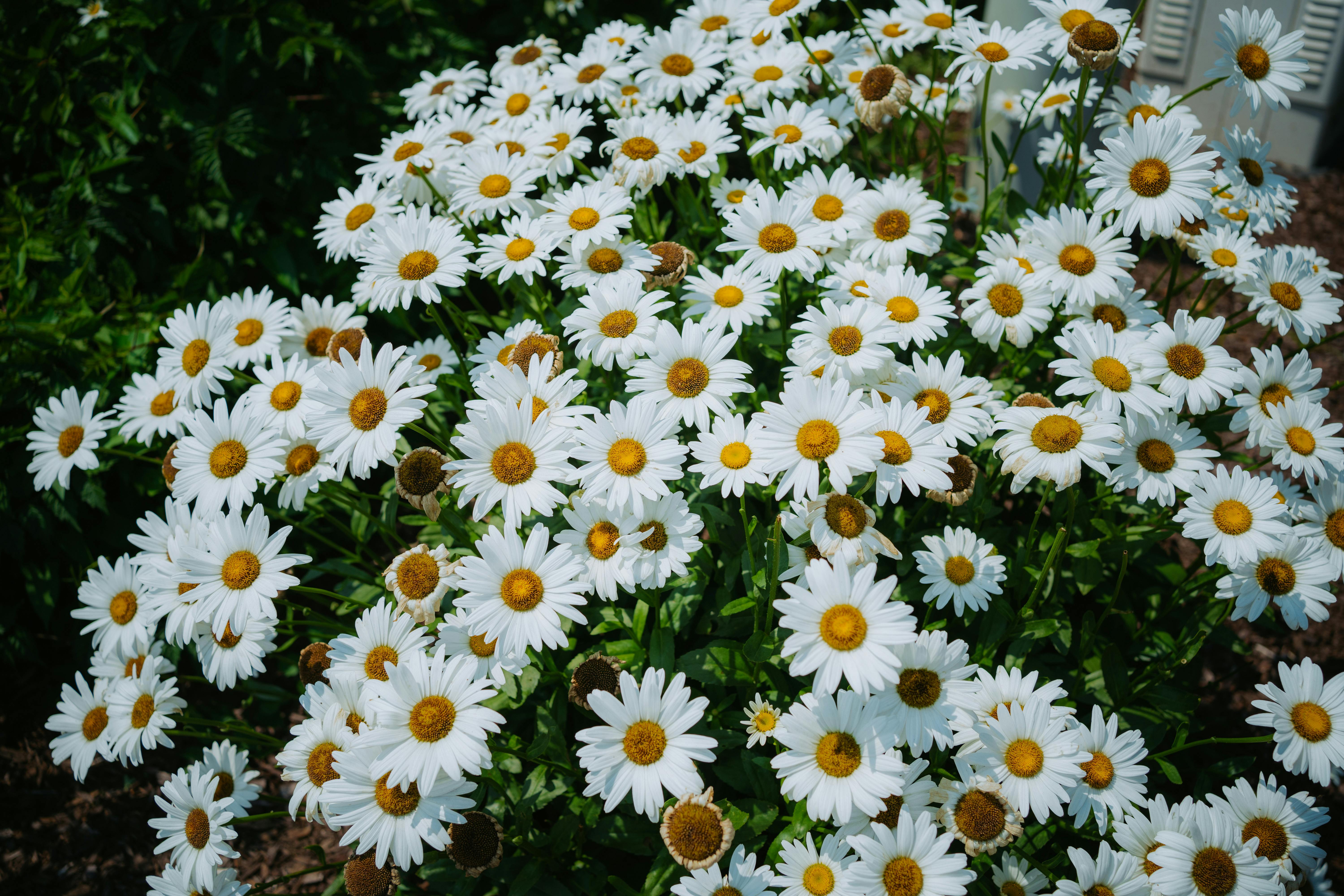
Shasta daisies are cheerful white flowers with sunny yellow centers that bloom from early summer through fall. They grow best in full sun and well-drained soil across zones 5-9.
These perennials tend to get crowded after two to three years, which leads to fewer blooms and weaker plants. You’ll notice the center of the clump starts to die out while new growth happens around the edges.
Divide them in early spring or fall by digging up the entire clump and separating it into sections. Replant the healthy outer portions and toss the woody center.
4.) Bearded Iris

Bearded iris puts on a showy display in late spring, but those thick rhizomes spread fast. After about three to four years, the clumps get crowded and you’ll notice fewer blooms. That’s your signal to divide.
Dig up the rhizomes in late summer, about six to eight weeks after flowering ends. Break apart the sections, keeping only the healthy outer pieces with good fans of leaves. Replant them shallow in full sun with good drainage.
These tough perennials grow well in zones 3-9 and bounce back quickly after division.
5.) Coneflowers
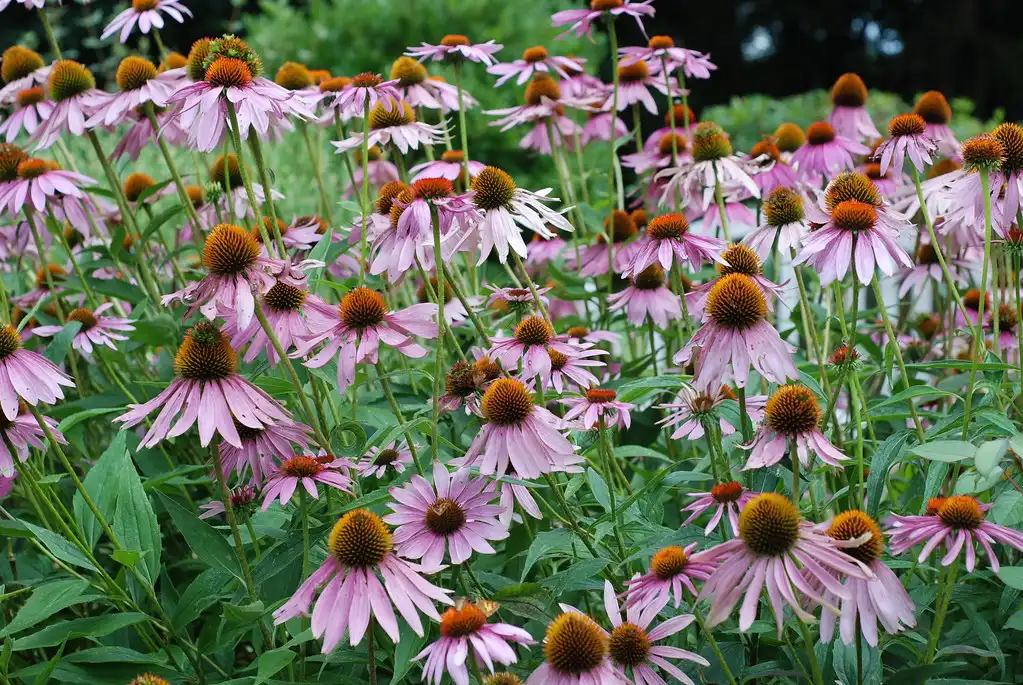
Coneflowers are tough prairie natives that bloom reliably for years, but they’ll eventually form crowded clumps that produce fewer flowers. When you notice the center of the plant looking woody or the blooms getting smaller, it’s time to divide.
Split them in early spring or fall by digging up the whole clump and cutting it into sections with a sharp spade. Each piece needs roots and shoots to survive.
They grow well in zones 3-9 and prefer full sun with decent drainage. After dividing, they’ll bounce back quickly and reward you with more blooms.
6.) Black-Eyed Susans

Black-eyed Susans spread quickly through underground rhizomes, and if you ignore them for too long, the center clumps become woody and stop producing flowers. You’ll notice fewer blooms and plants that look scraggly in the middle.
Divide these cheerful yellow flowers every 3-4 years in early spring or fall. They’re hardy in zones 3-9 and handle full sun with ease.
Dig up the entire clump, pull apart the sections with healthy roots, and toss the dead center portions. Replant the outer pieces about 18 inches apart.
7.) Peonies
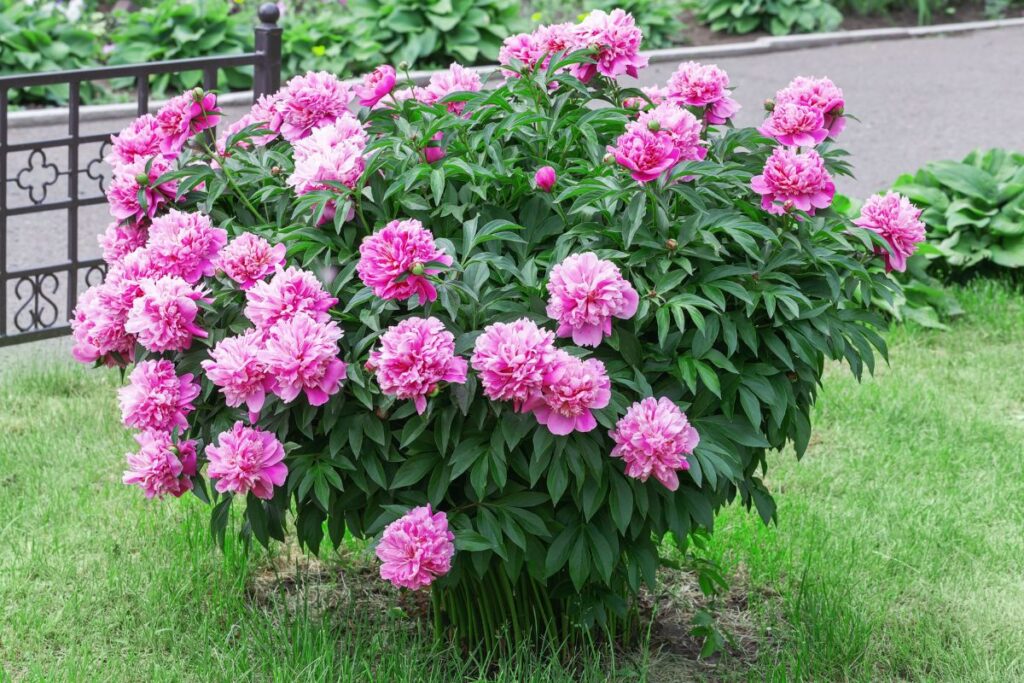
Peonies can bloom reliably for years, but crowded clumps eventually produce fewer flowers. When your plants start giving you mostly foliage and hardly any blooms, it’s time to divide them. Fall is the best season for this task, ideally September or October.
These hardy perennials thrive in zones 3-8 and prefer full sun with well-draining soil. Dig up the entire root ball and use a sharp knife to separate sections with 3-5 eyes each.
After replanting, don’t expect flowers for a year or two while they settle in.
8.) Asters

Asters put on a great show in late summer and fall, but they’ll get crowded and bloom less after three or four years. You’ll notice the center of the plant becomes woody while flowers appear only around the edges.
Divide your asters every 2-3 years in early spring when new growth appears. Dig up the whole clump and split it into sections with a sharp spade or knife.
These plants do best in full sun and well-draining soil. They’re hardy in zones 3-8 and need regular watering during dry spells.
9.) Siberian Iris
Siberian Iris produces lovely blue, purple, or white flowers in late spring, but the clumps get crowded after about three to four years. When that happens, you’ll notice fewer blooms and mostly just foliage.
Divide these plants in late summer after they finish flowering. Dig up the whole clump and use a sharp knife to cut it into sections with at least three fans of leaves each.
They grow well in zones 3-9 and prefer moist soil with full sun to partial shade. Regular dividing keeps them blooming reliably year after year.
10.) Phlox

Phlox forms thick clumps over time, and when it gets too crowded, you’ll notice fewer flowers and weaker stems. The center of the plant often dies out while the edges keep growing. Divide your phlox every 3-4 years in early spring or fall to keep it blooming well.
Garden phlox grows in zones 4-8 and prefers full sun with good air circulation to prevent powdery mildew. When dividing, dig up the whole clump and separate it into sections with at least three shoots each. Replant the divisions about 18 inches apart.
11.) Ornamental Grasses
Ornamental grasses form thick clumps over time that can choke out the center, leaving you with a hollow donut shape and fewer seed heads. Every three to four years, dig up the clump in early spring before new growth starts and split it into smaller sections.
These grasses grow well in zones 4-9, depending on the variety. They prefer full sun and well-draining soil. After dividing, replant the healthy outer sections and toss the dead center.
Regular division keeps them producing those feathery plumes you planted them for in the first place.
12.) Coral Bells

Coral bells form thick clumps over time, and when they get too crowded, you’ll notice fewer flower spikes in summer. The center of the plant often gets woody and dies back, which is your sign to divide.
Split these perennials every three to four years in early spring or fall. They grow well in zones 4-9 and prefer partial shade, though some varieties tolerate more sun.
When dividing, discard the old center and replant the healthy outer sections. Space them about 12 inches apart in well-draining soil.
13.) Sedum

Sedum, also known as stonecrop, forms thick clumps that need dividing every three to four years to keep flowering strong. When plants get too crowded, you’ll notice fewer blooms and weak, floppy stems that can’t support the flower heads.
Divide sedum in early spring before new growth starts, or in fall after blooming finishes. Just dig up the clump, pull or cut it into sections with roots attached, and replant them about 12 inches apart.
These succulents thrive in zones 3-9 and prefer full sun with well-draining soil.
14.) Bee Balm

Bee balm spreads through underground roots, and after about three years, the center of the clump starts to die out while the edges keep growing. When this happens, you’ll notice fewer flowers and weak, crowded stems. Divide bee balm every 2-3 years in early spring or fall to keep it blooming well.
Hardy in zones 4-9, bee balm likes full sun to part shade and moist soil. After dividing, replant sections that look healthy from the outer edges and toss the woody center. Space new divisions 18-24 inches apart to give them room to spread.
15.) Yarrow

Yarrow spreads through underground rhizomes that gradually crowd themselves out, leading to fewer flowers and weak growth. You’ll notice the center of the clump dying back while the edges push outward. Divide it every three to four years in early spring or fall to keep it blooming strong.
Hardy in zones 3-9, yarrow grows best in full sun and handles drought once established. Dig up the entire clump, separate it into sections with roots attached, and replant the healthiest outer portions. Space them about 12 inches apart for good air circulation.