Let’s be honest – gardening stores know how to get us. There are so many products out there promising to make your garden better, but a lot of them just collect dust in the shed. I’ve wasted my fair share of money on things that seemed helpful but turned out to be pretty useless.
So before you grab that fancy gadget or trendy soil additive, check out this list. Your wallet will thank you, and your plants probably won’t notice the difference anyway.
1.) Miracle Plant Growth Sprays
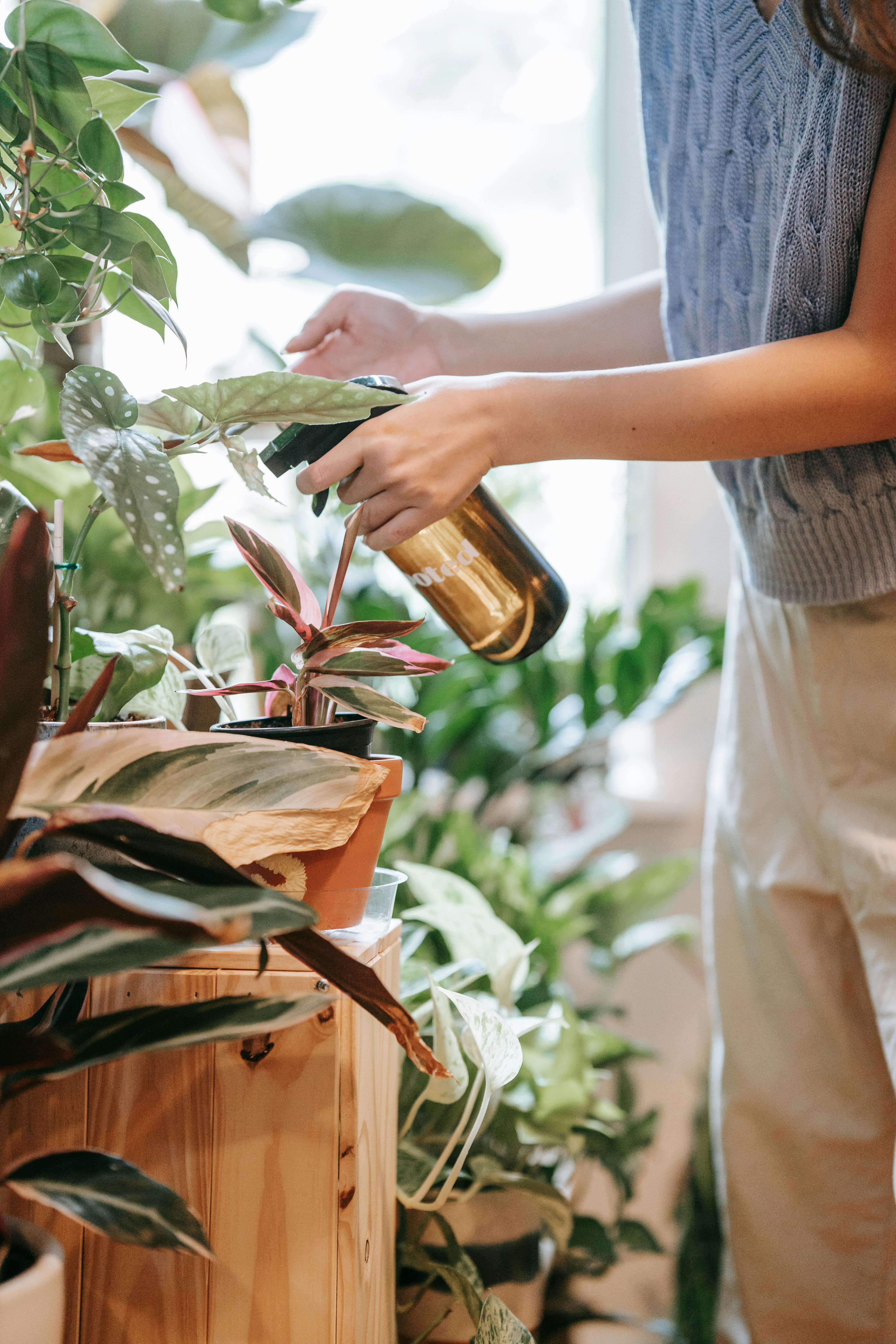
These spray bottles promise to turn your sad plants into garden superstars overnight, but they’re mostly water mixed with a tiny bit of fertilizer. You’re paying $15-20 for something you could make yourself for pennies.
Regular plants don’t need magic formulas. They need proper sunlight, good soil, and consistent watering. A basic balanced fertilizer applied during the growing season works just fine.
Save your money and spend it on quality potting mix or compost instead. Your plants will thank you way more than any overpriced spray ever could.
2.) Decorative Garden Rocks
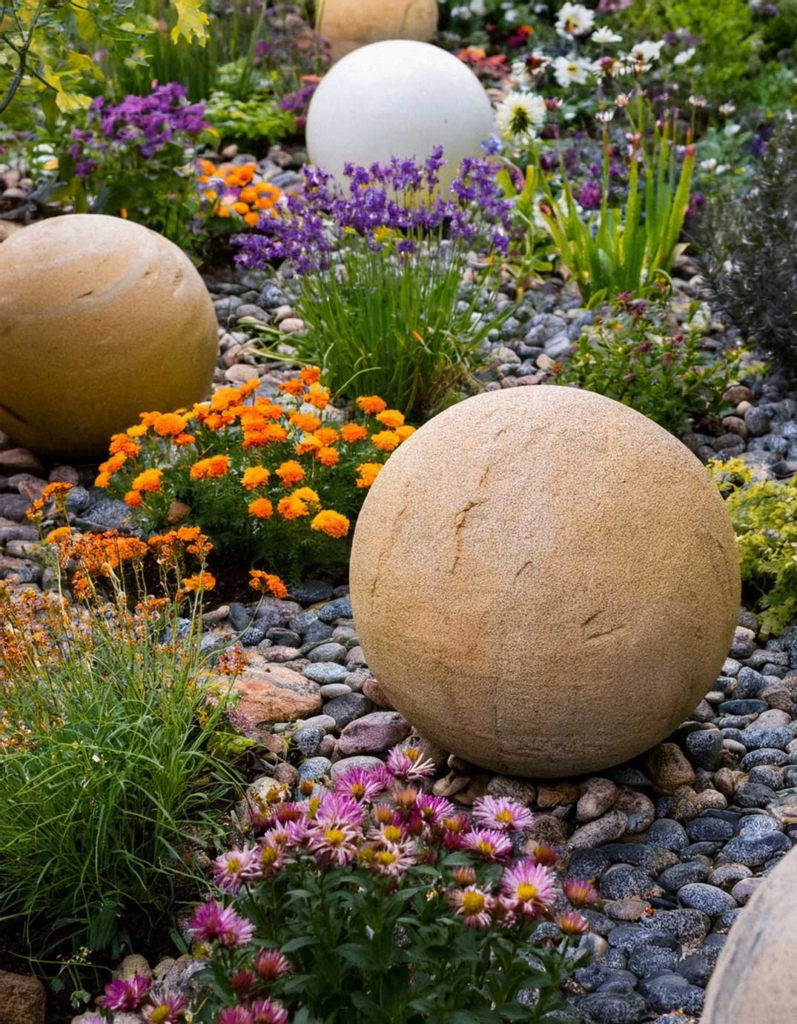
Those overpriced decorative rocks at garden centers are basically just painted stones you could find in your own yard. They fade after one season of sun and rain, leaving you with sad, peeling patches of color scattered around your plants.
Regular mulch or gravel does the same job of suppressing weeds and retaining moisture, and it costs way less. You can even collect interesting rocks from nature walks for free.
Save your money and skip the marked-up painted versions that look cheap after a few months anyway.
3.) Cheap Plastic Garden Tools
You know those dirt-cheap plastic trowels and hand rakes you see at the dollar store? They’ll snap in half the first time you hit compacted soil or a buried rock. The handles crack, the scoops bend, and you’ll end up buying replacements constantly.
Spending a bit more on metal tools with solid construction saves you money in the long run. Look for stainless steel or forged carbon steel with comfortable grips. They’ll last for years and actually dig through tough soil without breaking mid-task.
4.) Pre-Seeded Grow Mats
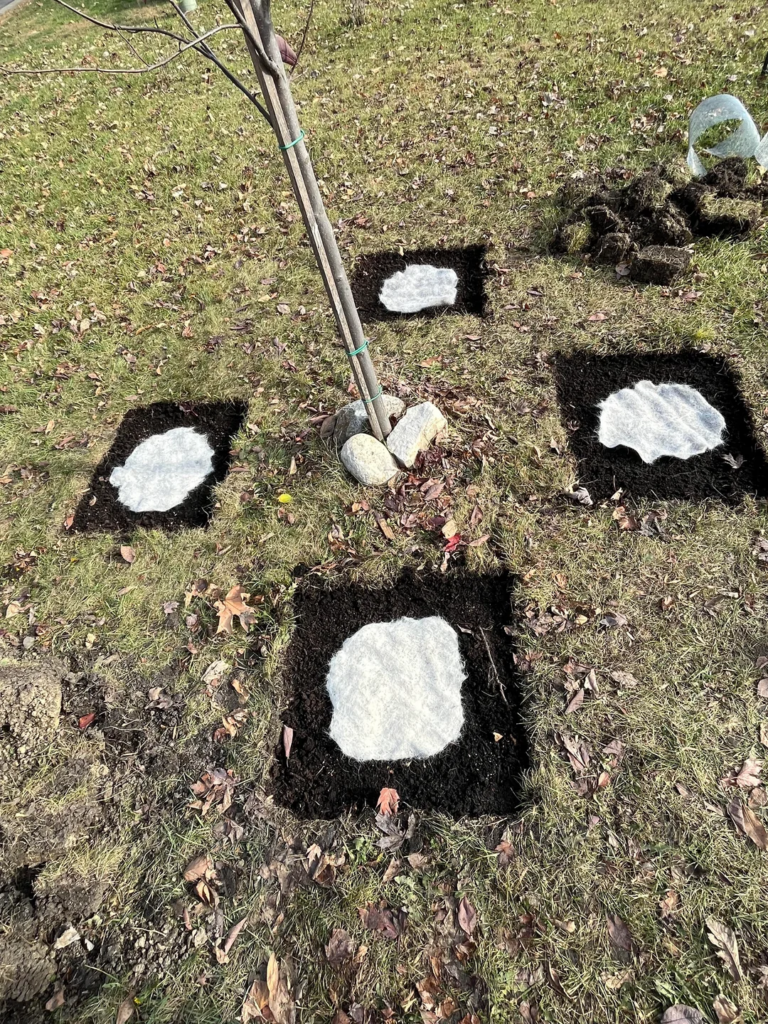
Pre-seeded grow mats promise easy gardening – just roll them out, water, and watch your garden grow. The reality? You’re paying several times more than buying regular seed packets, and you’re stuck with whatever spacing and variety combinations the manufacturer chose.
These mats also dry out quickly in hot weather, meaning seeds can fail to germinate evenly. You’ll get better results scattering seeds by hand or using a simple seed spreader.
Save your money and buy loose seeds instead. You’ll have more control over your garden layout and spacing.
5.) Garden Soil in Bags
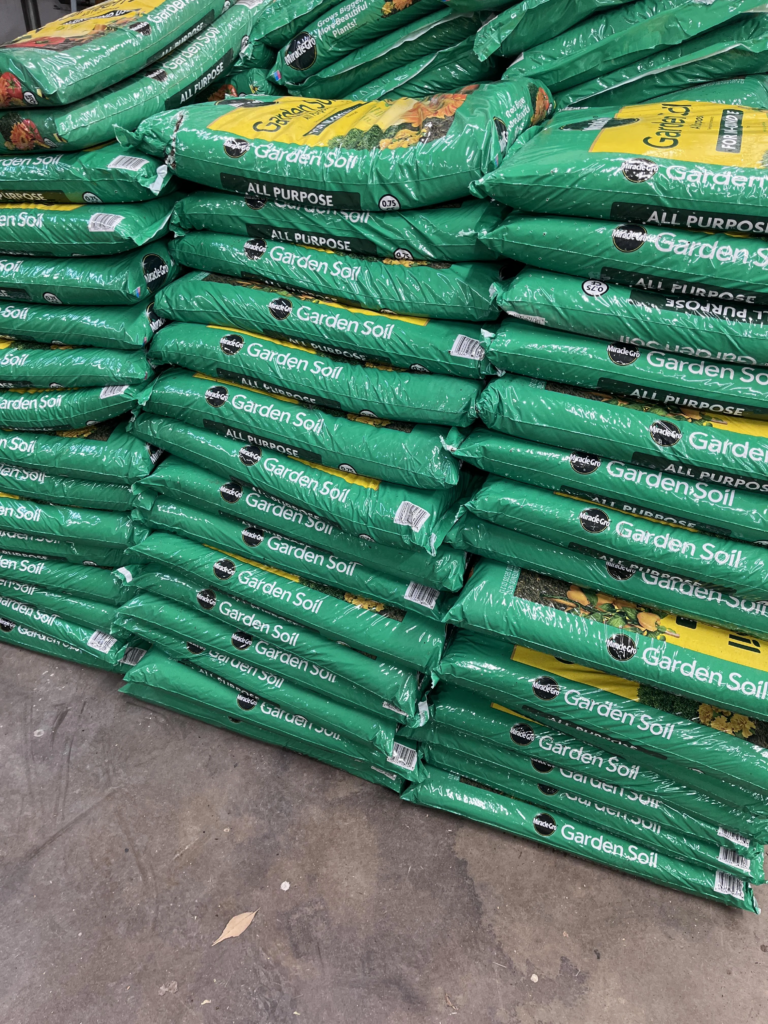
Buying bagged garden soil seems convenient, but you’re mostly paying for water weight and packaging. Those bags often contain low-quality filler material that compacts quickly and doesn’t provide much nutrition for your plants.
You’re better off making your own mix with compost, peat moss or coco coir, and perlite. It costs less and you’ll get better results. If you need to amend existing garden beds, just add a few inches of compost each season instead of buying expensive bagged soil that won’t make much difference.
6.) Weed Barrier Fabric
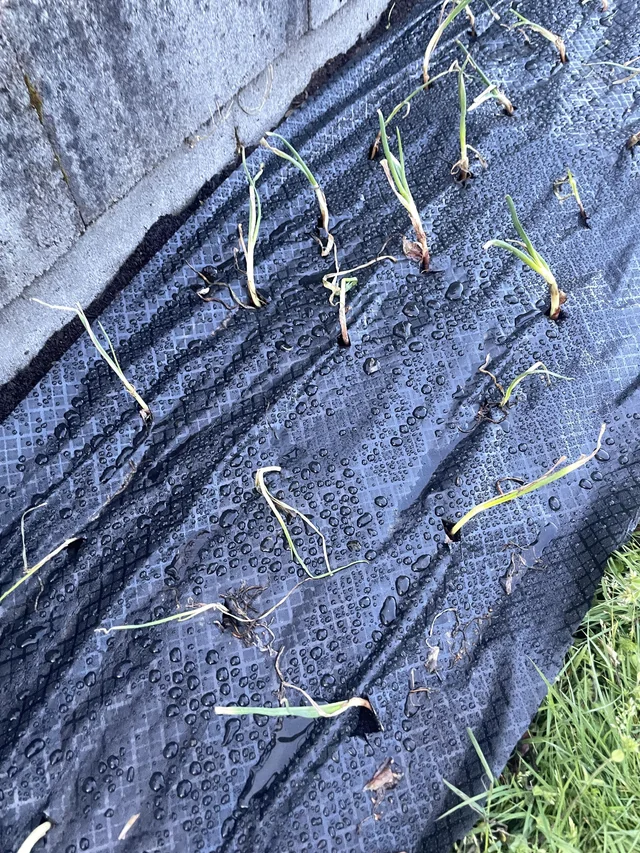
Weed barrier fabric sounds like a dream come true, but it often creates more problems than it solves. Sure, it blocks weeds at first, but within a season or two, dirt and debris collect on top of the fabric. Then weeds grow right there anyway, rooting into the mesh and making them nearly impossible to pull out.
The fabric also prevents water from reaching plant roots properly and kills beneficial soil organisms. A thick layer of regular mulch works better, costs less, and you can easily refresh it each spring without wrestling with deteriorating plastic sheets.
7.) Expensive Plant Food Stakes
Plant food stakes promise easy feeding, but they’re basically compressed fertilizer at ten times the price. You’re paying extra for marketing and fancy packaging when a bag of regular granular fertilizer does the same job for way less money.
These stakes also deliver nutrients unevenly since they only release from one spot in the soil. Your plants would much rather have an even spread of food around their roots.
Save your cash and stick with liquid or granular fertilizers that you mix yourself. Your plants won’t know the difference, but your wallet will.
8.) Self-Watering Globes
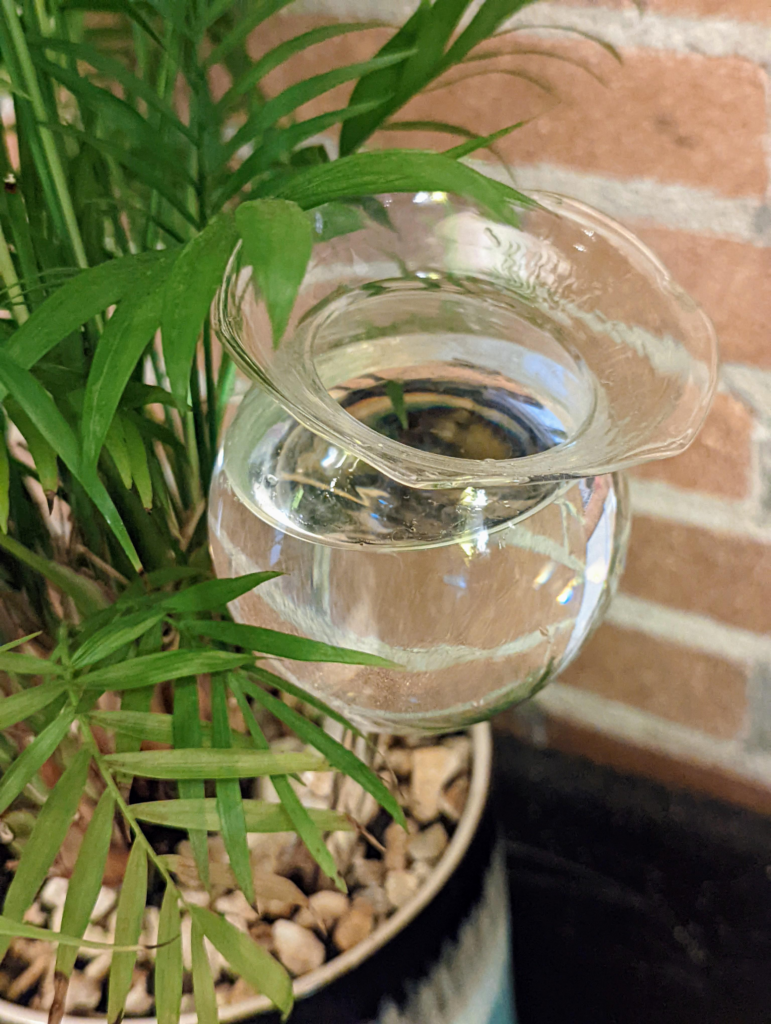
Those colorful glass bulbs promise to water your plants while you’re away, but they’re mostly just decoration. The problem is simple: they empty way too fast for most trips, usually within 2-3 days. Your soil also needs to be perfectly moist for them to work right—too dry and nothing flows, too wet and they dump everything at once.
A $2 wine bottle stuck upside down in the soil does the exact same job. Or just ask a neighbor to stop by. Save your money for actual plant food or better pots with drainage holes.
9.) Copper Plant Rings

Copper plant rings claim to repel slugs and snails through a chemical reaction that gives pests a mild shock. Sounds great in theory, but rain and soil quickly tarnish the copper, making it useless within weeks. You’ll spend $15-30 on rings that need constant polishing to work.
Save your money and use crushed eggshells, beer traps, or diatomaceous earth instead. These alternatives cost pennies and actually work without constant maintenance.
If slugs are a serious problem, hand-picking at dusk or shallow dishes of beer are far more reliable solutions.
10.) Decorative Plant Labels

Those fancy ceramic or metal plant markers with pre-printed names might look nice at the garden center, but they’re a terrible investment. Most vegetables and herbs need to be rotated each season anyway, so you’ll end up with “Tomatoes” stuck in your lettuce bed come spring.
A permanent marker and wooden craft sticks cost about three dollars and give you a hundred labels. You can also reuse plastic containers cut into strips. Save your money for actual plants instead of overpriced tags that’ll be wrong half the time.
11.) Garden Gadget Tool Sets
You know those fancy tool sets that come in matching colors with a carrying case? They usually include a dozen different tools you’ll never use. Most gardeners only need a good trowel, pruners, and maybe a hand rake.
These sets often have cheap metal that bends or breaks after a season. The handles crack in cold weather, and the “special” tools just take up space in your shed.
Skip the bundle and buy quality individual tools instead. You’ll spend less money and actually use what you own.
12.) Pest Repellent Ultrasonic Devices
These gadgets claim to keep bugs, rodents, and deer away from your garden using high-frequency sound waves. The problem? Most pests either can’t hear the frequencies or just ignore them completely. Studies show they’re basically ineffective.
You’re better off spending that $30-50 on proven solutions like row covers, companion planting, or good old-fashioned neem oil spray. Physical barriers and proper garden maintenance work way better than any electronic gizmo.
Save your money and stick with methods that actually have evidence behind them.
13.) Colored Mulch Products

Those bright red, black, or blue mulches at the garden center cost way more than natural options, and they don’t do your soil any favors. The dyes can leach chemicals into your garden beds, and the color fades within a season anyway.
Regular wood chips or shredded bark work just as well for moisture retention and weed control. They’ll actually break down and feed your soil over time, which dyed mulch doesn’t do effectively.
Save your money and stick with plain brown mulch or compost instead.
14.) Single-Purpose Garden Tools

You know that strawberry huller gathering dust in your drawer? Or the avocado slicer you used once? Single-purpose garden tools are the same trap. Companies market special weeders for dandelions, herb scissors with five blades, and corn strippers that only work on one vegetable.
Your regular kitchen knife, standard garden trowel, and basic pruning shears can handle 90% of these tasks just fine. Save your money and cabinet space.
Instead of buying ten specialized tools, invest in one quality pair of bypass pruners and a sturdy hand trowel that’ll last for years.