You know that feeling when you plant your garden with so much hope, only to watch certain plants struggle for no clear reason? Sometimes the problem isn’t pests or weather—it’s actually their neighbors. Just like people, some plants simply don’t get along when they’re too close together.
Certain plant combinations can lead to stunted growth, fewer vegetables, or even attract more bugs. If you want a healthier, more productive garden this year, you’ll want to avoid these common pairing mistakes.
1.) Tomatoes and Brassicas
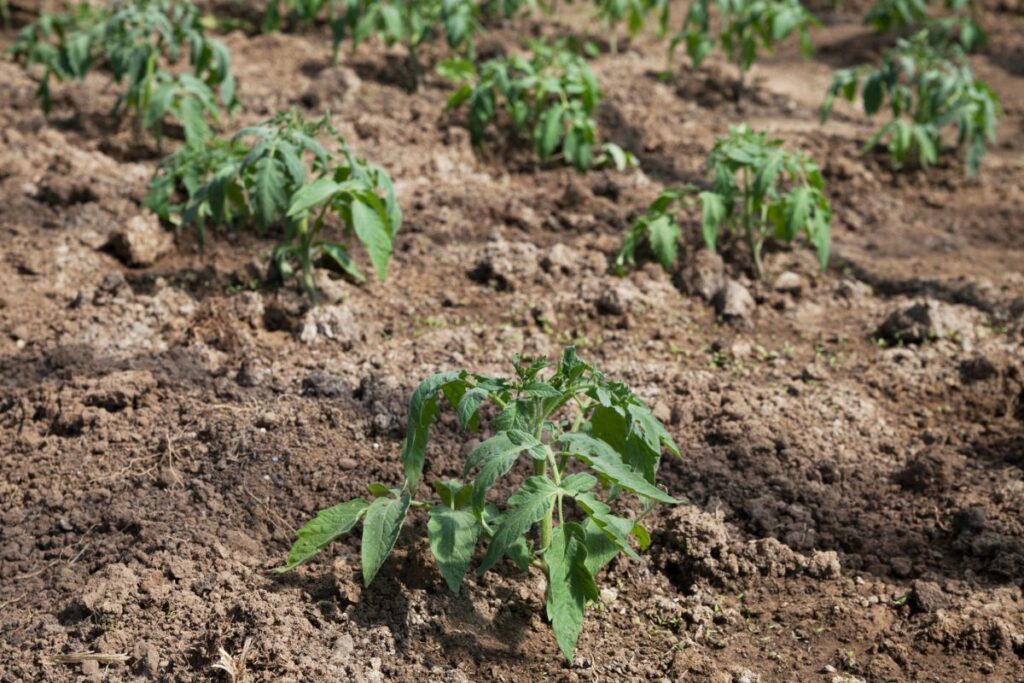
Tomatoes and brassicas like cabbage, broccoli, and cauliflower compete for the same nutrients in soil, which slows down growth for both plants. Tomatoes are heavy feeders that need lots of nitrogen, and so are brassicas, creating an unfair battle underground.
Brassicas can also stunt tomato growth and affect their flavor. If you’re growing both in your garden, keep them in separate beds at least three feet apart.
Plant tomatoes after your last frost date and give brassicas their own space in early spring or fall for best results.
2.) Beans and Onions
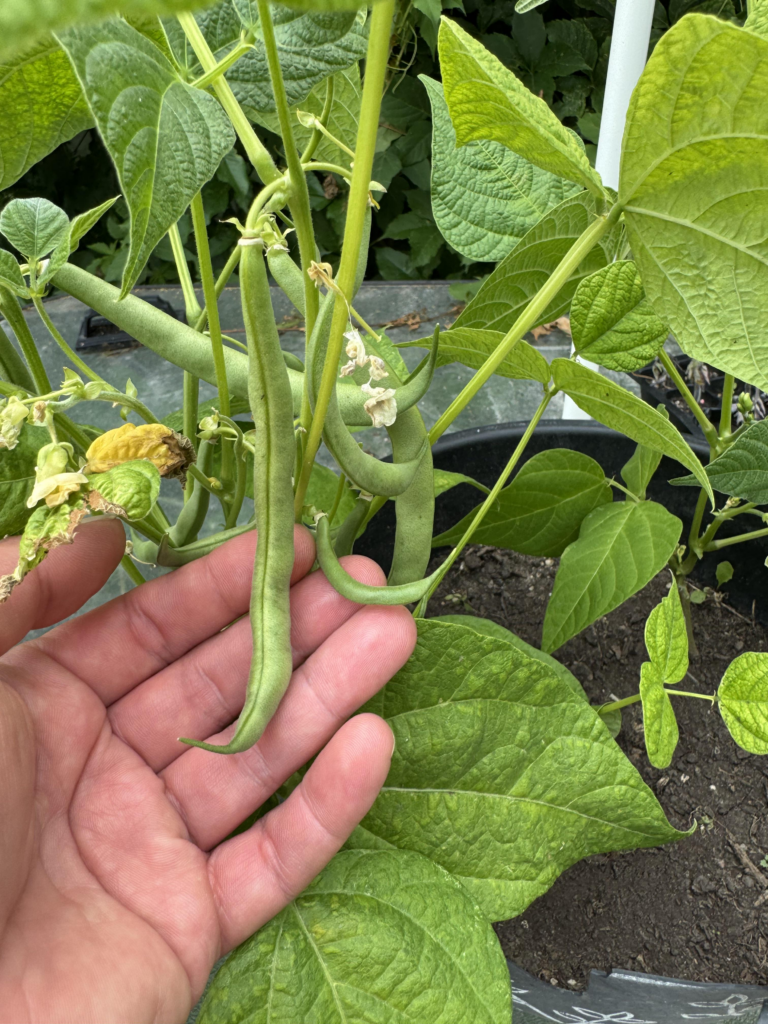
Beans and onions make terrible neighbors in the garden, and science backs this up. Onions release compounds that actually slow down bean growth, meaning you’ll get a smaller harvest from both crops.
If you’re growing bush or pole beans, keep them at least two feet away from any onion family members, including garlic, shallots, and leeks. Beans prefer rich, well-draining soil and full sun in zones 3-10.
Plant your onions in a separate bed where they won’t interfere with legumes. Your summer harvest will thank you for the extra planning.
3.) Carrots and Dill
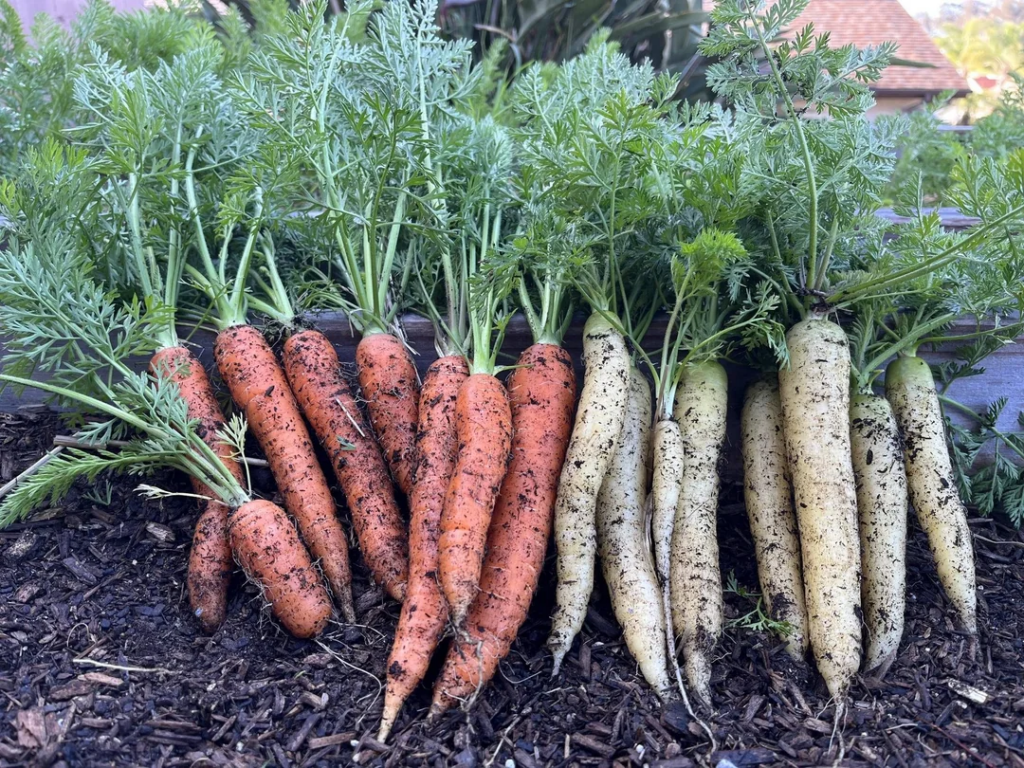
Planting carrots and dill together might seem harmless, but dill can actually stunt your carrot growth. When dill matures and goes to seed, it releases compounds that interfere with carrot root development, leaving you with small, disappointing carrots at harvest time.
If you want to grow both in your garden, keep them in separate beds at least a few feet apart. Carrots prefer loose, well-draining soil and full sun in zones 3-10, while dill thrives in similar conditions but needs its own space to avoid causing problems.
4.) Cucumbers and Sage
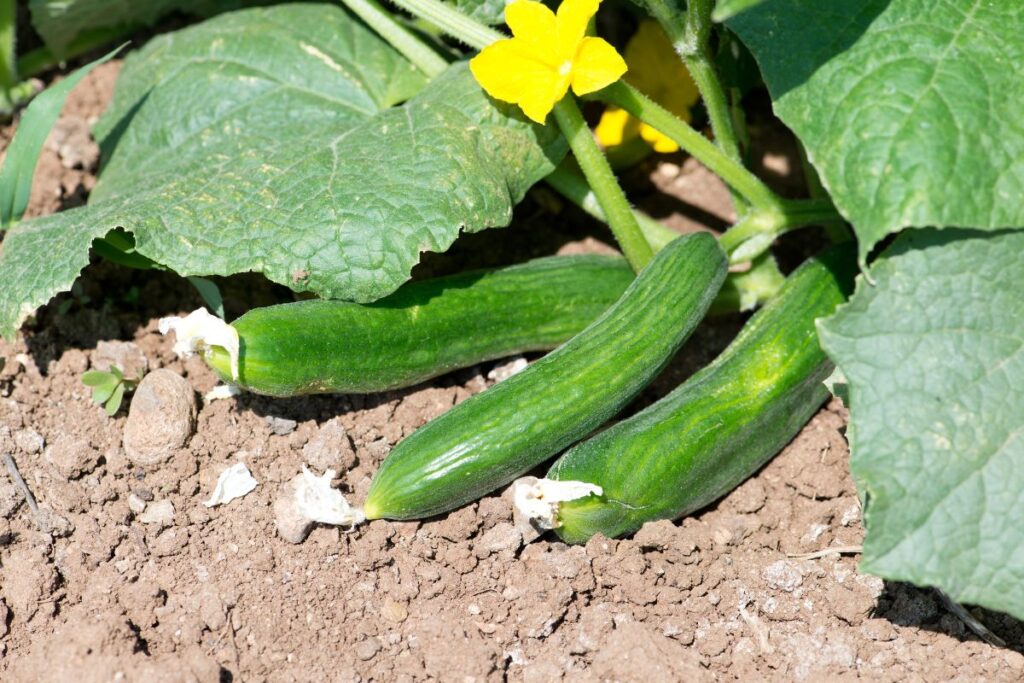
Cucumbers and sage might both be garden favorites, but they don’t get along as neighbors. Sage is a strong-scented herb that can actually slow down cucumber growth and mess with their flavor. The herb’s powerful oils seem to bother the cucumber plants.
Keep sage in your herb garden or in containers, where it thrives in well-drained soil and full sun (zones 4-8). Plant your cucumbers separately in rich, moist soil with plenty of space to sprawl. Both plants will do much better when they have their own territory.
5.) Potatoes and Tomatoes
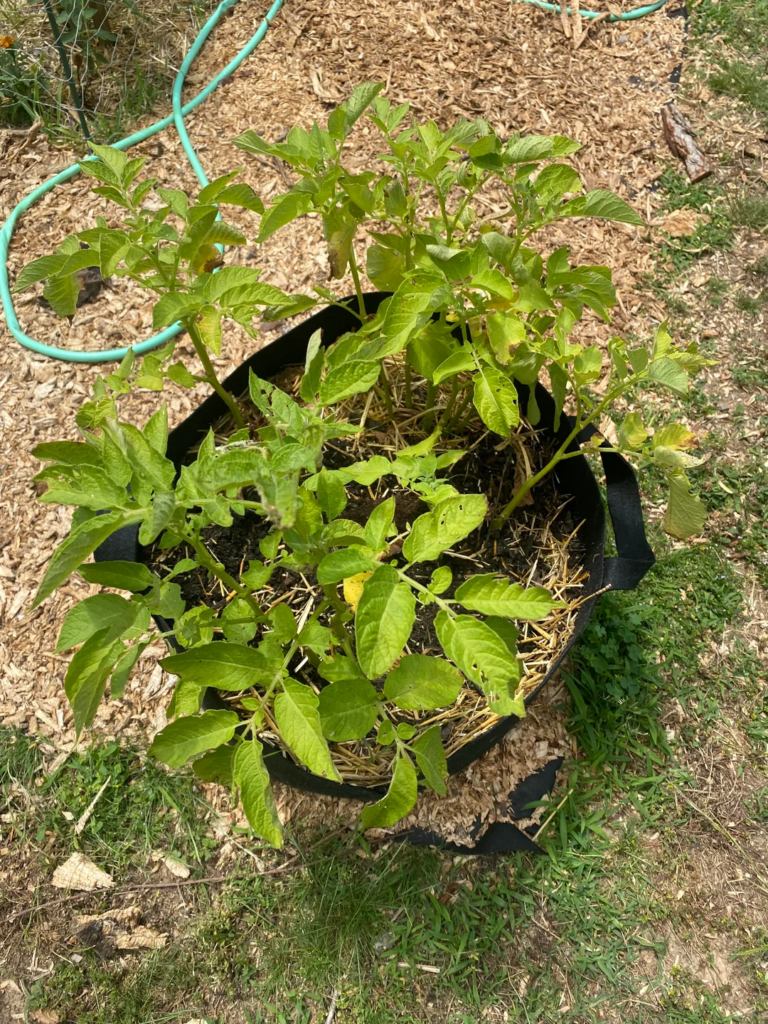
Keeping potatoes and tomatoes apart in your garden is smart planning, even though they’re both kitchen favorites. These plants belong to the same family and share the same diseases, especially late blight. When you grow them together, one infected plant can quickly spread problems to the other.
Tomatoes also release chemicals that can slow down potato growth. Plus, their similar nutrient needs mean they’ll compete for the same resources in your soil. Plant them in separate garden beds, at least 10 feet apart, to keep both crops healthy and productive throughout the growing season.
6.) Fennel and Most Vegetables

Fennel is a loner in the garden and doesn’t get along with most vegetables you’d want to grow. It releases chemicals through its roots that actually slow down the growth of nearby plants, especially tomatoes, beans, and peppers.
If you’re planning to grow fennel for its licorice-flavored bulbs or feathery leaves, give it its own space away from your main vegetable beds. Plant it in full sun with well-draining soil in zones 4-9.
Keep fennel at least three feet away from other crops to avoid stunting their growth and reducing your harvest.
7.) Peppers and Fennel
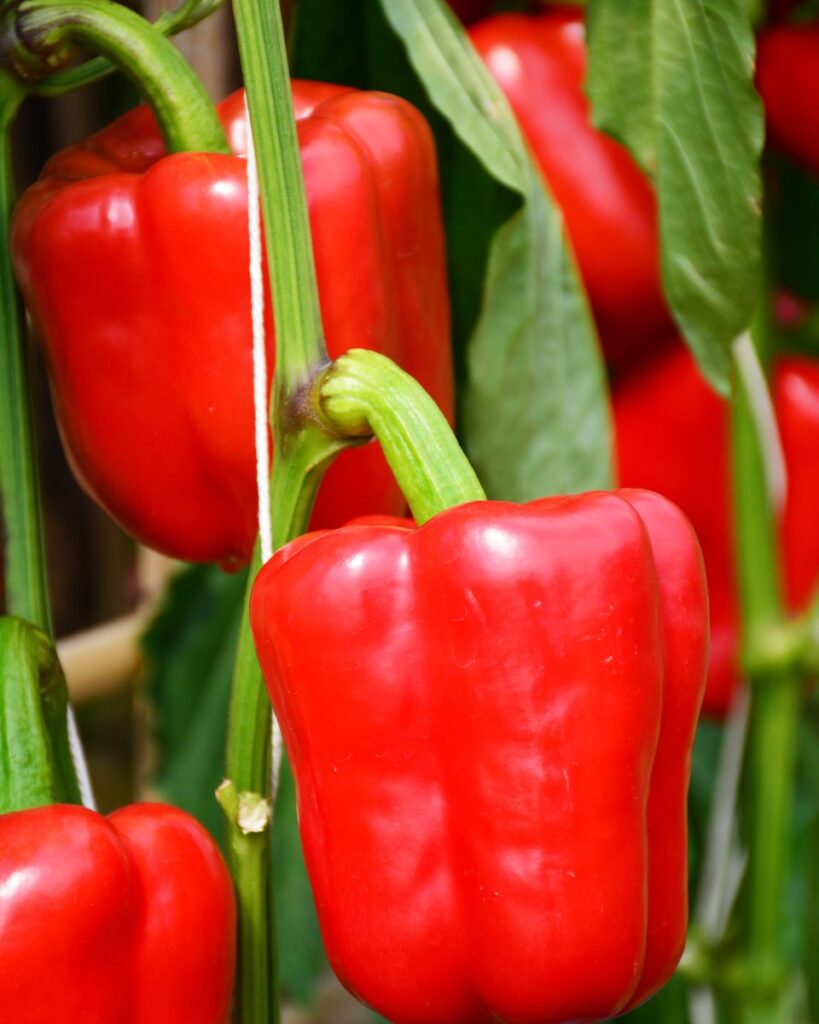
Peppers and fennel make terrible neighbors in the garden. Fennel releases chemicals through its roots that slow down pepper plant growth and reduce your harvest. The fennel basically steals nutrients and water that your peppers need to produce fruit.
Keep these two separated by at least 10 feet, or better yet, plant them in completely different garden beds. Peppers do best in warm soil with full sun (zones 9-11 for perennials, grown as annuals elsewhere), while fennel tolerates cooler conditions and partial shade.
8.) Cabbage and Strawberries
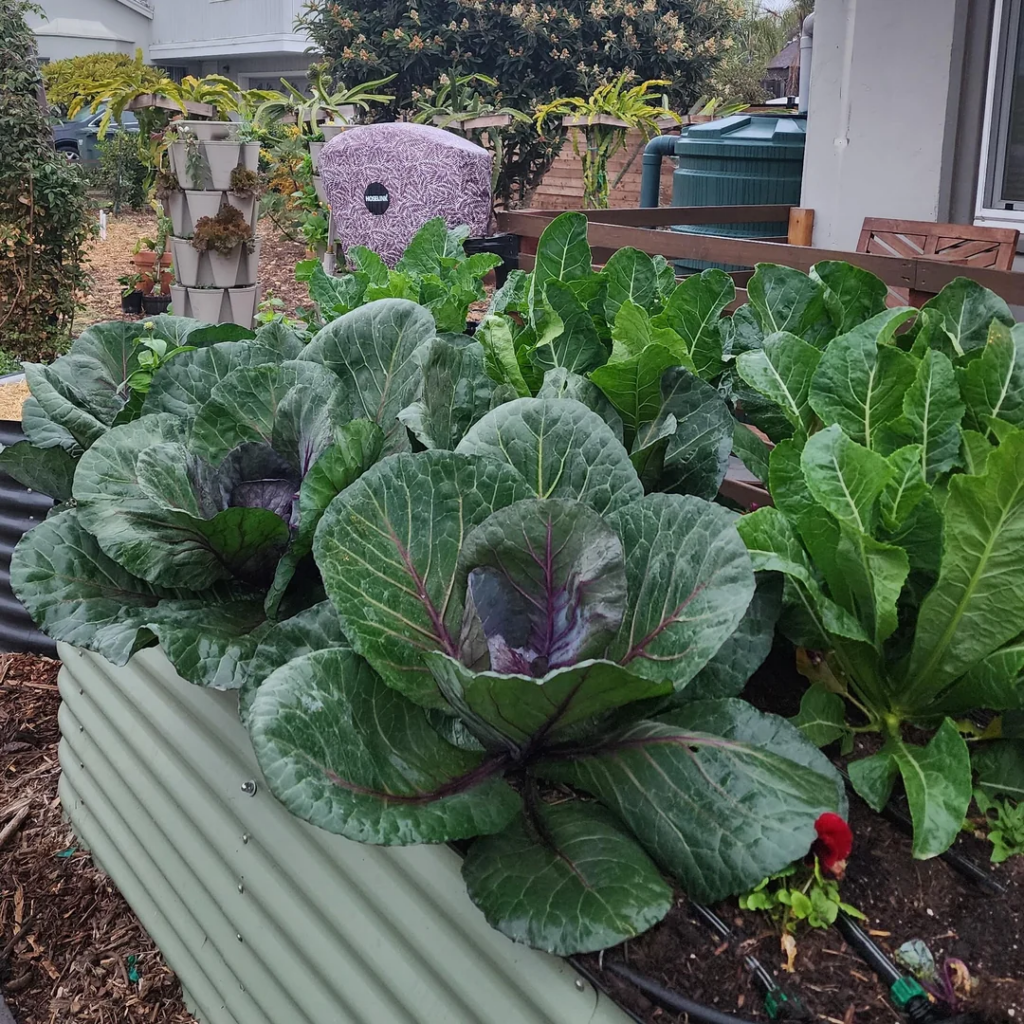
Cabbage and strawberries might seem like harmless garden neighbors, but they’re actually a terrible match. Cabbage is a heavy feeder that pulls a lot of nutrients from the soil, which leaves your strawberry plants struggling to get what they need to produce sweet fruit.
Strawberries prefer slightly acidic soil and consistent moisture, while cabbage thrives in neutral pH and needs different watering patterns. Keep these two separated by at least a few feet, or better yet, plant them in completely different garden beds to avoid competition and disappointing harvests.
9.) Sunflowers and Potatoes
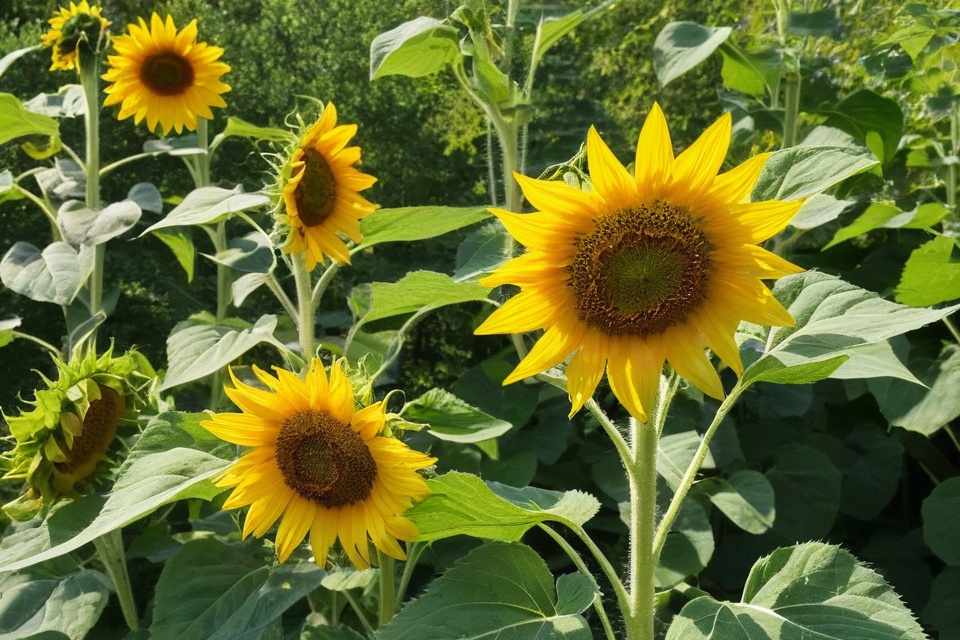
Sunflowers and potatoes make terrible neighbors in the garden, and it comes down to basic chemistry. Sunflowers release compounds from their roots that slow down potato growth and can actually stunt their development. Plus, both plants are heavy feeders that compete for the same nutrients in the soil.
If you’re growing potatoes, keep sunflowers at least 10 feet away. Your spuds need all the energy they can get to form those tubers underground, typically from spring through late summer in zones 3-10.
10.) Garlic and Beans
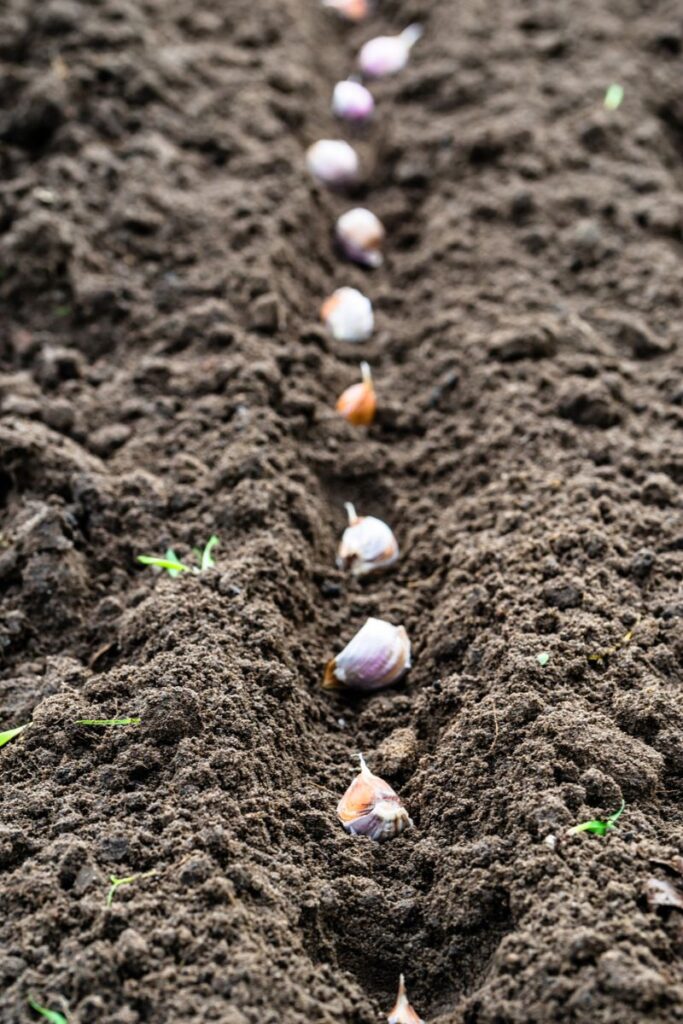
Garlic and beans don’t get along in the garden, and the reason comes down to garlic’s natural properties. Garlic releases compounds into the soil that can slow down bean growth and reduce your harvest. This affects both bush beans and pole beans equally.
If you’re growing garlic in zones 3-9, plant it in fall for a summer harvest. Keep it separate from your bean rows by at least a few feet. Beans prefer warmer soil anyway, so spacing them apart works well for both plants’ different growing seasons and needs.
11.) Corn and Tomatoes

Corn and tomatoes might seem like good garden buddies, but they actually share a common enemy: the tomato hornworm. These large green caterpillars will munch through both crops with equal enthusiasm, making your pest control job twice as hard.
Both plants are also heavy feeders that compete for the same nutrients in the soil. They need lots of nitrogen and other minerals to produce their fruit, so planting them together often results in smaller harvests for both.
Keep them in separate garden beds for better results and easier pest management.
12.) Asparagus and Onions

Asparagus and onions might seem like good garden neighbors, but they actually compete for the same soil nutrients and space. Onions have shallow roots that spread out wide, while asparagus needs plenty of room for its deep root system to develop properly.
The onions can stunt your asparagus growth and reduce your harvest. Plant asparagus in zones 3-10 during early spring, giving each crown about 18 inches of space.
Keep your onions in a separate bed where they won’t interfere with your asparagus patch.
13.) Peas and Garlic
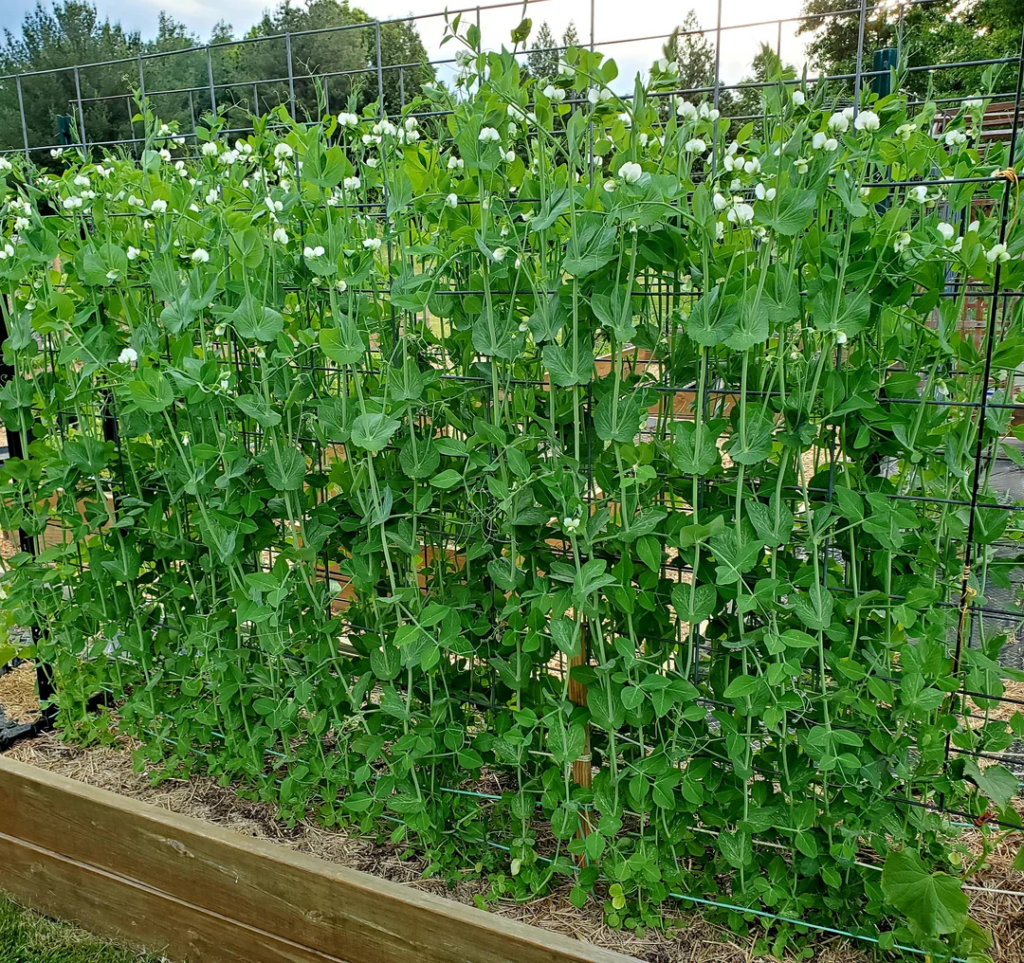
Peas and garlic might seem like good garden neighbors, but they really don’t get along. Garlic releases compounds into the soil that can actually slow down pea growth and reduce your harvest. Since peas are nitrogen-fixing plants, they prefer different soil conditions than garlic needs.
If you’re growing peas in early spring (zones 3-10), keep them at least three feet away from your garlic beds. Plant garlic in fall and peas in early spring to avoid any overlap in their growing seasons.
14.) Lettuce and Celery
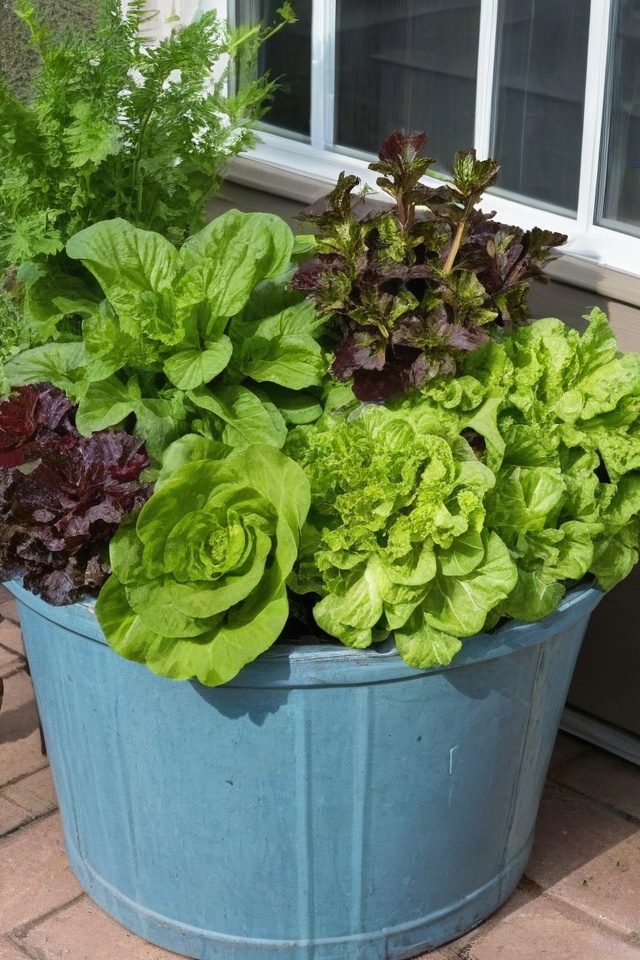
Lettuce and celery might seem like natural companions in your salad bowl, but they’re poor neighbors in the garden. Both crops are heavy feeders that compete for the same nutrients, especially nitrogen. They’ll basically fight over resources, leaving you with weak, slow-growing plants.
Celery also needs consistent moisture and takes up quite a bit of space with its spreading roots. This crowds out lettuce, which prefers cooler soil temperatures. Plant them in separate beds for better results, especially during spring and fall growing seasons.
15.) Broccoli and Tomatoes

Planting broccoli near tomatoes creates problems for both crops. Broccoli is a heavy feeder that needs lots of nitrogen to develop its heads, while tomatoes require different nutrients and can struggle when competing for the same resources.
Tomatoes also prefer warmer conditions and need full sun, but broccoli grows best in cooler weather during spring and fall. Their different growing seasons and temperature needs make them poor companions.
Keep these two separated in your garden beds. Plant broccoli with other cool-season crops like lettuce or spinach instead.
16.) Mint and Parsley
Mint is known for being an aggressive grower that spreads quickly through underground runners. When planted next to parsley, the mint will compete heavily for nutrients and can easily overtake your parsley plants. Parsley needs consistent moisture and space to develop its leaves properly.
Keep mint contained in pots or designated areas where it won’t invade neighboring plants. It thrives in zones 3-11 and prefers partial shade.
Parsley grows best in full sun to partial shade in zones 5-9 and needs well-draining soil to flourish without competition.
17.) Cauliflower and Strawberries
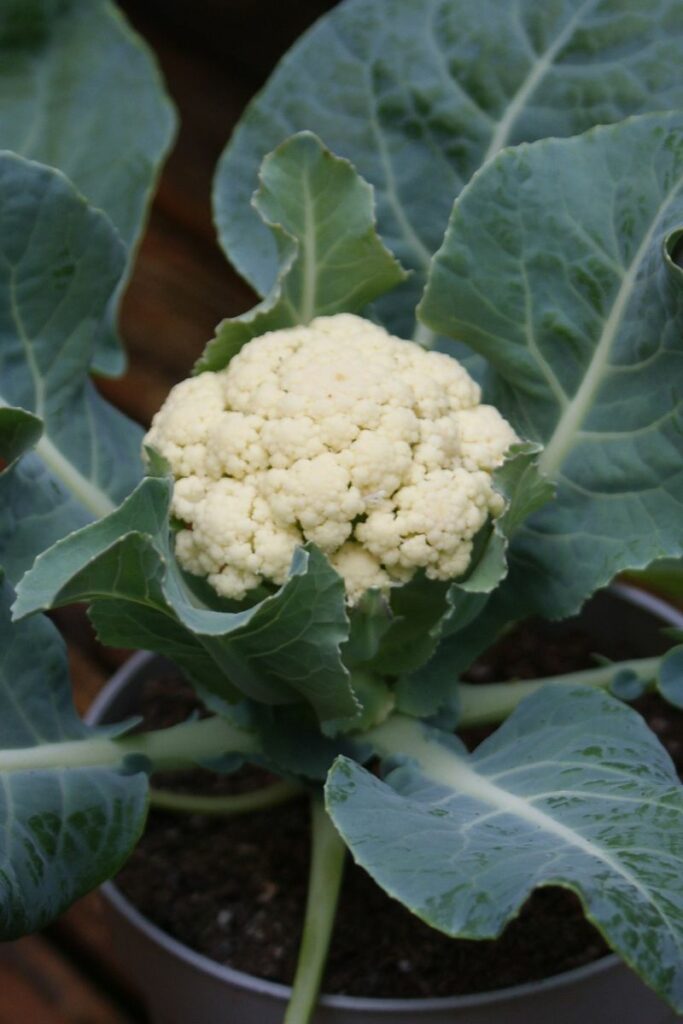
Cauliflower and strawberries compete for the same nutrients in the soil, which means both plants will struggle to grow properly. Cauliflower is a heavy feeder that needs lots of nitrogen, and strawberries require similar resources during their growing season.
Cauliflower grows best in cool weather and takes up considerable space with its large leaves. Strawberries prefer full sun and well-drained soil but won’t produce well if they’re fighting for nutrients.
Keep these two separated in your garden, planting them in different beds at least several feet apart for better yields.