We’ve all heard the advice about watering at night or cutting grass super short to save time. But here’s the thing—a lot of what people think they know about lawn care is actually wrong. Like, really wrong.
I’ve definitely fallen for some of these myths myself over the years. Turns out, some common practices we think help our lawns are doing more harm than good. Let’s clear up the confusion and get to what actually works.
1.) Shorter Grass Is Healthier
Cutting your grass super short might seem like it saves time between mows, but it actually weakens your lawn. Grass cut too low can’t develop deep roots, making it more vulnerable to drought, weeds, and disease. Most cool-season grasses do best at 3 to 4 inches tall, while warm-season varieties prefer 2 to 3 inches.
Taller grass shades the soil, which keeps moisture in and prevents weed seeds from sprouting. It also means stronger, healthier grass that can handle heat and foot traffic better.
2.) Water Every Single Day
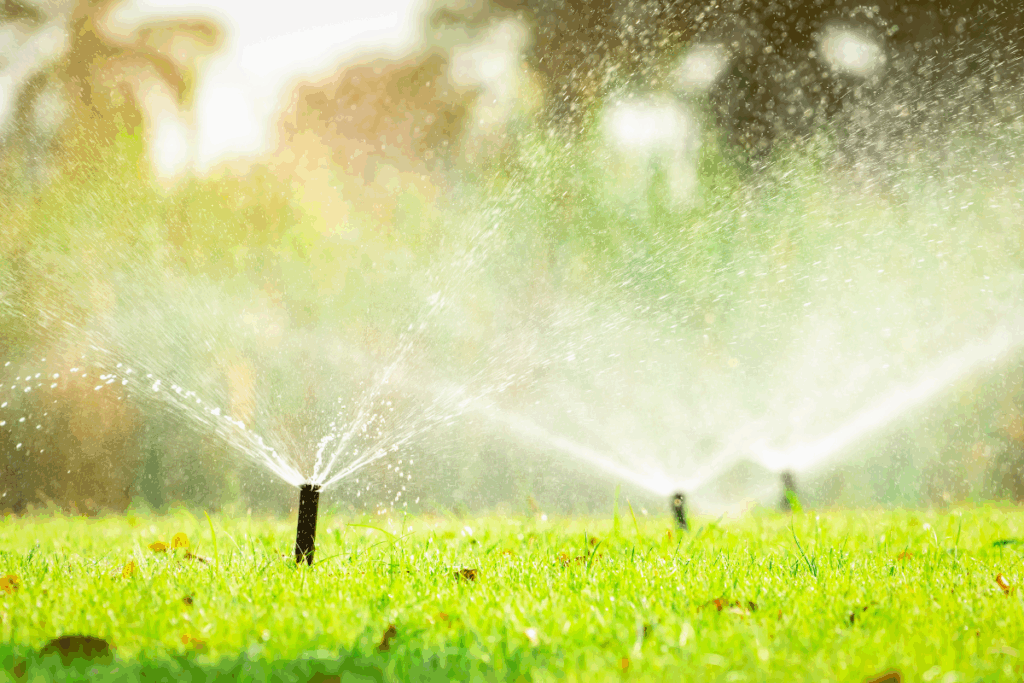
Your lawn doesn’t need water every single day, and doing so can actually harm it. Daily watering keeps the soil surface wet but doesn’t soak deep enough to encourage strong root growth. Grass develops shallow roots when watered frequently, making it weaker and less drought-resistant.
Most lawns do better with one or two deep waterings per week, getting about an inch of water total. This encourages roots to grow deeper into the soil, creating healthier grass that can handle heat and dry spells much better than daily-watered lawns.
3.) Fertilize More for Greener Lawns

More fertilizer doesn’t always mean a greener lawn. In fact, overdoing it can burn your grass and create weak, disease-prone growth that needs constant mowing. Most lawns only need fertilizing two to four times per year, depending on your grass type and region.
Focus on applying the right amount at the right times instead. Cool-season grasses benefit most from fall feeding, while warm-season varieties prefer spring and summer applications. A soil test can tell you exactly what nutrients your lawn actually needs.
4.) Clippings Cause Thatch Buildup
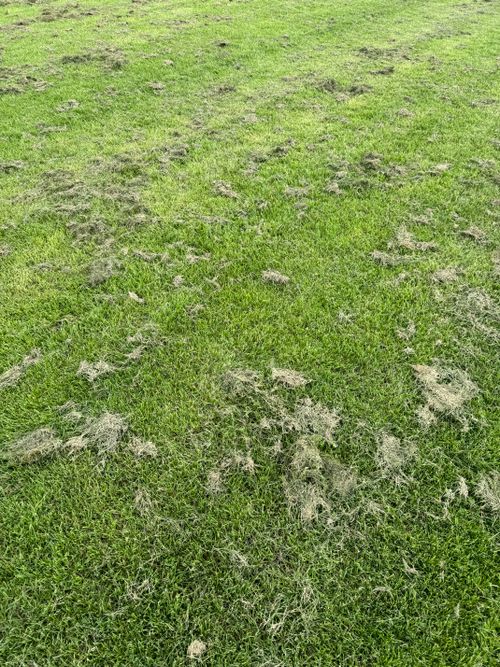
Grass clippings don’t actually cause thatch buildup, despite what many homeowners think. Thatch comes from roots, stems, and other plant parts that break down slowly. Grass clippings are mostly water and decompose quickly, adding nitrogen back to your soil.
Leaving clippings on your lawn is called grasscycling, and it’s good for your yard. Just mow regularly so the clippings stay short—long clumps can smother grass underneath.
If you notice thatch problems, look at factors like overwatering, too much fertilizer, or compacted soil instead.
5.) Sand Improves All Soil Types
Adding sand to clay soil seems like it would loosen things up and improve drainage, right? Wrong. Mixing sand into clay actually creates something closer to concrete. You need a lot of sand—we’re talking about one part clay to four parts sand—to see any real benefit.
Instead of dumping sand on your lawn, work in compost or aged manure. Organic matter breaks down over time and naturally improves soil structure, whether you’re dealing with clay, loam, or sandy soil. It’s cheaper and actually works.
6.) Morning Watering Causes Fungus
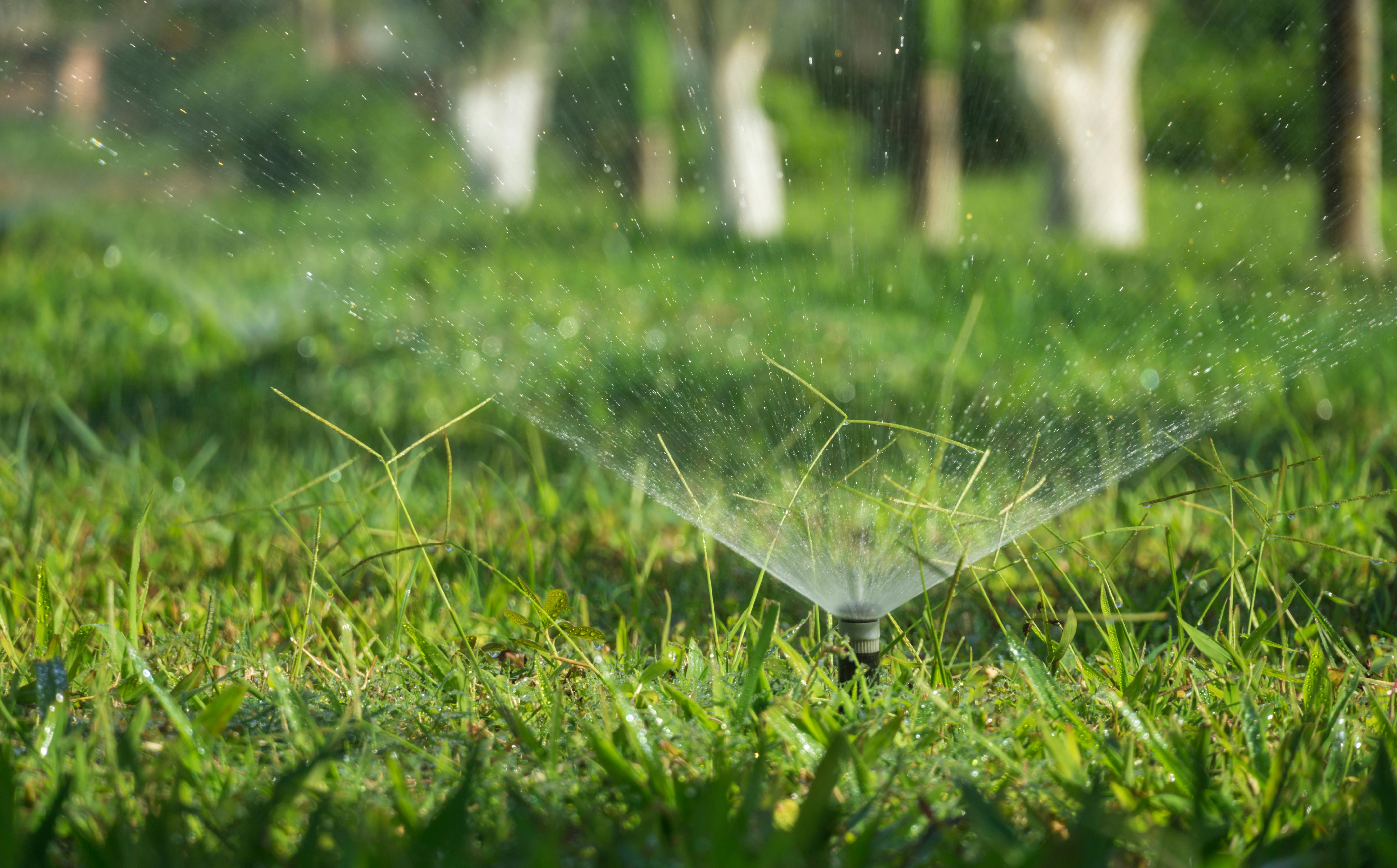
You’ve probably heard that watering your lawn in the morning leads to fungal problems, but that’s actually backwards. Morning watering is the best time because grass blades dry quickly as the day warms up. It’s evening watering that causes issues.
When you water at night, moisture sits on the grass for hours in cool, dark conditions—exactly what fungus needs to grow. Your lawn can’t dry off until sunrise, giving diseases like brown patch plenty of time to take hold.
Water between 6-10 AM for the healthiest results.
7.) Scalping Prevents Weed Growth

Scalping your lawn—cutting it way too short—won’t stop weeds from taking over. In fact, it does the opposite. When you cut grass down to the soil, you stress it out and create bare spots where weeds love to move in.
Grass needs enough height to shade the soil and block weed seeds from germinating. Most cool-season grasses do best at 2.5 to 3.5 inches, while warm-season types prefer 1.5 to 2.5 inches.
Keep your mower blades sharp and follow the one-third rule: never remove more than a third of the grass height in one cut.
8.) All Weeds Need Chemicals

Manual weeding and organic methods work just fine for most lawn problems. Pulling weeds by hand, especially after rain when the soil is soft, gets rid of dandelions and crabgrass without any sprays. You can also use corn gluten meal in early spring to prevent weed seeds from sprouting.
Mulching around garden beds stops weeds from growing in the first place. A thick layer of wood chips or shredded leaves blocks sunlight that weeds need. For stubborn weeds in cracks, boiling water or vinegar does the job too.
9.) Lime Always Reduces Acidity
Adding lime to your lawn won’t automatically fix acidity problems. Many homeowners dump lime on their grass every spring without testing their soil first, which can actually make things worse if your pH is already balanced.
Before you spread anything, get a soil test kit from your local extension office or garden center. It costs around $15 and tells you exactly what your lawn needs. Some soils are naturally alkaline and adding lime will harm your grass rather than help it.
Only apply lime if your test shows a pH below 6.0.
10.) Dethatching Should Be Annual
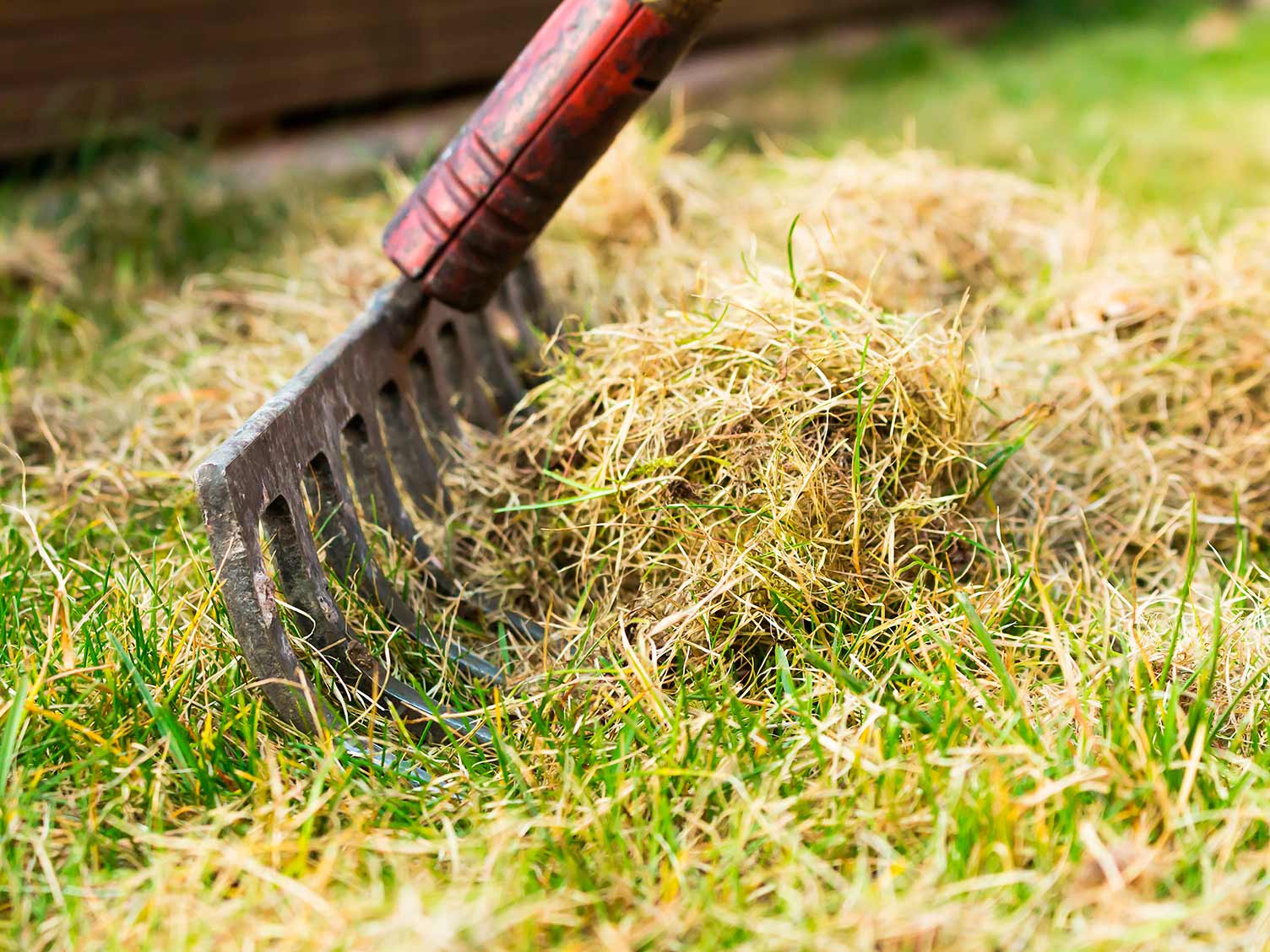
Many homeowners think they need to dethatch their lawn every single year, but that’s overkill for most yards. Dethatching is only necessary when the thatch layer exceeds half an inch thick, which typically happens every 2-3 years depending on your grass type and growing conditions.
Cool-season grasses rarely need annual dethatching, while warm-season varieties like Bermuda grass might build up thatch faster. Check your lawn by cutting a small wedge and measuring the spongy layer between grass and soil. Save yourself the work and only dethatch when actually needed.
11.) Brown Grass Is Dead
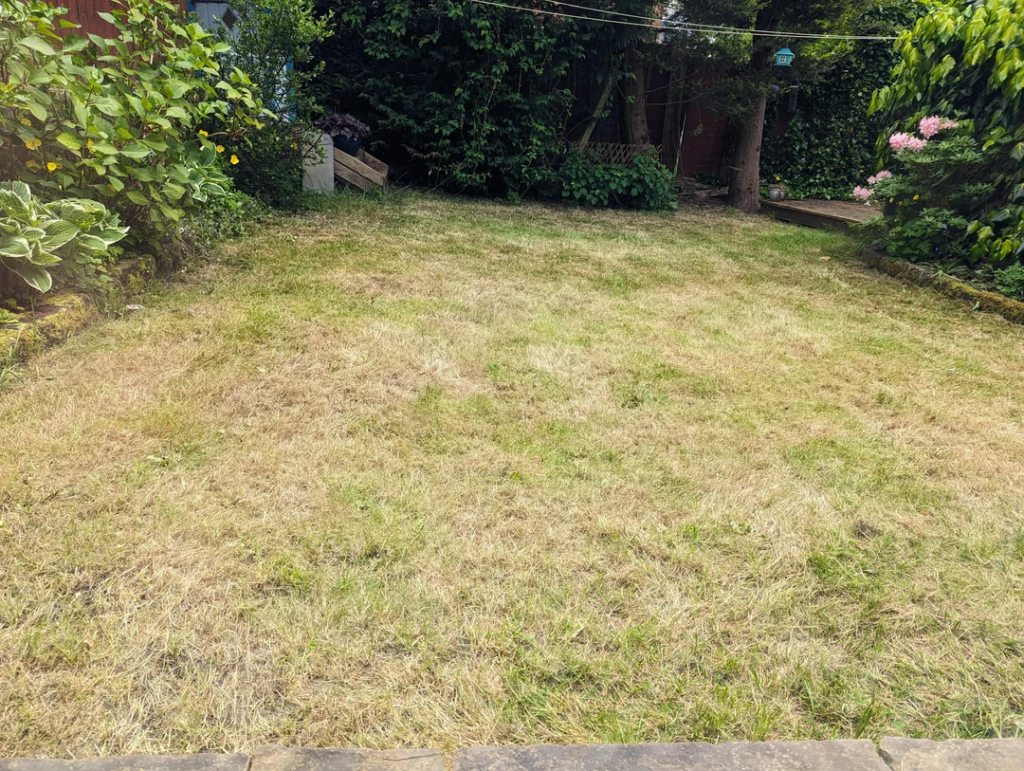
Brown grass isn’t always dead—it’s often just dormant. When temperatures soar or rainfall drops, cool-season grasses naturally go into survival mode. They stop growing and turn brown to conserve energy and water. Think of it as hibernation for your lawn.
Most dormant grass will green up again once cooler weather arrives or regular watering resumes. You can check if it’s truly dead by pulling on it—dormant grass has strong roots that resist, while dead grass pulls up easily. A simple tug test saves you from unnecessary reseeding.
12.) Professional Care Is Always Necessary

**Myth: You Need Pros for Everything**
Most homeowners can handle basic lawn care on their own without calling in expensive professionals. Mowing, watering, and applying fertilizer are straightforward tasks that just require a bit of reading and practice.
Save the pro calls for specialized jobs like major grading issues, irrigation system installations, or serious pest infestations. For regular maintenance during the growing season, you’ll do just fine with a good mower and some quality grass seed. Your wallet will thank you.
13.) Frequent Mowing Damages Grass

Actually, regular mowing helps your lawn stay healthy and thick. Cutting your grass often encourages it to grow more densely, which crowds out weeds naturally. The key is following the one-third rule: never remove more than one-third of the blade height at once.
During peak growing season in spring and early summer, most lawns benefit from weekly mowing. Set your mower blade to 2.5-3 inches for cool-season grasses and 1-2 inches for warm-season varieties. Taller grass develops deeper roots and handles drought better.
14.) Fall Fertilizing Harms Lawns

Actually, fall is one of the best times to fertilize your lawn. Grass roots keep growing even when the top growth slows down in cooler weather. A fall feeding helps roots store nutrients for winter and gives your lawn a head start come spring.
Look for a fertilizer with a good nitrogen content and apply it six to eight weeks before your first expected frost. Cool-season grasses like Kentucky bluegrass and fescue especially benefit from this timing.
Skip the fertilizer only if your ground is already frozen solid.
15.) Manual Aerating Is Useless

Manual aerating with spiked shoes or rolling tools actually does more harm than good for most lawns. Those spike-style aerators compact soil between the holes instead of removing plugs, which defeats the purpose.
Core aeration in spring or fall works well, but only if your lawn has serious compaction issues from heavy foot traffic or clay soil. Most established lawns don’t need it at all.
Save your energy and money. Focus on proper mowing height and watering instead, which help grass develop deeper roots naturally.