Ever wonder why your neighbor’s hydrangeas are bright blue while yours are pink, even though you planted the same variety? Here’s a fun secret: you can actually change the color of your hydrangeas just by tweaking a few things in your soil. It’s like magic, but it’s all science.
Whether you want to switch from pink to blue or the other way around, there are some simple tricks that make it happen. Let’s walk through the best ways to get the hydrangea color you’ve been dreaming about.
1.) Test Your Soil pH First

Before you start trying to change your hydrangea’s color, you need to know where you’re starting from. Pick up a soil pH test kit from your local garden center or order one online. They’re pretty cheap and easy to use.
Test the soil around your hydrangea in a few different spots to get an accurate reading. The results will tell you if your soil is acidic, neutral, or alkaline, which directly affects what color your blooms will be. Without this info, you’re basically guessing and wasting your time.
2.) Lower pH for Blue Blooms

If you want blue hydrangeas, you need acidic soil with a pH between 5.0 and 5.5. Test your soil first with a simple pH kit from any garden center. Most soils start out neutral or slightly alkaline, which gives you pink flowers instead.
Add aluminum sulfate or elemental sulfur to drop the pH level. Mix it into the soil around your plant’s drip line, starting in early spring. You’ll need to reapply every few months since soil naturally shifts back toward neutral over time.
3.) Raise pH for Pink Flowers

If you want to turn your blue hydrangeas back to pink, you need to raise the soil pH above 6.0. Adding garden lime or wood ash works well for this. Mix about one cup of lime into the soil around your plant in early spring.
Keep checking your soil pH with a test kit every few months. It takes time for the color change to happen, usually a full growing season or two.
Water your hydrangea regularly but don’t overdo it. The higher pH will block aluminum absorption, letting those pink tones come through naturally.
4.) Add Aluminum Sulfate for Blue

If you want to shift your hydrangea blooms from pink to blue, aluminum sulfate is your go-to solution. This powder helps lower your soil’s pH level, making it more acidic, which is what hydrangeas need to produce those blue flowers.
Mix about one tablespoon of aluminum sulfate per gallon of water and apply it to the soil around your plant. You’ll need to do this every few weeks during the growing season.
Start treatments in early spring for best results, and be patient—the color change might take a full season to show up.
5.) Apply Garden Lime for Pink

If you want your hydrangeas to stay pink or shift from blue to pink, garden lime is your go-to solution. It raises the soil pH above 6.5, which makes it harder for the plants to absorb aluminum. Without that aluminum, the blooms turn pink instead of blue.
Apply lime in early spring or fall when the plant isn’t actively blooming. Spread it around the base according to package directions, usually about one cup per plant. Water it in well and retest your soil every few months to track the pH changes.
6.) Use Sulfur to Acidify Soil

Sulfur is one of the most reliable ways to lower your soil’s pH and turn pink hydrangeas blue. You’ll want to apply elemental sulfur in early spring, working it into the soil around your plant’s drip line. Follow package directions carefully since too much can harm your hydrangea.
The process takes time—sometimes several months—so be patient. Test your soil pH regularly to track progress. You’re aiming for a pH between 5.0 and 5.5 for those pretty blue blooms to develop.
7.) Add Coffee Grounds Regularly
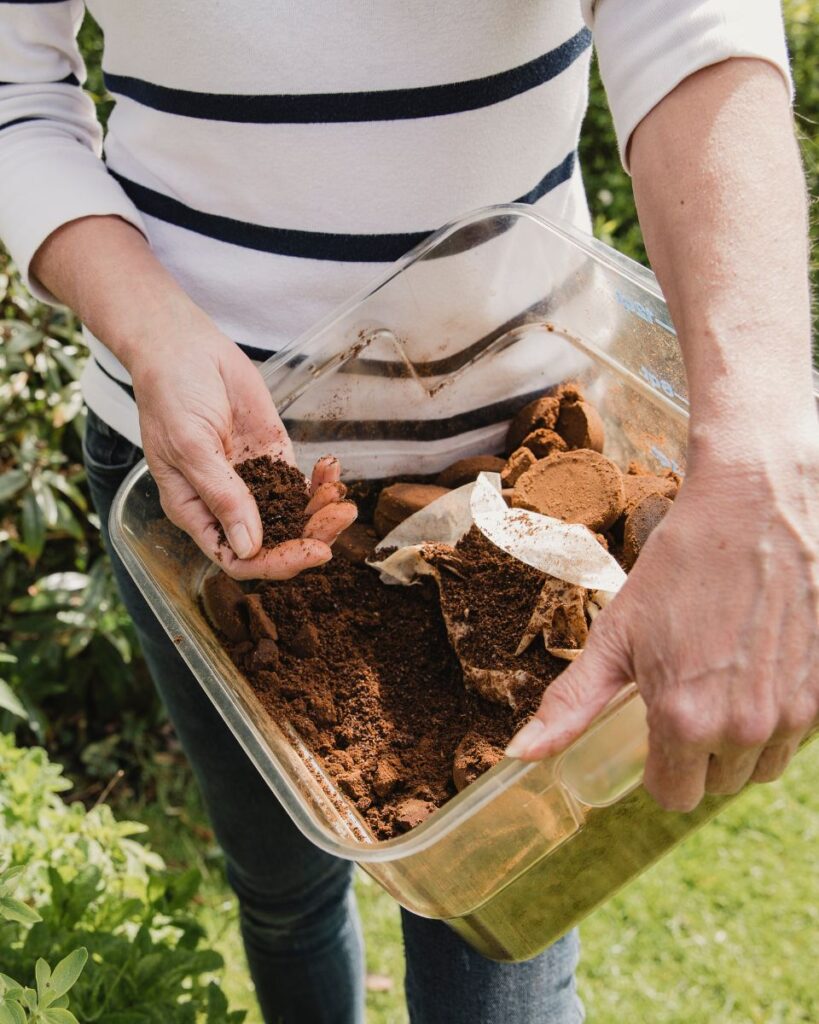
Coffee grounds work like a slow-release acidifier for your soil, which is exactly what you need to shift hydrangeas toward blue. Sprinkle used grounds around the base of your plant every few weeks during the growing season, from spring through summer.
The nitrogen in coffee grounds also feeds your hydrangeas as they break down. Just make sure not to pile them too thick – a thin layer works better and won’t create a crusty barrier. Mix them lightly into the top inch of soil for best results.
8.) Incorporate Peat Moss Deep

Peat moss works like magic when you’re trying to shift hydrangeas toward blue. Mix it deep into the soil around your plant’s root zone, going down at least 12 inches if you can. The acidic nature of peat moss helps lower your soil’s pH over time, which is exactly what you need for those blue blooms.
Apply a 2-3 inch layer and work it in during early spring or fall. You’ll need to reapply every year or two since peat moss breaks down naturally. It’s a slow process, but it keeps your soil conditions stable.
9.) Avoid Phosphorus-Heavy Fertilizers
When you’re trying to shift your hydrangea’s color, phosphorus can actually work against you. It makes aluminum less available to the plant, which is what you need for those blue blooms. Stick with fertilizers that have low or zero phosphorus content—check the middle number on the package.
A good option is a formula like 10-0-10 or something similar. Apply it according to package directions during the growing season, typically spring through early summer. This helps your soil amendments do their job more effectively, whether you’re chasing blue or pink flowers.
10.) Water With Acidic Solutions

If you want blue hydrangeas, you need to make your soil more acidic. Mix aluminum sulfate or sulfur into water according to package directions and apply it around the base of your plant every few weeks during the growing season.
Coffee grounds and diluted vinegar work too, though they’re slower. Start this process in early spring before buds form for best results.
Check your soil pH with a test kit first. You’re aiming for a pH between 5.0 and 5.5 to get those deep blue blooms.
11.) Mulch With Pine Needles

Pine needles make great mulch for hydrangeas since they’re naturally acidic. As they break down, they gradually lower your soil’s pH level, which is exactly what you need to shift pink blooms toward blue. Spread a layer about two to three inches thick around the base of your plants.
You can collect fallen needles from under pine trees or buy them in bales at garden centers. Apply fresh pine needle mulch each spring and fall. The process takes time, so don’t expect overnight results. Keep testing your soil pH every few months to track your progress.
12.) Choose Changeable Hydrangea Varieties
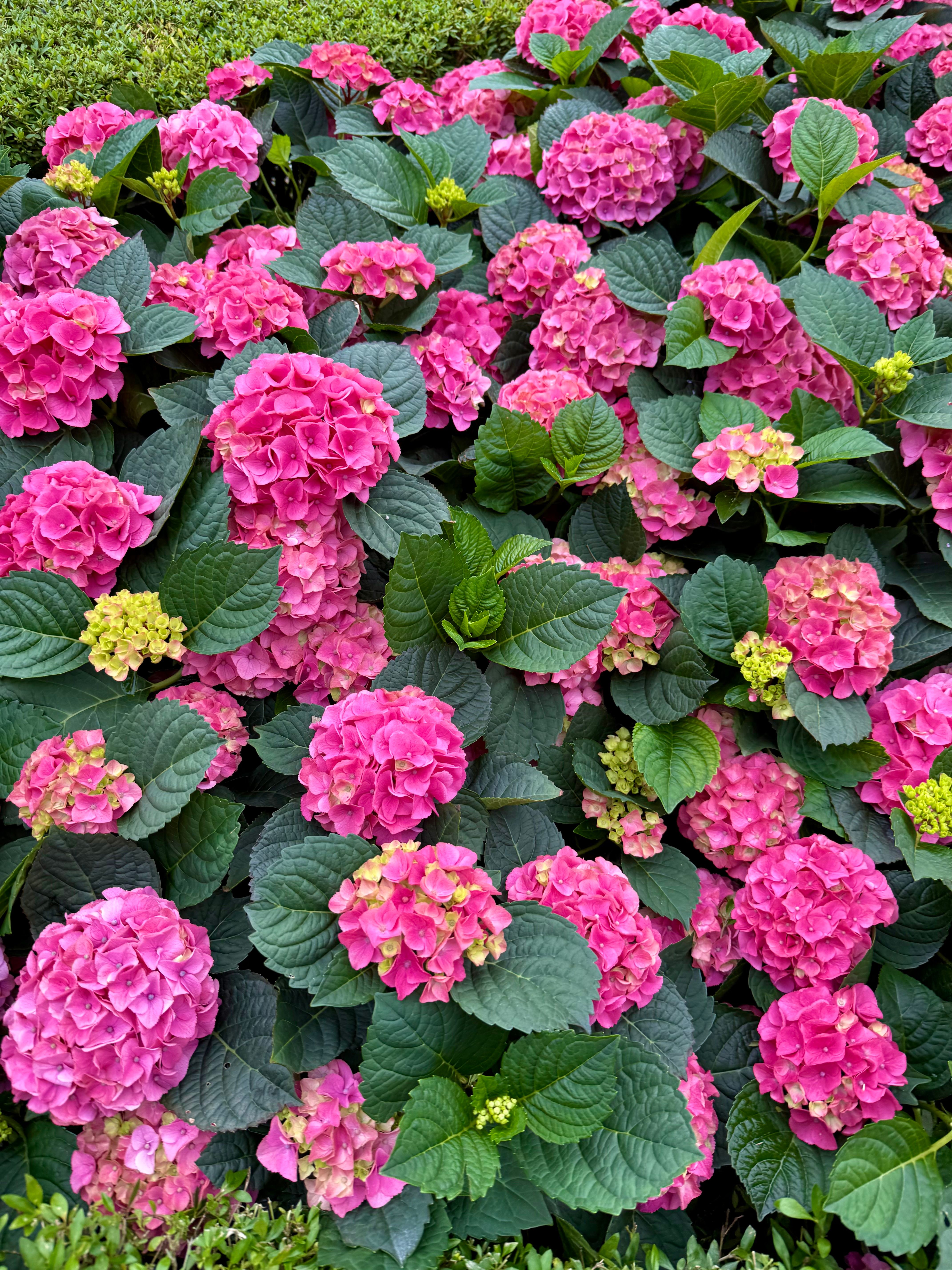
Not all hydrangeas can change color, so pick the right type from the start. Bigleaf hydrangeas (Hydrangea macrophylla) are your best bet since they actually respond to soil pH changes. French hydrangeas and mophead varieties work well too.
White hydrangeas and oakleaf types won’t change no matter what you do to the soil, so skip those if color-changing is your goal. Stick with pink or blue bigleaf varieties that grow in zones 5-9, and you’ll have success adjusting their colors with soil amendments.
13.) Start Adjustments in Early Spring
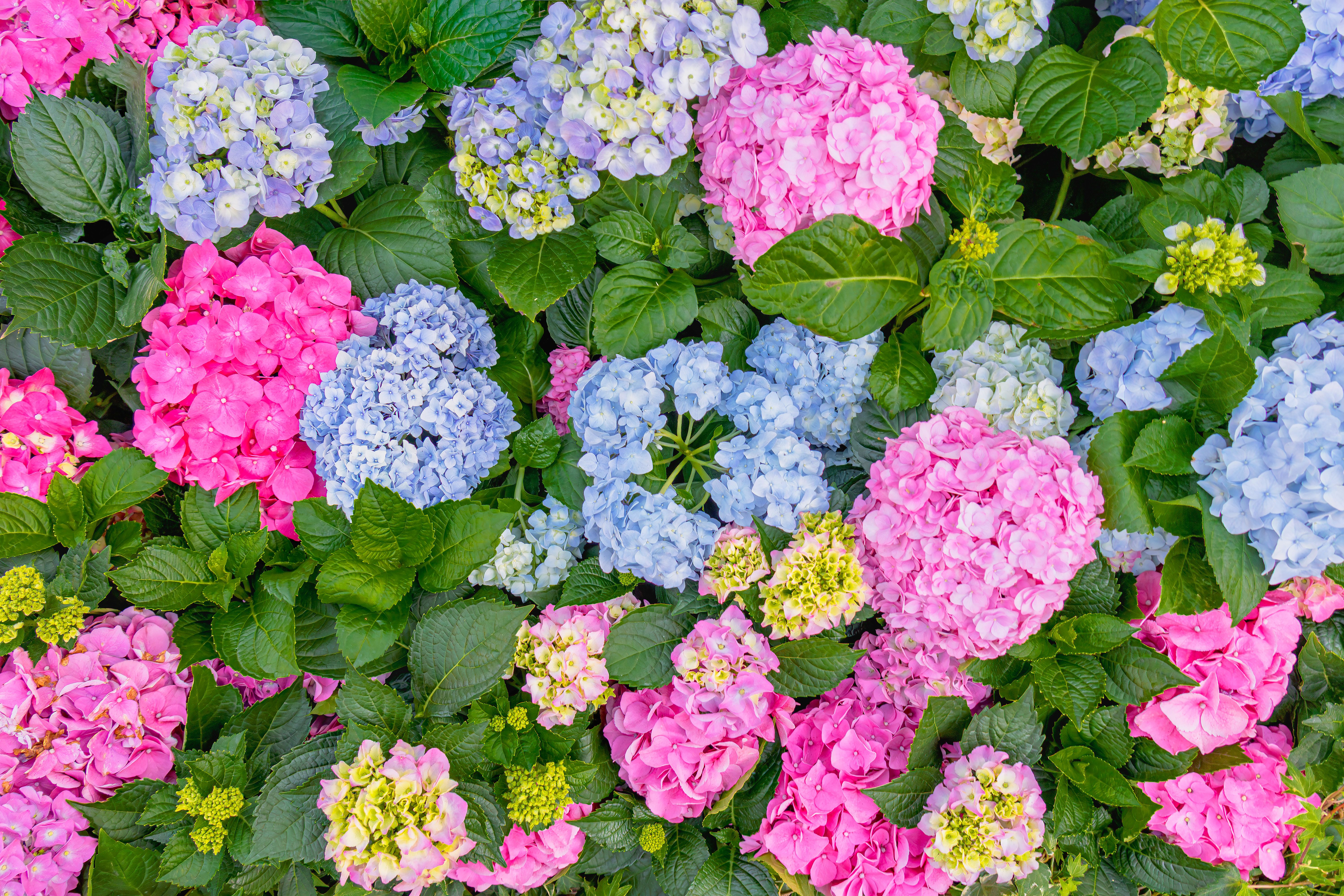
Timing matters when you’re trying to change your hydrangea’s color. Begin making adjustments to your soil in early spring, right when new growth starts to appear. This gives your plant the entire growing season to absorb the nutrients it needs.
Start testing your soil pH in March or April, depending on your climate. For pink hydrangeas, you’ll want to raise the pH above 6.5. For blue blooms, aim to lower it between 5.2 and 5.5.
Apply your amendments every few weeks throughout spring for the best results.
14.) Monitor pH Every Few Months

Testing your soil’s pH level regularly helps you keep track of whether your color-changing efforts are actually working. Pick up an inexpensive soil test kit from your local garden center and check the pH every two to three months during the growing season.
If the numbers aren’t moving in the right direction, you’ll know to adjust your amendment schedule. Keep a simple log in your phone or garden journal so you can spot trends over time.
Regular monitoring takes the guesswork out of the process and prevents you from over-treating your soil.
15.) Apply Amendments Gradually Over Time

Changing your hydrangea’s color isn’t an overnight project. You’ll need to add your soil amendments in small doses over several weeks or months. Think of it like adjusting your garden’s pH gradually rather than shocking the plant with a sudden change.
Start with a light application of aluminum sulfate for blue flowers or lime for pink ones. Wait two to three weeks, then add another round. Keep testing your soil pH between applications.
Most hydrangeas respond best when you make these changes during their active growing season in spring and early summer.
16.) Water Deeply After Each Application

After you add your soil amendments, grab the hose and give your hydrangea a good soak. Deep watering helps the aluminum sulfate or lime penetrate down to the root zone where it can actually do its job. A light sprinkle on top won’t cut it.
Water slowly until the soil is moist about 6 to 8 inches deep. You can check by sticking your finger in the ground near the plant. This practice also prevents the amendments from just sitting on the surface, which won’t change your flower color at all.
17.) Use Rainwater When Possible

Rainwater has a natural acidity that tap water often lacks, making it perfect for adjusting your hydrangea’s color. If you’re trying to shift blooms toward blue, rainwater gives you a head start since it typically has a lower pH than treated municipal water.
Set up a rain barrel near your downspout to collect water during storms. Let it sit at room temperature before watering your hydrangeas. This simple switch can make your color-changing efforts more effective, especially in areas where tap water is particularly alkaline or contains minerals that interfere with aluminum uptake.
18.) Avoid Quick-Fix Color Additives

You might see products at garden centers that promise instant color changes for your hydrangeas. Skip these quick fixes. They usually don’t work well and can mess with your soil chemistry in ways that hurt your plants long-term.
The better approach takes a few months but gives you lasting results. Adjust your soil pH gradually using aluminum sulfate for blue flowers or garden lime for pink ones. Test your soil first, then make small changes throughout the growing season.
Your hydrangeas will thank you with healthy blooms that actually stick around year after year.
19.) Be Patient Through Transition Period

Changing your hydrangea’s color won’t happen overnight. It usually takes about a month or two before you start seeing noticeable results, and sometimes it can take a full growing season. Don’t panic if your blooms look patchy or strange during this time—that’s completely normal.
Keep up with your soil treatments and watering schedule even when things look weird. The color shift happens gradually as your plant absorbs the adjusted nutrients from the soil. Some flowers might even display both colors at once before fully transitioning.
20.) Maintain Consistent Soil Moisture
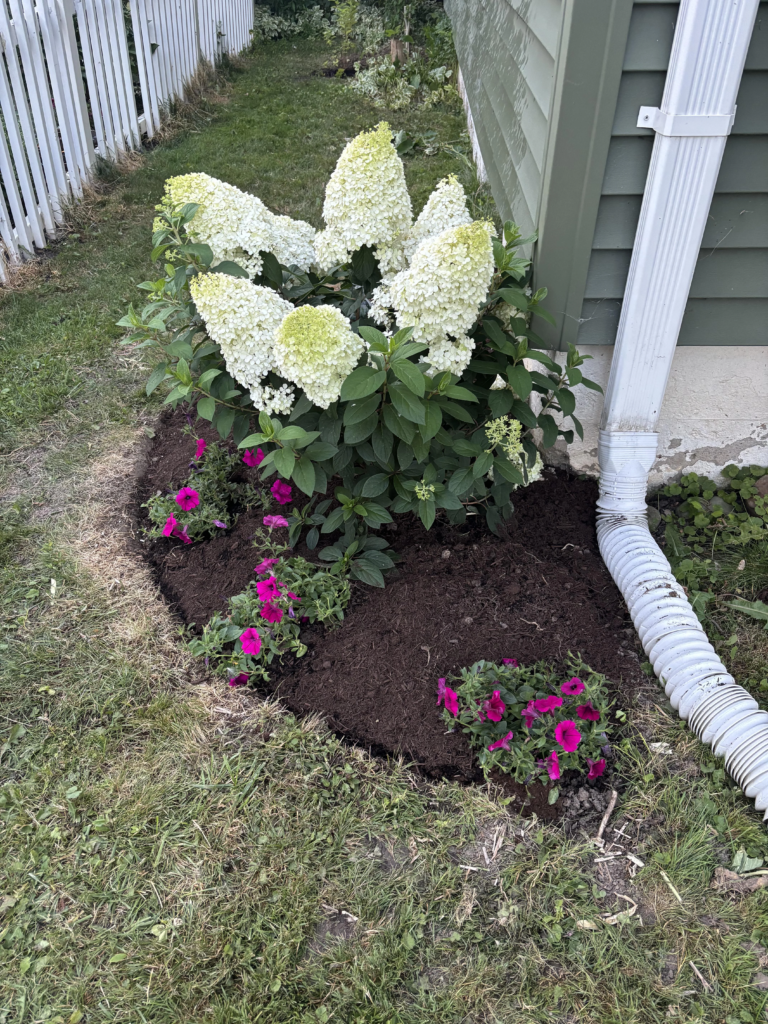
Keeping your soil evenly moist is important when you’re trying to change your hydrangea’s color. Dry soil can stress the plant and mess with the color-changing process you’re working so hard to achieve.
Water your hydrangeas deeply once or twice a week, depending on rainfall and temperature. The soil should feel like a wrung-out sponge—damp but not soggy.
Add a 2-3 inch layer of mulch around the base to help retain moisture. Check the soil regularly during hot summer months, as hydrangeas are known for wilting quickly when they get too dry.