Let’s be honest — not all of us have time to fuss over our gardens every single day. If you’ve ever watched plants wilt and thought “well, there goes another one,” you’re definitely not alone.
The good news is that some plants practically take care of themselves, even when the rain decides to disappear for weeks. Here are 20 perennials that laugh in the face of dry weather and keep coming back year after year.
1.) Sedum (Stonecrop)
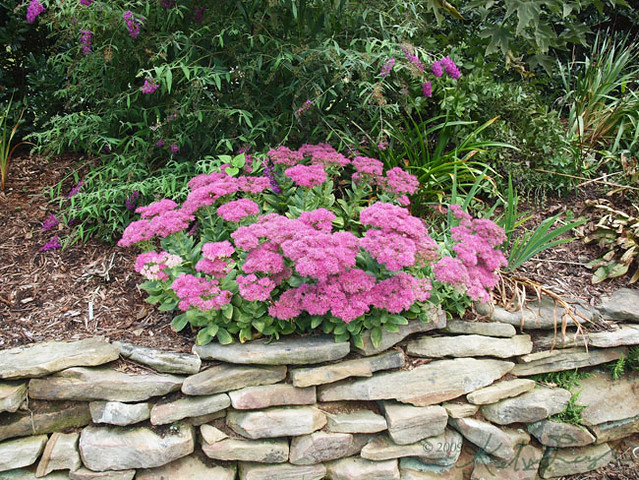
Sedum, also called stonecrop, is basically the plant that thrives on neglect. It stores water in its thick, fleshy leaves, so it handles dry spells without any fuss. Plant it in full sun and well-drained soil, and you’re mostly done.
It works well in rock gardens, borders, or containers. Hardy in zones 3–9, sedum blooms in late summer to fall, attracting bees and butterflies. Just cut it back in early spring, and it’ll come back happy every year.
2.) Russian Sage
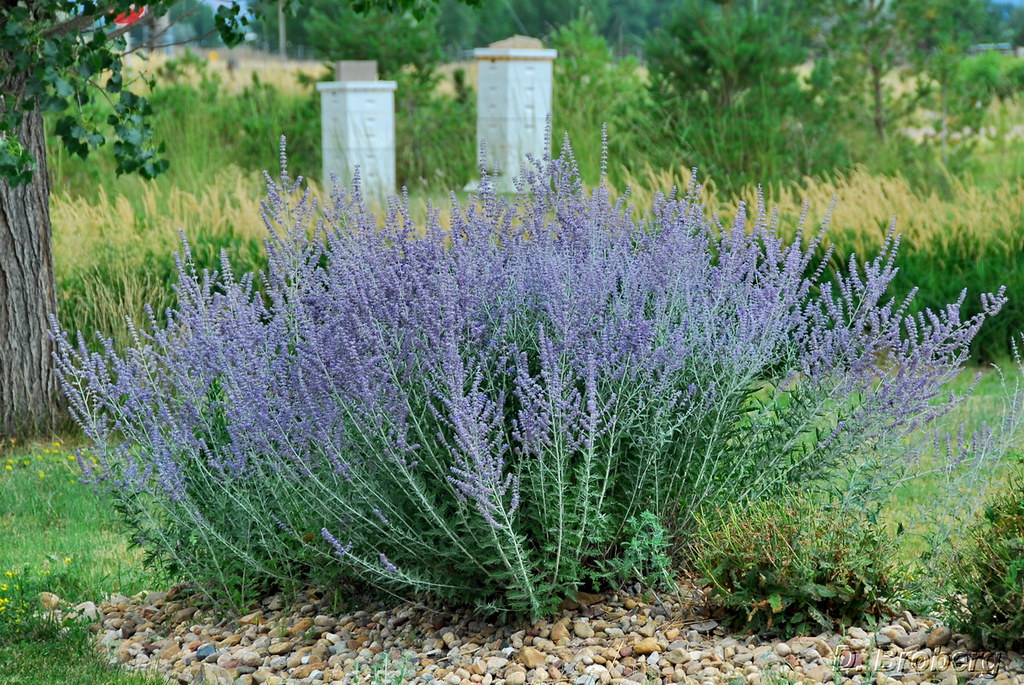
Russian Sage is basically the gift that keeps on giving. It sends up tall, wispy stems covered in tiny lavender-blue flowers from midsummer all the way into fall, and pollinators absolutely love it.
It thrives in full sun and well-drained soil, and once it’s established, it barely needs any water at all. It’s hardy in zones 4–9, so it can handle both cold winters and hot summers without much fuss.
Cut it back hard in early spring, and that’s pretty much it.
3.) Lavender

Lavender is one of those plants that basically thrives on neglect. It loves full sun and well-drained soil, and once it’s established, you can pretty much forget about watering it. It’s hardy in zones 5–8 and blooms beautifully in late spring through summer.
Just give it a light trim after flowering to keep it from getting too woody. Skip the fertilizer — rich soil actually makes it leggy. Plant it near a path so you can brush against it and enjoy that familiar scent.
4.) Yarrow

Yarrow is one of those plants that practically takes care of itself. It thrives in full sun and poor, dry soil — so if you tend to forget watering duties, this plant won’t hold it against you. Hardy in zones 3–9, it comes back reliably every year.
The flat-topped flower clusters bloom from late spring through summer and work great as cut flowers. Just divide the clumps every few years to keep things tidy, and you’re basically done.
5.) Black-Eyed Susan

Black-Eyed Susans are cheerful yellow flowers with dark centers that bloom from midsummer all the way into fall. They’re a go-to choice for gardeners who don’t want to fuss, since they handle heat and dry soil without complaining.
Plant them in full sun and well-drained soil, and they’ll basically take care of themselves. They’re hardy in zones 3–9 and come back year after year.
As a bonus, birds love the seed heads, so skip deadheading and let nature do its thing.
6.) Coneflower (Echinacea)
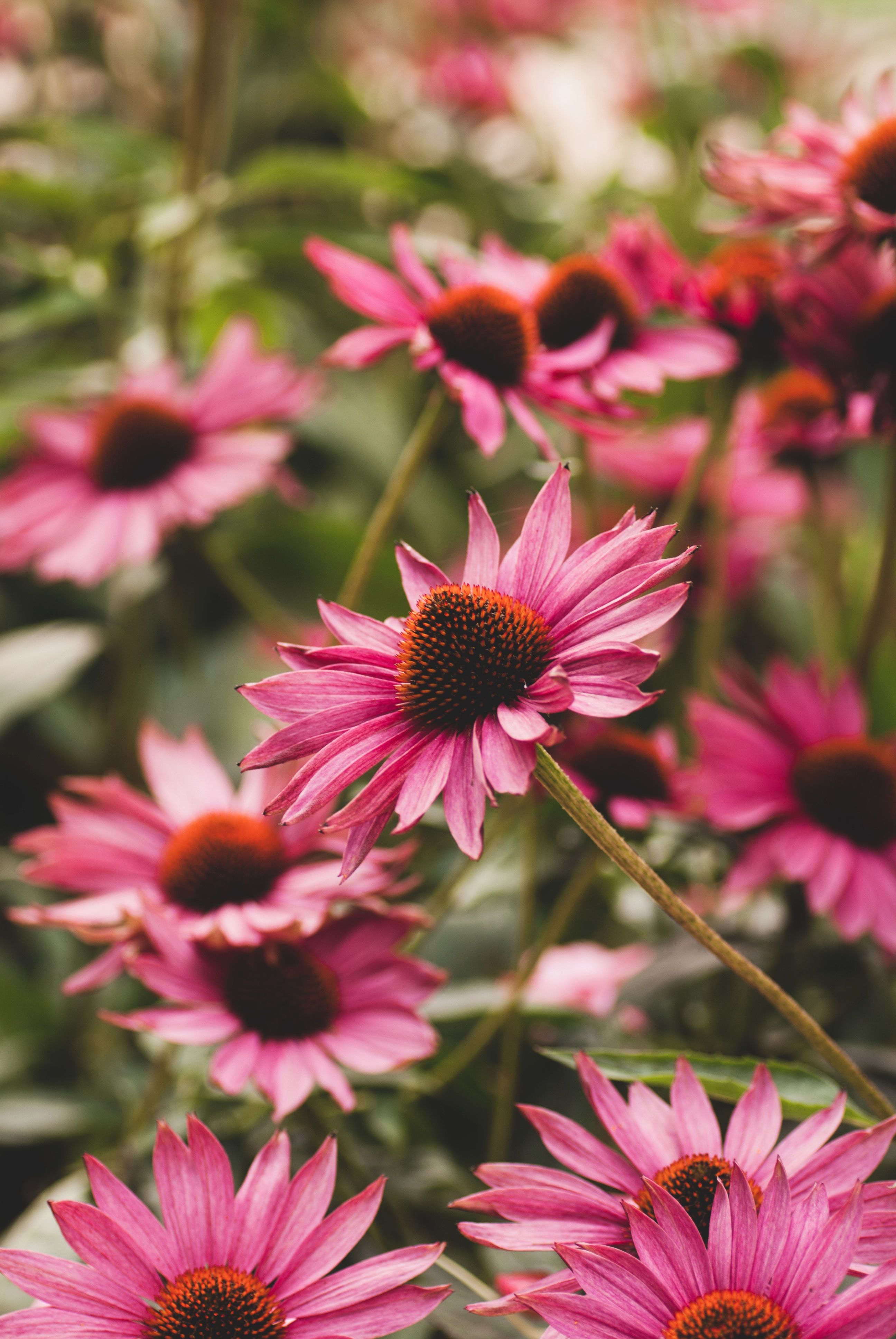
Coneflowers are tough, cheerful natives that basically take care of themselves once they get settled. They bloom in shades of pink, purple, and white from midsummer into fall, and pollinators absolutely love them.
Plant them in full sun and well-drained soil, and then mostly leave them alone. They handle heat and dry spells without much fuss. Hardy in zones 3–9, they also come back reliably every year, spreading slowly into larger clumps over time.
7.) Blanket Flower (Gaillardia)
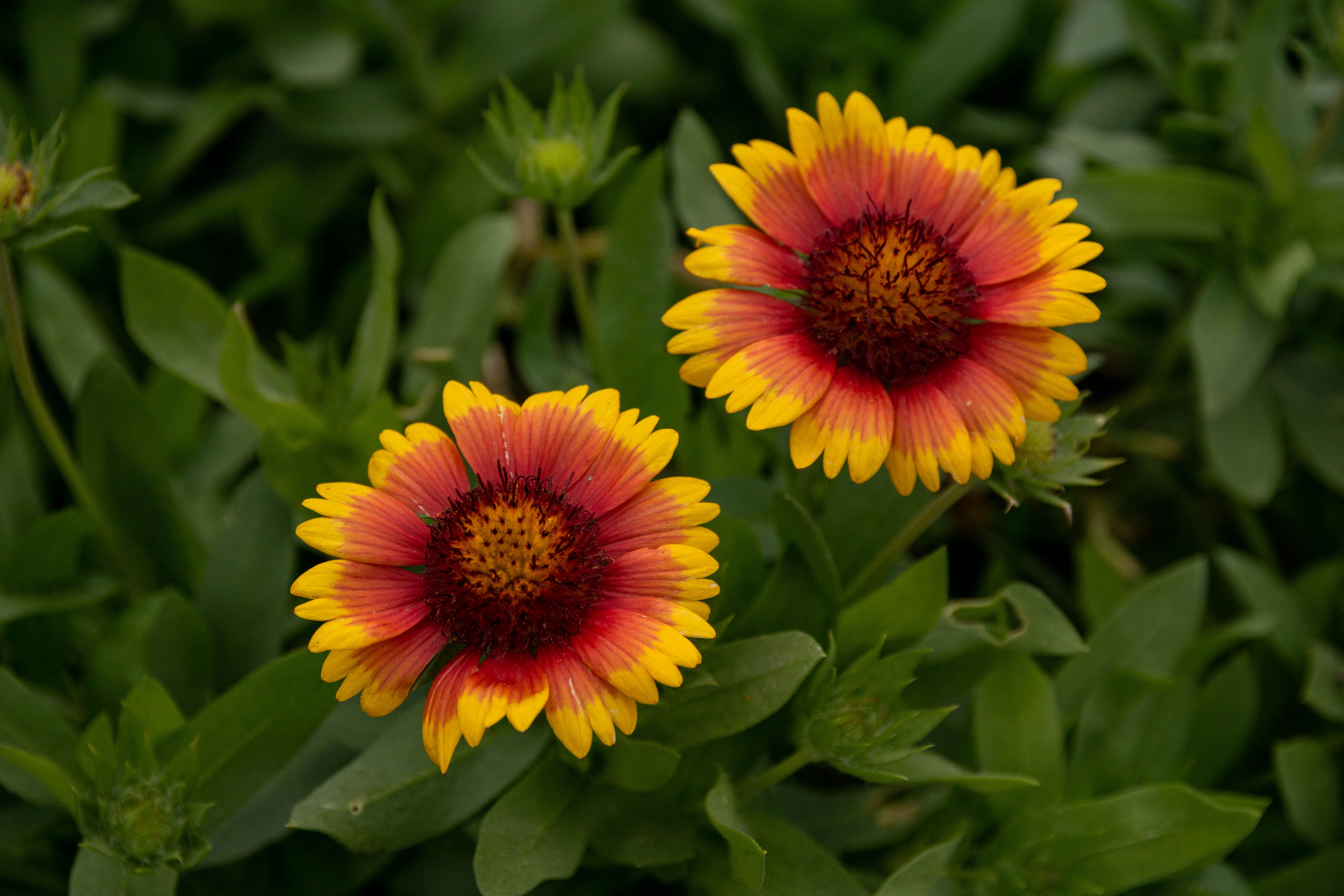
Blanket Flower is basically a gift for anyone who forgets to water their garden. It loves hot, dry conditions and will keep pushing out cheerful red and yellow blooms from early summer all the way to fall. Hardy in zones 3–10, it’s one tough little plant.
Plant it in full sun and well-drained soil, and then just walk away. It doesn’t need fertilizer or much attention at all. Just deadhead spent flowers occasionally to keep the blooms coming all season long.
8.) Catmint (Nepeta)
Catmint is one of those plants you can basically ignore and it’ll still look great. It puts out waves of soft purple-blue flowers from late spring through summer, and if you cut it back after the first bloom, it’ll flower again. Bees absolutely love it.
It grows well in zones 3–8 and thrives in full sun with dry or average soil. Once established, it handles drought like a champ. No fussing, no babying — just plant it and let it do its thing.
9.) Salvia (Sage)

Salvia is one of those plants that practically takes care of itself. It loves full sun and well-drained soil, and once it’s established, it can go weeks without water. Perfect for forgetful gardeners.
Most varieties are hardy in zones 4–9 and bloom from late spring through fall, drawing in bees and butterflies along the way. Just cut it back in early spring to keep it tidy, and it’ll come back fuller than before.
10.) Coreopsis (Tickseed)
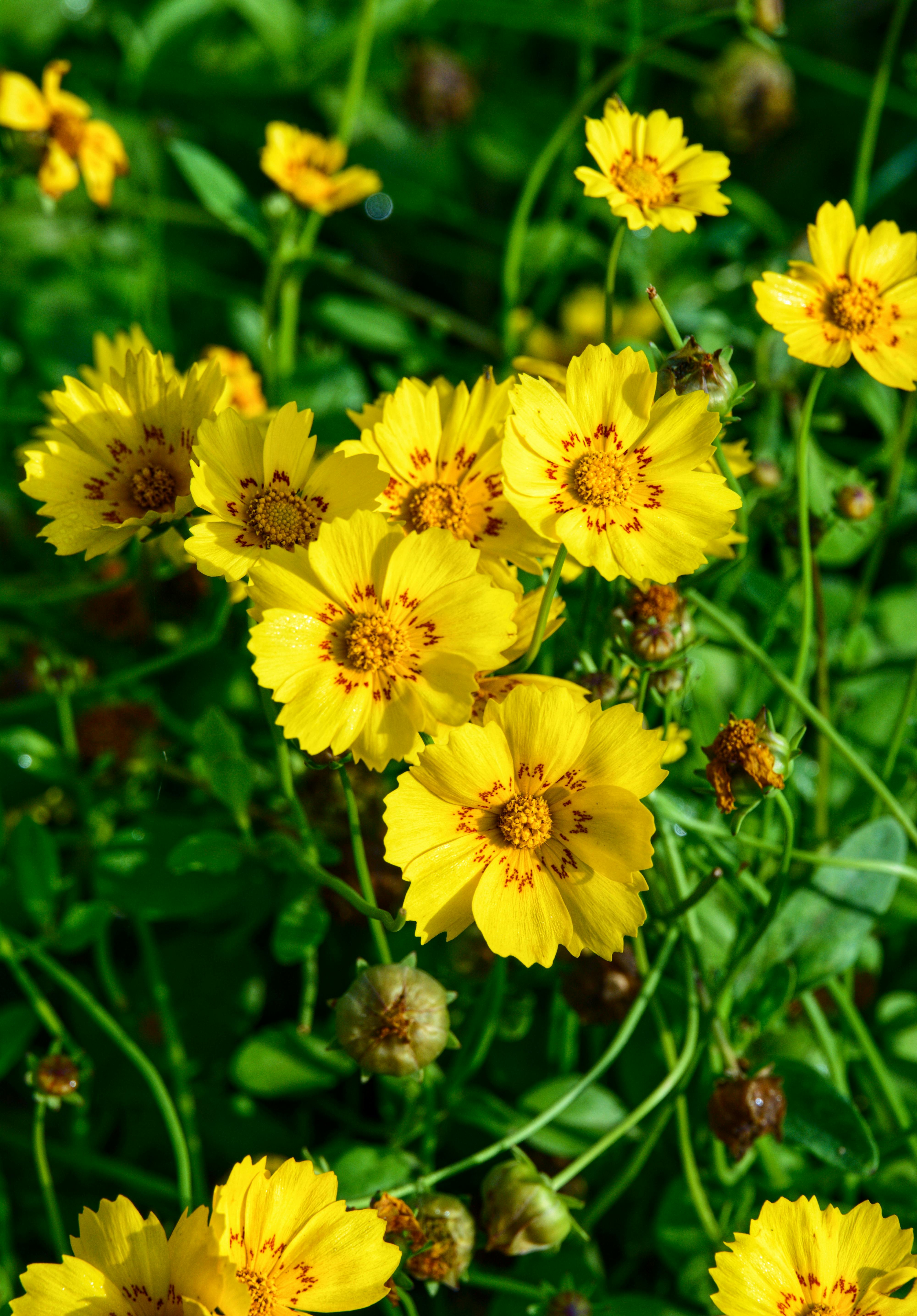
Coreopsis is basically a “plant it and forget it” kind of flower. It produces cheerful yellow blooms from late spring through summer, and it barely needs any help from you to do it. It thrives in full sun and well-drained soil, and once it’s established, it handles dry spells like a champ.
Hardy in zones 4–9, this perennial doesn’t ask for much. Skip the fertilizer (it actually prefers lean soil), and just deadhead occasionally to keep the blooms coming.
11.) Lamb’s Ear

Lamb’s Ear is one of those plants that practically takes care of itself. Its soft, silver-gray leaves feel like velvet and look great as a ground cover or border edging. It thrives in full sun and well-drained soil, and once it’s established, it barely needs any water.
Hardy in zones 4–8, it handles heat and drought without complaint. Just cut it back in spring to keep it tidy, and divide the clumps every few years to stop it from spreading too far.
12.) Agastache (Hyssop)

Agastache, also known as hyssop, is a real workhorse in a dry garden. It produces tall spikes of tubular flowers in shades of purple, pink, and orange that pollinators absolutely love. It thrives in full sun and well-drained soil, and once it’s established, it barely needs any water at all.
Hardy in zones 5–10, it handles heat without complaint. Cut it back in early spring to keep it tidy, and it’ll reward you with fresh growth season after season.
13.) Red Hot Poker
Red Hot Poker (also called Torch Lily) is basically nature’s way of adding a little drama without asking anything in return. Those tall, torch-shaped flower spikes in shades of red, orange, and yellow are hard to miss — and hummingbirds absolutely love them.
Plant it in full sun with well-drained soil, and then mostly leave it alone. It handles heat and drought like a champ. Hardy in zones 6–9, it blooms in late spring through summer and comes back year after year.
14.) Penstemon (Beardtongue)

Penstemon, also called Beardtongue, produces tubular flowers in shades of pink, red, purple, and white that hummingbirds absolutely love. It blooms from late spring through summer and looks great even when you forget about it for weeks.
Plant it in full sun with well-draining soil, and once it’s established, it barely needs watering. It handles heat and dry spells without complaint.
Most varieties are hardy in zones 3–9, making it a solid, low-maintenance choice for almost any garden.
15.) Ice Plant (Delosperma)
Ice Plant (Delosperma) is one of those ground covers that basically takes care of itself. It spreads low across the ground and bursts into cheerful, daisy-like flowers in shades of pink, purple, orange, or yellow from spring through fall.
Plant it in full sun and well-drained soil, and then mostly leave it alone. It handles heat, poor soil, and long dry spells without much fuss. Hardy in zones 5–9, it also does a nice job of crowding out weeds.
16.) Mullein

Mullein is one of those plants that practically takes care of itself. It sends up tall flower spikes covered in small yellow blooms, and pollinators absolutely love it. You’ll often spot it growing wild along roadsides, which tells you everything you need to know about its toughness.
Plant it in full sun and well-drained soil, and then basically forget about it. It handles dry spells without complaint and thrives in zones 3–9. It self-seeds freely, so expect new plants to pop up each year.
17.) Artemisia (Wormwood)

Artemisia, also known as wormwood, is a silver-leaved perennial that practically thrives on neglect. It loves full sun and well-drained soil, and once it’s settled in, you can basically forget about watering it. Hardy in zones 4–9, it handles heat and dry spells without complaint.
The feathery, silvery foliage adds a cool contrast to other plants in your garden. Just cut it back in early spring to keep it tidy, and it’ll come back strong year after year.
18.) Gaura (Wandflower)

Gaura, also called Wandflower, sends up tall, airy stems covered in small pink or white flowers that dance around in the breeze from late spring all the way through fall. It has a loose, flowing look that works nicely in cottage-style gardens or mixed borders.
It thrives in full sun and well-drained soil, and once established, it barely needs any water. Hardy in zones 5–9, it handles heat and drought like a champ with almost zero fuss from you.
19.) Ornamental Oregano

Ornamental oregano is one of those plants that practically takes care of itself. It produces clusters of pink, hop-like blooms that hang down in a really charming way, and pollinators absolutely love it. Bonus: you can actually cook with it too.
Plant it in full sun with well-drained soil, and keep watering to a minimum once it’s settled in. It handles drought like a champ. Hardy in zones 5–9, it comes back reliably each year with very little fuss.
20.) Globe Thistle (Echinops)

Globe Thistle is one of those plants that practically takes care of itself. It produces round, spiky blue-gray flower heads that bees absolutely love, and it looks interesting even when it’s not in bloom.
Plant it in full sun and well-drained soil, and then mostly leave it alone. It handles heat, poor soil, and dry spells without much complaint. Hardy in zones 3–9, it comes back reliably each year with very little effort on your part.