Trees can do so much for a yard — shade, privacy, even a little character. But plant the wrong one too close to your house, and you might be dealing with cracked foundations, clogged pipes, or a mess you never saw coming.
Some trees are better admired from a distance, trust me. Before you dig that hole, take a quick look at this list — your future self will definitely thank you!
1.) Silver Maple
Silver maple grows fast — and that’s exactly the problem. It’s one of the most popular shade trees around, thriving in zones 3–9 with minimal care, but its aggressive roots will find your foundation, crack your sidewalk, and invade your pipes before you know it.
The wood is also pretty brittle, meaning branches snap easily during storms. If you’ve got one, keep it trimmed regularly. If you’re planting new, give it at least 100 feet of clearance from your house.
2.) Weeping Willow
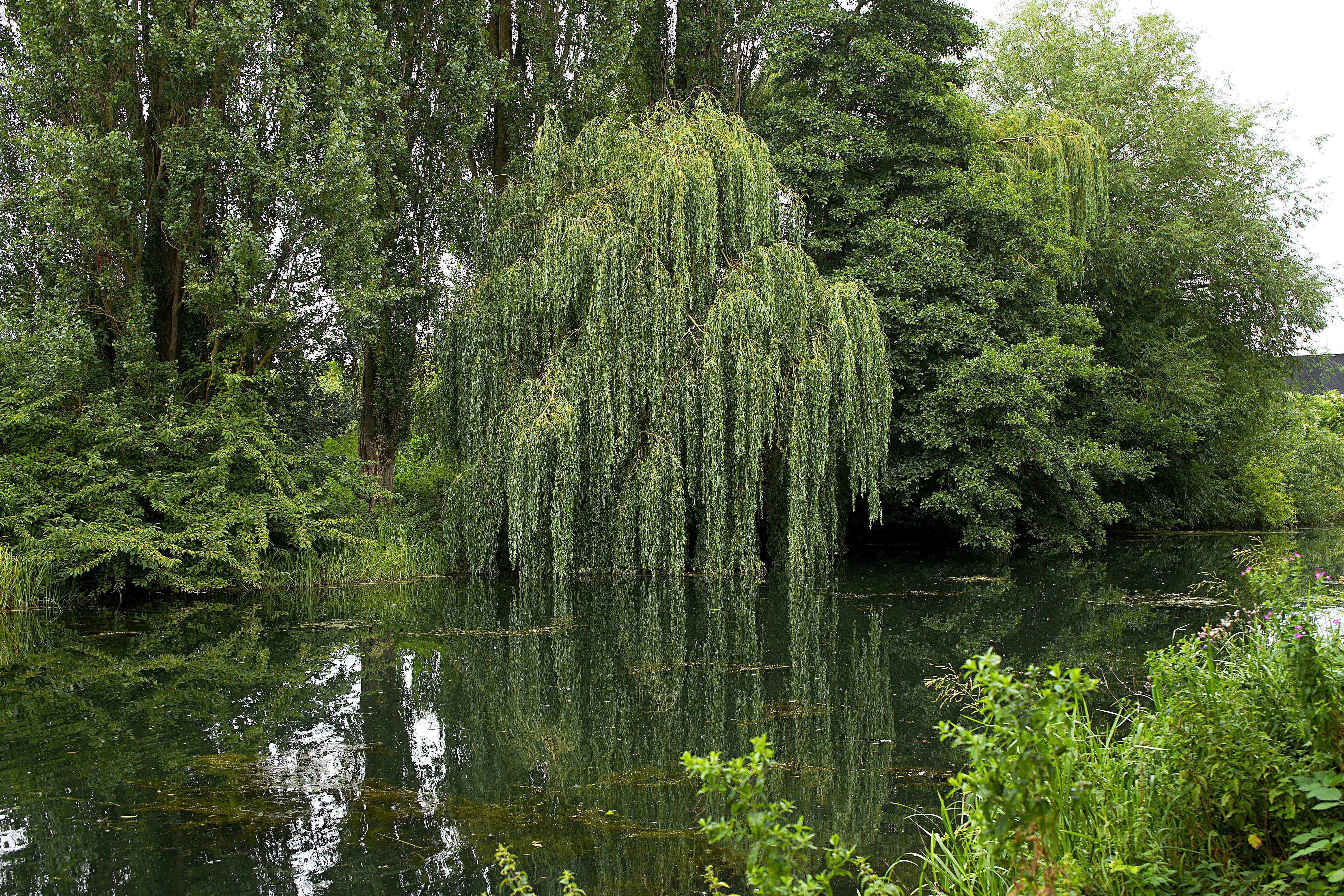
The weeping willow looks peaceful swaying next to a pond, but plant it near your house and you’ll regret it fast. Its roots are aggressive and thirsty, actively seeking out water lines, sewer pipes, and even your home’s foundation.
It grows quickly in zones 6–8 and loves moist soil and full sun. But that fast growth means constant cleanup from dropping branches and leaves. Keep it at least 50 feet from any structure, pipe, or utility line.
3.) Lombardy Poplar

The Lombardy Poplar grows fast — really fast — shooting up to 60 feet tall in just a few years. It thrives in zones 3–9 and handles wet soil well, which might sound appealing if you have a soggy yard.
Here’s the problem, though. Those roots are aggressive and will seek out any water source nearby, including your pipes and foundation. Add in a short lifespan and constant twig litter, and this tree becomes more headache than it’s worth near a home.
4.) Bradford Pear

The Bradford Pear might look nice in spring with its white flowers, but don’t let that fool you. It has a weak branch structure that makes it prone to splitting in storms, and it can cause serious damage to your roof, siding, or cars if it falls apart — which it will, usually around 20 years in.
It grows fast in zones 5–9 and needs very little care, but that’s part of the problem. It also spreads aggressively and crowds out native plants nearby.
5.) Eucalyptus
Eucalyptus trees grow fast — sometimes several feet per year — and that’s exactly the problem. Their roots are aggressive and will seek out water pipes, crack foundations, and destabilize soil without much warning. They thrive in Zones 8–11 and need full sun with well-drained soil, making them common in warmer Southern and Western states.
On top of the root issues, these trees drop bark, leaves, and branches regularly. That constant litter creates a fire hazard and clogs gutters, making them a real headache near any home.
6.) Black Walnut
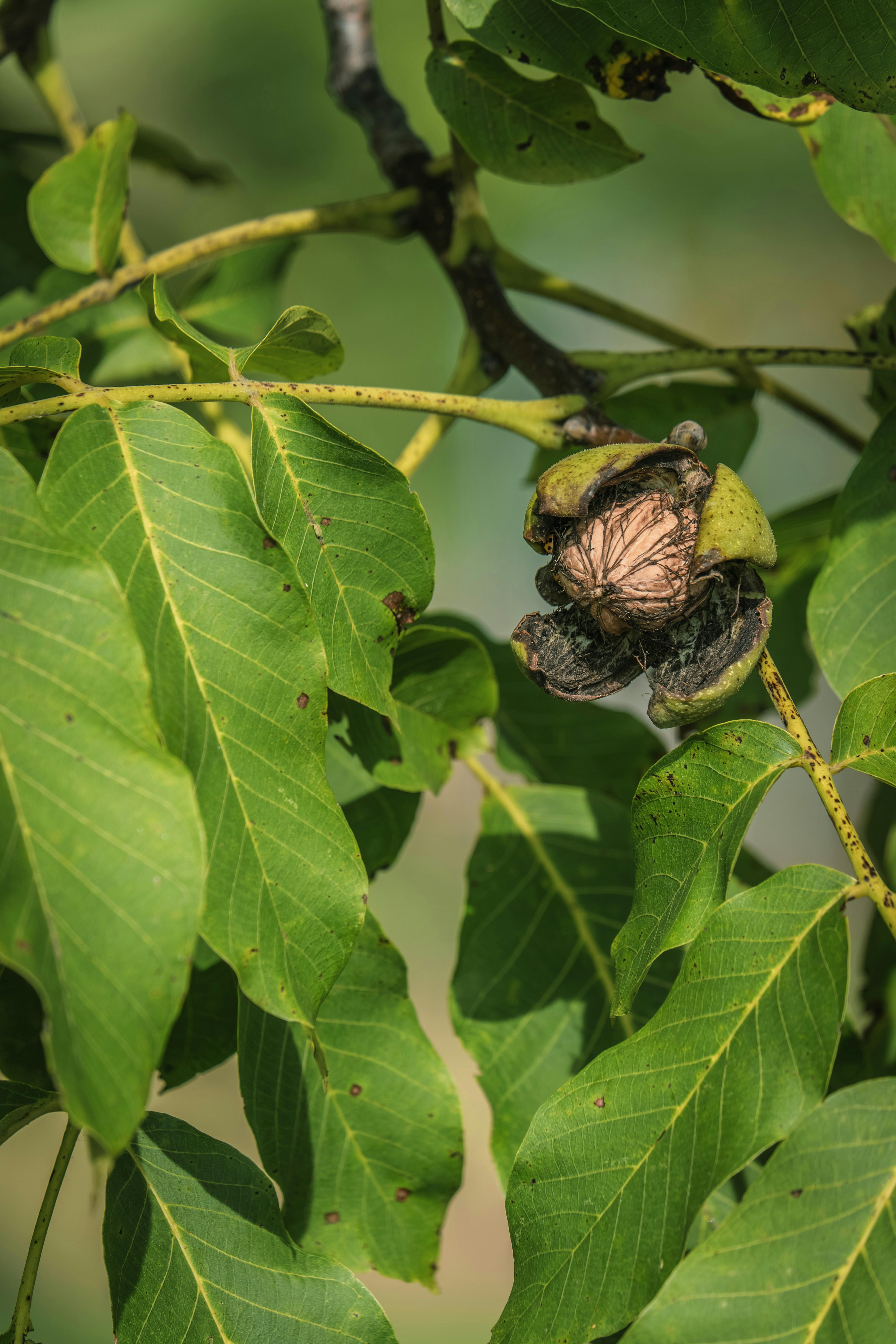
Black walnut trees can grow up to 100 feet tall and thrive in full sun with deep, well-drained soil. They do well in hardiness zones 4–9 and are pretty low-maintenance once established.
The big problem? Their roots release a chemical called juglone, which is toxic to many plants — and the roots can spread far beyond the tree’s canopy. Keep them well away from gardens, foundations, and septic systems to avoid some serious headaches down the road.
7.) Sweetgum

Sweetgum trees can look nice in a yard, but those spiky seed balls they drop are a real problem. They cover the ground by the thousands every fall, and stepping on one barefoot is something you’ll only do once.
These trees grow in zones 5–9 and do well in most soil types with plenty of sun. They can reach 75 feet tall with roots that spread wide, making them a risk near foundations, driveways, and pipes.
8.) Cottonwood
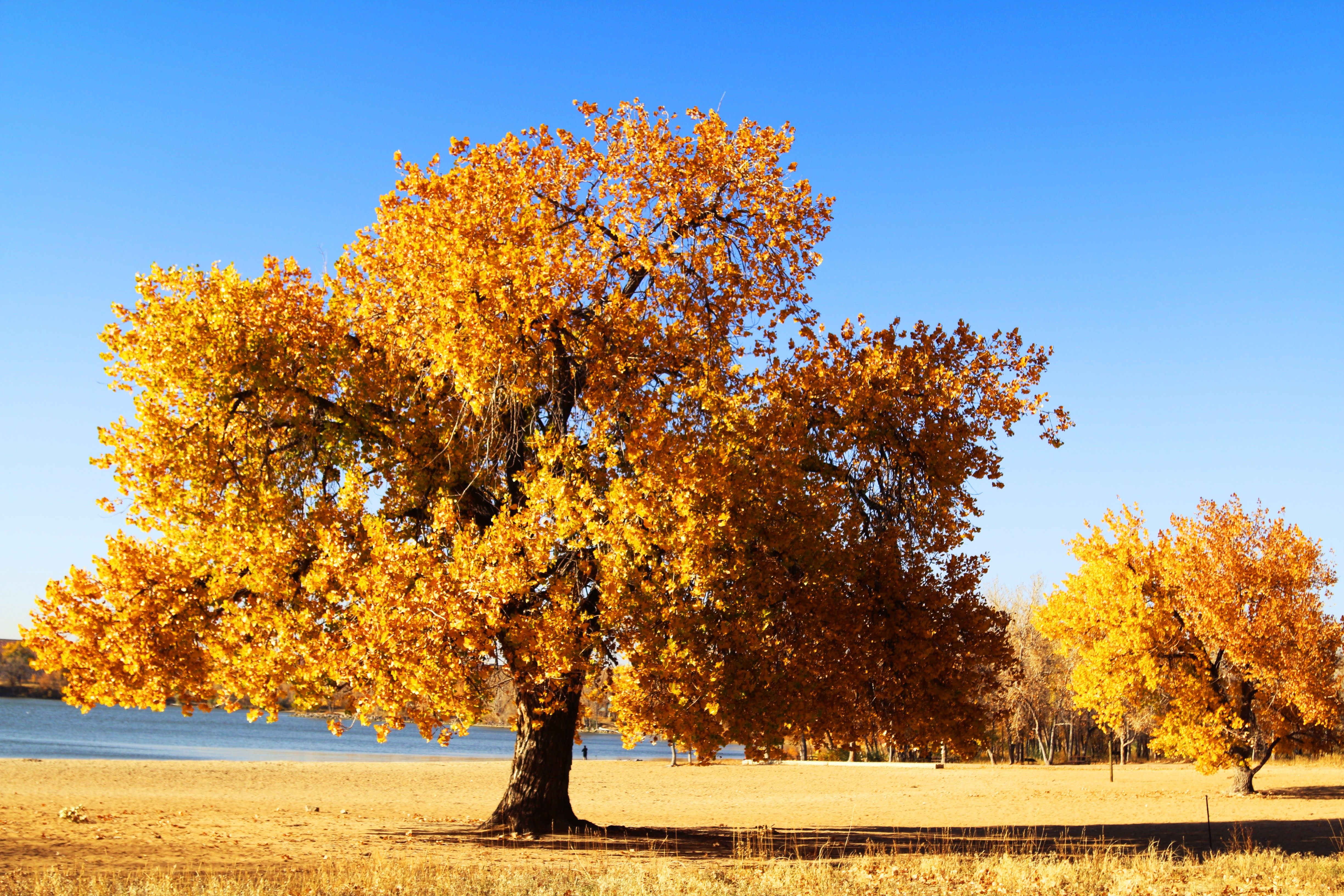
Cottonwood trees grow fast — really fast — and that’s exactly the problem. They thrive in moist soil and full sun, spreading widely across hardiness zones 2–9. Their roots are aggressive and will seek out water lines, sewer pipes, and your home’s foundation without hesitation.
On top of that, the fluffy white seeds they drop in spring create a mess that clogs gutters and air filters. If you want shade, there are much better options that won’t cost you a plumber.
9.) Mulberry

Mulberry trees grow fast and can reach up to 30 feet tall, which sounds great until you realize what comes with them. They produce mountains of berries that drop constantly, staining driveways, patios, and anything else nearby a deep purple that’s nearly impossible to clean up.
They thrive in zones 4–8 and aren’t picky about soil or sun, so they spread easily. The roots are also aggressive and can work their way toward foundations and underground pipes over time.
10.) American Elm

The American Elm is a tall, fast-growing shade tree that can reach 80 feet or more. It thrives in zones 2–9 and tolerates a wide range of soil types, making it pretty easy to grow almost anywhere in the country.
The problem? Those roots are aggressive and wide-spreading. Plant one too close to your house and you’re looking at cracked foundations, damaged pipes, and lifted sidewalks. Keep it well away from any structures — at least 50 to 100 feet is a safe bet.
11.) Norway Maple
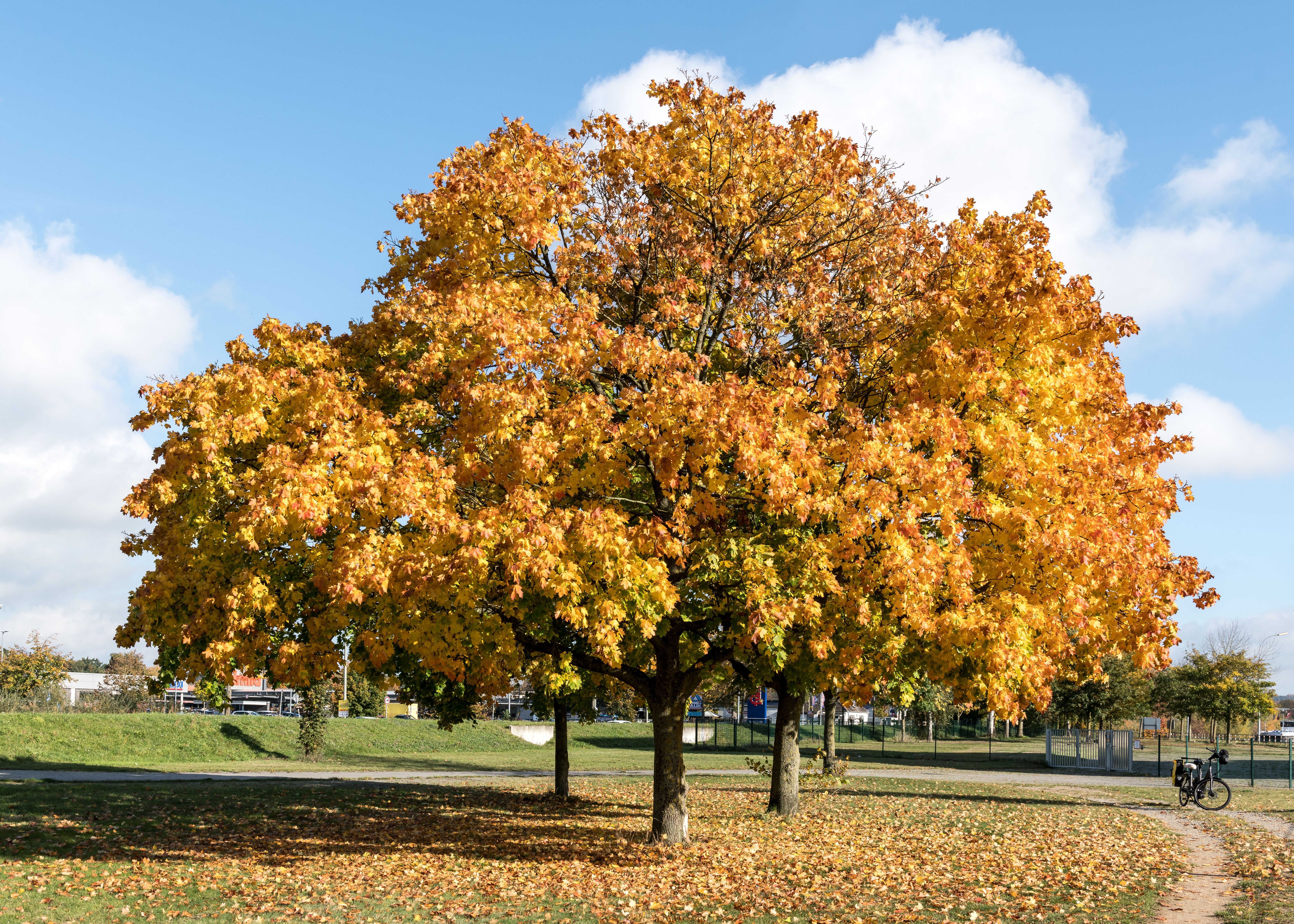
Norway Maple might look like a nice shade tree, but planting it near your house is a decision you’ll regret. Its shallow, aggressive roots can crack sidewalks, invade drainage systems, and make it nearly impossible to grow anything else nearby.
It thrives in zones 4–7 and handles almost any soil or light condition, which sounds great until you realize that’s exactly why it spreads so easily. Once it’s established, you’re in for a real battle keeping it under control.
12.) Quaking Aspen

Quaking aspens are known for their shimmering leaves and bright fall color, but they come with a serious catch — their roots spread aggressively and can travel 30 or more feet from the trunk.
Those roots love to sneak into water lines, sewer pipes, and even home foundations. They thrive in hardiness zones 1–7 and prefer cool, moist climates with full sun.
If you love the look, plant them well away from structures — think open fields or large backyards only.
13.) Black Locust

Black Locust (*Robinia pseudoacacia*) grows fast and spreads aggressively through root suckers, making it a real headache near your home’s foundation. It thrives in zones 3–8 and isn’t picky about soil, which sounds great until you realize that means it pops up everywhere.
The wood is incredibly hard, and the thorns are no joke. Fallen branches can puncture tires and damage lawn equipment. If you’re near a septic system or driveway, keep this one far, far away.
14.) Russian Olive

Russian Olive (*Elaeagnus angustifolia*) might look like a nice addition to your yard with its silvery leaves and small yellow flowers, but it comes with some real downsides. It spreads aggressively, and its long, sharp thorns make it a pain to deal with near walkways or the house.
It thrives in hardiness zones 3–8 and tolerates poor soil and drought, which sounds great until it starts crowding out native plants. Many states actually classify it as invasive, so think twice before planting one.
15.) Red Oak

Red Oak is a fast-growing shade tree that can reach 75 feet tall with a wide, spreading canopy. It thrives in zones 4–8 and does well in full sun with acidic, well-drained soil. It’s pretty low-maintenance once established, but that size is exactly the problem.
Those massive roots spread aggressively and can crack foundations, buckle sidewalks, and invade underground pipes. Plant it at least 50–100 feet from any structure to avoid some seriously expensive repairs down the road.
16.) Eastern White Pine

Eastern White Pine is a fast-growing evergreen that can reach 80 feet tall or more, which is exactly why it doesn’t belong close to your home. It thrives in Zones 3–8 and does well in full sun with well-drained soil.
Those long, sweeping branches drop needles constantly and can hang over your roof, gutters, and siding. Strong winds can also take down large limbs without much warning.
Give this tree plenty of open space, well away from structures, and it’ll do just fine.
17.) Leyland Cypress

Leyland Cypress grows fast — really fast. We’re talking up to 4 feet per year, which sounds great until you realize it can hit 70 feet tall and 15 feet wide. Plant one too close to your house and you’ve got a big problem on your hands before you know it.
These trees thrive in zones 6–10 and handle most soil types, but they need plenty of space. Roots and branches can threaten foundations, gutters, and rooflines in no time.