We all love making our backyards look nice, right? But here’s the thing — some of the plants and garden features we add can actually turn off potential buyers when it’s time to sell. It’s a bit of a bummer, honestly.
Some of these might even be sitting in your backyard right now! Stick around, because a few of the items on this list might seriously surprise you.
1.) Swimming Pools
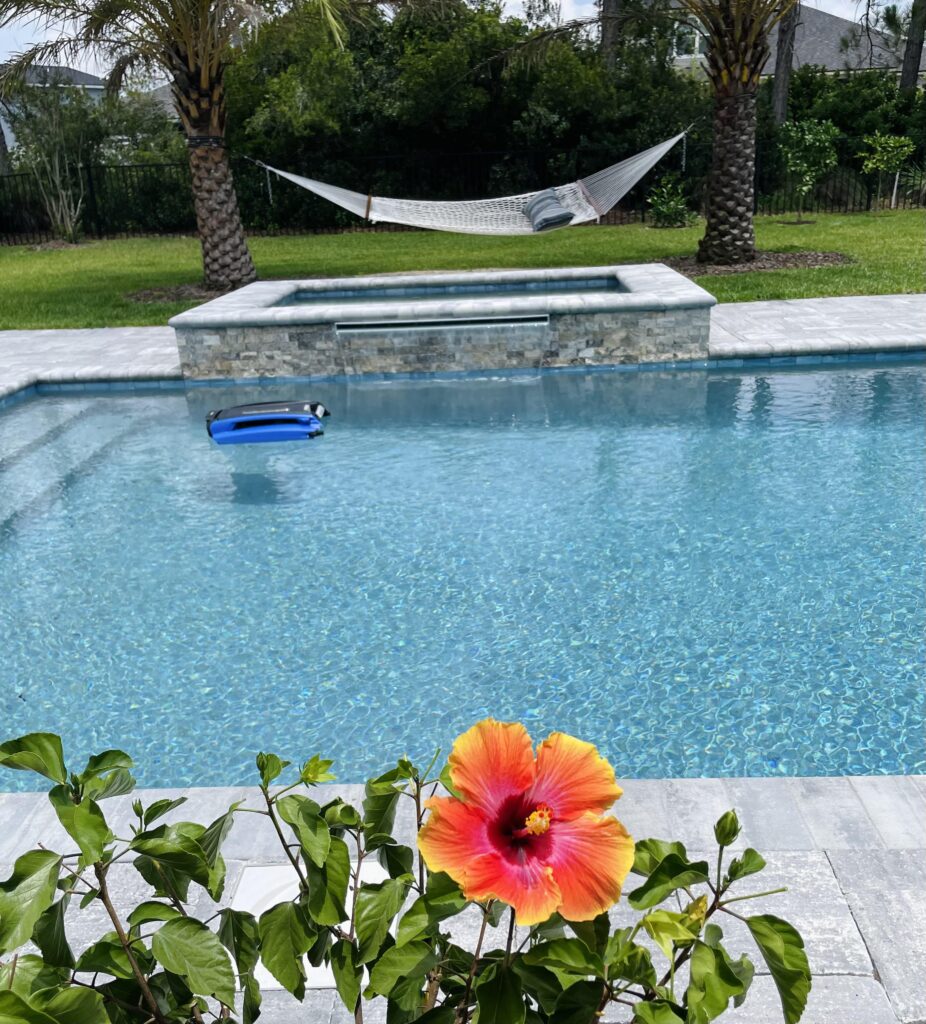
A swimming pool might seem like a dream backyard addition, but it can actually turn away potential buyers when it’s time to sell. Many people don’t want the hassle or the cost that comes with owning one.
Between regular chemical treatments, cleaning, repairs, and rising water bills, pools are expensive to maintain year-round. In cooler climates, they sit unused for months.
Some buyers, especially those with young kids or pets, see a pool as a safety concern rather than a perk.
2.) Overly Personalized Landscaping
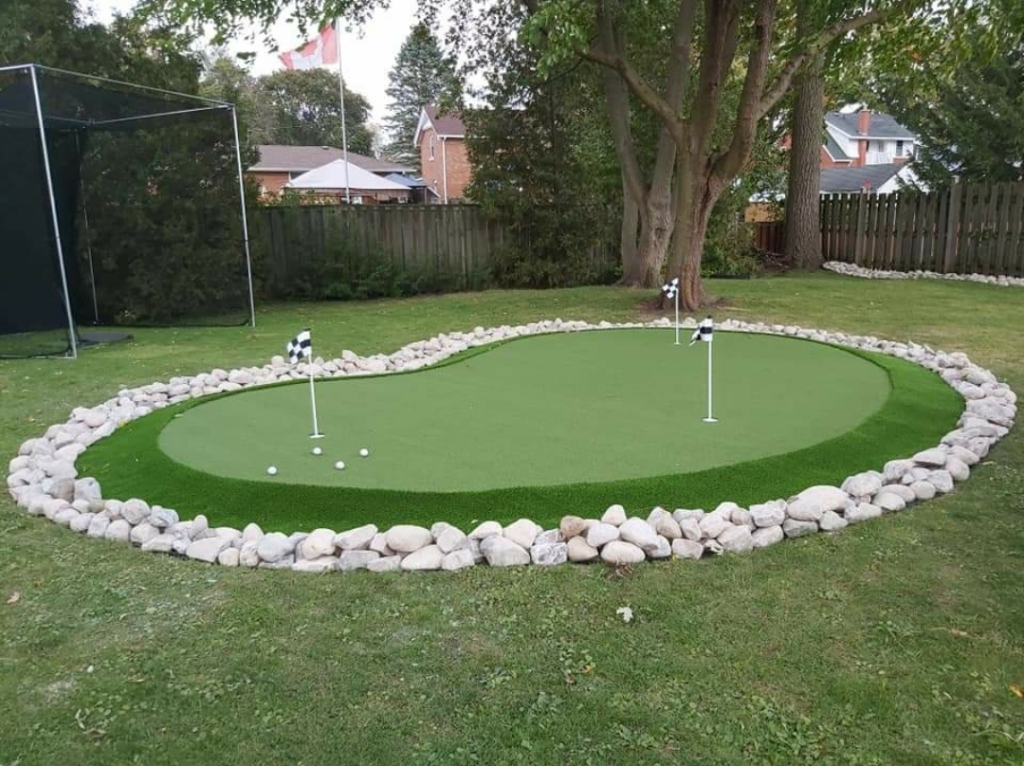
Sure, a koi pond or a putting green might feel like a dream setup for you — but future buyers might see it as a headache they didn’t sign up for.
Highly specific landscaping features tend to appeal to a narrow group of people. What took years and serious money to build can actually shrink your buyer pool when it’s time to sell.
Keeping outdoor spaces simple and low-maintenance tends to hold broader appeal and won’t scare off potential buyers at first glance.
3.) High-Maintenance Water Features

Ponds, fountains, and waterfalls can look really appealing when you first install them, but they’re often a turn-off for buyers. The upkeep is no joke — algae control, pump maintenance, liner repairs, and water treatment add up fast in both time and money.
Many buyers see a water feature and immediately think “expensive problem.” Unless you’re in a warm climate where outdoor water features work year-round, seasonal draining and winterizing make them even less appealing to the average homeowner.
4.) Trampolines

Trampolines might be a hit with the kids, but buyers often see them as a liability — literally. Insurance companies sometimes flag them, and many buyers with young children or safety concerns will ask you to remove one before closing.
They also take up a lot of yard space and can leave dead grass patches underneath. If you’ve got one sitting out there, consider storing it during showings to give buyers a better feel for how much usable outdoor space they’re actually getting.
5.) Above-Ground Hot Tubs

Above-ground hot tubs might feel like a fun backyard upgrade, but buyers often see them as a hassle rather than a perk. They take up a lot of space, cost money to run, and can leave behind a worn-out deck or patchy grass once removed.
Most buyers would rather picture their own use of the space. A large tub sitting front and center can actually make your yard feel smaller and harder to work with during showings.
6.) Synthetic Turf

Synthetic turf might seem like a smart, low-maintenance swap for real grass, but buyers often see it as a drawback. It can get surprisingly hot in summer, doesn’t drain as well as natural soil, and tends to look a little flat and lifeless up close.
It also signals to buyers that the yard may need a full renovation. Real grass, even if it needs some work, gives people options. Fake turf? Not so much.
7.) Excessive Hardscaping
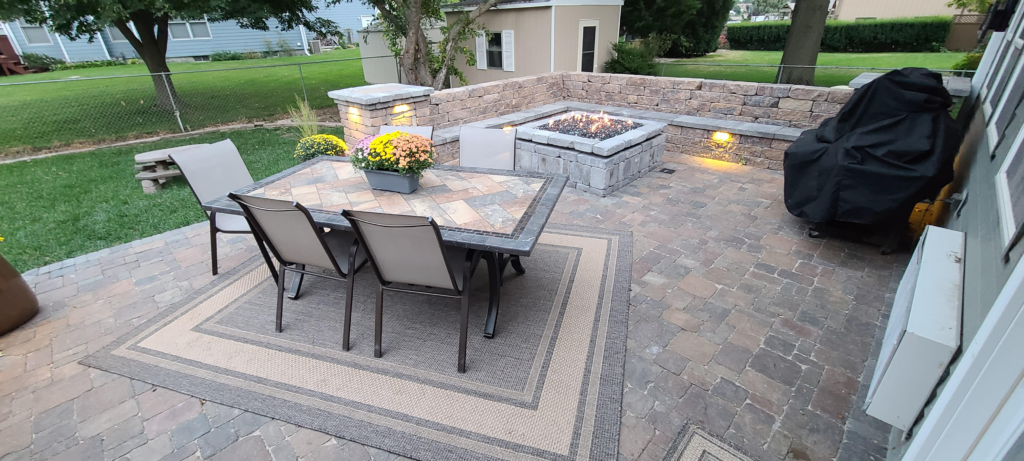
Covering your entire backyard with concrete, pavers, or stone might seem like a low-maintenance dream, but buyers often see it differently. Too much hardscaping leaves little room for grass, gardens, or trees — things most people actually want in a yard.
Buyers tend to worry about drainage issues, heat buildup, and the cost of removing all that material. A good mix is usually around 60% soft landscaping to 40% hardscaping, keeping things functional without feeling like a parking lot.
8.) Backyard Sheds and Outbuildings
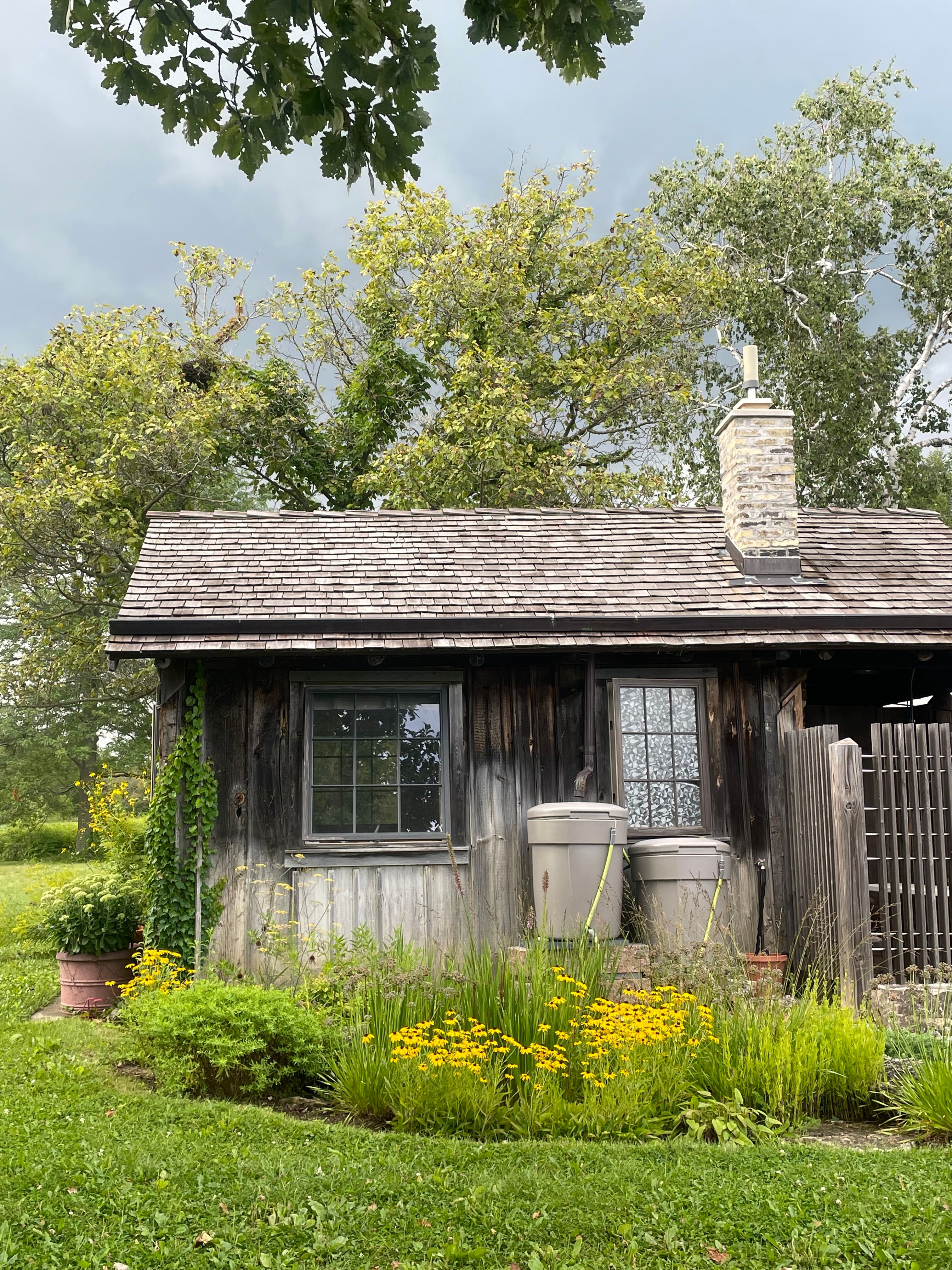
A beat-up shed or aging outbuilding can actually turn buyers away faster than you’d think. If it’s leaning, rotting, or packed with decades of clutter, it reads as a problem waiting to happen — not a bonus feature.
Buyers see dollar signs for repairs, not extra storage space. If your shed isn’t in decent shape, consider taking it down before listing. A clean, open yard often looks more appealing than one with a structure that raises questions.
9.) Tennis or Sport Courts
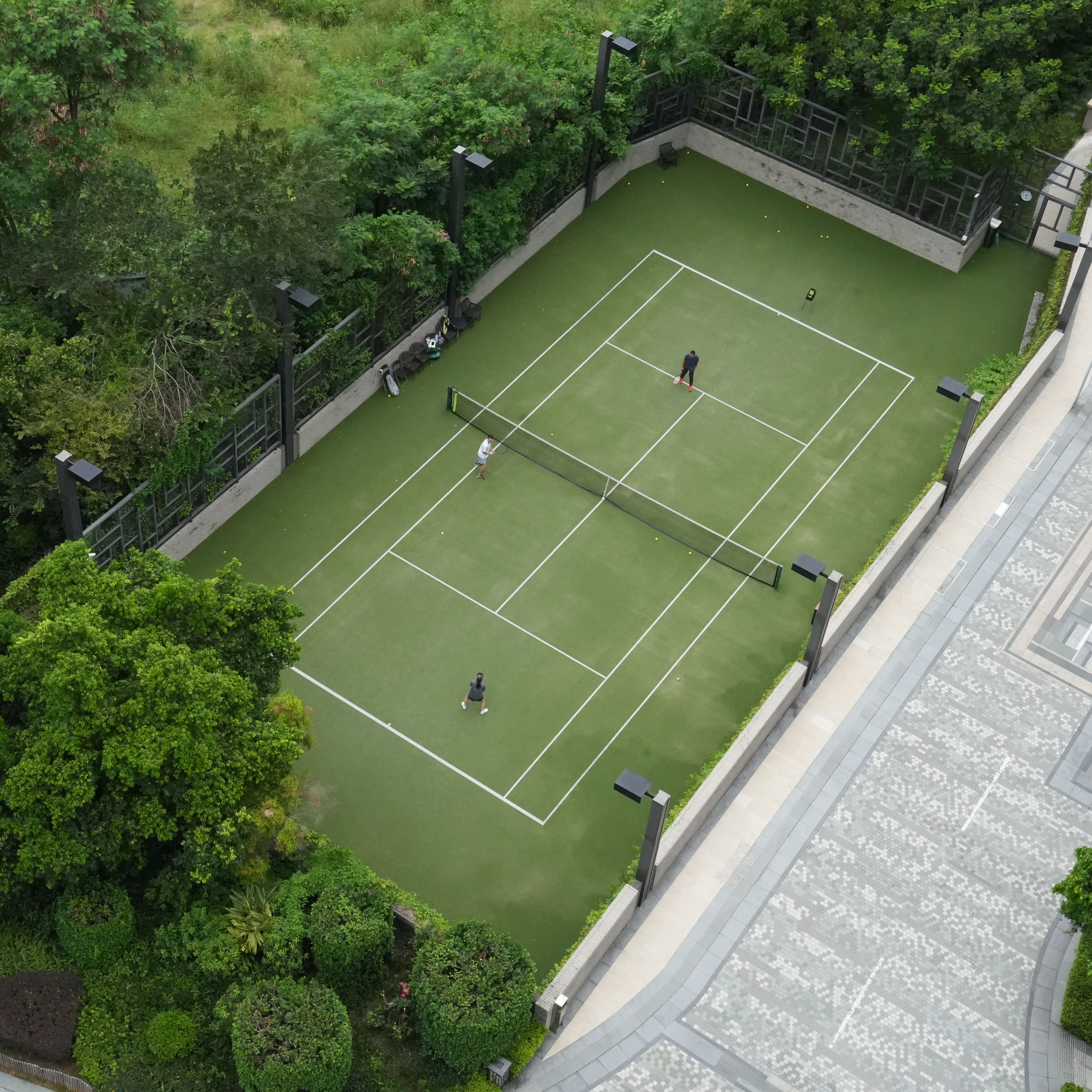
A full-sized tennis or sport court takes up a huge chunk of your backyard, leaving little room for anything else. Most buyers simply don’t play tennis, so they see it as wasted space rather than a bonus feature.
The upkeep is another issue — resurfacing, net repairs, and fencing maintenance add up fast. If you’re thinking about adding one, consider whether your neighborhood actually supports that lifestyle, because it’s a costly feature that only appeals to a narrow group of buyers.
10.) Koi Ponds

Koi ponds might seem like a dreamy backyard addition, but most buyers see them as a headache waiting to happen. Between the pumps, filters, water treatments, and fish care, the upkeep is no small thing — and the costs add up fast.
Buyers also worry about safety, especially families with young kids. What feels like a peaceful escape to you can feel like a liability to someone else. If you’re thinking about selling, a simpler water feature might be the smarter move.
11.) Elaborate Outdoor Kitchens

Outdoor kitchens sound like a dream, but they can actually work against you when it’s time to sell. Buyers often don’t want to inherit someone else’s custom setup, especially if it doesn’t match their taste or lifestyle.
The bigger and more built-out the kitchen, the harder it becomes to appeal to a wide range of buyers. Gas lines, custom cabinetry, and high-end appliances add costs that most buyers won’t want to pay extra for at closing.
12.) Tree Houses
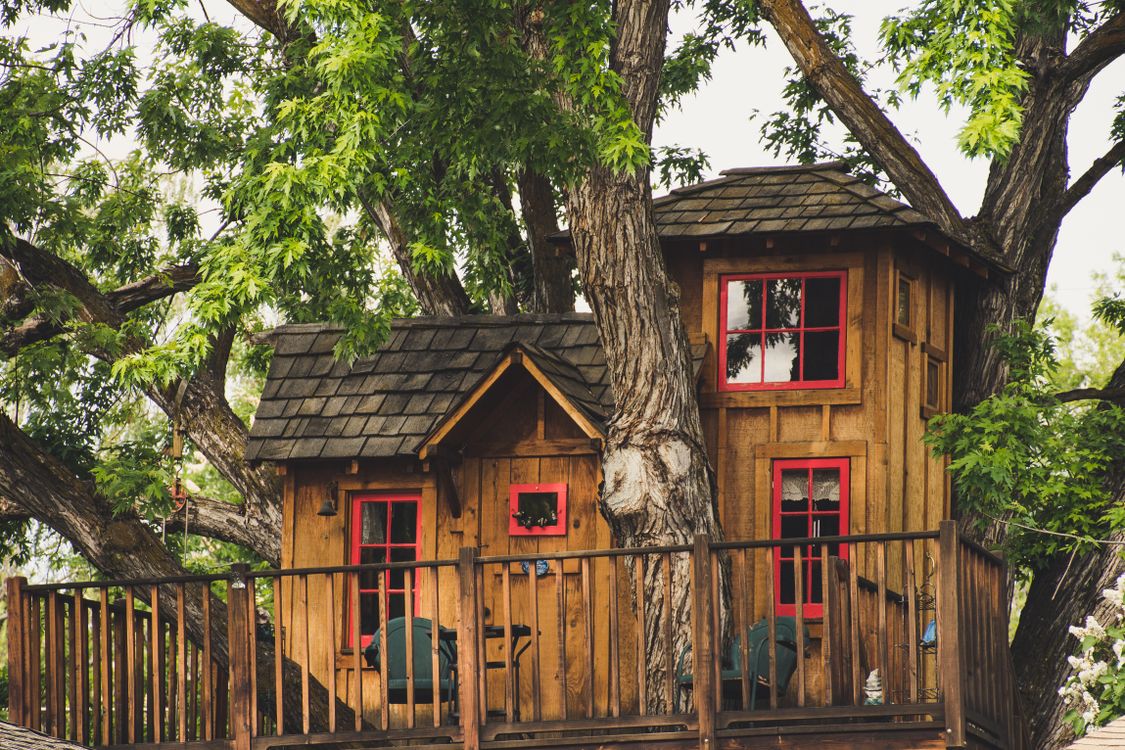
Tree houses might seem like a dream backyard addition, especially if you have kids, but buyers without children often see them as a liability rather than a bonus. Structural concerns, safety worries, and the cost of removal can all be red flags during a home inspection.
On top of that, tree houses can actually damage the trees they’re attached to over time, leading to rot or instability. A hurt tree means a hurt yard — and a lower offer on your home.
13.) Pet Infrastructure
Dog runs, kennels, and built-in pet enclosures might feel like a must-have when you have animals, but buyers without pets often see them as an eyesore or extra work to remove.
The problem is that these structures can take up a good chunk of yard space and sometimes leave behind worn-out grass, patchy soil, or concrete slabs. That’s not exactly a selling point.
If you can, opt for portable pet solutions that can be packed up before showings.