May is one of those months where what you do in the garden really matters. Most of us are out there watering and maybe pulling a few weeds, but professional landscapers? They’re quietly doing a bunch of things we’d never even think about.
Turns out, a few simple habits can make a huge difference in how your plants grow all season long. Here are nine things the pros do in May that most homeowners completely skip.
1.) Test Soil pH Levels

May is a great time to test your soil’s pH before you start planting in earnest. Most plants do best in soil with a pH between 6.0 and 7.0, and if yours is off, your plants won’t absorb nutrients properly — no matter how much fertilizer you add.
Pick up an inexpensive test kit at any garden center or send a sample to your local extension office. Once you know your numbers, you can adjust with lime to raise pH or sulfur to lower it.
2.) Apply Pre-Emergent Herbicide

Pre-emergent herbicide is one of those things most homeowners don’t think about until weeds are already everywhere. Landscapers apply it in May because timing is everything — it works by stopping weed seeds from germinating, not by killing existing weeds.
Think of it as a barrier you lay down before the problem starts. It’s especially useful for crabgrass and other summer annuals. Follow the label closely and water it in after applying for the best results.
3.) Divide Perennial Plants

May is the perfect time to dig up and divide overgrown perennials like hostas, daylilies, and coneflowers. When clumps get too crowded, plants stop blooming as well and can even start to die out in the center. Dividing them keeps everything healthy and growing strong.
It’s a simple process — dig up the clump, split it into smaller sections, and replant them with fresh soil and a good watering. You’ll end up with more plants for free, which is always a win.
4.) Deadhead Spring Bulbs Properly

Once your tulips and daffodils finish blooming, snap off the spent flower heads right away. This stops the plant from wasting energy trying to produce seeds, and redirects it back into the bulb instead. That extra energy is what helps the bulb store up strength for next year’s blooms.
Just make sure you leave the foliage alone. Those green leaves are still doing their job, soaking up sunlight until they naturally turn yellow. Cutting them too early is one of the most common mistakes homeowners make.
5.) Mulch Garden Beds Deeply
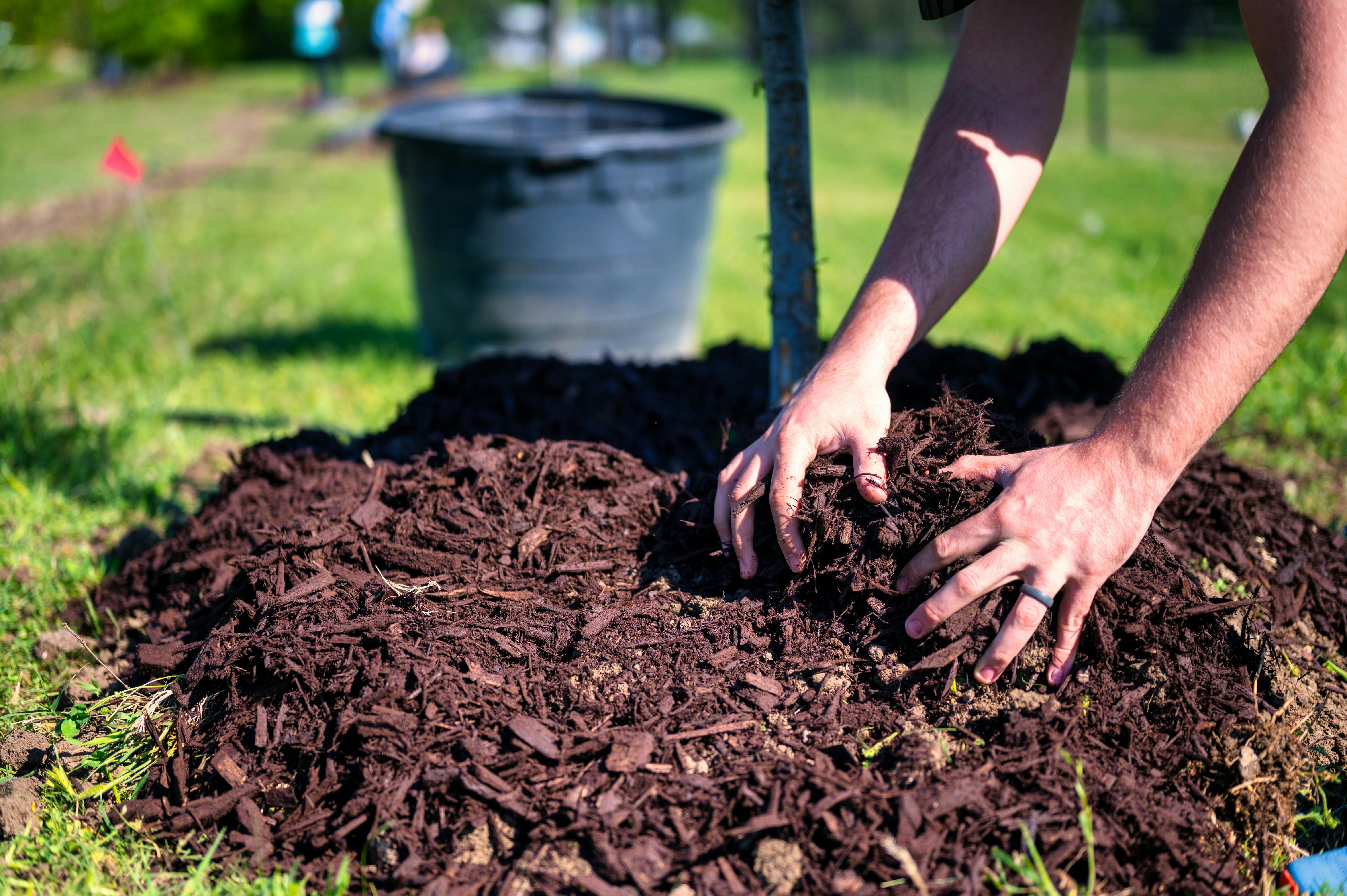
Most landscapers lay down a fresh layer of mulch every May, right before the summer heat kicks in. It’s one of those simple steps that makes a big difference over the long run.
Aim for about 3 inches deep around your trees, shrubs, and garden beds. Mulch helps the soil hold onto moisture, keeps weeds from taking over, and regulates soil temperature during hot months.
Just keep it away from plant stems to avoid rot — a common mistake homeowners make.
6.) Prune Spring-Flowering Shrubs
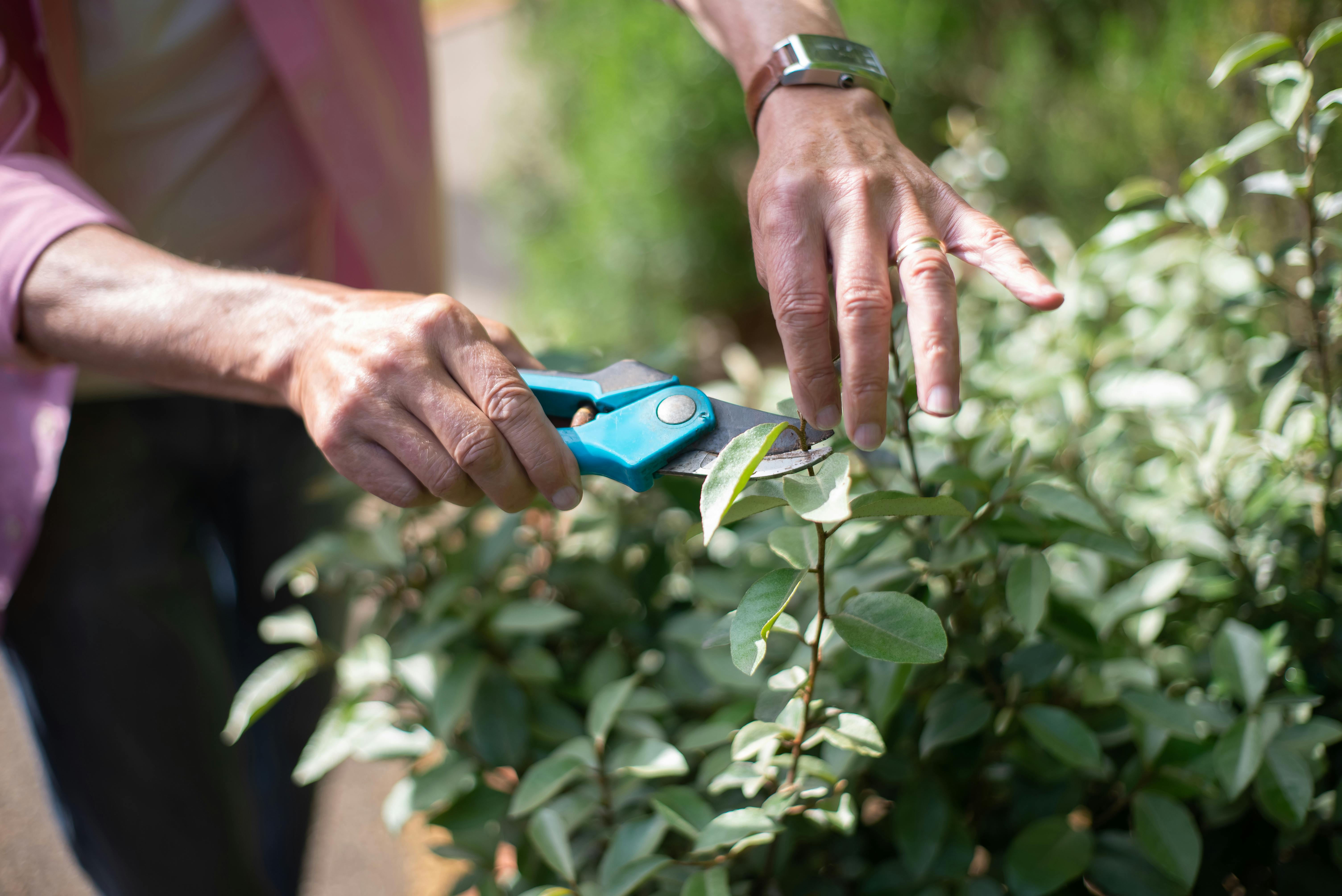
If your lilacs, forsythia, or azaleas just finished blooming, now is the time to grab your pruning shears. Spring-flowering shrubs set next year’s flower buds on new growth, so trimming them right after they bloom gives them the whole season to grow and bud up again.
Skip this window, and you risk cutting off next spring’s flowers. Keep cuts clean, remove dead or crossing branches, and don’t go overboard — a light shaping is usually all these shrubs need.
7.) Overseed Bare Lawn Patches

May is actually the perfect time to fix those bare or thin spots in your lawn before summer heat sets in. Cool-season grasses like fescue and bluegrass still have time to establish roots, while warm-season grasses like Bermuda and Zoysia are just waking up and ready to fill in gaps.
Loosen the soil with a rake, spread your seed, and keep the area consistently moist until germination happens. A little effort now means fewer patchy spots staring back at you all summer long.
8.) Install Drip Irrigation Systems

May is a great time to set up drip irrigation before the heat of summer hits. Landscapers know that getting the system in place early means plants stay consistently watered without any guesswork.
Drip systems work well in most hardiness zones and are especially useful in garden beds, around shrubs, and near vegetable gardens. They deliver water right to the roots, which cuts down on waste and helps prevent fungal issues that come with overhead watering.
9.) Scout for Pest Problems
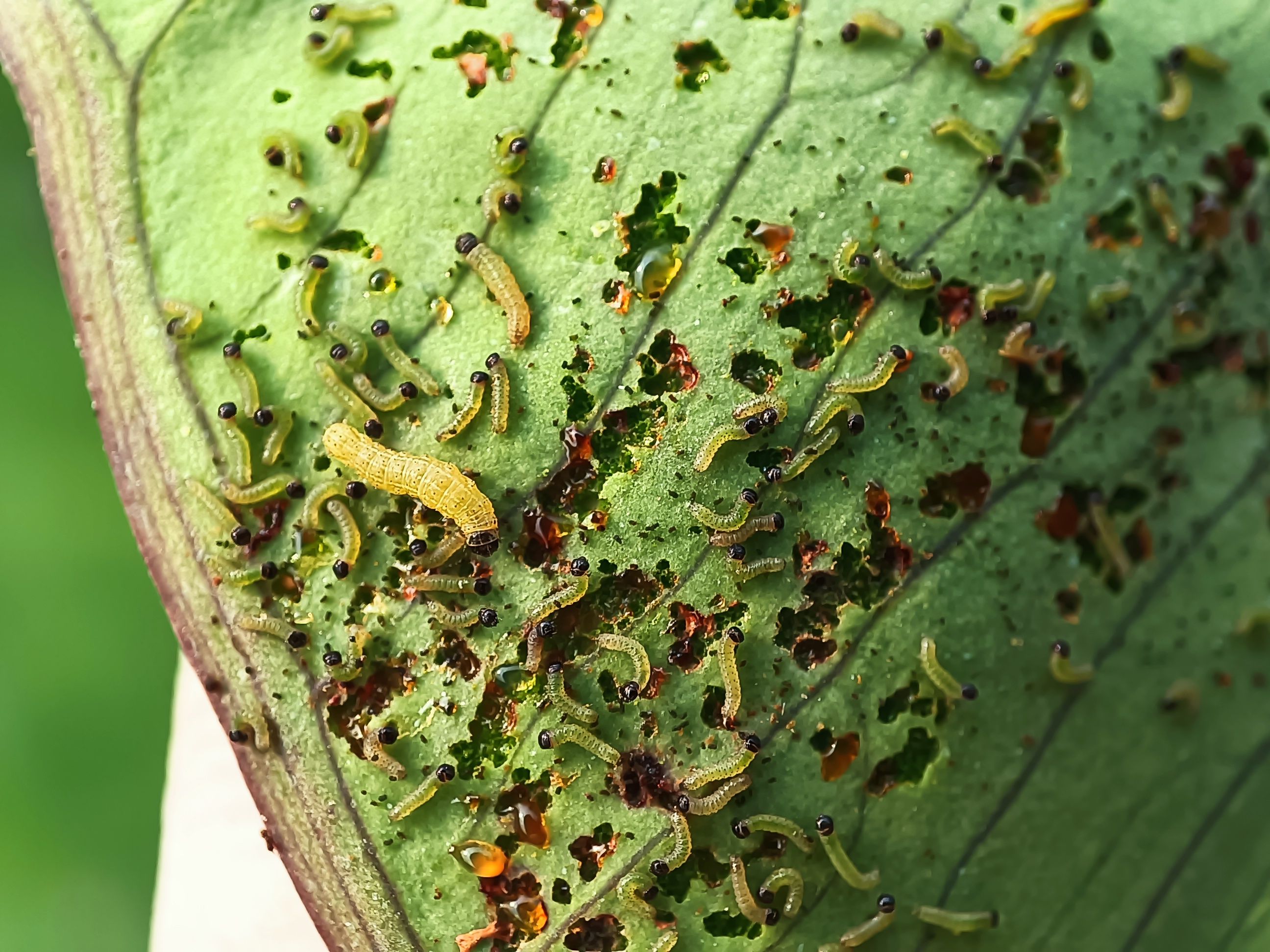
May is prime time for pests to show up uninvited. Landscapers make it a habit to check plants closely for early signs of trouble — think chewed leaves, sticky residue, or tiny clusters of eggs hiding on the undersides of leaves.
Catching problems early makes a big difference. A small aphid situation is easy to knock out with a strong spray of water or neem oil. Wait too long, and you’re dealing with a full-blown infestation that’s much harder to control.