Transplanting tomatoes seems simple enough, right? You dig a hole, pop the plant in, water it, and wait. But there are a few common slip-ups that can leave your tomatoes just sitting there, barely growing, for weeks on end.
The good news is that most of these mistakes are easy to avoid once you know what to look for. Let’s go through the ones that catch even experienced gardeners off guard.
1.) Transplanting at the Wrong Time
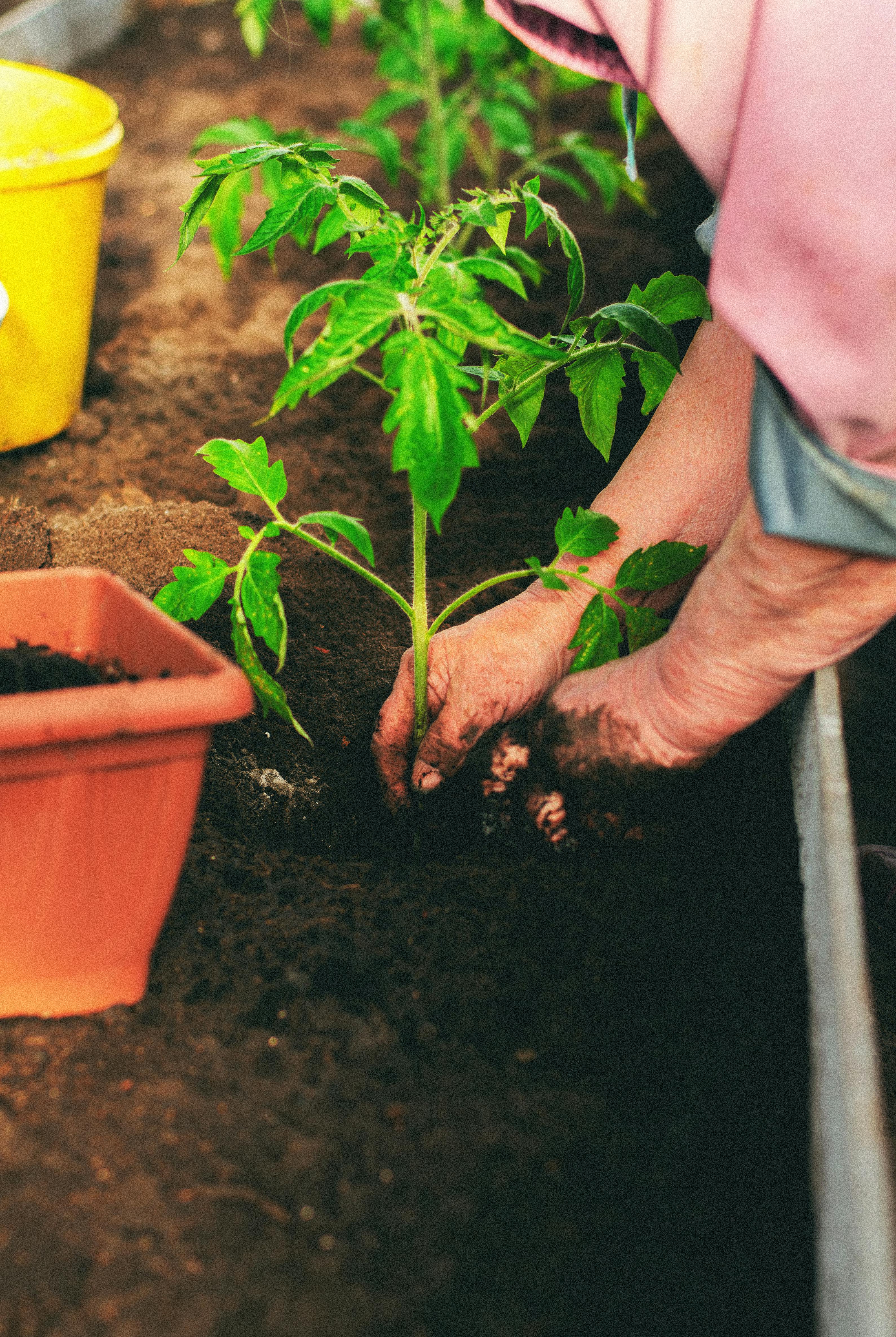
Timing really does matter when it comes to moving tomatoes into the garden. Plant too early, and cold soil slows root development to a crawl. Plant too late in hot weather, and the stress can set your plants back by several weeks.
Wait until nighttime temperatures stay consistently above 50°F before transplanting. In most zones, that means late spring. The soil should feel warm to the touch — not just the air above it.
2.) Burying the Stem Too Deep
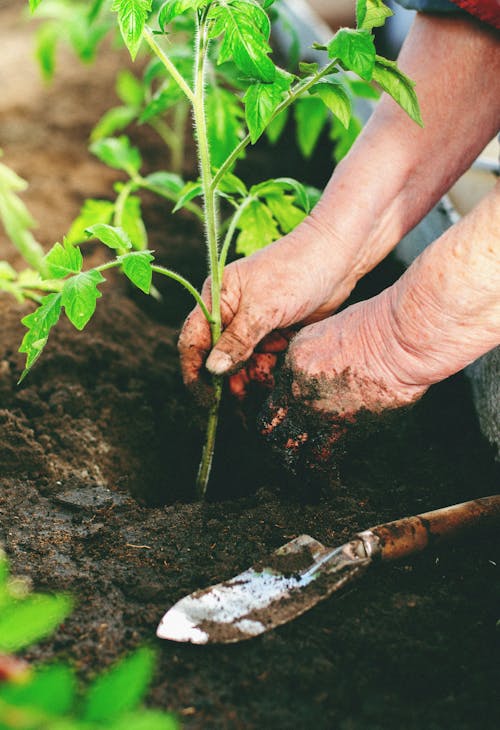
Here’s the thing — burying your tomato stem too deep might actually work in your favor. Tomatoes can grow roots all along their buried stems, which means a deeper planting often leads to a stronger root system. Most gardeners recommend burying up to two-thirds of the plant.
The mistake happens when you go *too* deep in cold, wet soil early in the season. In zones 5–8, if the ground hasn’t warmed up yet, deep planting causes rot instead of roots.
3.) Not Hardening Off Properly

Skipping the hardening off process is one of the easiest ways to set your tomatoes back by several weeks. Your seedlings have been living their best life indoors — steady temperatures, no wind, soft light. Tossing them straight into the garden is a shock to their system.
Spend 7 to 10 days gradually introducing them to outdoor conditions. Start with an hour of shade, then slowly add more sun and wind each day. That adjustment period makes a big difference come planting time.
4.) Using Cold or Wet Soil

Tomatoes really don’t like cold or soggy soil. If you plant them when the ground is still cold from winter or soaked from recent rain, their roots will struggle to establish and growth will stall for weeks.
Wait until soil temperatures reach at least 60°F before transplanting. You can check this with a simple soil thermometer. If the soil clumps together and feels wet when you squeeze it, give it a few more days to dry out before you dig in.
5.) Disturbing the Root Ball

Tomato roots are pretty sensitive, and roughing them up during transplanting can set your plants back by several weeks. Even squeezing the root ball to loosen it can tear the tiny feeder roots your plant depends on to pull in water and nutrients.
When you’re ready to transplant, slide the plant out gently and place it straight into the hole. If roots are circling the bottom, just lightly tease the outer edges — nothing aggressive. Keeping the root ball intact gives your tomatoes the best shot at settling in quickly.
6.) Skipping Pre-Transplant Watering

Giving your tomato seedlings a good drink of water an hour or two before transplanting is one of those small steps that makes a real difference. Moist soil clings to the roots, which helps protect them when you’re moving the plant.
Dry roots get damaged easily and take much longer to settle into their new home. A stressed plant can stall for weeks before it starts growing again.
Water the night before or at least a few hours ahead — your plants will thank you.
7.) Transplanting in Full Sun

Planting tomatoes in the middle of a sunny afternoon is a recipe for wilted, stressed seedlings. The intense heat and direct light hit transplants hard when they’re already trying to recover from being moved.
Aim to transplant in the early morning or evening when temperatures are cooler. This gives your plants time to settle into the soil before the sun gets harsh.
If you can, pick a cloudy day. Your tomatoes will thank you with faster, steadier growth.
8.) Using Nutrient-Poor Soil

Tomatoes are heavy feeders, which means they need rich, well-amended soil to grow well. Planting them in poor, depleted soil is one of the fastest ways to slow them down right from the start.
Before transplanting, mix in a good amount of compost or aged manure to give your plants something to work with. A balanced slow-release fertilizer works well too. If your soil is sandy or clay-heavy, fixing it before planting day makes a real difference in how quickly your transplants take off.
9.) Overcrowding Your Tomato Plants

Tomatoes need room to breathe, and planting them too close together is one of the easiest ways to slow their growth. Most varieties do best when spaced at least 18 to 24 inches apart, with rows about 3 to 4 feet wide.
When plants are crammed together, air circulation drops and moisture builds up, making disease much more likely. You also end up with roots competing for the same nutrients and water.
Give each plant its own space and you’ll see a real difference come harvest time.
10.) Forgetting to Remove Lower Leaves

When you transplant a tomato seedling, those lower leaves sitting near or below the soil line become a real problem. They trap moisture against the stem, which creates the perfect conditions for fungal diseases like early blight to take hold — especially in warm, humid summers.
Before you plant, strip off any leaves from the bottom third of the stem. This also encourages the buried stem to grow roots, giving your plant a stronger foundation heading into the growing season.
11.) Shocking Plants With Temperature Changes

Moving tomato seedlings from a warm indoor space to cool outdoor soil is a recipe for stress. If the temperature swing is too dramatic, plants can go into shock — leaves curl, growth stalls, and recovery can take weeks.
The fix is simple: harden off your seedlings gradually over 7 to 10 days. Start with an hour of outdoor time, then slowly increase exposure. Watch nighttime temps too — tomatoes struggle when soil dips below 55°F.

