Basil is one of those herbs that looks simple to grow but can quickly turn into a frustrating mess of yellowing leaves and leggy stems. Trust me, I’ve been there! The good news is that a few small changes to how you care for it can make a huge difference.
Whether you’re growing basil for the first time or trying to fix a struggling plant, these secrets will help you grow fuller, healthier plants all season long.
1.) Pinch Early and Often
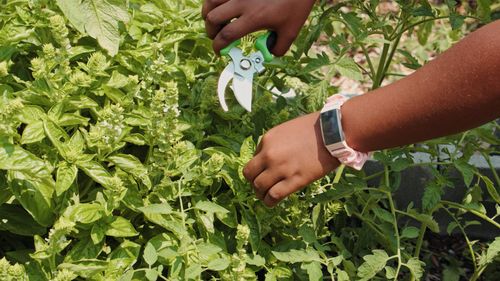
Pinching basil early is one of the best habits you can build. As soon as your plant has a few sets of leaves, pinch off the top growth right above a leaf node. This tells the plant to branch out instead of shooting straight up.
Keep doing this every week or two throughout the growing season. The more you pinch, the more stems you get. Skip this step, and you’ll end up with a tall, leggy plant that goes to seed way too fast.
2.) Water at the Base

Watering basil at the base instead of overhead might seem like a small thing, but it makes a real difference. Wet leaves invite fungal issues like downy mildew, which can wipe out a plant fast — especially in warm, humid summers when basil is at its peak.
Aim for the soil around the stem and water in the morning so any splashes dry out during the day. Basil likes consistent moisture, but never soggy roots, so let the top inch of soil dry slightly between waterings.
3.) Harvest Before Flowering
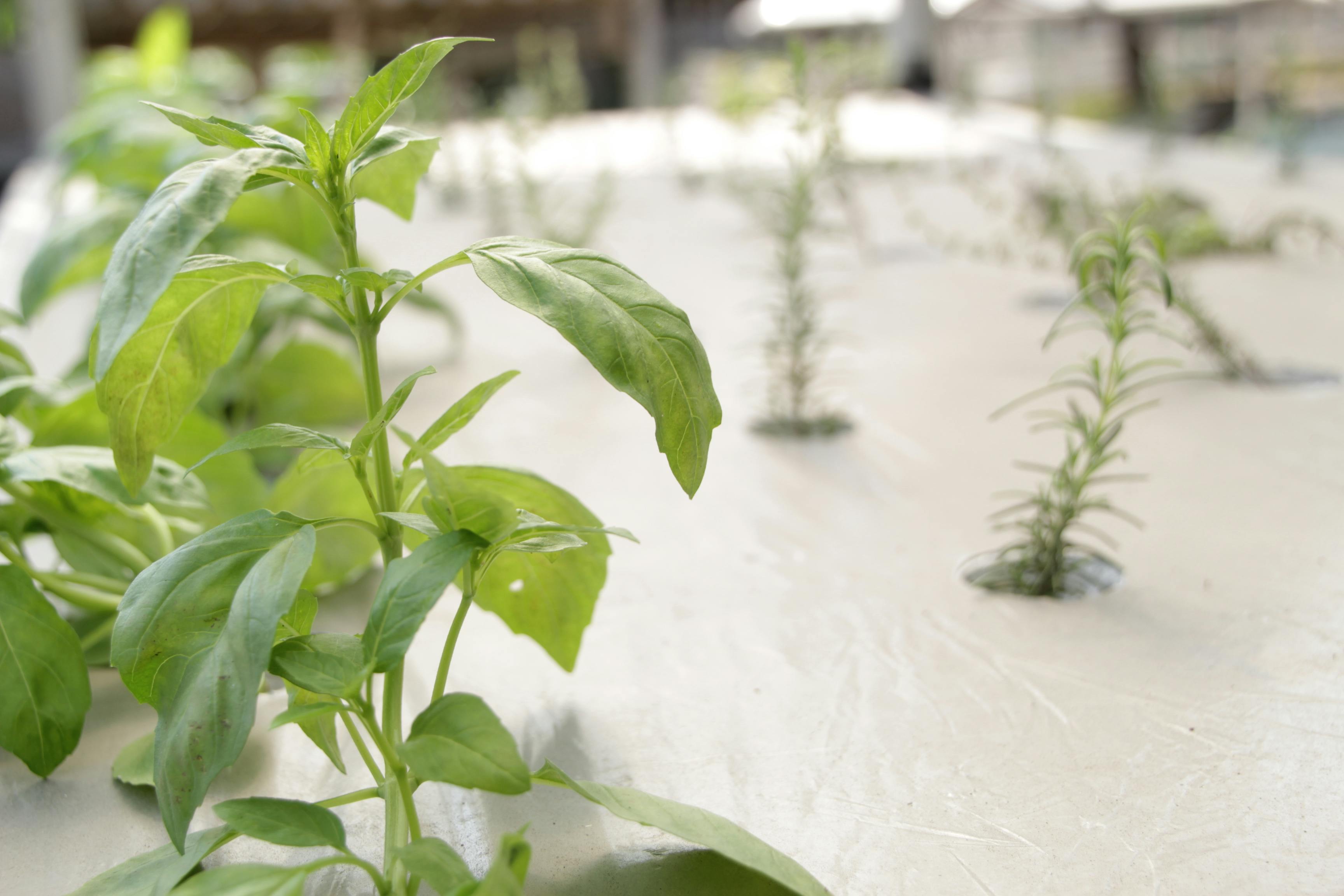
One of the best things you can do for your basil plant is harvest it before it gets a chance to flower. Once basil “bolts” — or goes to seed — the leaves turn bitter and the plant starts to die back. Keep an eye out for those little flower spikes popping up at the top.
Pinch them off right away, and your plant will keep pushing out fresh leaves instead. Do this regularly through the growing season (zones 10–11 or summer annual elsewhere) for the best harvests.
4.) Use Well-Draining Soil
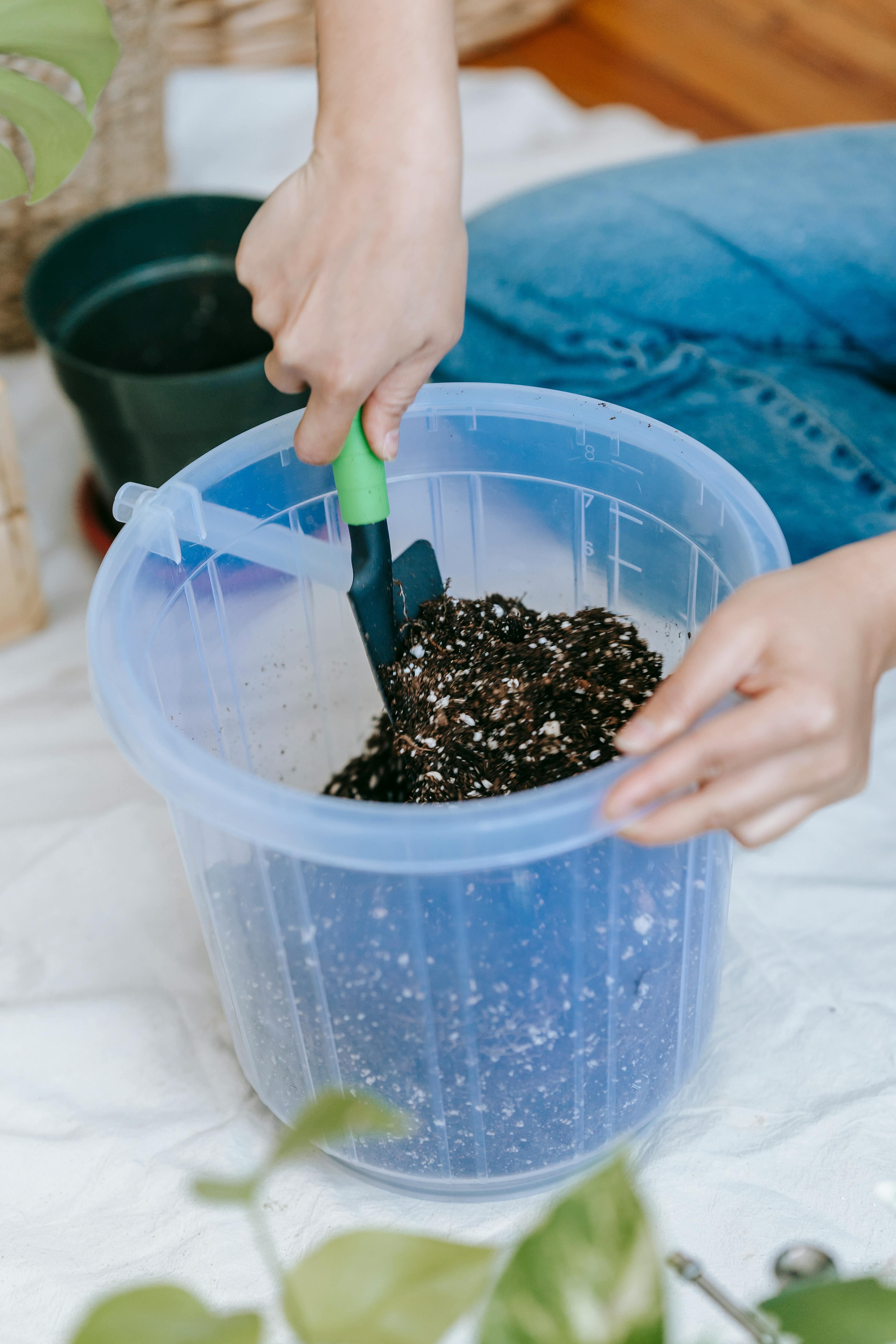
Basil really doesn’t like wet feet. If the soil stays soggy for too long, the roots can rot, and your plant will struggle no matter how much sun or water you give it. A well-draining mix keeps moisture balanced without drowning the roots.
A good option is a potting mix blended with perlite or coarse sand. This works especially well in containers. During the warm growing season, this simple step can be the difference between a sad, wilting plant and one that keeps pushing out fresh leaves.
5.) Provide Consistent Warmth
Basil is a warm-weather herb that really struggles when temperatures drop below 50°F. It thrives best when daytime temps stay between 70–90°F, so timing your planting matters a lot. Wait until well after the last frost before moving seedlings outside.
If you’re growing basil indoors, keep it away from cold drafts and air conditioning vents. A heat mat under your seed tray can speed up germination noticeably. Consistent warmth keeps growth steady and helps prevent the wilting and yellowing that cool conditions tend to cause.
6.) Remove Flower Buds Immediately

Basil puts a lot of energy into producing flowers and seeds, which means less energy going into those big, flavorful leaves you actually want. The moment you spot flower buds forming, pinch them off right at the stem.
Do this every few days during the warm growing season, especially in zones 10–11 where basil grows year-round. In cooler zones, you’ll be doing this all summer long.
The payoff is real — your plant stays bushy, leafy, and productive way longer.
7.) Space Plants Properly

Basil needs room to breathe, so don’t crowd your plants. Aim for about 12 to 18 inches between each one. When plants are too close together, airflow drops and that’s when fungal problems and pests start showing up.
Good spacing also means each plant gets enough sunlight and nutrients from the soil. In warm growing zones (9–11), basil can stay in the ground longer, but anywhere else, proper spacing helps you get the most out of your short summer season.
8.) Apply Organic Mulch

Spreading a layer of organic mulch around your basil plants is one of the easiest ways to keep them happy all season long. It helps the soil hold onto moisture, which means less frequent watering during hot summer days.
Aim for about 2 inches of straw, shredded leaves, or wood chips around the base of each plant. Keep mulch slightly away from the stems to prevent rot and discourage pests that love hiding in damp spots.
9.) Companion Plant Strategically

Basil and tomatoes are one of gardening’s most well-known pairings, and for good reason. Planting basil near your tomatoes can help repel aphids, whiteflies, and hornworms. It’s a simple trick that cuts down on pest problems without reaching for any sprays.
Other good neighbors include peppers and oregano. Keep basil away from sage, though, since they don’t grow well together. This works best during warm growing seasons in zones 10–11, or as a summer annual almost anywhere else.
10.) Feed Every Two Weeks

Basil is a heavy feeder, which means it burns through nutrients pretty quickly — especially when you’re harvesting it often. A balanced liquid fertilizer every two weeks keeps growth steady and the leaves tasting great.
Go easy on the nitrogen, though. Too much and you’ll get lots of leafy growth, but the flavor takes a hit. A 10-10-10 fertilizer works well, or try a fish emulsion for a more natural option. Feed during the growing season and skip it in cooler months.