If you’ve ever felt like you had to choose between a neat, put-together garden and one that actually supports bees and butterflies, good news — you really don’t! Pollinator-friendly gardens have come a long way, and there are so many smart ways to make them look intentional and well-planned.
I’ve been experimenting with different layouts in my own yard, and trust me, some of these ideas genuinely surprised me. Keep reading to see which designs made the list!
1.) Cottage Garden with Native Perennials
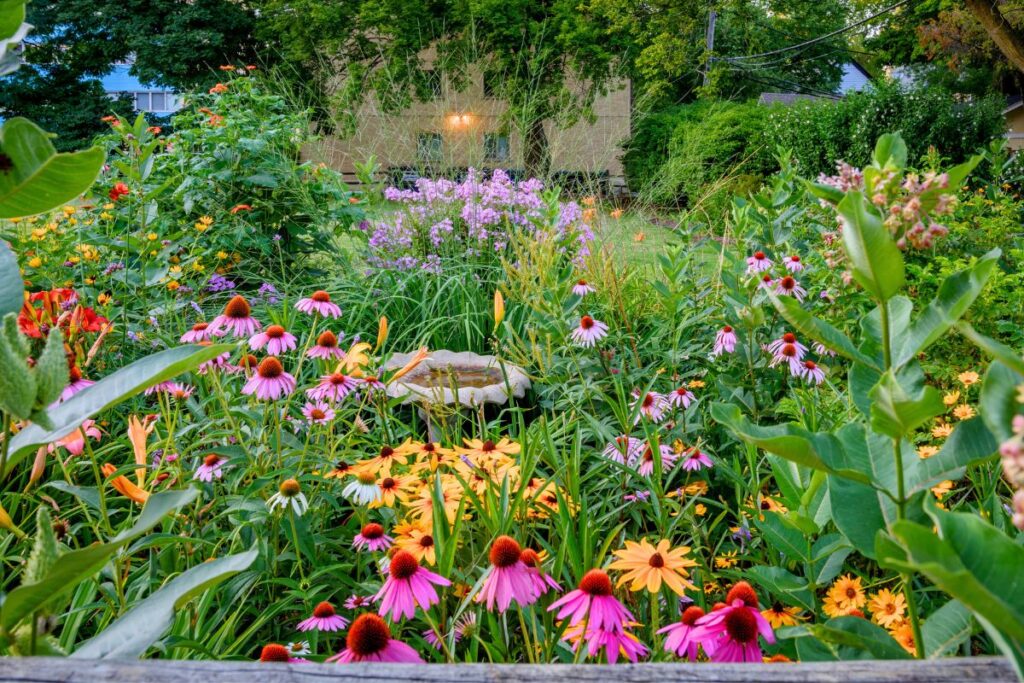
A cottage garden filled with native perennials is one of the easiest ways to bring pollinators into your yard without making it look wild or messy. Think coneflowers, black-eyed Susans, and bee balm planted in loose, layered groupings.
Most native perennials thrive in full sun and average soil, making them pretty low-maintenance once established. They’re hardy across a wide range of zones and come back reliably each spring.
Deadhead spent blooms to keep things tidy and encourage more flowers throughout the season.
2.) Modern Minimalist Pollinator Meadow

A modern minimalist pollinator meadow keeps things simple — think a handful of native grasses mixed with a few well-chosen wildflowers like black-eyed Susans and little bluestem. The result feels intentional rather than wild, which makes it a good fit for neighborhoods with strict HOA rules.
Most plants in this style do well in full sun and lean, well-drained soil. Once established, they need very little water or fussing. Works best in hardiness zones 4–9, with peak pollinator activity from late spring through fall.
3.) Formal Herb Garden with Blooms

A formal herb garden doesn’t have to be all function and no flowers. Mix in lavender, borage, and chive blossoms between your rosemary and thyme, and you’ve got a tidy, structured space that pollinators absolutely love.
Most of these plants do well in full sun with well-drained soil and minimal watering once established. They’re generally hardy in zones 4–9, depending on the variety.
Trim spent blooms regularly to encourage new flowers and keep things looking neat through spring and into fall.
4.) Tiered Border with Successional Flowering

A tiered border layers tall plants at the back, medium ones in the middle, and low growers at the front. The trick is choosing species that bloom at different times, so something is always flowering from early spring through fall.
Good picks include coneflowers, salvia, and black-eyed Susans for the middle and back rows. Creeping thyme or catmint work well up front. Most of these do fine in zones 4–9 with full sun and average soil.
Once established, they need minimal watering and very little fussing.
5.) Geometric Beds with Wildflower Zones

Pairing clean-lined raised beds with loose wildflower patches is a great way to keep your yard looking intentional while still giving pollinators plenty to work with. The structured beds anchor the space so the wilder areas don’t feel messy.
For the wildflower zones, stick with native mixes suited to your region and hardiness zone (3–9 covers most options). They need full sun and decent drainage but very little fuss once established.
Refresh the wildflower sections each fall by scattering new seed and lightly raking it in.
6.) Contemporary Prairie-Style Landscape
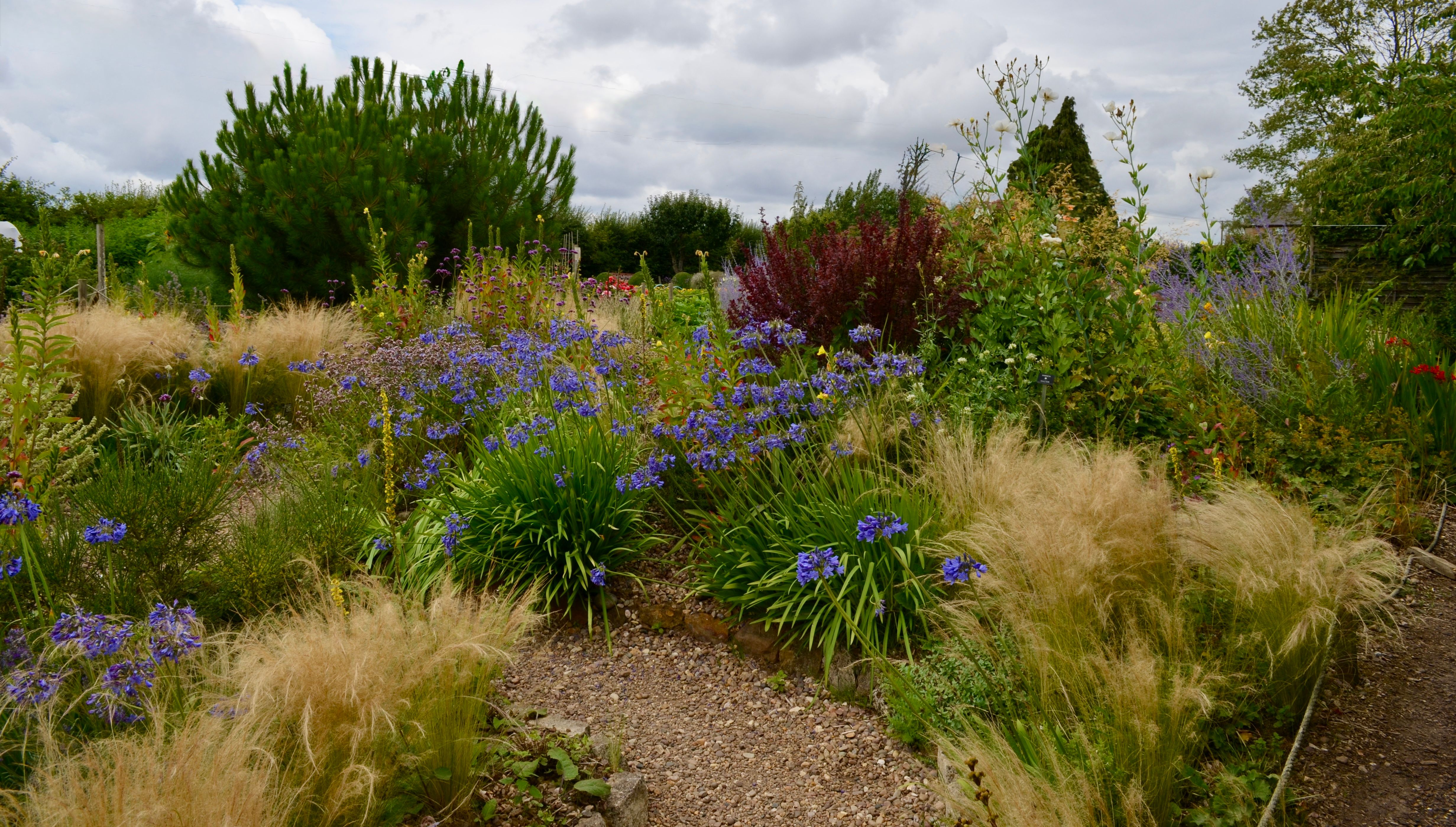
A contemporary prairie-style landscape layers native grasses, coneflowers, black-eyed Susans, and wild bergamot to create a meadow-like look that pollinators absolutely love. It works best in full sun with well-drained soil and thrives in zones 3–9.
The best part? It’s low-maintenance once established. Cut everything back in late winter before new growth appears, and skip heavy fertilizing — these plants prefer leaner soil.
You get a yard that looks intentional and put-together while doing real work for bees, butterflies, and birds.
7.) Mediterranean Courtyard with Pollinators

A Mediterranean courtyard style pairs well with pollinators because both love the same conditions — full sun, good drainage, and not too much fuss. Think lavender, rosemary, and thyme planted in gravel beds with terracotta pots scattered around. These plants thrive in Zones 7–10 and handle dry summers without much watering.
The key is keeping things a little loose. Bees and butterflies need open flowers, so skip heavy pruning in spring. A stone path or low wall ties it all together and gives it that clean, organized look.
8.) Structured Borders with Nectar Plants
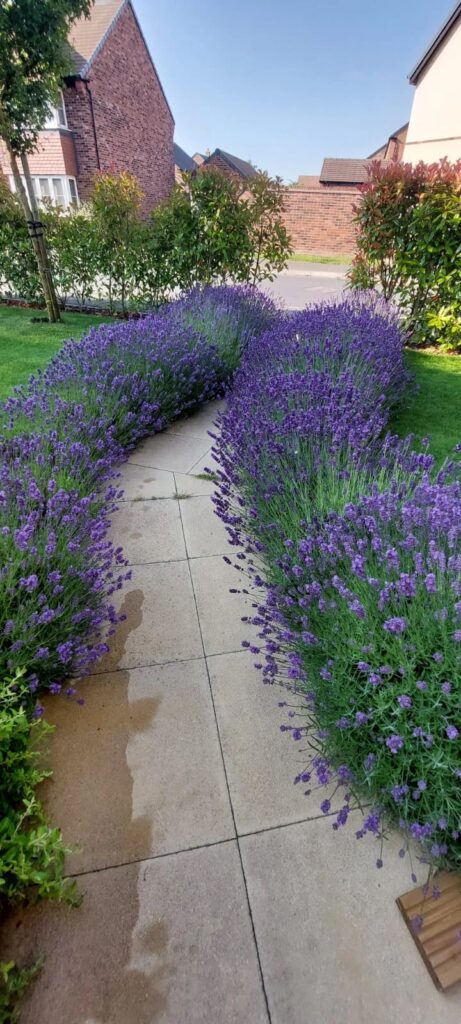
Neat borders don’t have to mean boring ones. Planting nectar-rich flowers like lavender, salvia, and catmint in clean, defined rows gives your yard a tidy look while keeping pollinators well-fed all season long.
Most of these plants do well in full sun and prefer well-drained soil. They’re fairly drought-tolerant once established, which means less watering for you. Lavender and salvia thrive in zones 5–9, and regular deadheading keeps them blooming longer and looking sharp throughout summer and into fall.
9.) Elegant Rain Garden Design

A rain garden is basically a shallow, bowl-shaped area in your yard that collects runoff from roofs or driveways. It looks intentional and tidy while doing real work for your landscape. Plant it with native perennials like coneflowers, black-eyed Susans, and swamp milkweed — all of which pollinators absolutely love.
These plants handle wet feet after a storm but can also tolerate dry spells between rains. Most thrive in zones 4–9 with full to partial sun and need very little maintenance once established.
10.) Symmetrical Butterfly Garden Layout
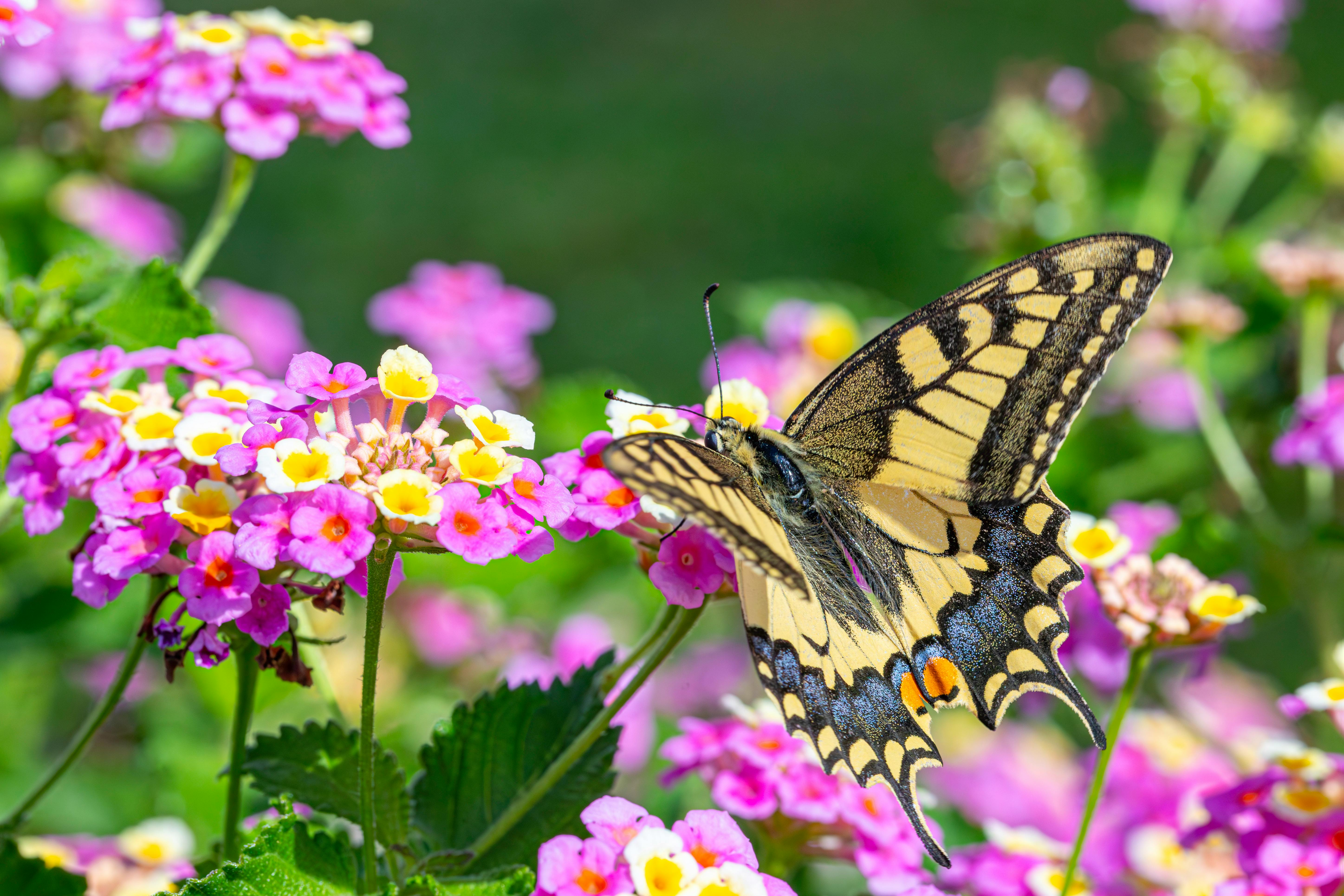
A symmetrical butterfly garden layout is exactly what it sounds like — two matching sides planted with nectar-rich flowers like coneflowers, black-eyed Susans, and milkweed. The mirrored design gives your yard a tidy, put-together look while still doing real work for pollinators.
Most plants in this style of garden do well in full sun and average soil, making upkeep pretty simple. This layout works best in zones 4–9, with peak activity from late spring through fall.
11.) Clean-Lined Native Plant Showcase
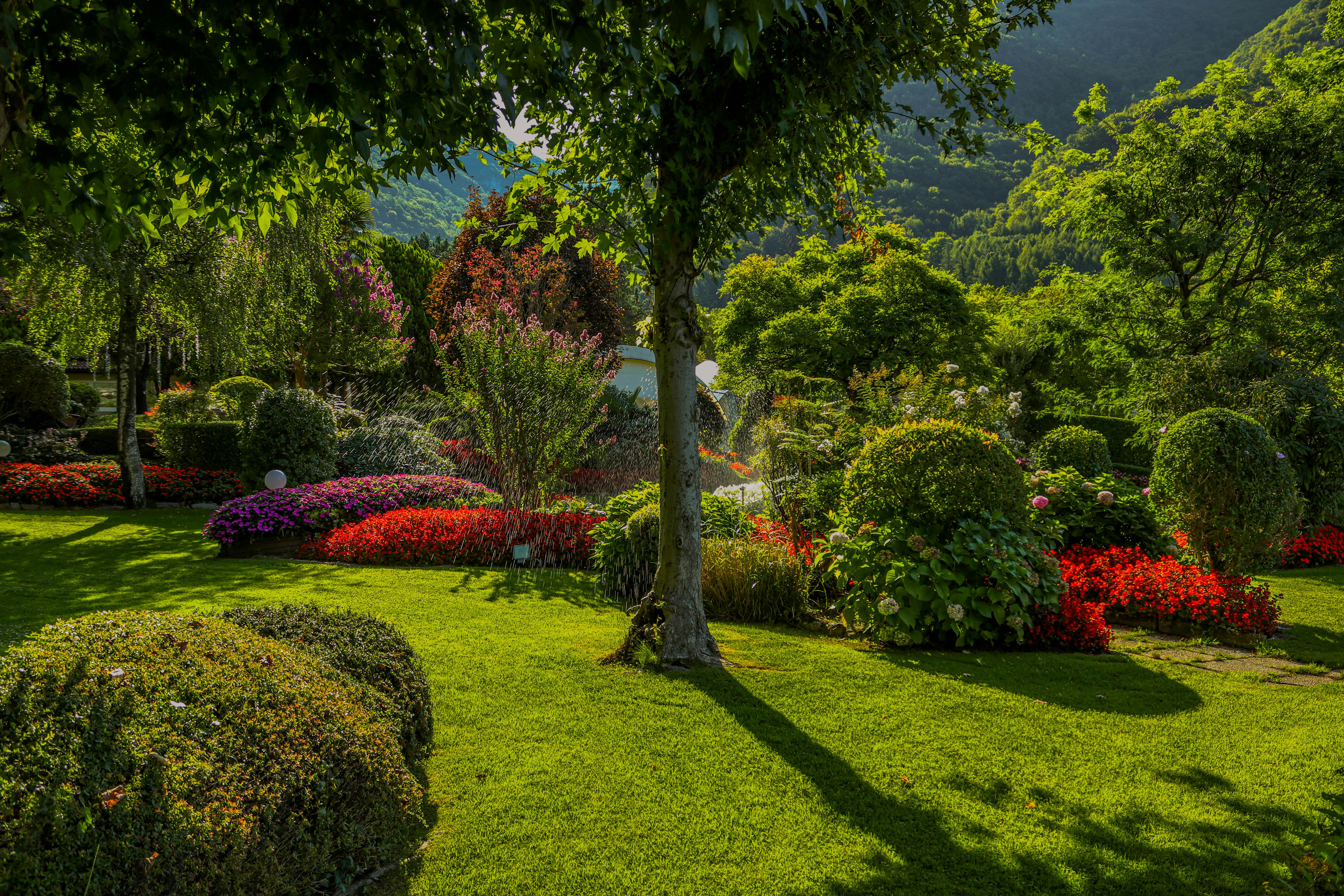
Native plants like coneflowers, black-eyed Susans, and wild bergamot are great options if you want a pollinator garden that still looks put together. Plant them in groups of three or five to create a clean, organized look rather than a scattered one.
Most native plants do well in full sun and average, well-drained soil with little watering once established. They’re typically hardy in zones 3–9. Deadhead spent blooms to keep things tidy and divide clumps every few years to maintain healthy growth.
12.) Organized Pollinator Pocket Gardens

Pocket gardens are small, defined planting zones that keep your pollinator plants grouped together instead of scattered randomly across your yard. Think raised beds, bordered sections, or even large containers arranged in a neat cluster. They look intentional and put-together while still giving bees and butterflies exactly what they need.
Fill them with easy-care plants like coneflowers, black-eyed Susans, and lavender that thrive in full sun and well-drained soil. Most work well in zones 4–9 and need minimal watering once established.