If you love spending time in your backyard but hate worrying about ticks, you’re going to want to keep reading. The good news is that nature has some pretty clever ways to help keep those pesky bugs away.
Certain plants can actually repel ticks just by growing in your garden. Some of them you probably already know, but a few on this list might really surprise you!
1.) Lavender

Lavender is one of those plants that works hard in your garden while smelling great doing it. Ticks and other insects really don’t like the strong scent, making it a smart addition to backyard borders or pathways where people walk often.
It grows best in full sun with well-drained soil and doesn’t need much water once established. Hardy in zones 5–8, lavender comes back every year with minimal fuss. Just trim it back in spring to keep it from getting too woody.
2.) Rosemary
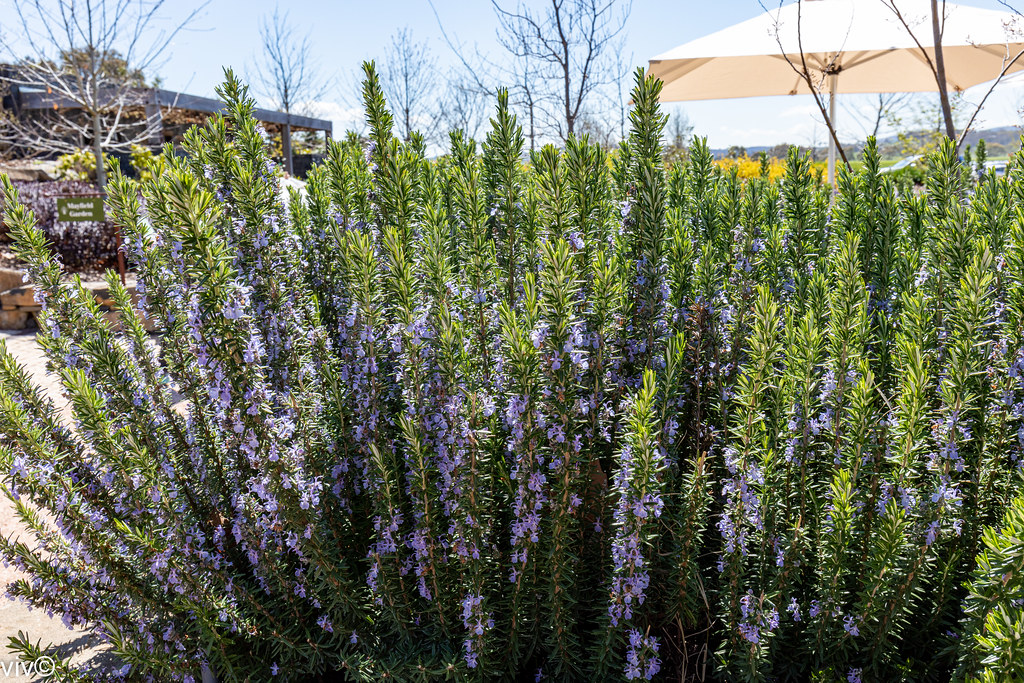
Rosemary is a classic herb that does double duty in the garden — it smells great to us but ticks absolutely hate it. The strong, woodsy scent works as a natural deterrent, making it a smart addition near patios or pathways where you spend time outdoors.
It grows best in full sun with well-drained soil and doesn’t need much water once established. Hardy in zones 7–10, rosemary thrives in warm conditions. In cooler zones, try growing it in containers you can bring inside during winter.
3.) Lemongrass
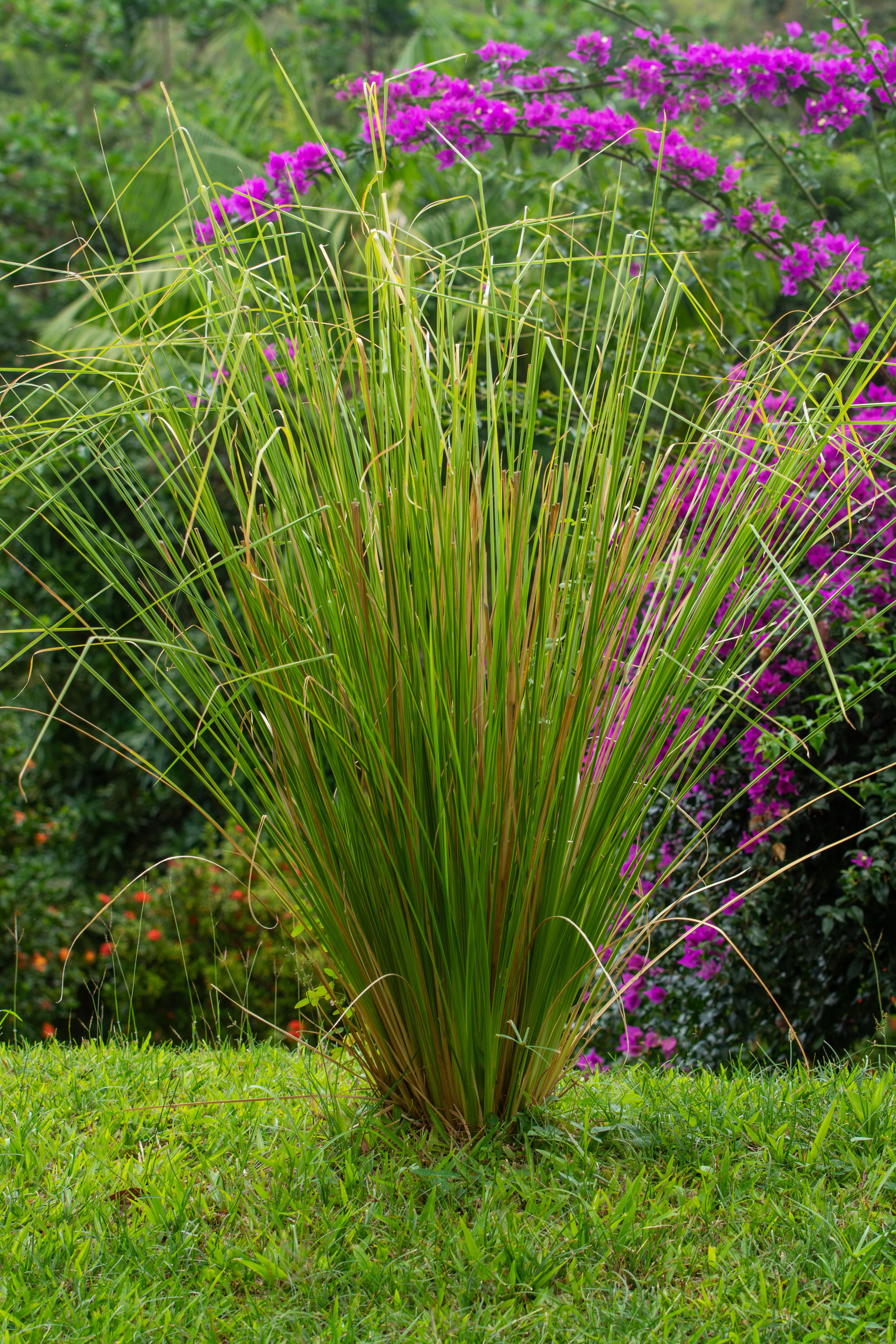
Lemongrass is a tall, grassy plant that ticks really don’t like, thanks to its strong citrus scent. It contains citronella oil, which is the same stuff used in many bug-repelling candles and sprays.
It grows best in full sun and well-drained soil, and it loves warm weather. In zones 8–11, it’ll come back year after year. In cooler zones, just grow it in a pot and bring it inside before the first frost.
4.) Citronella Grass
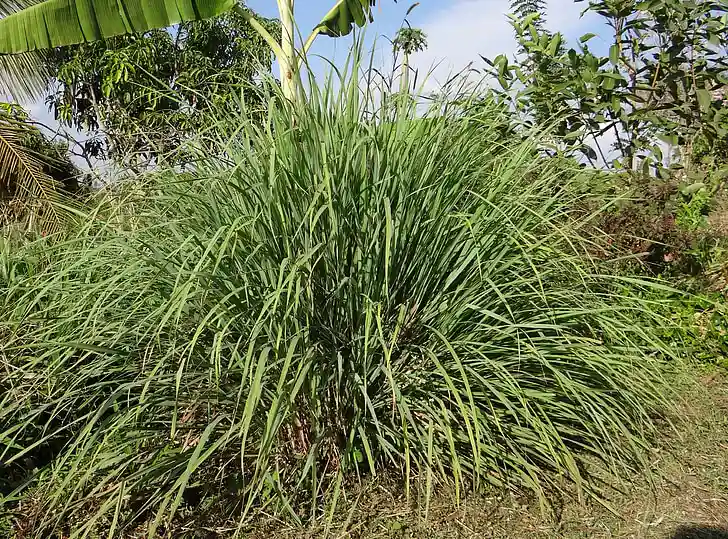
Citronella grass is one of the most well-known tick and mosquito repellents you can grow. It releases a lemony scent that bugs genuinely hate, making it a solid addition to any backyard.
It grows best in full sun and well-drained soil, thriving in hardiness zones 10–12. In cooler climates, grow it in containers and bring it indoors before the first frost.
Keep the soil moist but not soggy, and trim it back occasionally to encourage fresh, fragrant growth.
5.) Marigold
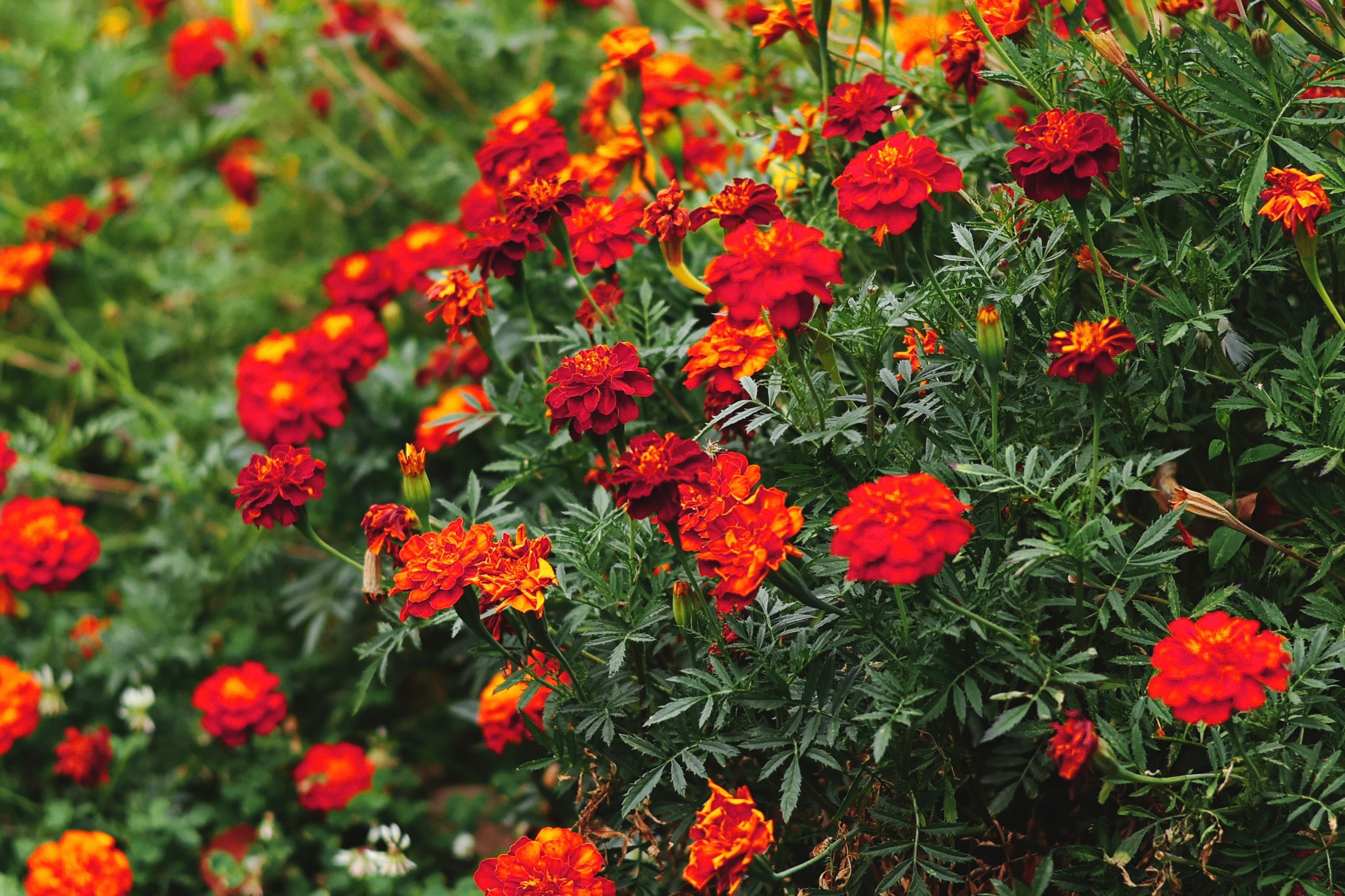
Marigolds are one of the most well-known tick-repelling plants you can grow, and they’re pretty easy to take care of too. They contain a natural compound called pyrethrum, which bugs — including ticks — really don’t like.
Plant them in full sun and well-drained soil after the last frost. They thrive in zones 2–11 as warm-season annuals. Water them regularly but don’t overdo it, and deadhead spent blooms to keep new flowers coming all season long.
6.) Catnip
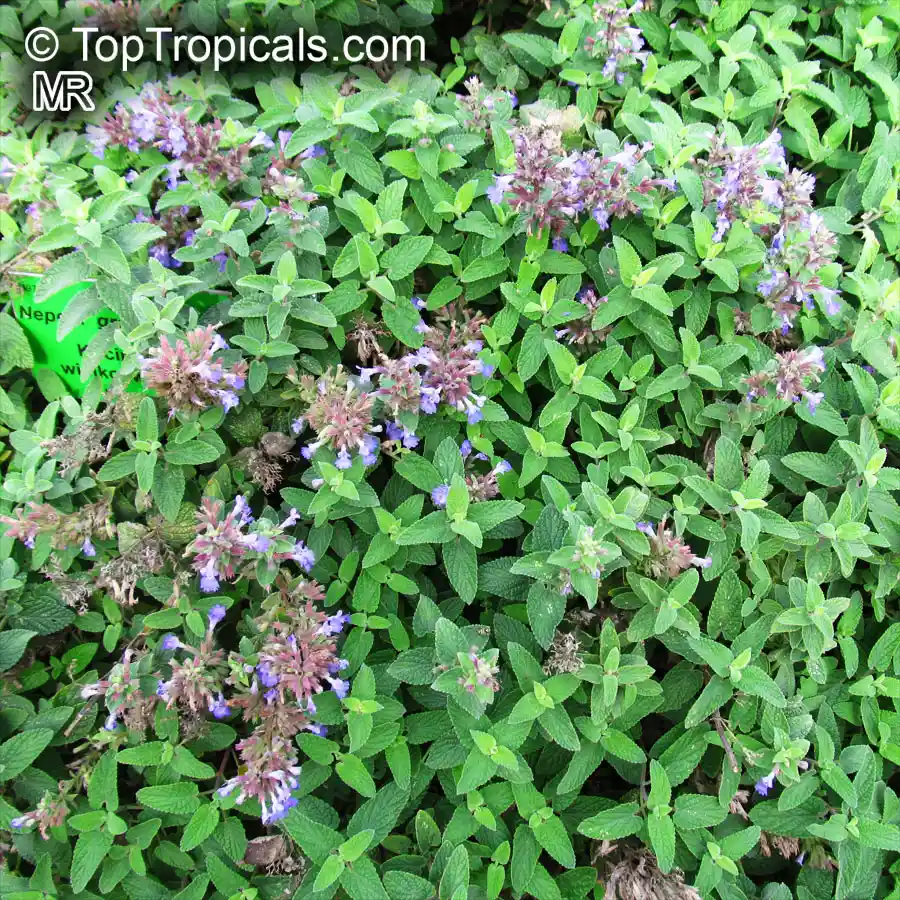
Catnip isn’t just for your cat — it’s actually a solid tick repellent, thanks to a natural compound called nepetalactone. Some studies suggest it works even better than DEET, which is pretty impressive for a backyard herb.
It’s easy to grow in zones 3–9 and does well in full sun to partial shade. Plant it in well-drained soil and give it occasional trimming to keep it from spreading too much. Just don’t be surprised when neighborhood cats start showing up uninvited.
7.) Chrysanthemum
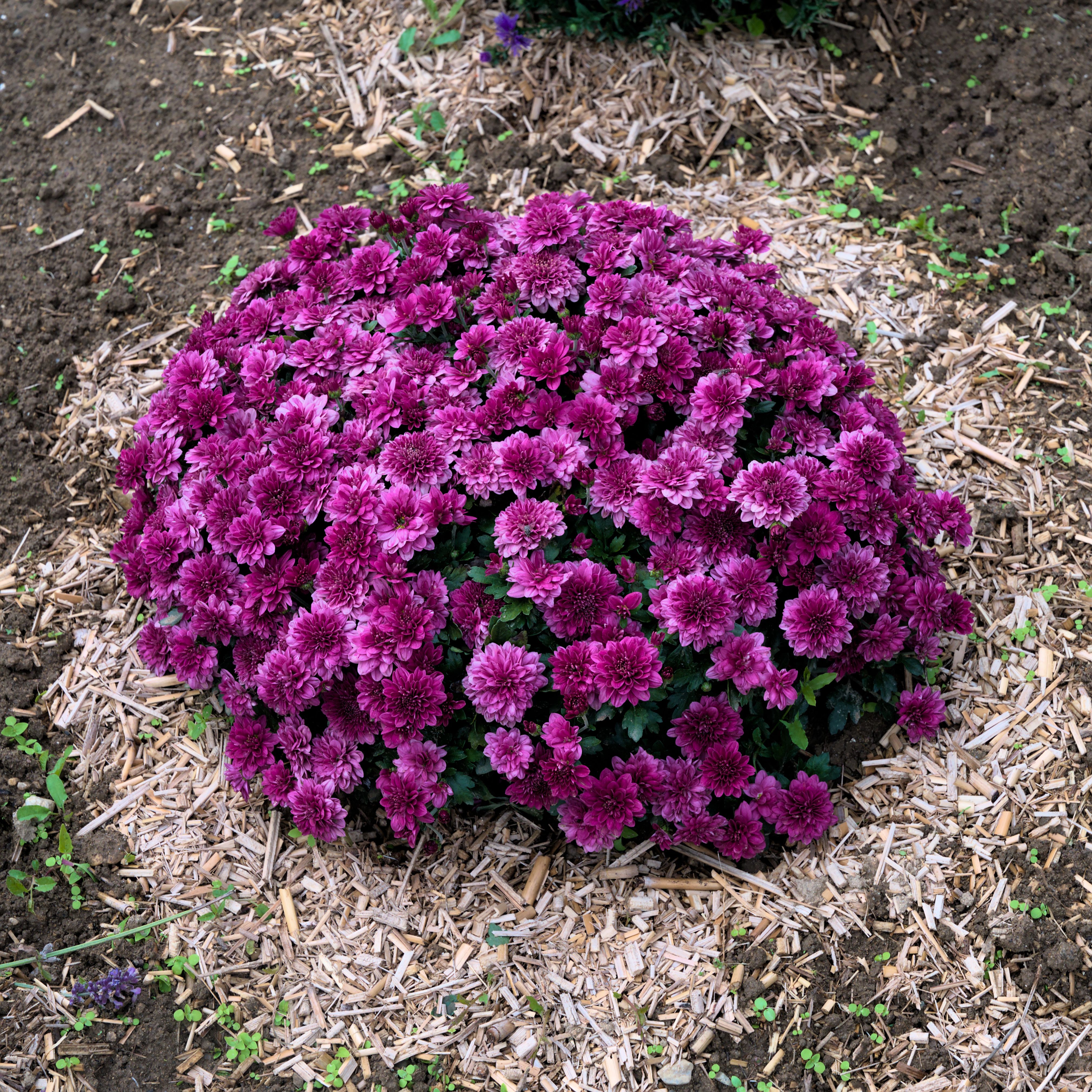
Chrysanthemums are one of the best-known tick repellent plants out there, thanks to a natural compound called pyrethrin found in their flowers. It’s actually used in many commercial insect repellents, so having these in your yard is like getting that protection straight from the source.
They grow well in full sun and prefer well-drained soil. Plant them in spring for fall blooms, and deadhead regularly to keep them flowering. They do well in hardiness zones 5–9 and are pretty low-maintenance once established.
8.) Sage

Sage is a well-known kitchen herb that also happens to keep ticks at bay. Its strong, earthy scent confuses and repels insects, making it a smart addition to garden borders or near seating areas.
It grows best in full sun with well-drained soil and doesn’t need much water once established. Sage is pretty tough, doing well in zones 4–8. You can even dry the leaves and burn them outside to keep bugs away during summer evenings.
9.) Peppermint

Peppermint is a great addition to your yard if you want to keep ticks away. Its strong menthol scent is something ticks really don’t like, making it a useful natural repellent you can actually enjoy.
It grows well in zones 3–8 and prefers moist, well-drained soil with partial to full sun. Keep in mind that peppermint spreads fast, so planting it in containers is a smart way to keep it under control.
10.) Pennyroyal
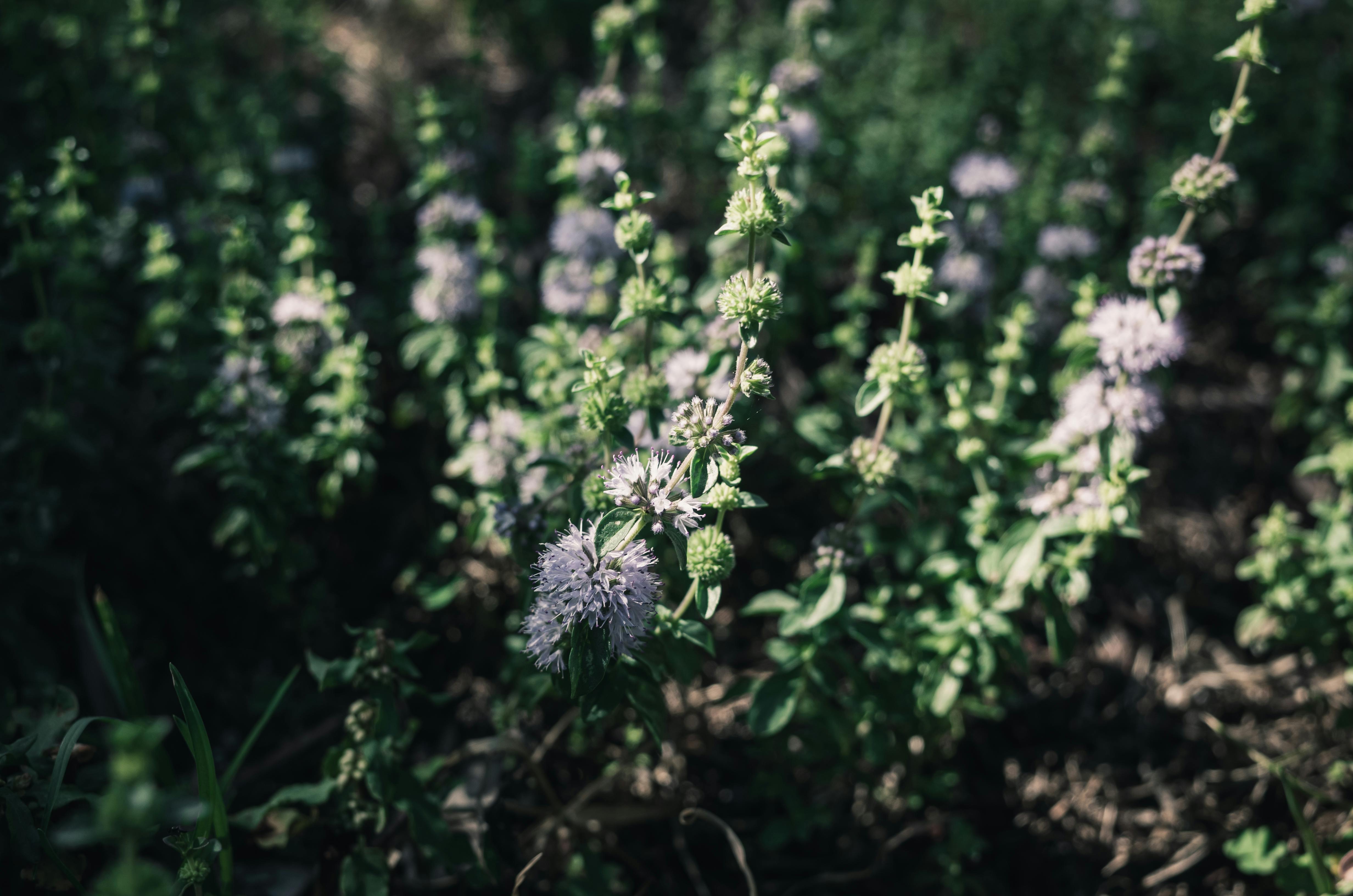
Pennyroyal is a member of the mint family, and like its relatives, it releases a strong scent that ticks really don’t like. It works well as a ground cover or along garden borders, and you can even crush the leaves to rub on your skin as a natural repellent.
It grows best in moist, well-drained soil with full sun to partial shade. Hardy in zones 5–9, it spreads easily and comes back each year, so it’s pretty low-maintenance once established.
11.) Eucalyptus

Eucalyptus is a fast-growing tree that naturally repels ticks thanks to its strong, camphor-like scent. The oils in its leaves are actually used in many commercial insect repellents, so having it in your yard is like bringing that protection right to your backyard.
It grows best in Zones 8–11 and loves full sun with well-drained soil. In cooler climates, try growing it in a pot and bringing it indoors during winter. It doesn’t need much water once established.
12.) Garlic
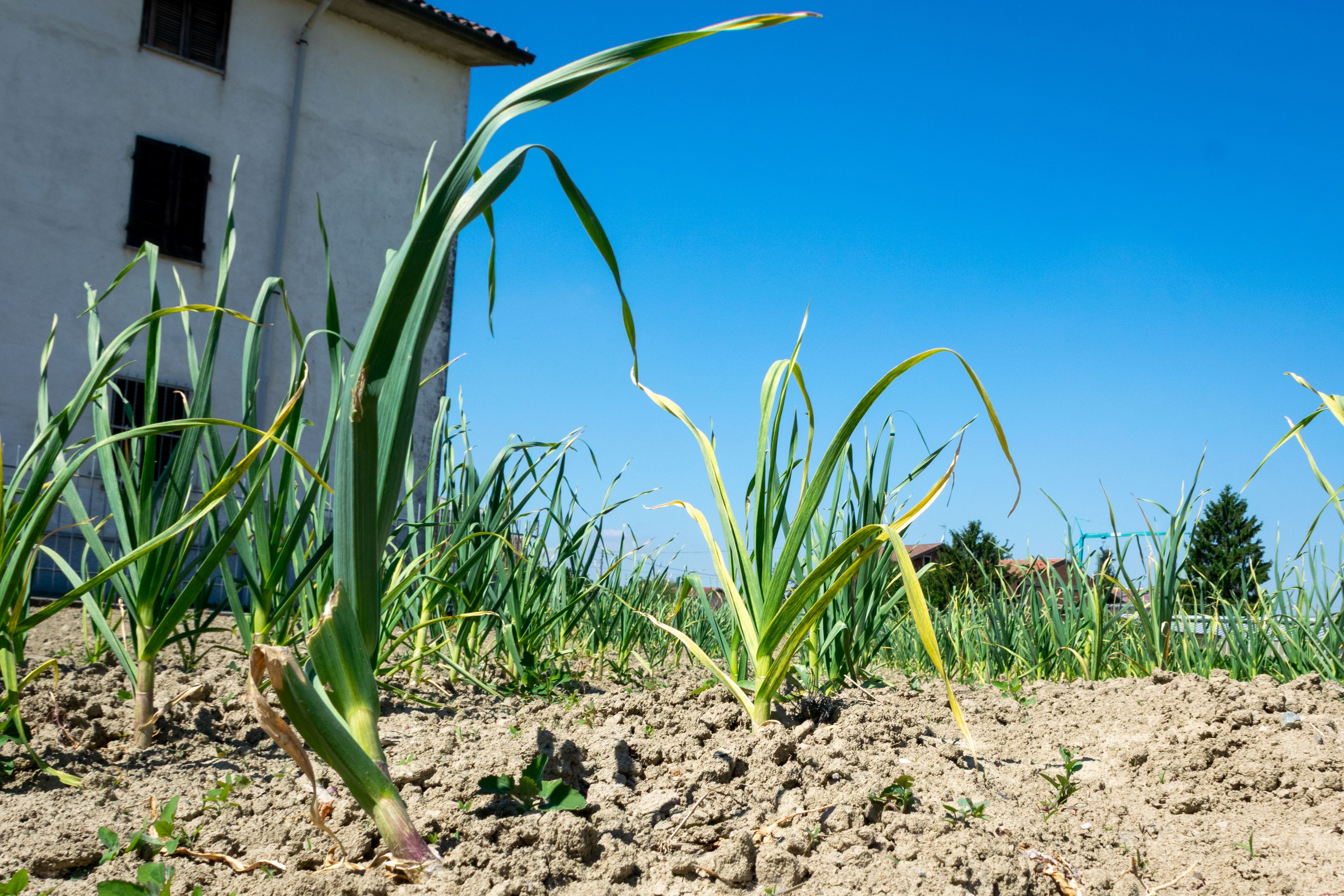
Garlic does more than flavor your favorite dishes — it also helps keep ticks away. The strong sulfur compounds it releases act as a natural deterrent for many pests, including ticks that might wander into your yard.
Plant garlic in full sun with well-drained soil, and you’ll have very little to worry about. It grows well in zones 3–8, and fall is the best time to get bulbs in the ground. Just keep the soil loose and avoid overwatering.
13.) Thyme
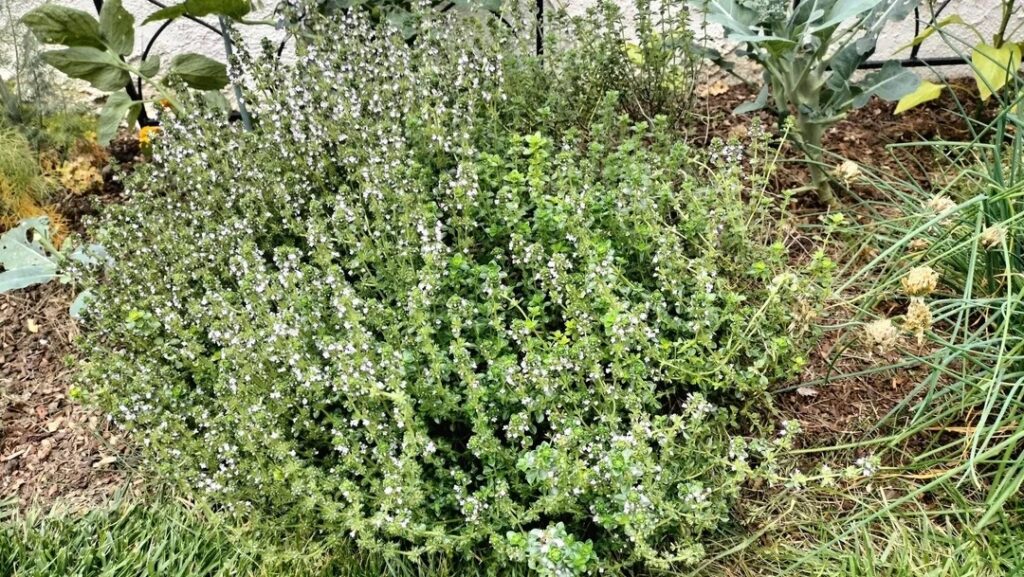
Thyme is a go-to herb that does double duty in the garden — it smells great to us but ticks want nothing to do with it. Plant it along pathways or borders where you’ll brush against it often, since that contact releases its natural oils.
It grows best in full sun with well-drained soil and doesn’t need much water once established. Thyme is hardy in zones 4–9 and stays low-maintenance all season long, making it an easy addition to any backyard.
14.) Basil

Basil is a well-known kitchen herb that also does a solid job of keeping ticks at bay. Its strong scent confuses and repels many pests, making it a smart addition to garden borders or patio containers.
It grows best in full sun with well-drained soil and needs regular watering without getting waterlogged. Basil thrives in warm weather, so plant it after the last frost. It does well in zones 2–11 as an annual and grows quickly through summer.
15.) Lemon Balm
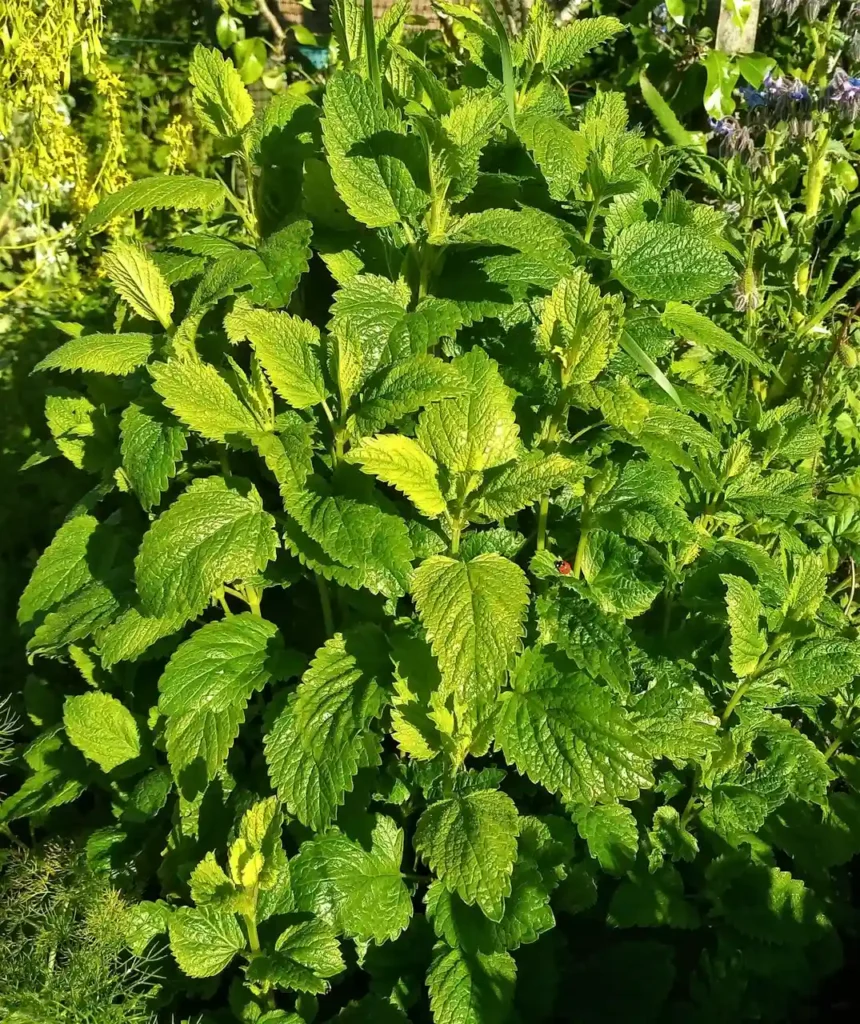
Lemon balm is a leafy herb that ticks genuinely want nothing to do with, thanks to its strong citrus scent. It grows quickly and can spread pretty aggressively, so planting it in containers is a smart move if you want to keep it under control.
It thrives in full sun to partial shade and handles most soil types without much fuss. Hardy in zones 3–7, it comes back every year and needs very little attention beyond occasional trimming to keep it tidy.
16.) Geranium
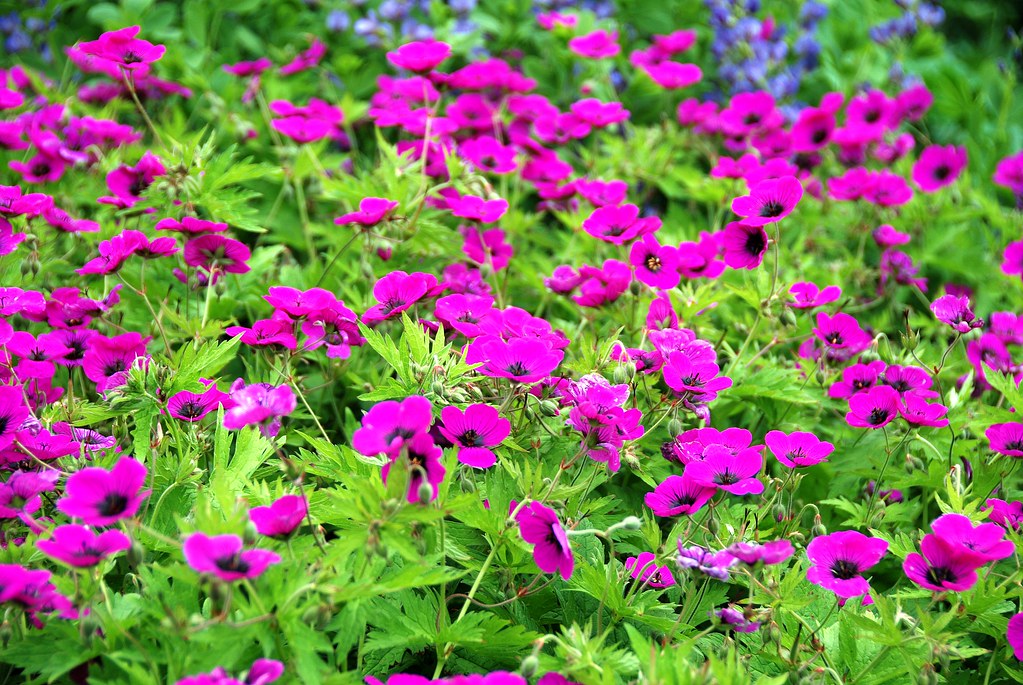
Geraniums are a great addition to any backyard if you want to keep ticks at bay. Their strong, citrusy scent comes from natural oils that bugs — including ticks — really don’t enjoy.
They grow well in containers or garden beds and prefer full sun with well-drained soil. Water them regularly but let the soil dry out a bit between waterings to avoid root rot.
Most geraniums do best in zones 10–11 but work as annuals in cooler climates during summer months.
17.) Wormwood
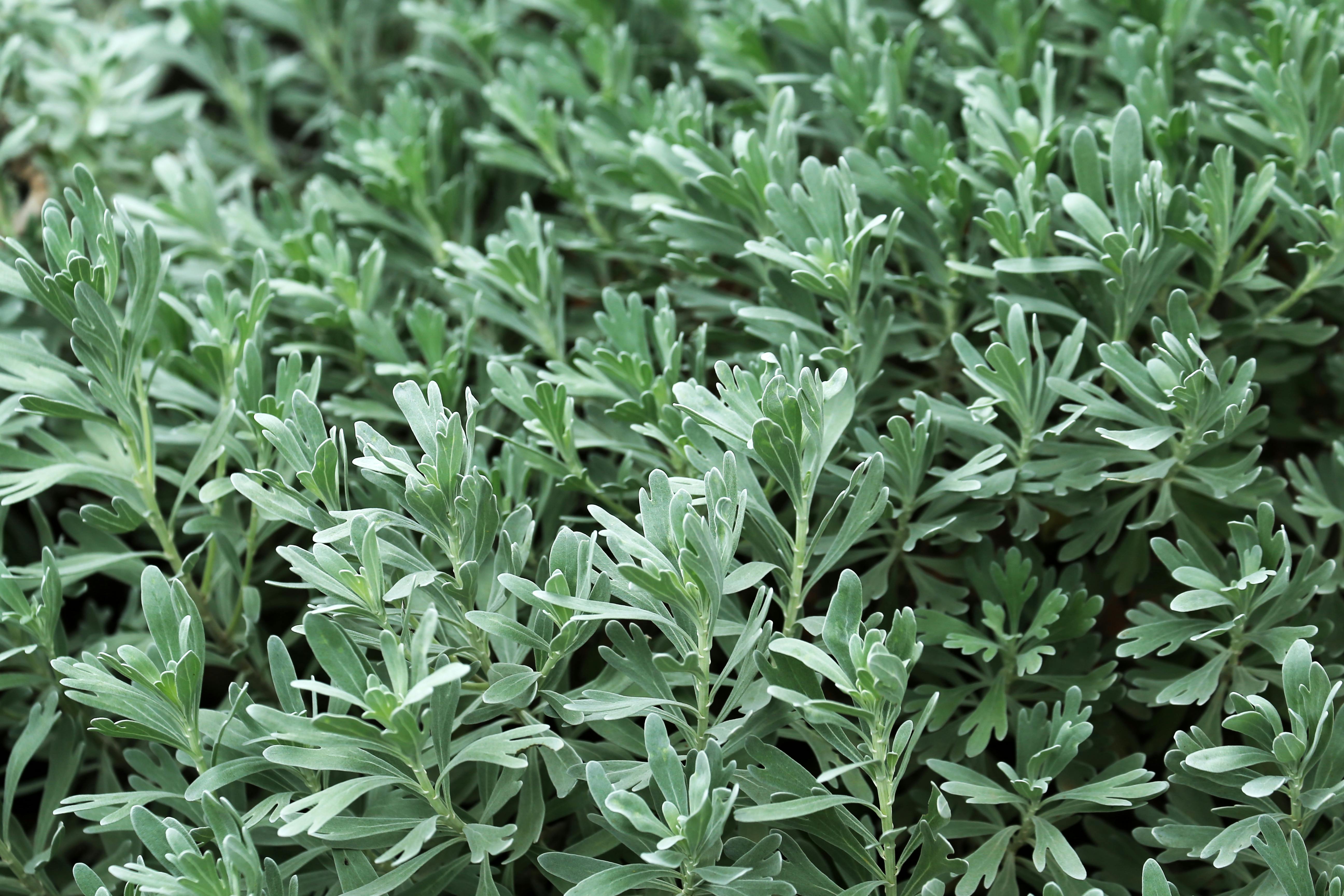
Wormwood (*Artemisia absinthium*) has a strong, bitter scent that ticks genuinely can’t stand. Plant it along garden borders or pathways where you spend the most time outdoors, and it’ll do a solid job keeping those pests at bay.
It grows best in full sun and well-drained soil, and it’s pretty forgiving once established — drought-tolerant and low-maintenance. Hardy in zones 4–9, it comes back reliably each year.
Just keep it away from edible plants, since its oils can affect nearby crops.
18.) Tansy

Tansy is an old-fashioned herb that ticks genuinely hate. Its strong, almost medicinal scent comes from natural compounds called thujone and camphor, which make it a solid choice for keeping pests away from garden paths and seating areas.
It grows best in full sun and tolerates poor, dry soil without much fuss. Hardy in zones 3–8, it comes back every year with minimal care. Just keep an eye on it — tansy spreads quickly and can take over if left unchecked.
19.) Fleabane

Fleabane is a cheerful little wildflower that has been used for centuries to repel fleas, ticks, and other insects. Its name alone gives you a pretty good hint about what it does best.
It grows well in USDA zones 2–9 and thrives in full sun with well-drained soil. Once established, it’s pretty low-maintenance and even tolerates dry conditions.
Plant it along garden borders or pathways where you and your pets walk most often for the best tick-deterring effect.
20.) Cedar
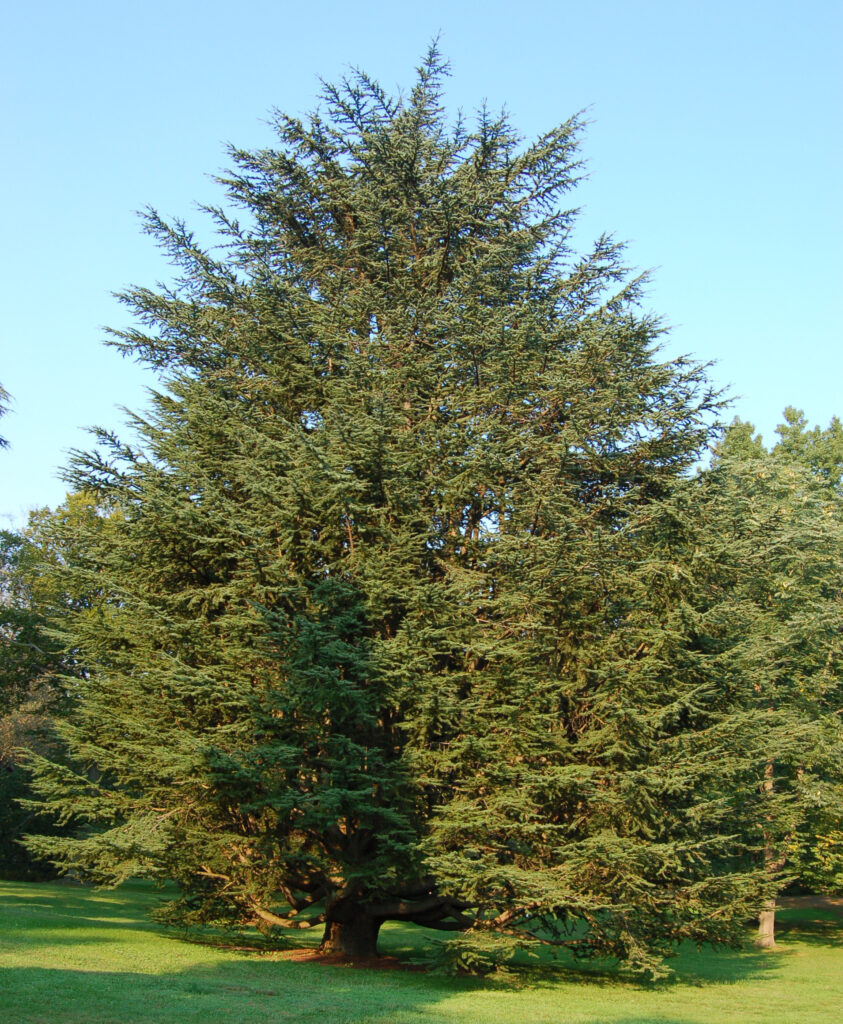
Cedar is a solid choice if you want a natural tick deterrent that also looks great in your yard. The oils in cedar wood and foliage are well-known for repelling ticks and other pests, which is why cedar mulch is so popular in garden beds.
Cedar trees grow well in Zones 3–9 and prefer full sun with well-drained soil. They’re pretty low-maintenance once established and don’t need much watering. Spreading cedar mulch around your yard adds an extra layer of protection right at ground level.