Finding a snake in your garden can be a real shock, especially when you’re just trying to enjoy your plants or do a bit of weeding. The truth is, certain things we do in our yards can actually invite them in without us even realizing it.
Some of these mistakes are super common among gardeners, and you might be making a few of them right now. Let’s take a look at what could be drawing snakes straight to your garden!
1.) Leaving Piles of Debris

Piles of leaves, brush, and old wood might seem harmless, but they’re basically a welcome mat for snakes. These spots stay cool and damp, which is exactly what snakes are looking for when they want to hide or hunt.
On top of that, debris piles attract mice and other small animals that snakes love to eat. Clear out yard waste regularly, especially in warmer months when snakes are most active. A tidy yard gives them far fewer reasons to stick around.
2.) Overgrown Grass and Weeds

If your lawn looks more like a meadow, you might be sending an open invitation to snakes. Tall grass and weeds give them the perfect cover to move around without being seen, and they also attract the mice and insects that snakes like to eat.
The fix is pretty simple — mow regularly and pull weeds before they get out of hand. Aim to keep grass under four inches tall, especially along fences, garden beds, and the edges of your property.
3.) Unmaintained Wood Piles

Wood piles are great for storing firewood, but leaving them messy and unmaintained is basically rolling out a welcome mat for snakes. They love hiding in the dark, damp gaps between logs where they can stay cool and hunt for mice and other small creatures.
Try stacking your wood neatly off the ground on a rack, and keep it away from your house. Check it regularly and clear away any debris that builds up around the base.
4.) Open Compost Bins

Open compost bins are basically a free buffet sign for snakes. The decomposing material generates heat, which attracts rodents and frogs — and where there’s prey, snakes will follow.
Switching to a closed, sealed bin makes a big difference. Look for one with a tight-fitting lid and no gaps along the sides or bottom. Turn your compost regularly to keep it from getting too warm and inviting.
Keeping the bin away from your home’s foundation is also a smart move.
5.) Standing Water Sources

Standing water is like a welcome sign for snakes. Birdbaths, clogged gutters, low spots in the yard, and even overwatered garden beds can all collect water that attracts frogs and small rodents — which are basically snake food.
If you’ve got a pond or water feature, that’s fine, but make sure to keep the edges clean and tidy. Empty any containers that collect rainwater regularly, and fix drainage issues in your yard to keep things as dry as possible.
6.) Dense Ground Cover Plants
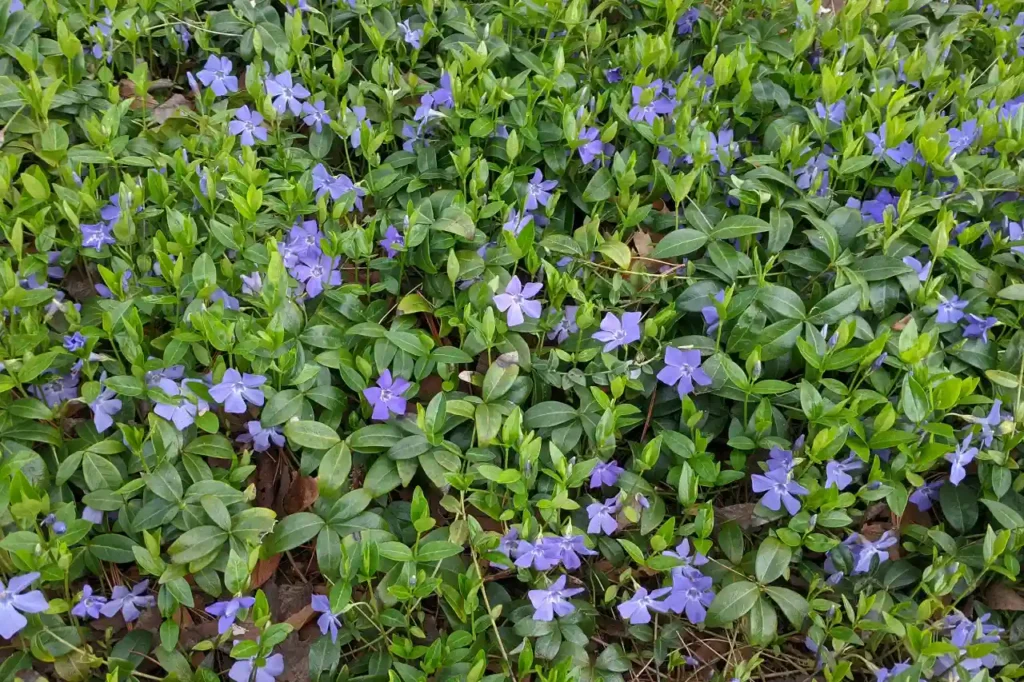
Dense ground cover plants like ivy, vinca, or pachysandra might look nice filling in those bare spots, but they can quietly become a snake magnet. Low, thick growth creates the perfect hiding spot for snakes to stay cool and hunt for rodents or insects.
If you already have ground cover in your yard, try keeping it trimmed back and away from your home’s foundation. Good airflow and less clutter at ground level gives snakes fewer reasons to settle in.
7.) Rodent Infestations

Rodents like mice and voles are a big food source for snakes, so if you have them in your yard, snakes will eventually show up looking for a meal. Piles of wood, dense ground cover, and cluttered storage areas give rodents the perfect hiding spots.
Keep your yard tidy, store firewood off the ground, and check for gaps in sheds or fences where rodents might sneak in. Less rodents means fewer reasons for snakes to stick around.
8.) Low-Hanging Bird Feeders

Bird feeders placed too low to the ground might seem like a good idea for getting a closer look at your feathered visitors, but they can actually create a real problem. Spilled seeds attract mice and other small rodents, and where rodents go, snakes are sure to follow.
Try mounting your feeders at least five feet off the ground and use a tray or catch basin underneath to collect fallen seeds. A little cleanup goes a long way in keeping snakes away.
9.) Rock Piles and Walls

Rock piles and stone walls might look like a natural, rustic addition to your yard, but snakes absolutely love them. All those gaps and crevices make perfect hiding spots where they can stay cool during the day and warm up at night.
If you already have a rock wall for landscaping purposes, that’s fine — just keep it away from your home’s foundation. Avoid letting loose rock piles sit around randomly, especially near garden beds where rodents like to nest.
10.) Unsealed Foundation Gaps

Gaps around your foundation might seem harmless, but snakes see them as an open invitation to move in. Even small cracks can lead to warm, hidden spaces that are hard to reach once a snake settles in.
Walk around your home and check for any openings near pipes, vents, or where the foundation meets the ground. Use caulk or weatherstripping to seal them up. It’s a simple fix that can save you a lot of trouble later.
11.) Thick Mulch Layers

Thick mulch layers might seem like a great idea for your garden beds, but piling it on too deep can actually invite snakes right into your yard. When mulch gets deeper than three inches, it creates the perfect hiding spot — dark, cool, and full of insects and rodents that snakes love to eat.
Try keeping your mulch around two to three inches deep. That’s enough to hold moisture and regulate soil temperature without turning your garden into a snake hotel.
12.) Neglected Storage Sheds

That old shed sitting in the corner of your yard might seem harmless, but it’s basically a welcome sign for snakes. Dark, cluttered spaces with piles of tools, wood scraps, or old pots give snakes exactly what they’re looking for — shelter and warmth.
Do yourself a favor and clear it out a couple of times a year. Seal any gaps along the base, keep the floor tidy, and store items in sealed bins. A little organization goes a long way in keeping snakes out.

