Having a small backyard doesn’t mean you have to miss out on growing your own fruit. There are actually quite a few fruit trees that grow really well in tight spaces, and some of them might surprise you!
Whether you’ve got a tiny patio or just a narrow strip of yard to work with, these trees are totally worth considering. Trust me, a few of these are ones I never even thought about planting until recently.
1.) Dwarf Meyer Lemon

Dwarf Meyer Lemons are a favorite for small spaces because they stay compact — usually under 6 feet tall — and still produce a solid crop of juicy, thin-skinned lemons.
They grow well in containers or in the ground and do best in Zones 8–11. In colder climates, just bring the pot indoors during winter.
Give them full sun, well-draining soil, and regular watering. Feed with a citrus fertilizer a few times a year, and you’ll be rewarded with fruit almost year-round.
2.) Dwarf Peach
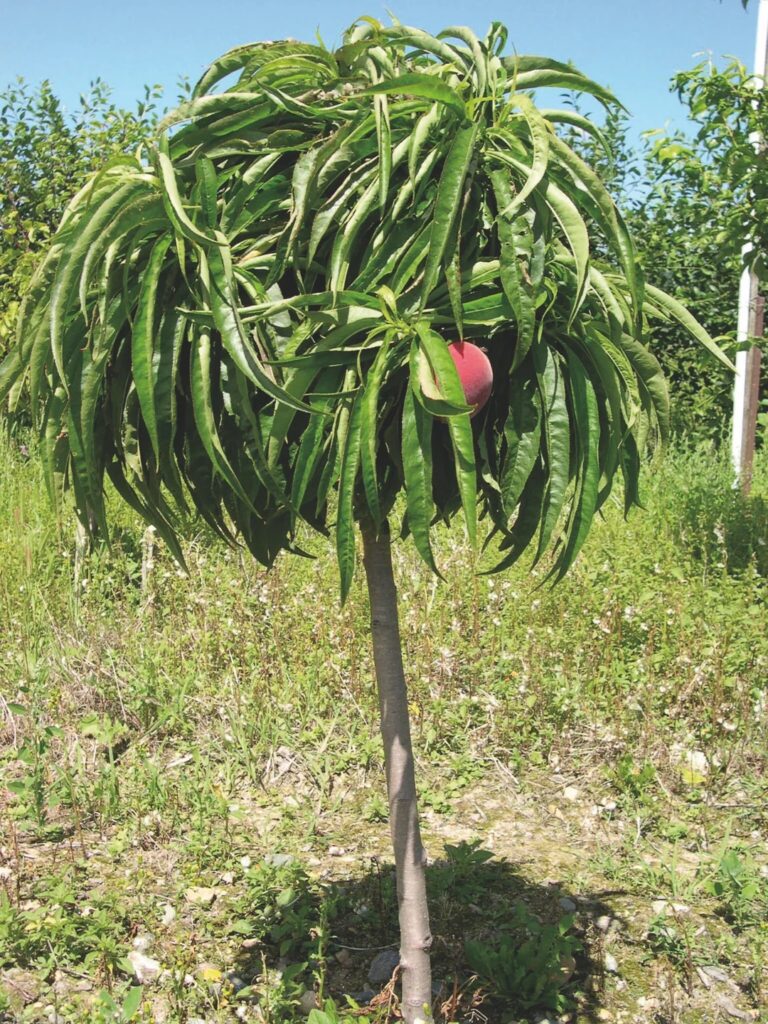
Dwarf peaches are a great pick if you want real, homegrown fruit without needing a lot of space. They top out around 6 feet tall, so pruning and harvesting are pretty easy to manage.
These trees do best in zones 5–9, and they love full sun with well-drained soil. Water them regularly during the growing season and give them a light prune each spring to keep the branches healthy and the fruit production going strong.
3.) Fig Tree

Fig trees are a great pick for small backyards because they’re happy growing in containers or tight spaces. They love full sun and well-drained soil, and once they’re established, they don’t need much water. Best suited for zones 8–10, though you can grow them in colder areas if you bring potted trees indoors for winter.
Prune them back each year to keep the size manageable and to encourage better fruit production. With a little patience, you’ll be snacking on fresh figs right from your backyard.
4.) Dwarf Apple
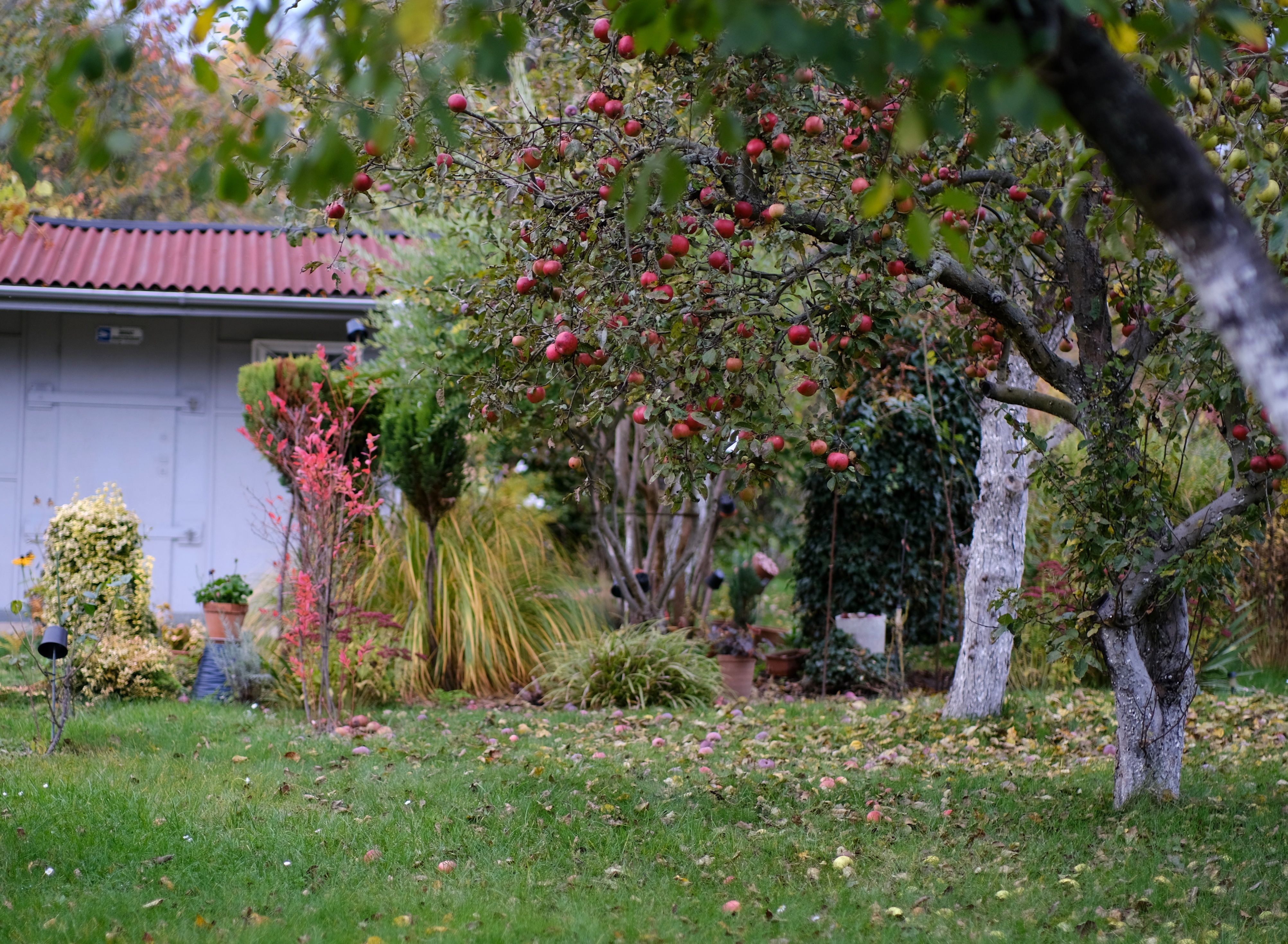
Dwarf apple trees are a great pick if you want homegrown fruit without needing a lot of space. They grow anywhere from 6 to 10 feet tall, making them easy to prune, spray, and harvest without a ladder.
They do best in full sun and well-drained soil, and they’re suited for hardiness zones 4 through 8. Plant two different varieties nearby for good pollination, and you’ll be picking fresh apples every fall before you know it.
5.) Kumquat
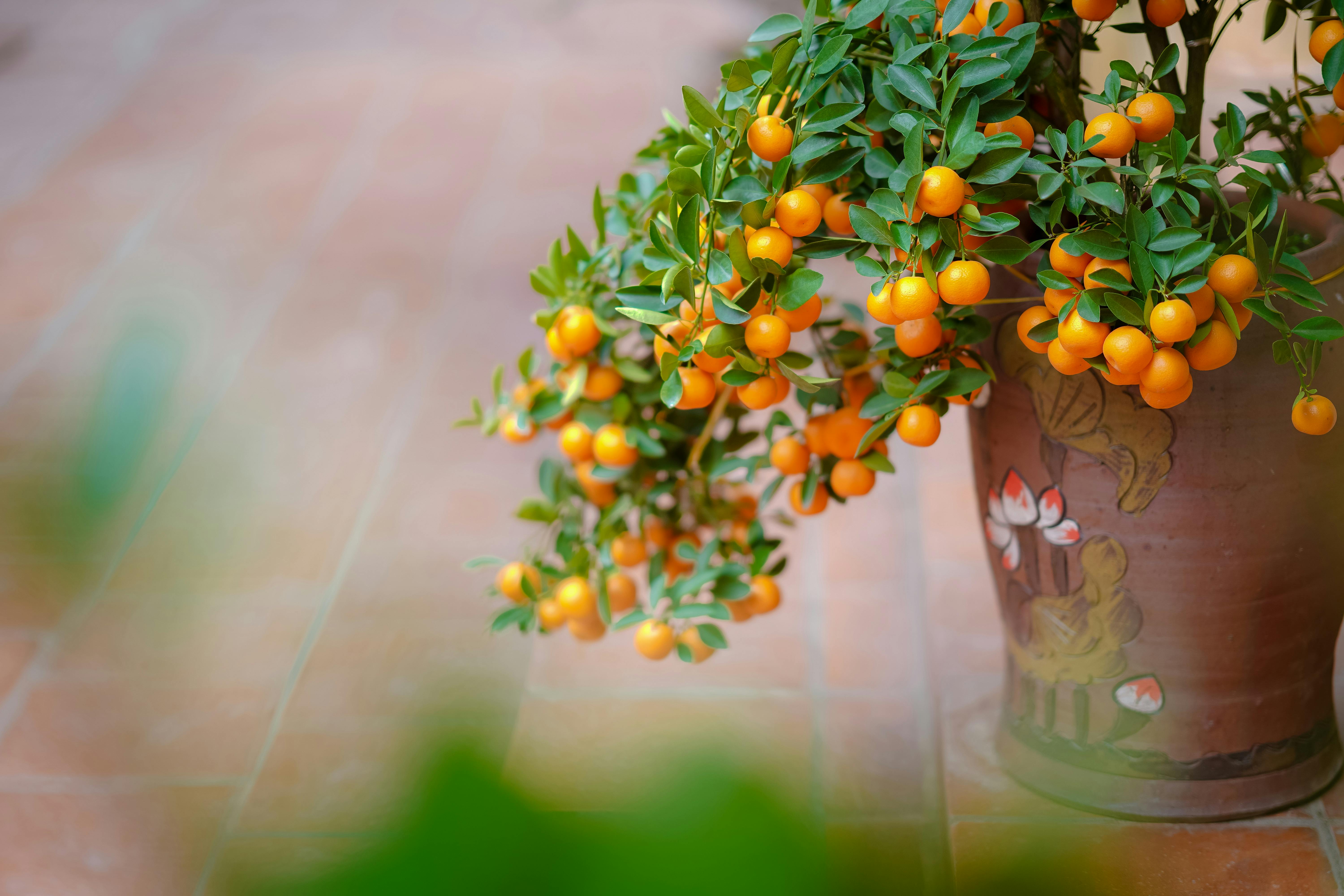
Kumquats are one of the best fruit trees for tight spaces — they stay compact, usually topping out around 8 feet, and they look great in a container on a patio or planted in the ground.
They grow best in zones 8–11 and love full sun with well-draining soil. Water regularly but let the soil dry out a bit between waterings.
The fruit is totally edible, skin and all, with a sweet-tart flavor that’s fun to snack on straight from the tree.
6.) Dwarf Cherry
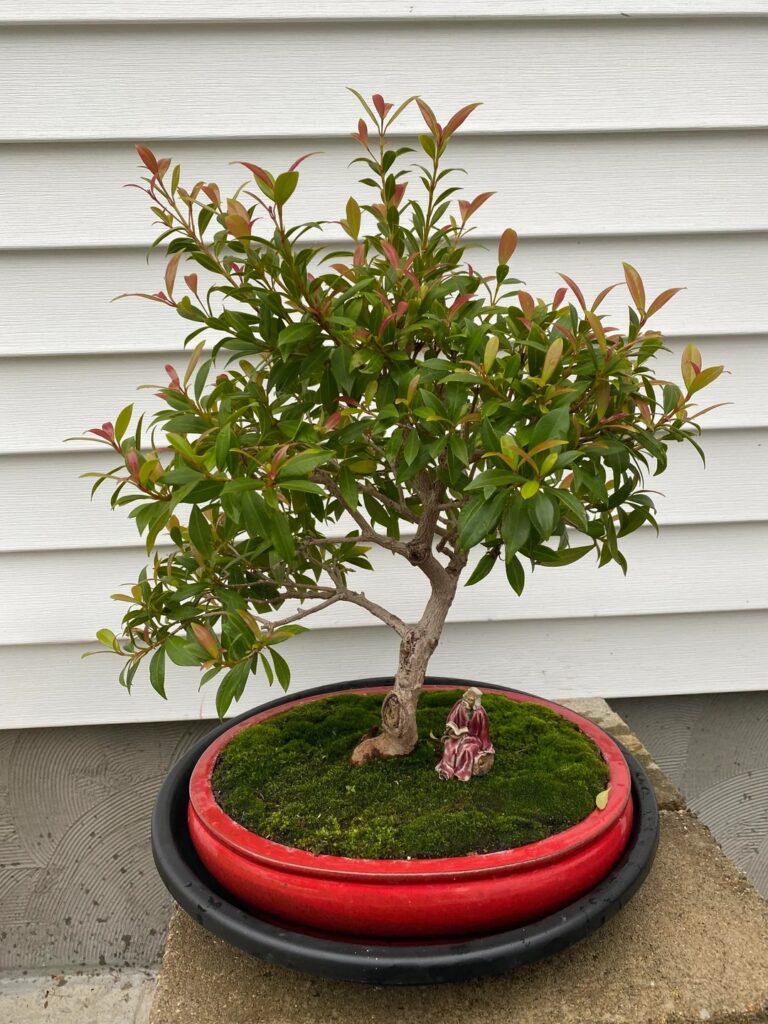
Dwarf cherry trees are a great pick if you want homegrown fruit without giving up half your yard. Most varieties top out around 8–10 feet, so they fit nicely in tighter spaces and are much easier to harvest and prune.
They do best in full sun and well-drained soil, and they’re fairly low-maintenance once established. Most are hardy in zones 4–7. Just plant two varieties nearby for cross-pollination, and you’ll have a solid crop come early summer.
7.) Persimmon

Persimmon trees are a great pick for smaller yards since they stay compact and don’t demand a ton of attention once they’re established. They grow well in zones 4–9, handle drought fairly well, and aren’t too picky about soil as long as it drains properly.
They do best in full sun and need very little pruning. The fruit ripens in fall and tastes best after the first frost softens it up, making it a fun tree to grow and harvest.
8.) Dwarf Pear
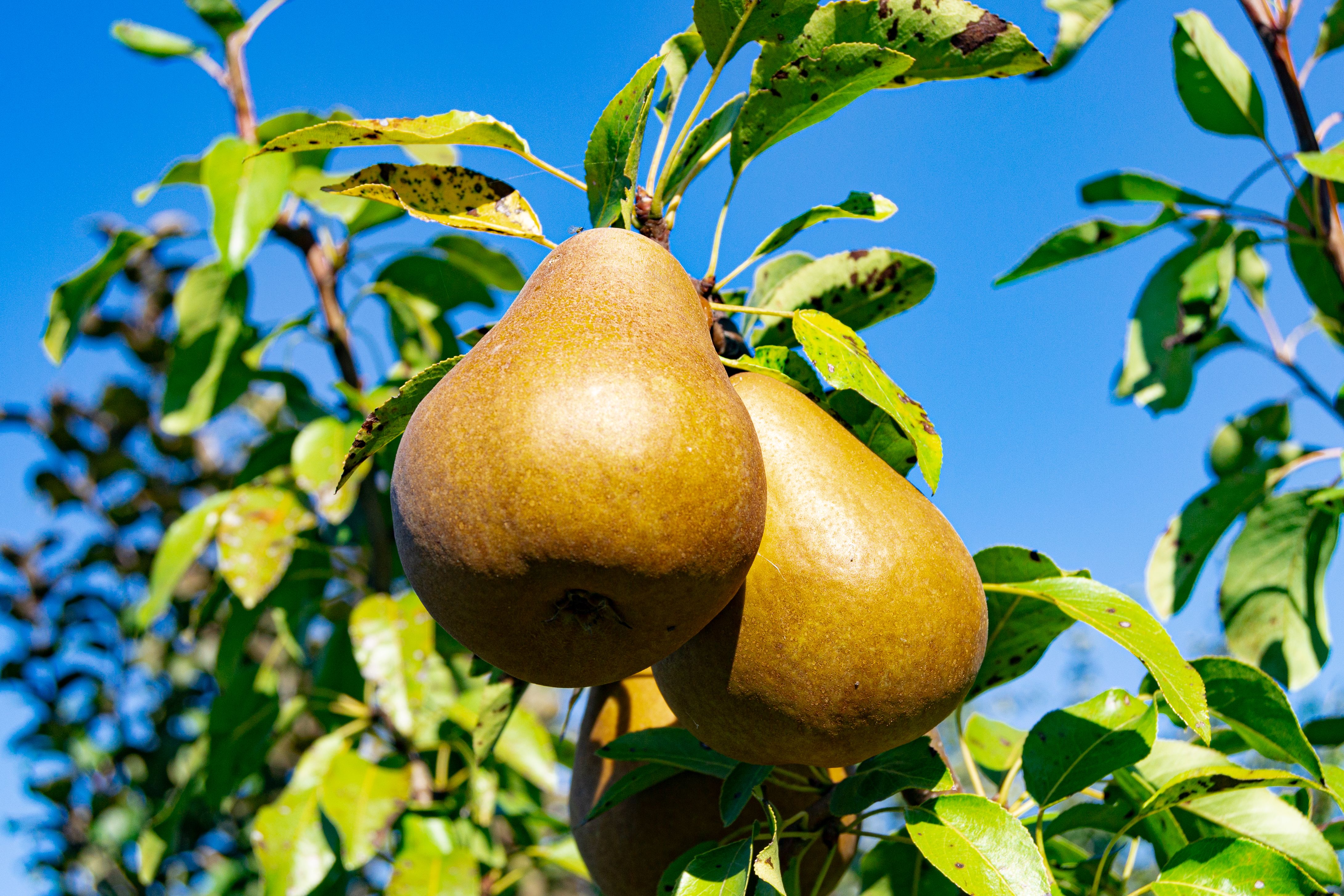
Dwarf pear trees are a great pick if you want homegrown fruit without giving up too much yard space. They typically top out around 8–10 feet tall, making harvesting easy and manageable for most gardeners.
They do best in full sun and well-drained soil, and they’re hardy in zones 4–7. One thing to keep in mind — pears usually need a second tree nearby for cross-pollination to get a good harvest. Plant two different varieties and you’ll be set.
9.) Mulberry

Mulberry trees are a great pick for small yards because they grow well in most soil types and don’t need a lot of fuss once they’re established. They do best in full sun and are hardy in zones 5–10, making them a solid choice for a wide range of climates.
The berries ripen in summer and taste like a mix between raspberries and blackberries. Just plant them away from paths and patios — falling fruit can stain, and there will be plenty of it.
10.) Dwarf Apricot
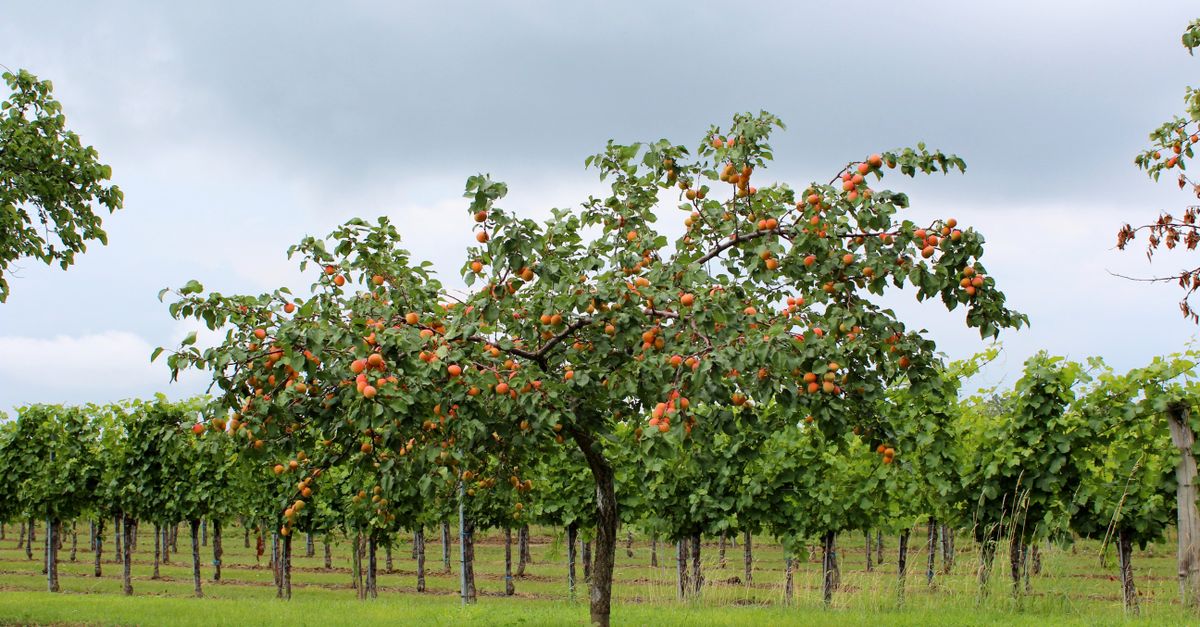
Dwarf apricots are a great pick if you want homegrown fruit without giving up half your yard. They top out around 8–10 feet tall, so they fit nicely in smaller spaces and are easy to harvest without a ladder.
They grow best in Zones 5–8 and need full sun plus well-drained soil. Water them regularly during the growing season, and prune in late winter to keep the shape tidy. With decent care, you’ll get a solid crop of sweet fruit each summer.
11.) Calamondin Orange
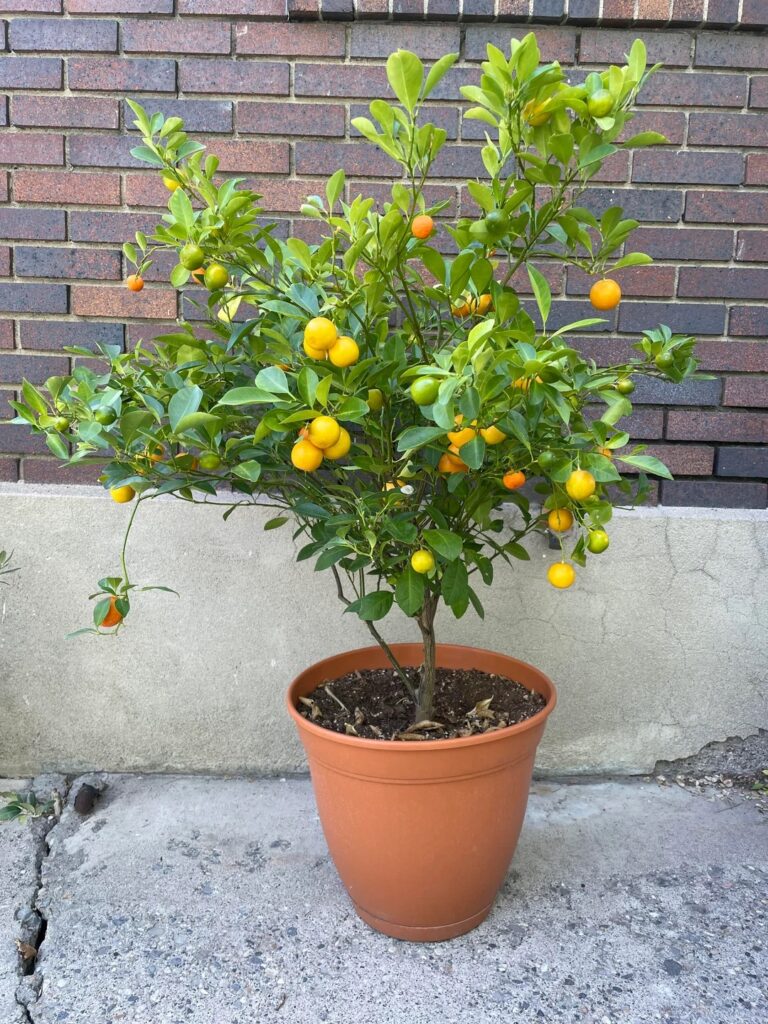
The calamondin orange is a compact citrus tree that works really well in small spaces. It produces tiny, tart oranges that are great for making marmalade, juice, or just adding a sour kick to drinks. The tree also looks pretty nice year-round with its glossy leaves and small fruit.
It grows best in zones 8–11 but does well in containers, so colder-climate gardeners can bring it indoors during winter. Give it full sun, well-drained soil, and regular watering, and it’ll reward you with fruit almost year-round.
12.) Dwarf Nectarine

Dwarf nectarines are a great pick for small spaces, growing to just 6–8 feet tall. They do well in zones 6–9 and love a sunny spot with well-drained soil. You can even grow them in a large container on a patio.
Give them a good watering during dry spells and prune lightly in late winter to keep things tidy. They’re mostly self-fertile, so you don’t need a second tree to get fruit.
Come summer, you’ll be picking smooth, sweet nectarines right from your own backyard.
13.) Pomegranate
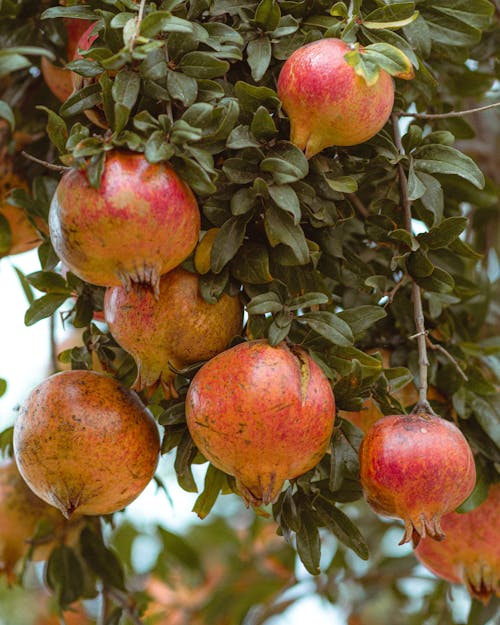
Pomegranates are a great pick for small backyards because they naturally stay compact, usually topping out around 10 to 15 feet. They thrive in hot, dry climates and do well in zones 7 through 11. Give them full sun and well-drained soil, and they’ll be pretty low-maintenance once established.
Water regularly during the first year, then cut back — they’re actually quite drought-tolerant. Come fall, you’ll be rewarded with deep red fruits that are fun to harvest and even better to eat.