Most home repairs don’t start as emergencies — they start as small, easy-to-ignore tasks that kept getting pushed to next weekend.
The truth is, a little bit of regular maintenance goes a long way. Catching problems early almost always costs less, takes less time, and causes a lot less stress than dealing with the fallout later. The hard part is just knowing what to check and when.
Here are 15 home maintenance tasks worth staying on top of before they turn into something much bigger.
1.) Clean Your Gutters Regularly

Cleaning your gutters is one of those tasks that’s easy to put off until something goes wrong. Clogged gutters can cause water to back up and damage your roof, siding, and even your foundation. Aim to clean them at least twice a year — once in late spring and again in late fall after the leaves drop.
You don’t need fancy tools, just a ladder, gloves, and a garden hose. Spending an hour now can save you a lot of money later.
2.) Check HVAC Filter Monthly

Your HVAC filter is one of those things that’s easy to forget about until something goes wrong. A clogged filter makes your system work harder, which means higher energy bills and a shorter lifespan for your unit.
Set a phone reminder for the first of each month to do a quick check. If the filter looks gray and dusty, swap it out. Most standard filters need replacing every 1–3 months, depending on whether you have pets or allergies.
3.) Test Garage Door Safety

Garage doors are heavy, and the safety features that keep them from crushing people or pets can wear out over time without much warning. Testing them takes about two minutes and could save a life.
Place a piece of wood flat on the ground where the door closes. If the door doesn’t reverse when it hits the wood, the auto-reverse sensor needs adjusting. Also test the wall button’s stop feature and wipe dust off the photo-eye sensors near the floor.
4.) Inspect Window Caulking

Window caulking is one of those things that’s easy to ignore until you’ve got a drafty room or a water stain creeping down your wall. Take a walk around your home once a year and check for cracks, gaps, or caulking that’s pulling away from the surface.
Fall is the best time to do this before cold weather hits. Removing old caulk and applying a fresh bead takes less than an hour and can save you a good chunk on your energy bill.
5.) Flush Water Heater Sediment

Over time, minerals and sediment build up at the bottom of your water heater tank, making it work harder and driving up your energy bill. Flushing it out once a year keeps things running smoothly and can even extend the life of the unit.
The process is pretty straightforward — you’ll need a garden hose, a few minutes, and your owner’s manual handy. Turn off the heater, connect the hose to the drain valve, and let it empty out. Simple as that.
6.) Clean Dryer Vent Thoroughly

Lint buildup in your dryer vent is one of those things that’s easy to ignore — until it becomes a real problem. A clogged vent makes your dryer work harder, raises your energy bill, and can even cause a fire.
Pull the vent hose from the back of your dryer and use a long brush kit to clear it out. While you’re at it, check the exterior vent flap too. Aim to do this at least once a year.
7.) Check Sump Pump Function

Your sump pump is one of those things you forget about until your basement is flooded — and by then, it’s too late. Give it a quick test every few months by pouring a bucket of water into the pit and making sure the float triggers the pump to kick on.
Also check that the discharge line is clear and draining away from your foundation. If the pump is more than 10 years old, it’s worth thinking about a replacement before problems start.
8.) Inspect Roof for Damage

Your roof takes a beating year-round from wind, rain, snow, and sun, so giving it a once-over at least once or twice a year is a smart move. Look for missing, cracked, or curling shingles, and keep an eye out for any sagging areas or damage around chimneys, vents, and skylights.
You don’t have to climb up there yourself — a good pair of binoculars from the ground can reveal a lot. If you do spot something concerning, calling a professional sooner rather than later can save you from a much costlier repair down the road.
9.) Clean Range Hood Filter

Grease and dust build up in your range hood filter faster than you’d think, and a clogged filter means your hood isn’t pulling smoke and odors out of your kitchen the way it should.
Most filters can be soaked in hot, soapy water for about 15 minutes, then scrubbed gently and left to dry. Some are even dishwasher-safe. Try to clean yours once a month if you cook regularly — it makes a real difference.
10.) Test Smoke Detector Batteries

Here’s the thing about smoke detector batteries — they’re easy to forget until something goes wrong. Most experts recommend testing your detectors once a month and swapping out the batteries at least once a year. A good trick is to do it when the clocks change in spring or fall.
It only takes about two minutes per detector. Press the test button, listen for the beep, and you’re done. Simple, but seriously worth staying on top of.
11.) Seal Driveway Cracks Early
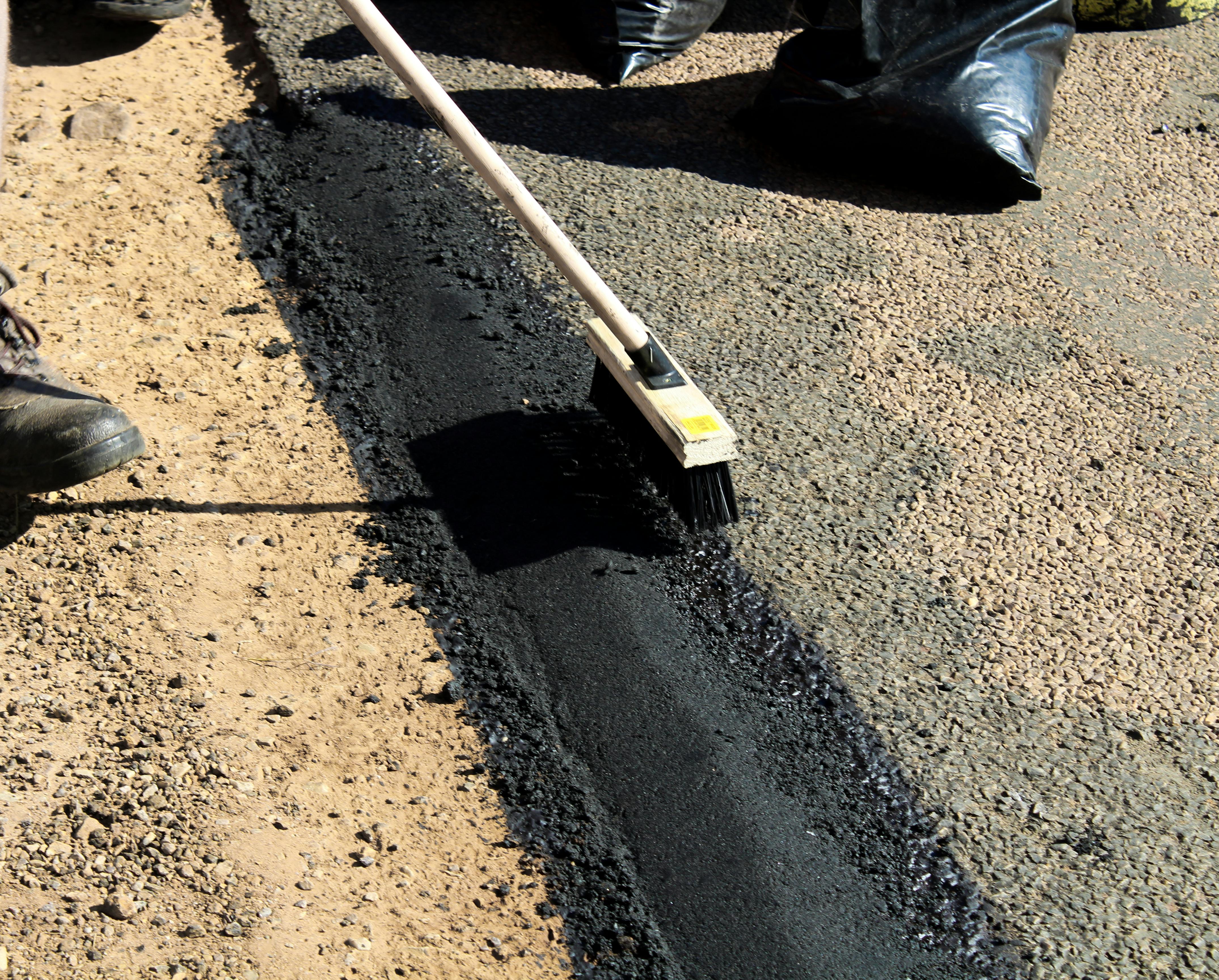
Small cracks in your driveway might not seem like a big deal, but water sneaks in and makes them much worse over time — especially when it freezes and expands in winter.
Pick up a bottle of driveway crack filler from your local hardware store and tackle this on a dry day when temps are above 50°F. It’s a quick fix that takes maybe an hour.
Do it every fall before the cold sets in and you’ll save yourself a pricey repair down the road.
12.) Clean Refrigerator Coils

Your refrigerator coils need regular attention. When dust and debris build up on the coils, your fridge has to work harder, which drives up your energy bill.
Grab a coil cleaning brush or even a vacuum with a narrow attachment and get under or behind your fridge. Doing this once or twice a year keeps things running smoothly and can extend the life of your appliance.
13.) Inspect Foundation for Cracks

Walk around your home’s foundation at least once a year, ideally in spring after the ground thaws and again in fall. You’re looking for cracks, gaps, or signs of shifting that could let in water or pests.
Small hairline cracks are usually no big deal, but wider gaps or cracks that run diagonally can signal something more serious. Take photos so you can track any changes over time.
Catching problems early saves you a lot of money and stress down the road.
14.) Lubricate Door Hinges

That squeaky door has been driving you crazy for months, hasn’t it? A little lubrication goes a long way, and it’s one of those tasks that takes about five minutes but makes a real difference in your daily life.
Grab some WD-40 or a silicone-based lubricant and apply it directly to the hinge pins. Do this once or twice a year to keep things moving smoothly and prevent rust from building up over time.
15.) Check Attic Insulation Levels

Attic insulation is one of those things most people never think about until their energy bill spikes. Over time, insulation can settle, get damaged, or simply wear out — leaving your home less efficient than it should be.
Head up there once a year, ideally before winter hits, and check that insulation is evenly spread with no gaps. The recommended depth is usually around 10–14 inches. If it looks thin or uneven, adding more is a straightforward fix that pays off fast.

