Ever wonder why some gardens just work while yours feels a little off? I’ve been there — spending money on plants, rearranging pots, and still something feels missing.
Turns out, professional landscapers follow some pretty specific rules that most of us home gardeners never learned. Once you know these tricks, you’ll start seeing your garden in a whole new way. Let’s dig in!
1.) Create Strong Focal Points

Every great landscape needs at least one spot that pulls your eye in right away. Think of it as the “wow moment” — a place where everything else seems to point toward. A large ornamental tree, a bold sculpture, or even a well-placed container garden can do the job nicely.
Pick something with year-round interest if you can. Evergreens work great for this since they hold their structure through all four seasons and require very little fuss once they’re established.
2.) Layer Plants by Height

Layering plants by height is one of those tricks that just makes a garden look put-together. Place taller plants like ornamental grasses or shrubs at the back, medium growers in the middle, and low groundcovers up front.
This works in almost any hardiness zone, and it’s pretty low-maintenance once everything is established. Just make sure taller plants aren’t blocking sunlight from shorter ones that need it to thrive during the growing season.
3.) Follow the Odd-Number Rule
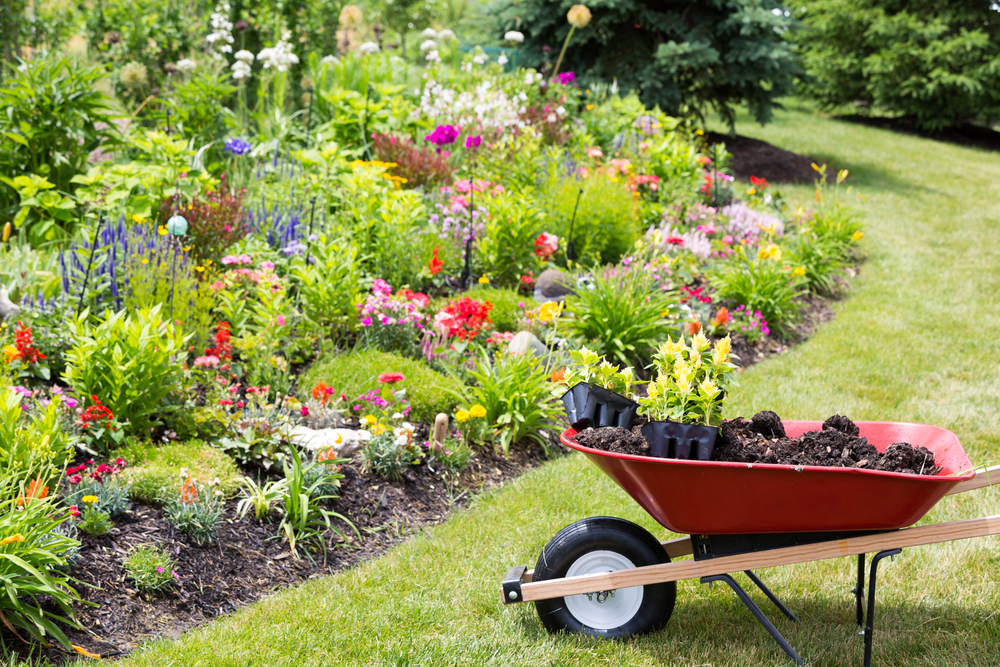
Odd numbers just work better in garden design — groups of 3, 5, or 7 plants tend to look more natural and relaxed than even-numbered clusters. It’s one of those rules that sounds a little strange until you see it in action.
When you’re planting perennials, shrubs, or even bulbs, try grouping them in threes first and go from there. Odd groupings create a flowing, organic feel that tricks the eye into moving around the space instead of stopping flat.
4.) Design for Year-Round Interest

Planning a garden that looks good in every season takes a little strategy. The trick is layering plants that each shine at different times — spring bulbs, summer perennials, fall grasses, and winter evergreens. Think of it like scheduling shifts so something is always doing its job.
Pick plants suited to your hardiness zone so they come back reliably year after year. Low-maintenance choices like ornamental grasses, coneflowers, and hellebores cover multiple seasons without much fuss.
5.) Respect Proper Plant Spacing
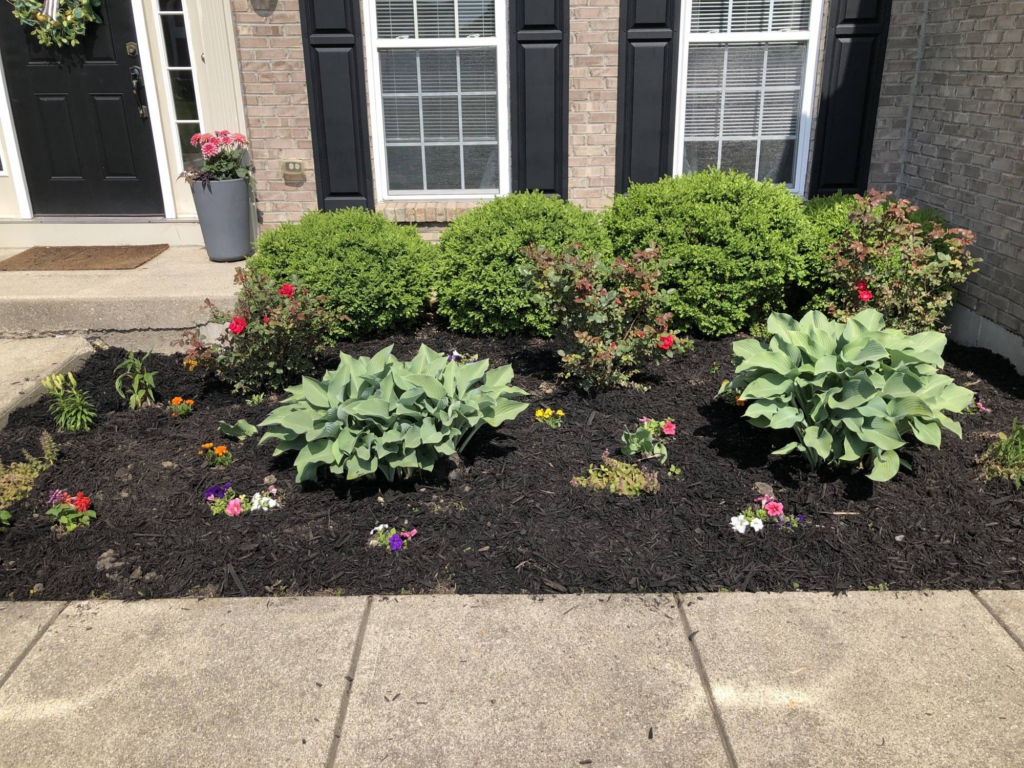
Crowding plants together might seem harmless, but it’s one of the fastest ways to ruin a landscape. When plants don’t have enough room, air circulation drops, diseases spread faster, and roots compete for water and nutrients. Pro landscapers always check the mature size of a plant before putting it in the ground.
A good rule of thumb is to plant for how big something will grow, not how big it is right now. Yes, it’ll look sparse at first — but give it a season or two, and everything fills in just right.
6.) Balance Hardscape with Softscape
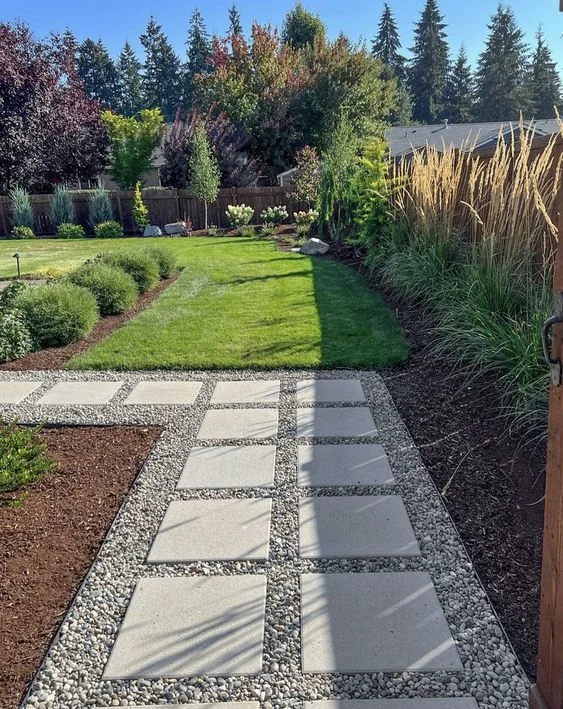
Hardscape includes the non-living parts of your yard — think patios, walkways, retaining walls, and fences. Softscape covers everything living, like trees, shrubs, and ground cover. The trick is making sure neither one takes over completely.
A yard full of concrete feels cold and uninviting. But too many plants with no structure can look messy. Aim for a roughly 60/40 split between softscape and hardscape, adjusting based on your climate and how much maintenance you’re willing to do.
7.) Consider Maintenance Requirements Early
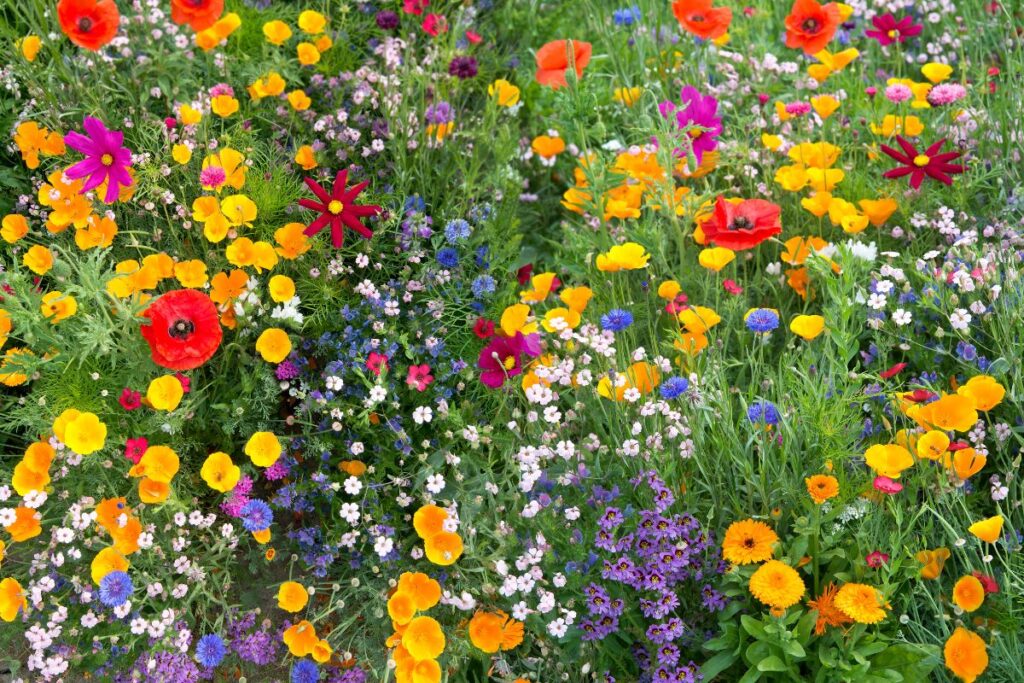
Before you fall in love with a plant at the nursery, stop and ask yourself how much time you’re willing to spend on upkeep. A high-maintenance garden can quickly become a burden instead of a joy.
Think about watering schedules, pruning needs, and seasonal cleanup before committing. Native plants are usually a smart pick since they’re already suited to your climate and don’t need much fussing. Matching plants to your lifestyle keeps your garden looking good year-round without burning you out.
8.) Use Repetition for Cohesion

Repetition is one of those tricks that makes a yard look pulled together without a lot of effort. Pick one plant, color, or material and use it in at least three spots throughout your space. Think a row of ornamental grasses along a fence, then the same grass tucked near a patio corner and beside a walkway.
It works in every season and any hardiness zone because it’s more about placement than plant choice. Consistency is what ties everything together.
9.) Plan for Mature Sizes
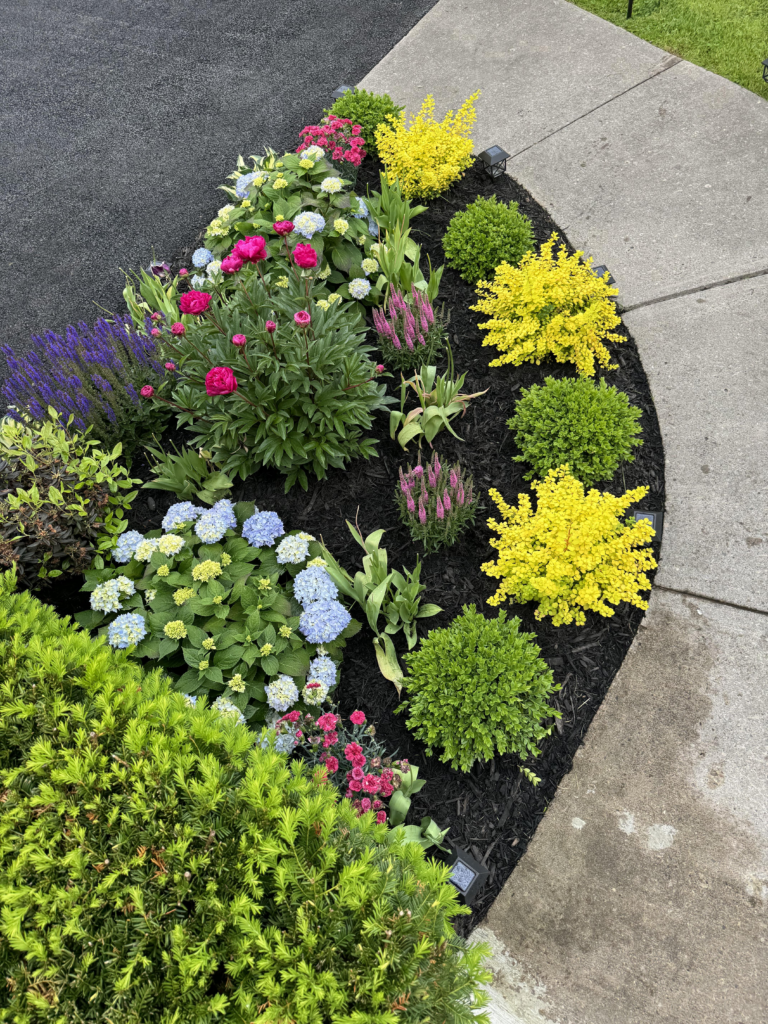
That tiny shrub you planted last spring? It won’t stay tiny. One of the biggest mistakes homeowners make is planting too close together, then wondering why everything looks crowded three years later.
Always check the mature spread of every plant before you dig a hole. A shrub that grows 8 feet wide needs space now, even if it looks lonely at first.
Give roots room to breathe, and your garden will actually look better as it matures — not worse.
10.) Incorporate Curves and Flow
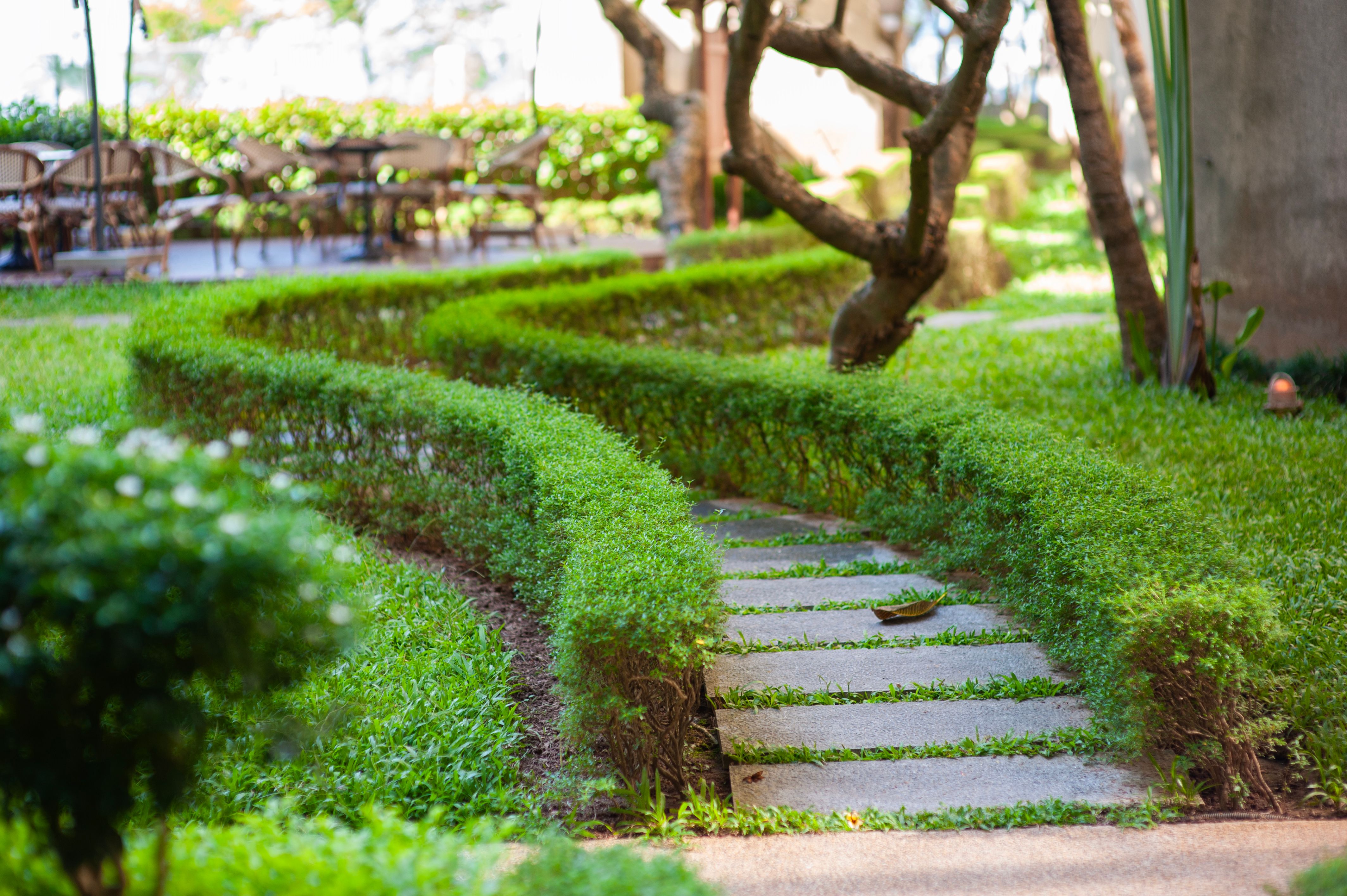
Straight lines might feel clean and organized, but pros know that curves are what make a yard feel natural and inviting. Gently winding paths, rounded garden beds, and flowing borders all help the eye move through a space without feeling rushed or boxed in.
When planning your curves, use a garden hose to map them out before you dig. Soft, gradual bends work better than sharp turns. Aim for shapes that feel like they belong in nature rather than on a blueprint.