A garden path does more than just get you from point A to point B. It pulls the whole space together and makes it feel like an actual garden instead of just a yard with some plants in it.
The best part? You really don’t need to spend a lot to make it happen. These 13 ideas are all under $100 and surprisingly easy to pull off, even on a weekend.
1.) Mulch and Edging Path
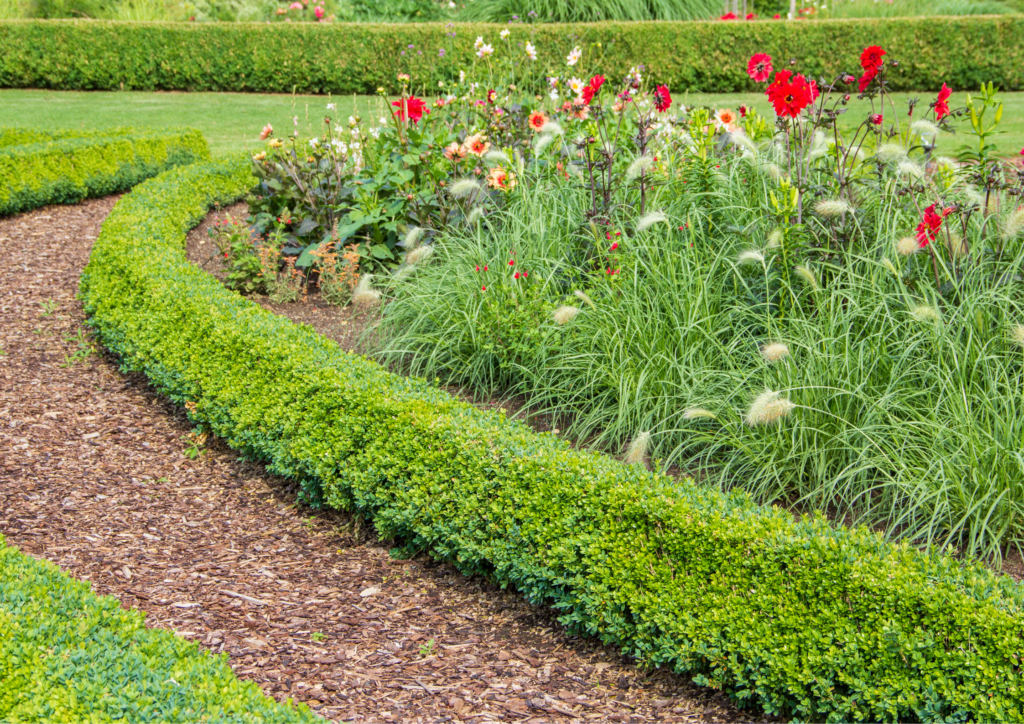
A mulch and edging path is one of the easiest and cheapest ways to define a walkway in your garden. Lay down a thick layer of wood chip or bark mulch, then use simple plastic or metal edging strips to keep everything in place.
The best part? Mulch works in every hardiness zone and any season. Just top it up once a year as it breaks down. It also helps suppress weeds, which saves you time and effort in the long run.
2.) Pea Gravel Walkway

Pea gravel is one of the easiest and most affordable ways to create a garden path. A bag runs just a few dollars, and you can cover a decent-sized walkway for well under $100. Plus, it drains really well, so you won’t end up with puddles after a rainstorm.
To keep it looking tidy, lay down a weed barrier fabric before spreading the gravel. Rake it level every few weeks and add more gravel as needed since it tends to shift over time.
3.) Stepping Stone Trail

A stepping stone trail is one of the easiest garden paths you can put together on a budget. Grab a bag of concrete mix, pick up some molds, and you can cast your own stones for just a few dollars each.
Space them about 18 to 24 inches apart for a natural walking stride. Nestle them into the ground so they sit level with the soil, and plant low-growing ground cover like creeping thyme or moss between them to fill in the gaps.
4.) Wood Chip Pathway
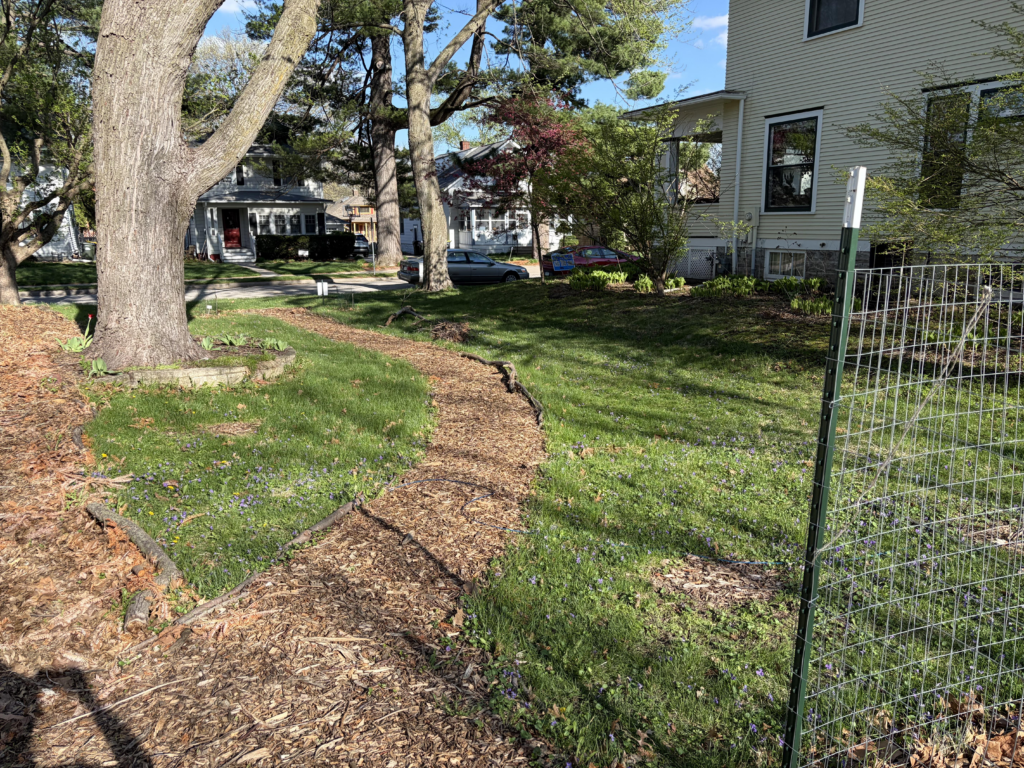
Wood chip pathways are one of the easiest and most budget-friendly options you can add to your garden. A thick layer of chips — around 3 to 4 inches deep — keeps weeds down and gives you a soft surface to walk on.
You can often get free wood chips from local tree trimming companies or check Chip Drop online. Just top them up once a year as they break down, which also adds nutrients back into the soil over time.
5.) Recycled Brick Path

Recycled bricks make a great path material because they’re cheap — sometimes even free if you check local salvage yards, Facebook Marketplace, or demolition sites. A basic path only needs a layer of sand underneath to keep everything level and stable.
Lay the bricks in a simple pattern like running bond or herringbone, then fill the gaps with sand or let creeping thyme grow between them. No mortar needed, which makes repairs easy if a brick ever shifts.
6.) Crushed Stone Path
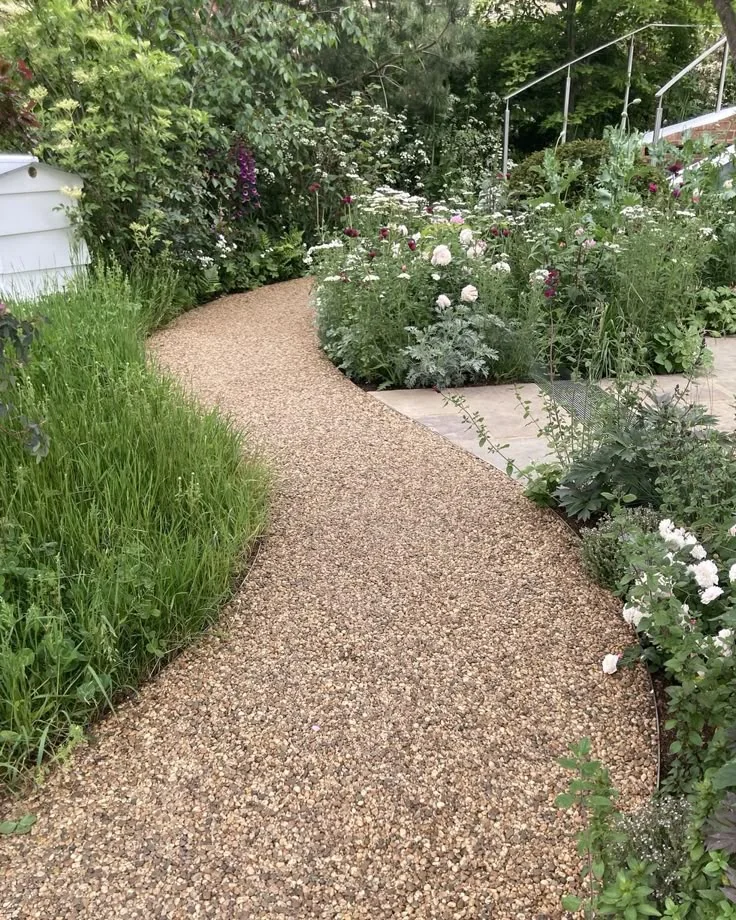
A crushed stone path is one of the easiest and most affordable options you can put together over a weekend. A bag of gravel runs just a few dollars, and you can usually find enough to cover a decent-sized path for well under $100.
The best part is that it works in almost any climate and needs very little upkeep. Just rake it level now and then, and pull any weeds that pop up between the stones. Simple and low-maintenance.
7.) Flagstone Stepping Stones

Flagstone stepping stones are a classic choice for garden paths, and for good reason — they look natural, hold up well in most weather, and fit almost any yard style. You can usually find them at local hardware or landscape supply stores for a reasonable price.
Lay them directly on a bed of sand or compacted gravel to keep them level and stable. Space them about 18 to 24 inches apart to match a comfortable walking stride. No special tools needed, just a little patience.
8.) Pine Straw Pathway

Pine straw pathways are one of the easiest and cheapest options you can add to a garden. A few bales of pine straw cost next to nothing, and you can lay the whole path in an afternoon without any special tools or skills.
Just spread it a few inches thick over your chosen route, and it’ll naturally suppress weeds and hold up through rain. Top it off each spring since it breaks down over time — which actually feeds your soil as it does.
9.) River Rock Path
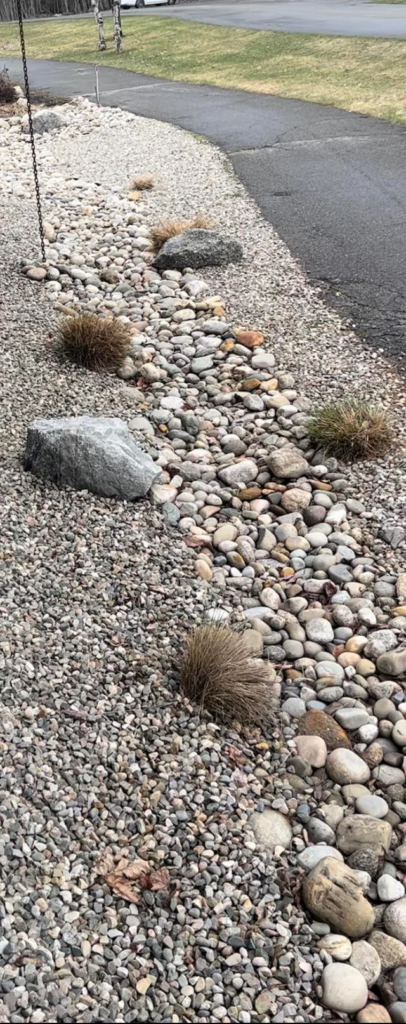
River rocks make a natural-looking path that fits well in most garden styles. You can usually find bags of smooth river rocks at any home improvement store for around $5–$10 each, making it easy to stay within budget.
Lay down a weed barrier fabric first, then spread the rocks on top to keep maintenance low. They work well in any climate and won’t rot or shift much over time. Just rake them back into place after heavy rain or wind.
10.) Shredded Bark Trail
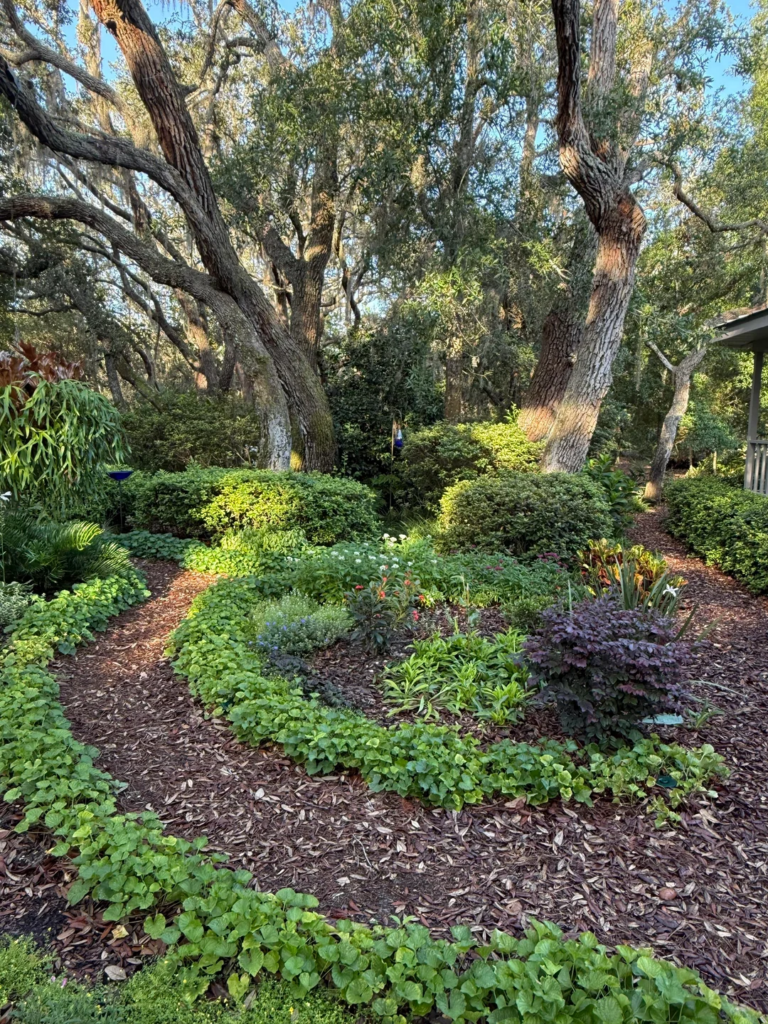
A shredded bark trail is one of the easiest and most budget-friendly path options you can add to your garden. A few bags from your local garden center can cover a decent stretch, and installation is as simple as laying it down over landscape fabric.
The bark breaks down slowly over time, adding nutrients back into the soil as it does. Plan to top it up every year or two to keep it looking fresh and even underfoot.
11.) Decomposed Granite Walkway

Decomposed granite is crushed rock that packs down into a firm, natural-looking surface. It drains well, stays in place once compacted, and gives your garden a clean, earthy look without breaking the bank. A basic path can cost as little as $30–$50 depending on how much you need.
To lay it, just dig down a few inches, add a layer of landscape fabric to block weeds, then pour and rake the granite evenly. Tamp it down firmly and you’re done. No special tools required.
12.) Reclaimed Pallet Wood Path
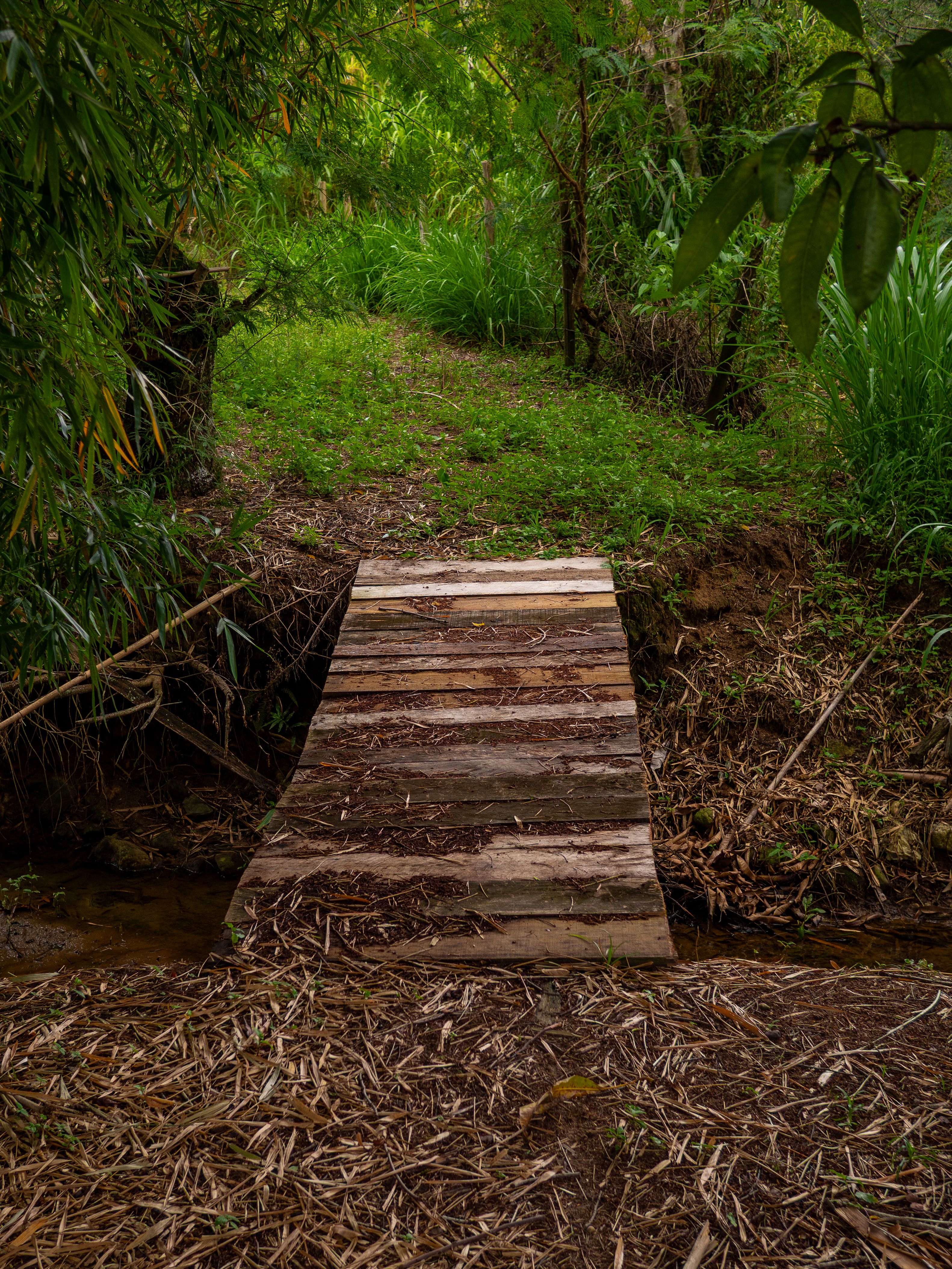
Reclaimed pallet wood makes a surprisingly solid garden path, and the best part? The wood is usually free. Check local businesses, hardware stores, or Facebook Marketplace for discarded pallets. Just make sure to grab heat-treated ones (marked HT) rather than chemically treated wood, which can leach harmful stuff into your soil.
Cut the planks to size, lay them on a bed of gravel or sand for drainage, and space them slightly apart. Expect to replace boards every few years as they weather.
13.) Sand and Shell Path

A mix of sand and crushed shells makes for a low-cost path that looks right at home in coastal or cottage-style gardens. You can usually source both materials from local landscaping suppliers or even beach towns for next to nothing.
To keep it looking tidy, rake it occasionally and add a fresh layer of shells each season. It drains well in rainy weather and stays cool underfoot in summer, making it a practical pick for warm or coastal climates.